According to a recent industry survey conducted by Rocket Mortgage, a striking 93 percent of modern homebuyers are actively looking for properties featuring a dedicated dining space designed specifically for hosting and gathering. This statistical shift highlights a broader cultural move away from hyper-integrated living spaces toward environments that offer privacy, ambiance, and a sense of occasion.
Unlike the formal dining rooms of past decades—the notoriously pristine, stiff spaces that sat completely untouched for 364 days a year until a holiday arrived—today’s dedicated dining rooms are designed for real life. They are meant to be used, inhabited, and lived in frequently. Designers and homeowners across the country are reintroducing walls, partitions, and distinct rooms that elevate the humble dining table into the emotional and social anchor of the home.
This resurgence in partitioned spaces does not mean a return to stuffy, intimidating formality. Rather, contemporary designers are reinterpreting the traditional dining room through a lens of comfort, creativity, and multifunctionality. Across diverse properties—from sprawling Hudson Valley country homes and historic Vermont Victorians to urban Manhattan apartments and Spanish-style Los Angeles residences—homeowners are proving that giving the dining table its own dedicated space unlocks boundless design potential.
Make Room for More
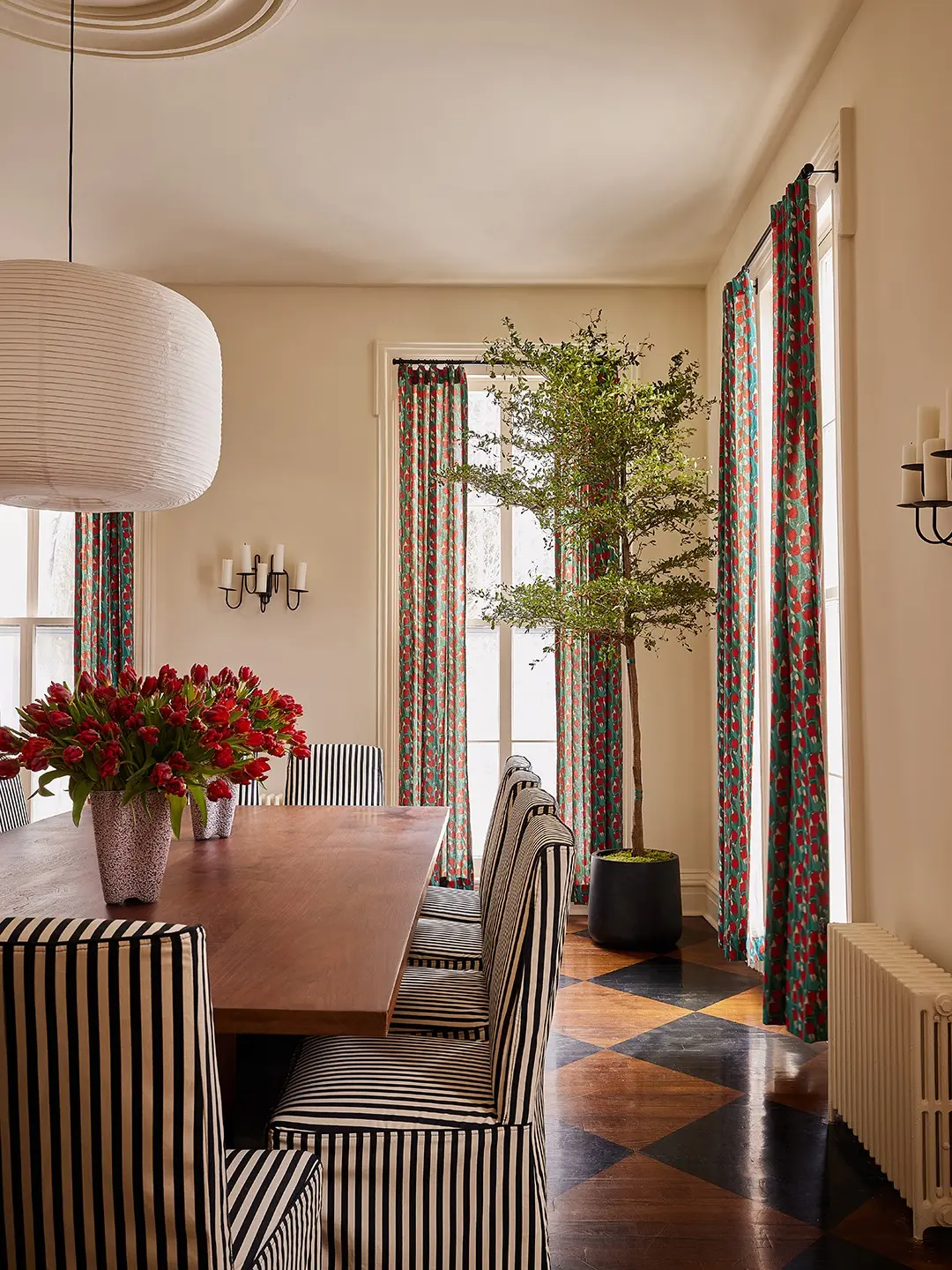
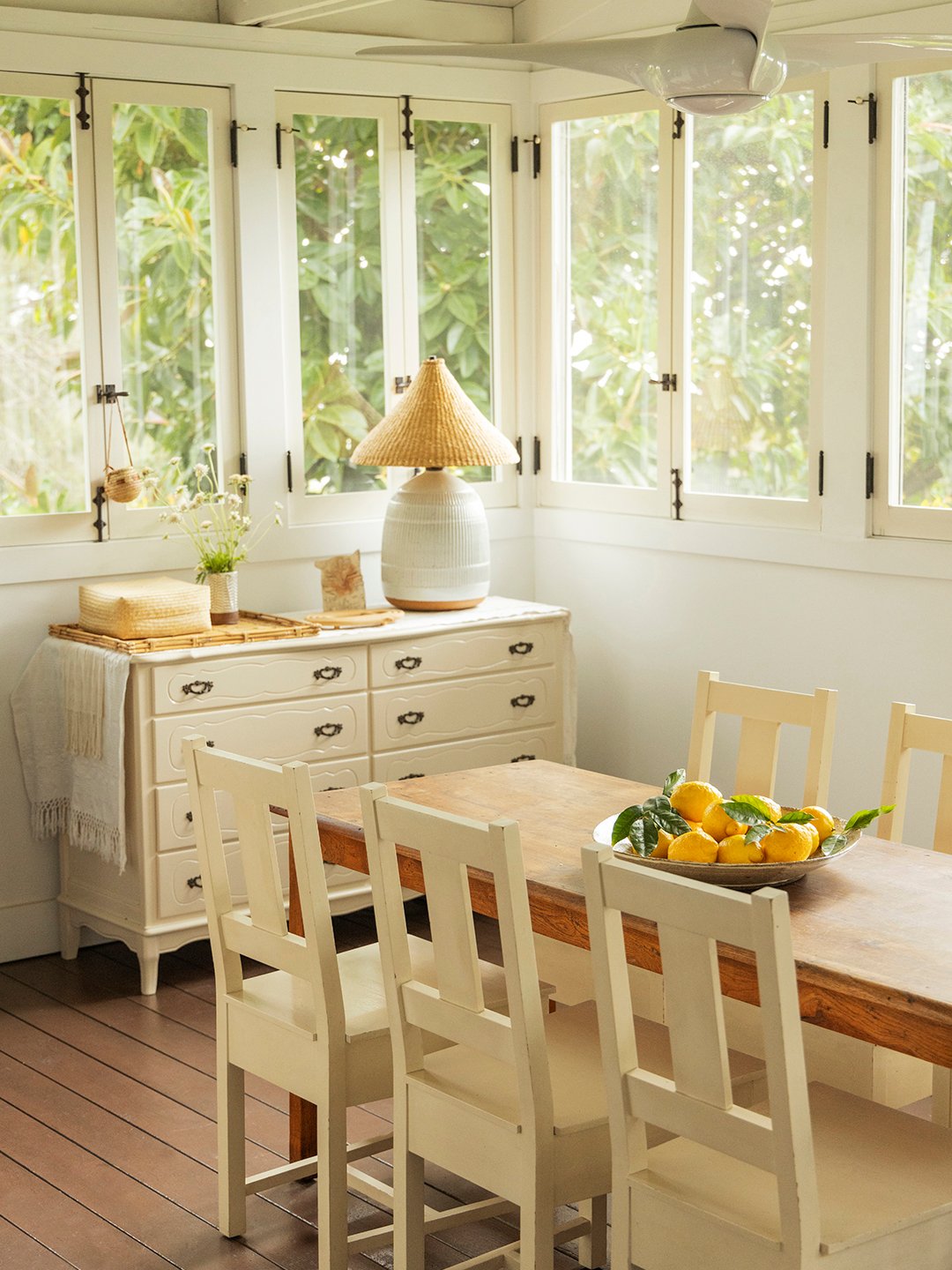
In the Hudson Valley, cookbook author and creative culinary personality Dan Pelosi has embraced the philosophy of expansive hospitality. His home features a dining room built explicitly to accommodate a crowd of guests and an endless rotation of shared meals. Flooded with abundant natural light and richly layered with bold colors and striking patterns, the joyful space was brought to life in collaboration with designer Nick Spain.
Pelosi’s dining room rejects the notion that a separate room must feel formal or austere. Instead, it serves as an open invitation to linger. By creating a distinct perimeter for the dining area, the home establishes an atmosphere where lingering around the table long after the plates have been cleared becomes the primary objective of the evening, rather than an afterthought squeezed into the corner of a kitchen.
Go Moody Where It Counts
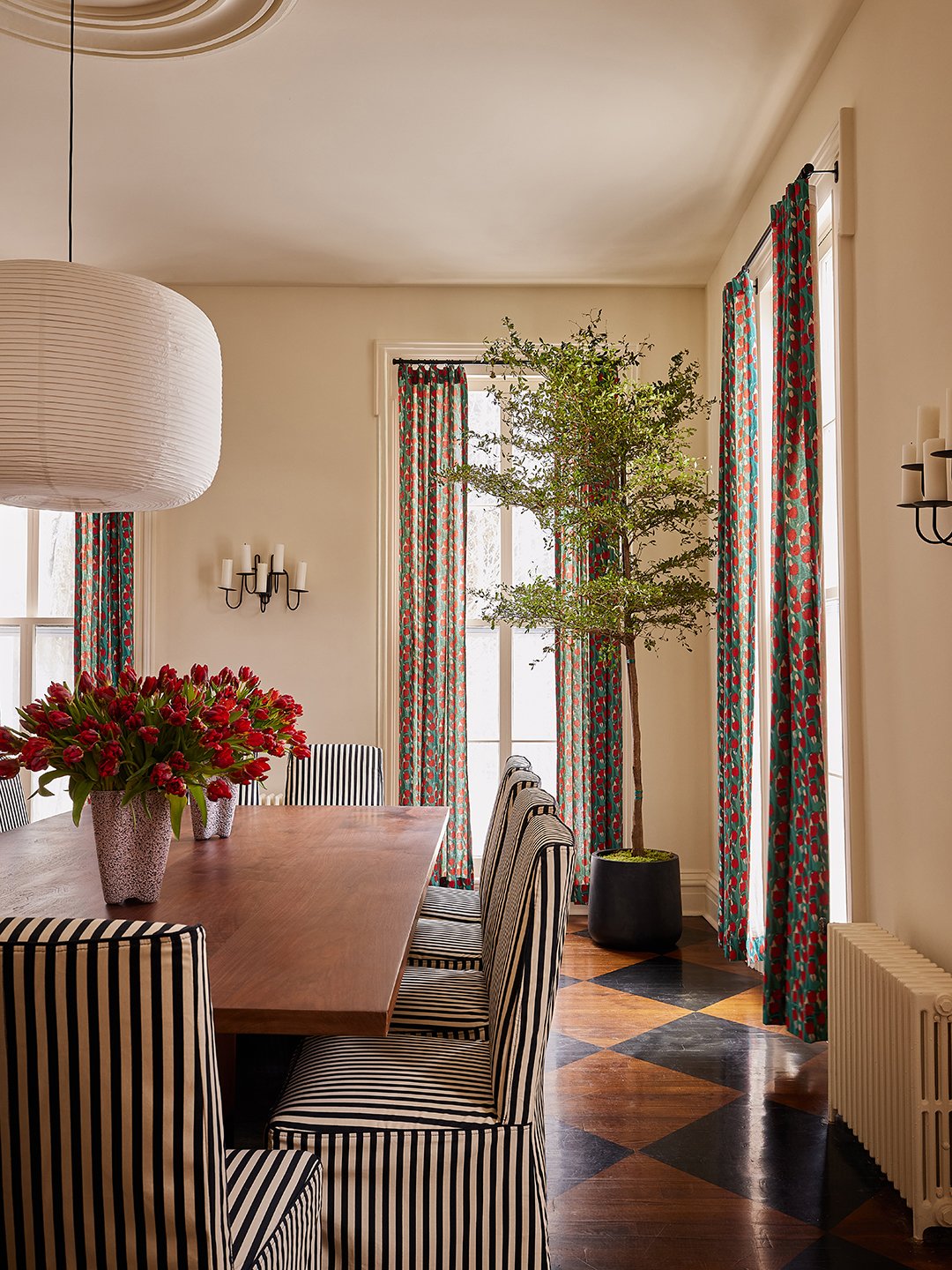
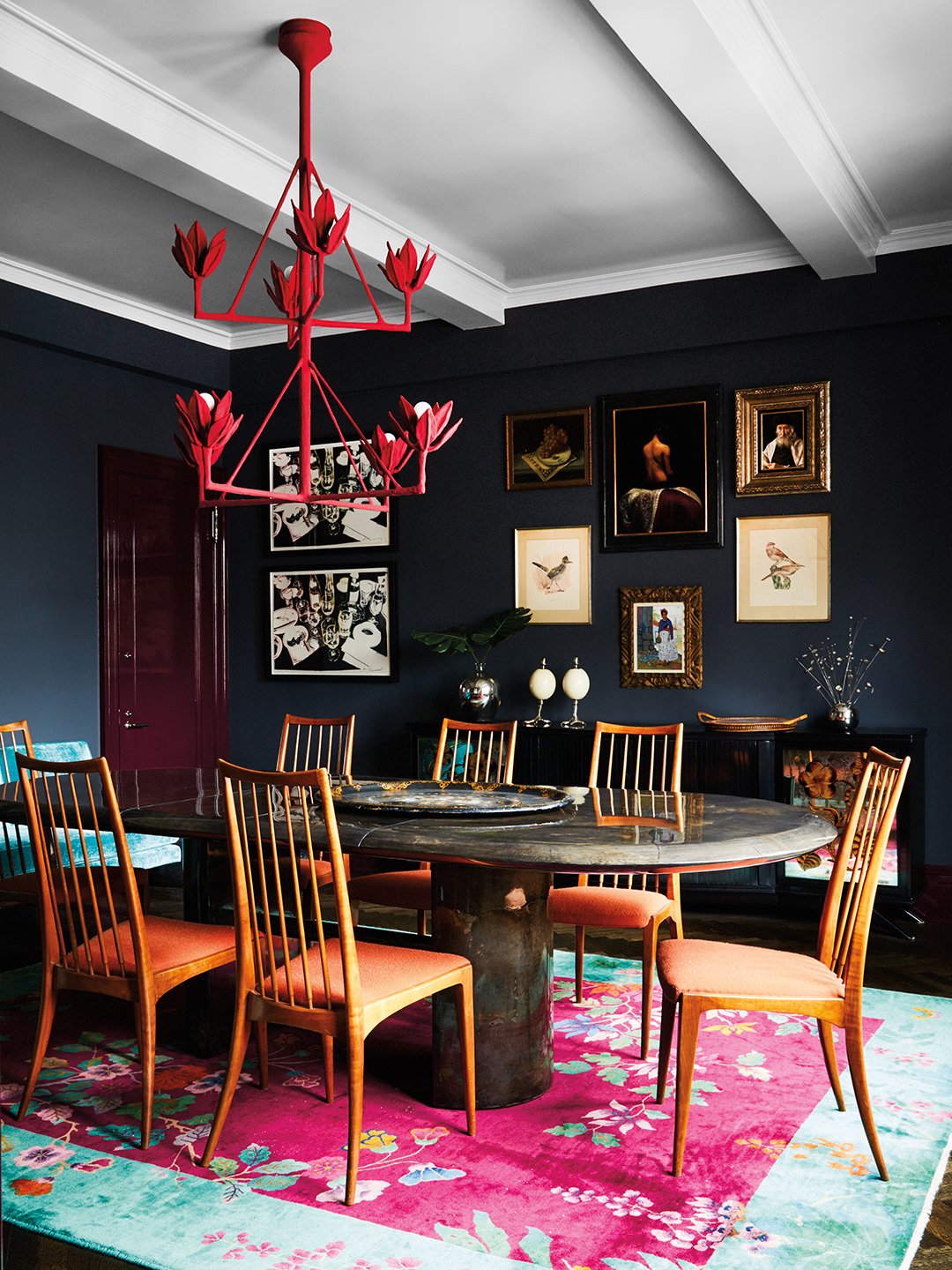
While some homeowners lean into bright, sun-drenched gathering spaces, others are utilizing the architectural boundaries of a separate room to cultivate an entirely different atmosphere. In the former Manhattan apartment of Brett Heyman, founder and designer of Edie Parker, most rooms serve as an explosion of humor, texture, and high-energy color that mirrors her playful design aesthetic.
However, the dining room takes a intentionally moodier turn. Rich flora and fauna motifs mingle seamlessly with fine art drawn from multiple distinct eras. This deliberate shift in palette and tone creates an enveloping, intimate space that feels exceptionally well-suited for long, slow dinner parties that stretch deep into the dark hours of the night. In an open-concept layout, achieving such a dramatic shift in mood from the kitchen or living room can be nearly impossible; a dedicated room provides the physical canvas required to pull it off.
Sneak In a Bar
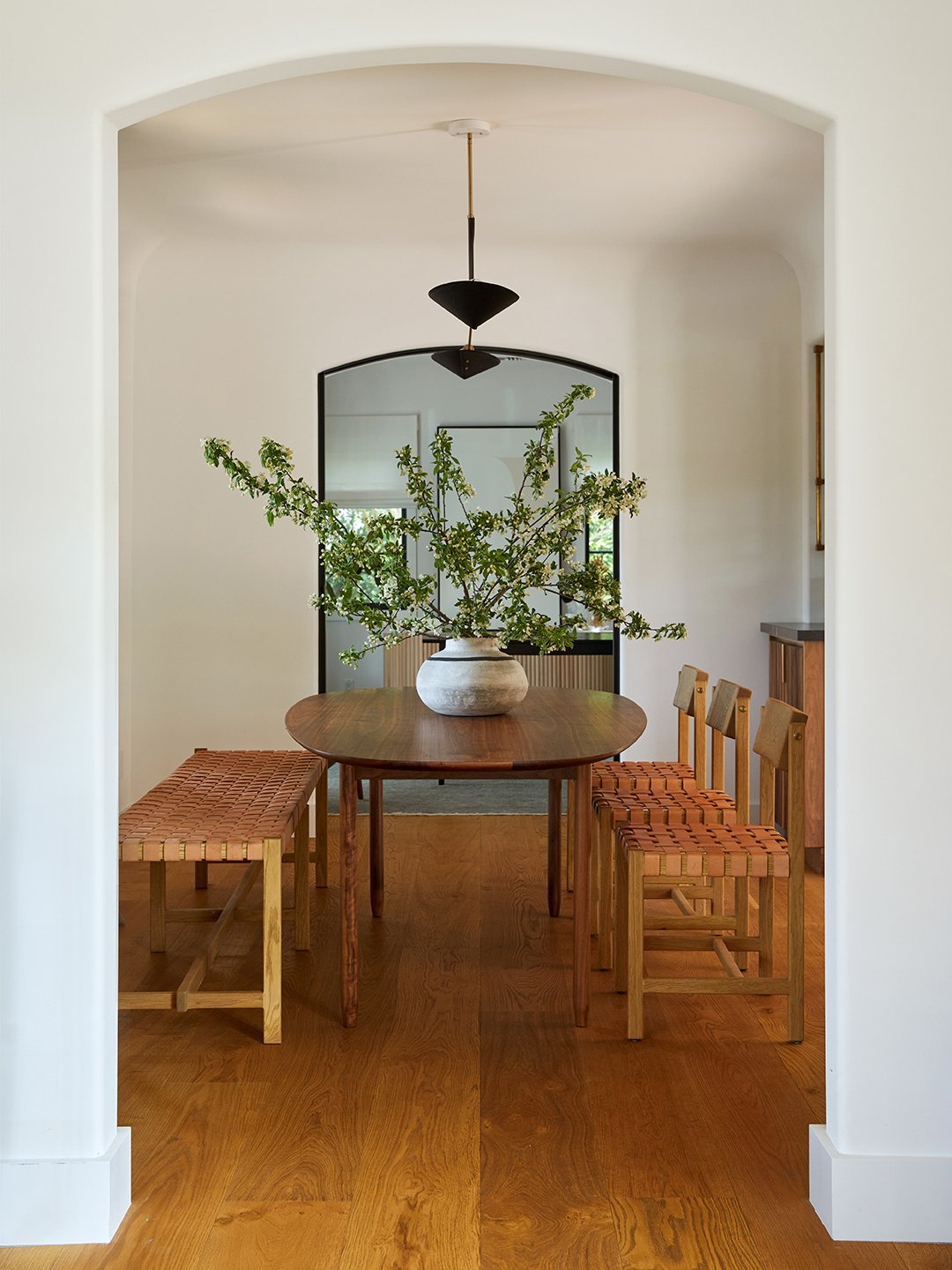
Having a room devoted entirely to entertaining opens up architectural opportunities that simply do not exist in multi-use great rooms. When writer, producer, and director Meredith Chin purchased her Spanish-style home in Southern California, she immediately recognized its unique creative energy. She enlisted interior designer Mat Sanders to help translate that vision into reality, paying special attention to the home’s transitional and entertaining spaces.
Within the serene dining area, which provides a light-filled visual contrast to the home’s dramatic black kitchen, Sanders transformed an existing architectural shelving niche into a fully integrated bar. Complete with a custom fluted-walnut cabinet, delicate glass shelving, and a strategically placed integrated sconce, the built-in bar highlights one of the major perks of a dedicated dining room: the ability to curate specialized zones for mixology and service away from the primary cooking prep areas.
Keep the Walls, Add a Mural
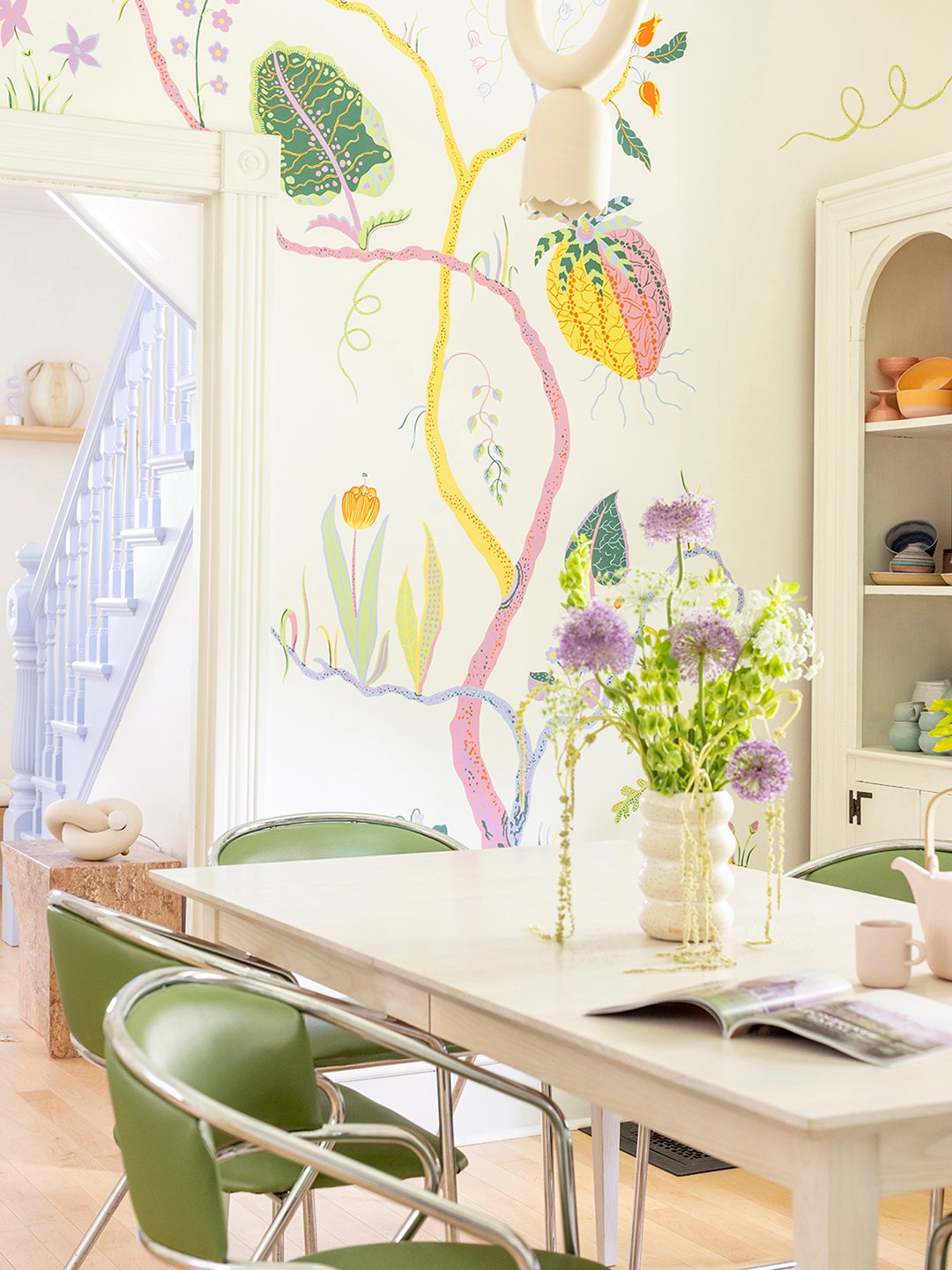
The push away from open-concept layouts is also providing a boon for historic preservation. When chef-turned-designer Sara Manning took on the restoration of her Vermont Victorian home, she was deeply determined to preserve the quirky charm and cellular room layouts that defined the structure, rather than modernizing it into a monolith.
Instead of opening up the floor plan, adding en suite bathrooms, or knocking down structural walls, Manning doubled down on character and color. She enlisted artist Anne Meredith to hand-paint a custom wall mural wrapped entirely around the dining table, taking direct design cues from classic Josef Frank fabric patterns. The resulting space proves that historic layouts possess an inherent intimacy that contemporary open-floor blueprints struggle to replicate.
Plan for the Post-Dinner Sprawl
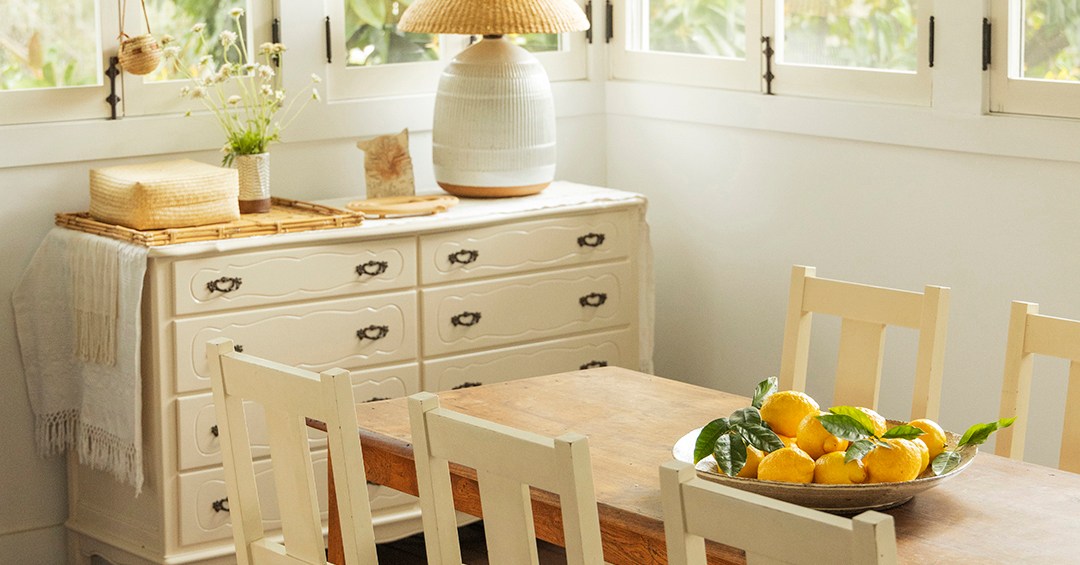
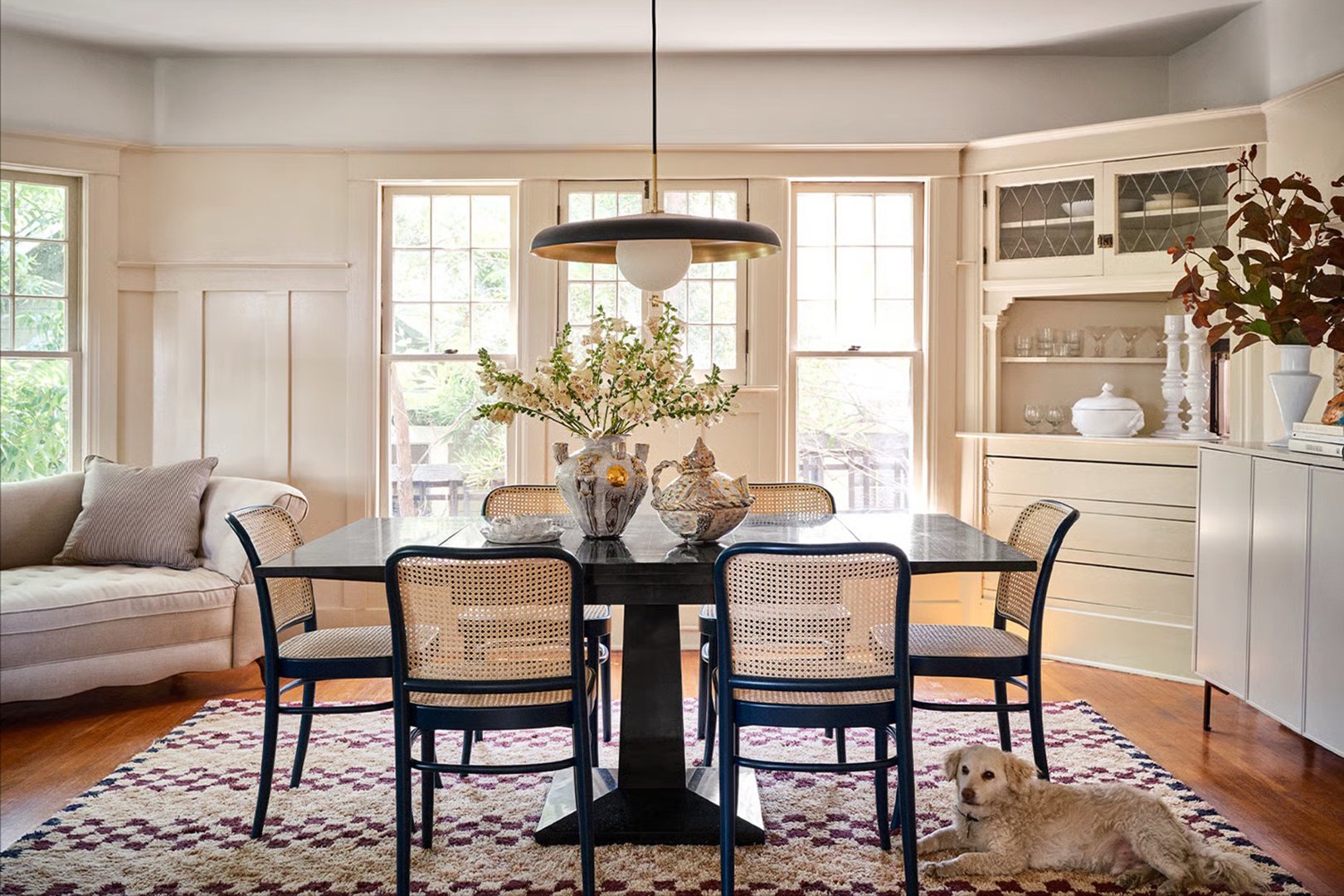
Flexibility remains a driving force behind how modern homeowners are outfitting their dining spaces. Fashion designer Clare Vivier, who has owned her Los Angeles Craftsman home for more than two decades, has witnessed her interior spaces evolve through several distinct iterations. In the latest configuration of her dining area, a moody and dark historical paint color was replaced with a soft white paint finish, creating a brighter, cheerier match for the southern California sunlight pouring into the room.
However, the standout feature of Vivier’s dining layout is tucked discreetly into the corner: a lounge chaise featuring adjustable arms capable of lying completely flat. By incorporating comfortable lounging furniture directly into the dining room footprint, the home cleverly anticipates the physical reality of hosting large meals. When guests are thoroughly satiated and too full to remain upright at the table, the transition from dining chair to horizontal sprawl is only a few short steps away.
Make Room for Game Night
Similarly, design director Brit Ashcraft’s Hudson Valley home demonstrates that a dedicated dining room can easily accommodate multiple distinct activities without sacrificing elegance. In Ashcraft’s space, the room is primed for far more than standard dinner party seating arrangements.
The perimeter of the room features a comfortable reading chair for quiet lounging, anchored by a large central dining table designed for heavy gathering. Just out of direct view sits a dresser stocked with bar essentials alongside a bowl of dice reserved for impromptu games of Yahtzee. By resisting the urge to flatten the home’s interior into a single multifunction zone, these homeowners are reclaiming the dining room as a dynamic, versatile sanctuary capable of hosting everything from formal feasts to casual game nights.