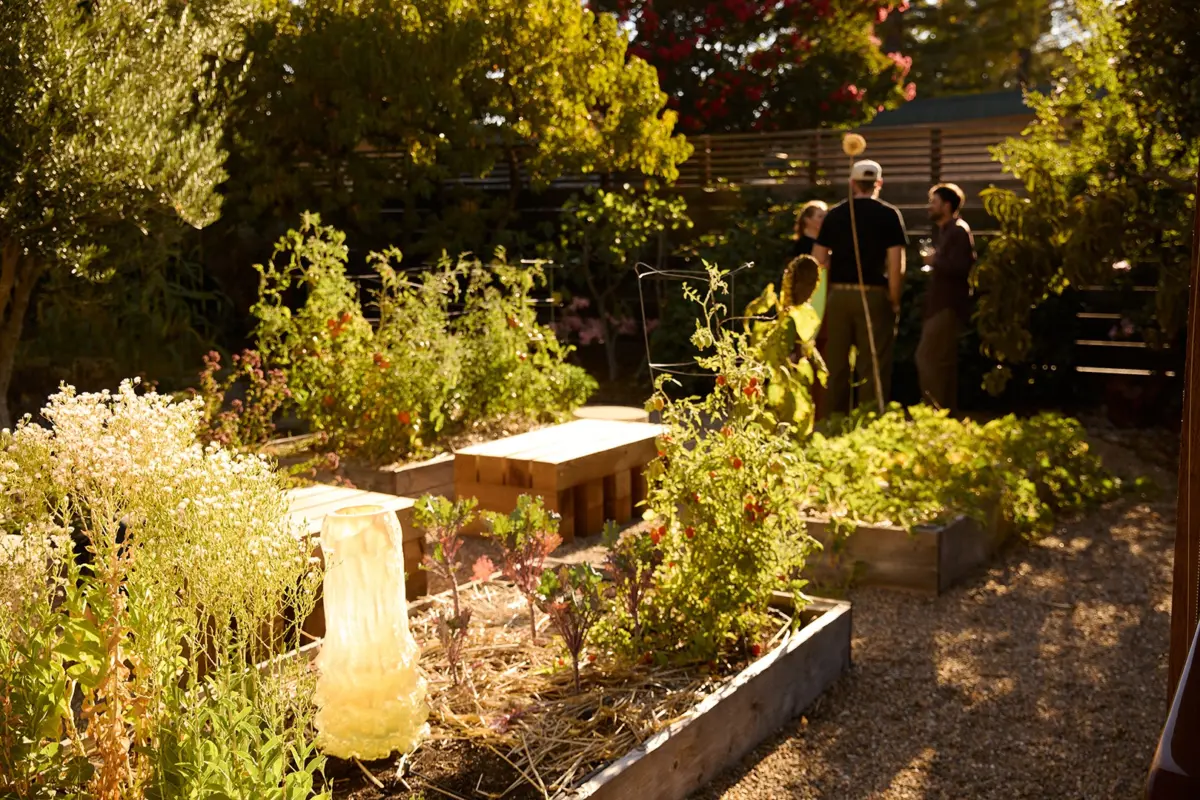
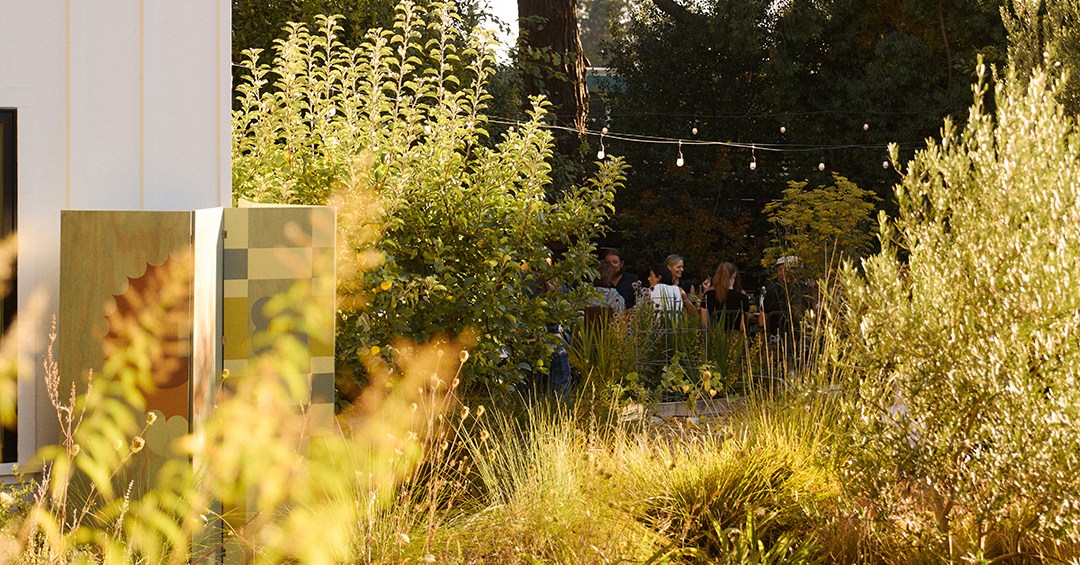
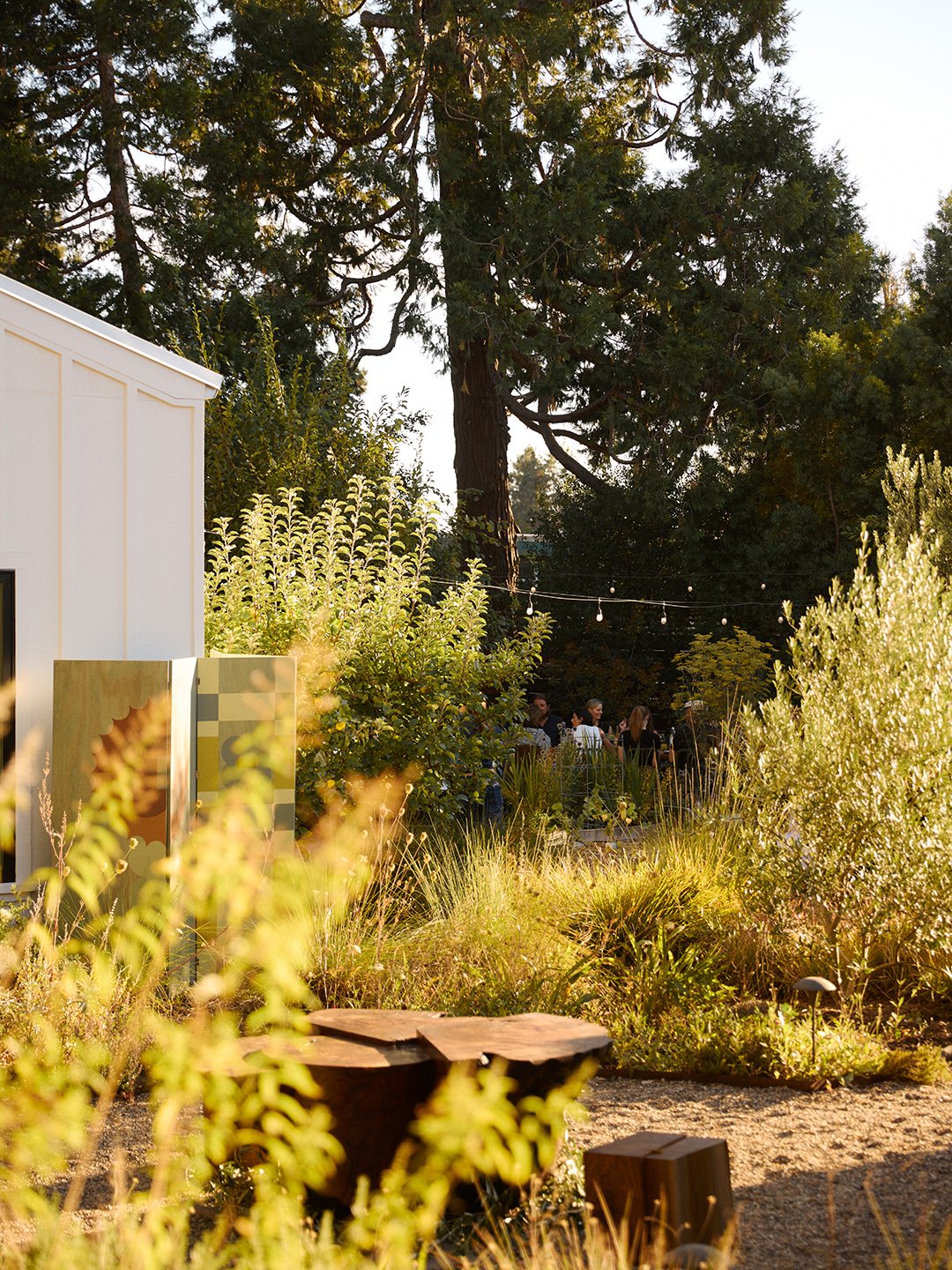
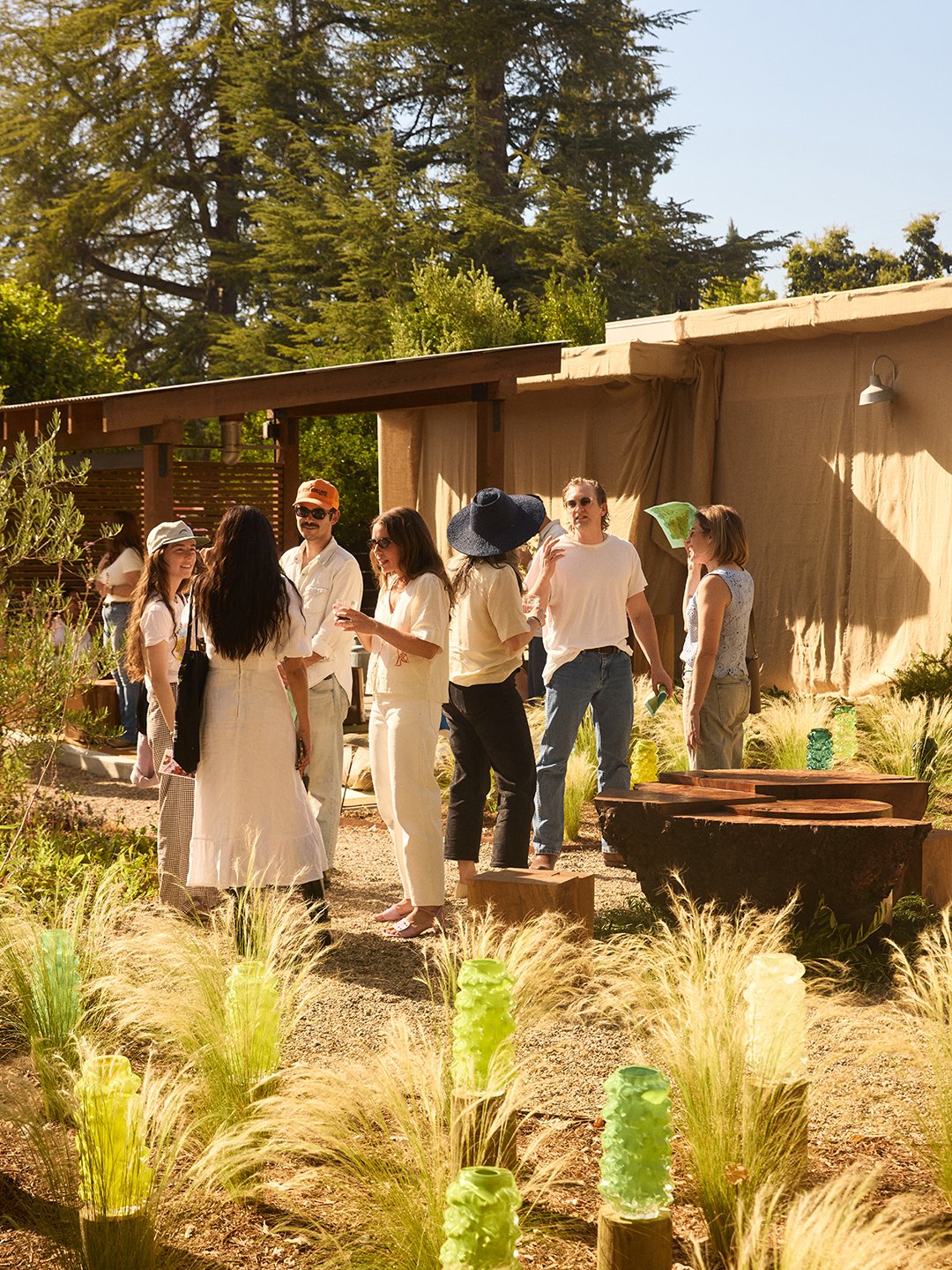
For the project, Giesenhagen invited a curated selection of California-based artists and designers to create brand-new works specifically in response to the unique ecosystem of her Sonoma garden. The resulting exhibition showcased pieces from notable creators, including items from 2026 Good Design Award winners such as Sun Set Furniture, Gantri, and Orca. To celebrate the official opening of Verdant Phenomena, Giesenhagen and her partner, John Umbanhowar, hosted an intimate, dreamlike dinner party staged directly among the art objects displayed throughout the landscape.
The gathering was more than a celebratory reception; it was an exploration of how outdoor entertaining can be approached through a lens of artistic intention, sensory grounding, and tactile connection. Reflecting on the philosophy behind the evening, Giesenhagen offered a detailed look into the thoughtful curation, design choices, and personal touches that defined the al fresco soiree.
Among the most distinct choices of the evening was the deliberate absence of conventional elevated seating. Rather than relying on standard chairs with traditional seat heights, Giesenhagen made a compelling case for utilizing high-end rugs as the primary foundation for gathering and sitting. In her view, lowering the vantage point fundamentally alters interpersonal dynamics and personal perspective in a way that standard furniture cannot replicate. Being low to the ground, she notes, encourages a distinct physical relaxation, often directly tied to the uninhibited wonder of childhood, where the surrounding world feels vast, awe-inspiring, and immediate.
To achieve this grounded atmosphere, the gathering incorporated statement rugs from renowned makers. Among her current favorites are pieces from Nomadory, with whom she has ongoing collaborations, alongside the gorgeous, natural neutrals produced by Armadillo. For bolder expressions, she highlighted works like the striking Psychedahlia rug designed by Rachel Shillander for Marc Phillips, which introduces an over-the-top visual layer to the natural terrain.
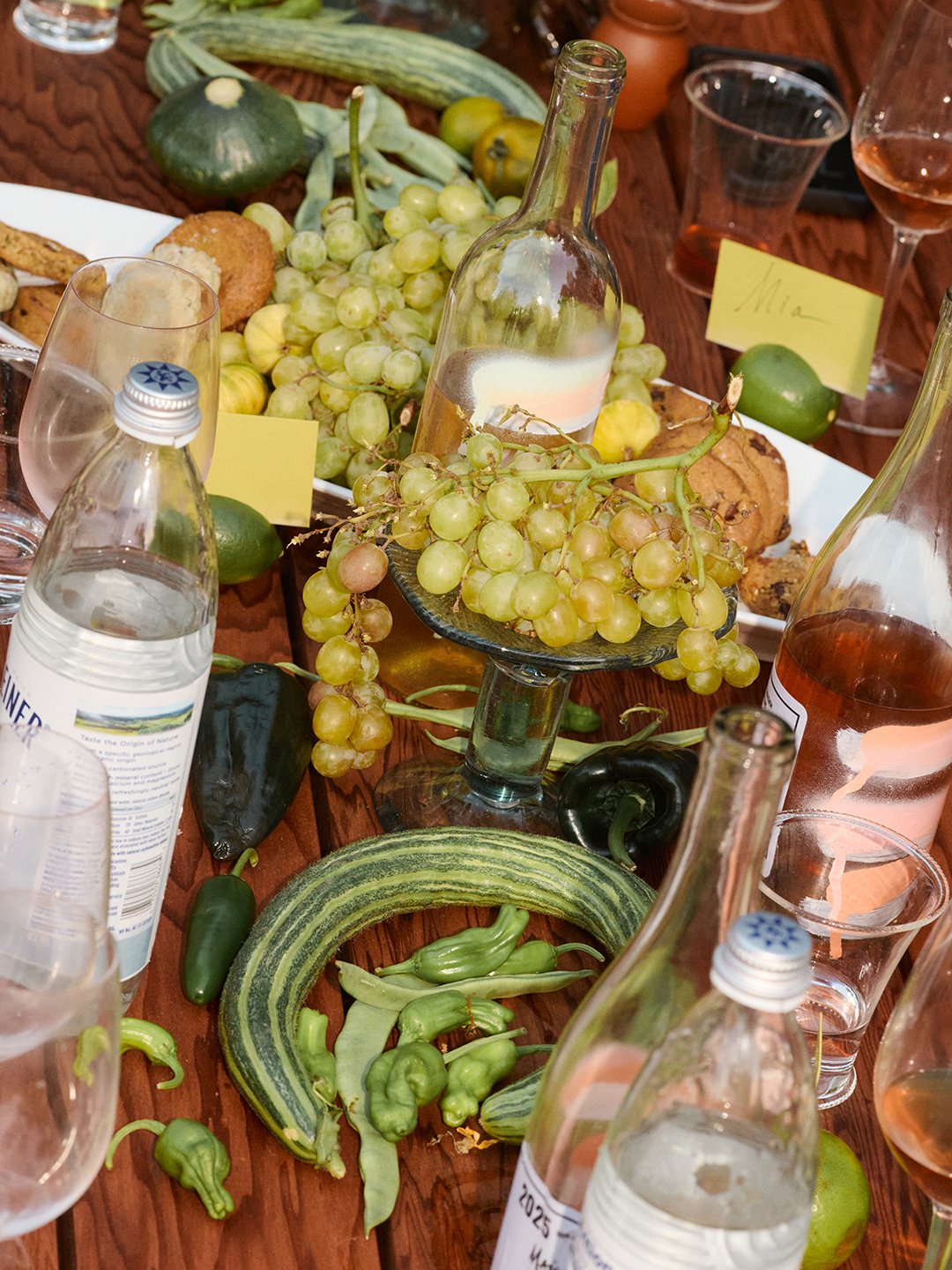
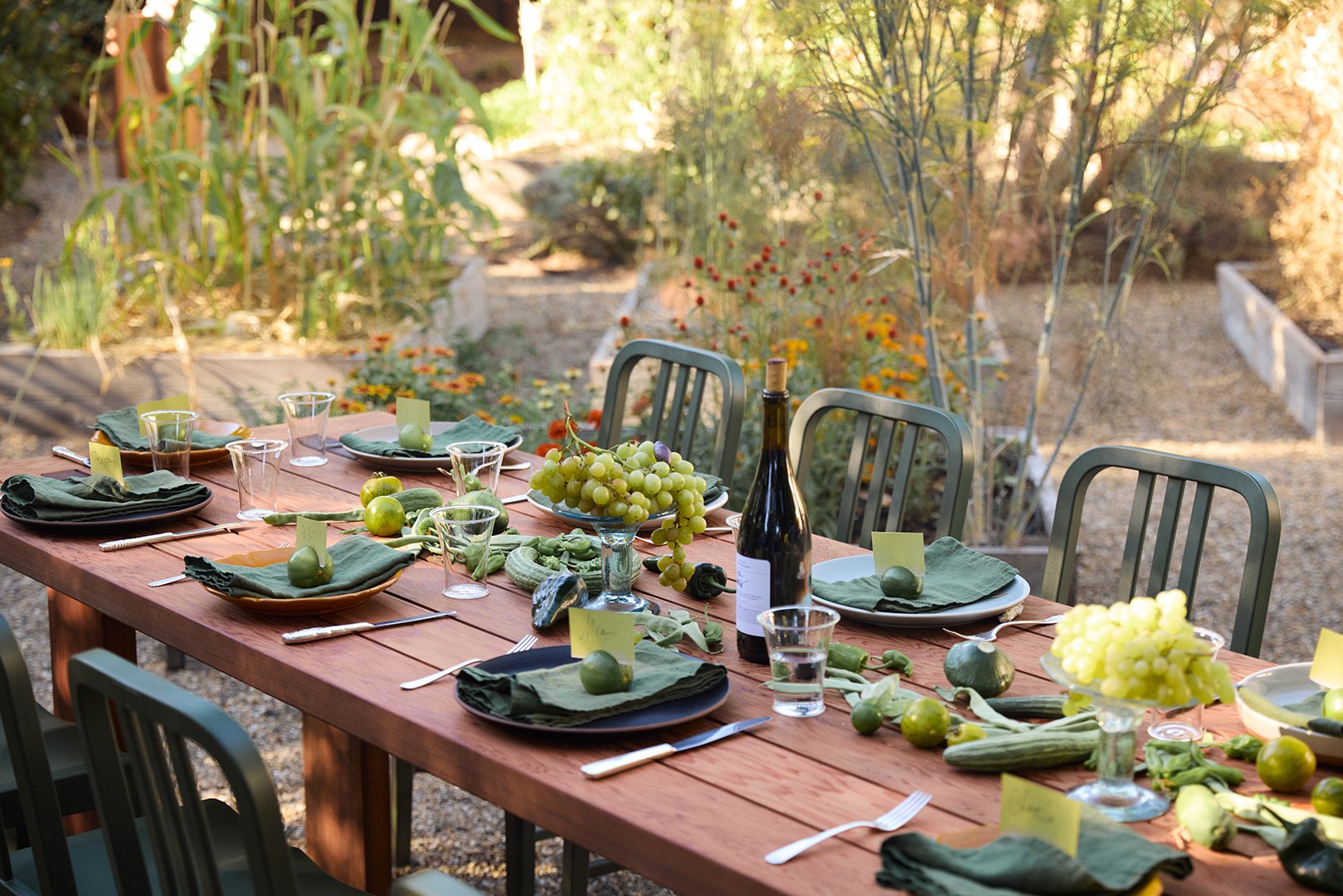
The dining experience itself was anchored by an innovative approach to botanical styling. Rather than depending on traditional, static floral arrangements, Giesenhagen advocates for building dynamic, edible centerpieces that reflect the surrounding harvest. Her process begins with establishing a clear color palette before surveying what is genuinely available in the local landscape. She treats these organic arrangements with the same rigor as any interior design composition. If the immediate environment lacks sufficient elements within the chosen palette, she pivots rather than forcing an unnatural look. To source these materials, she collaborates with local farmers markets, independent flower growers, and produce stands, as well as foraging partners willing to explore local fields, weeds, and wild trees.
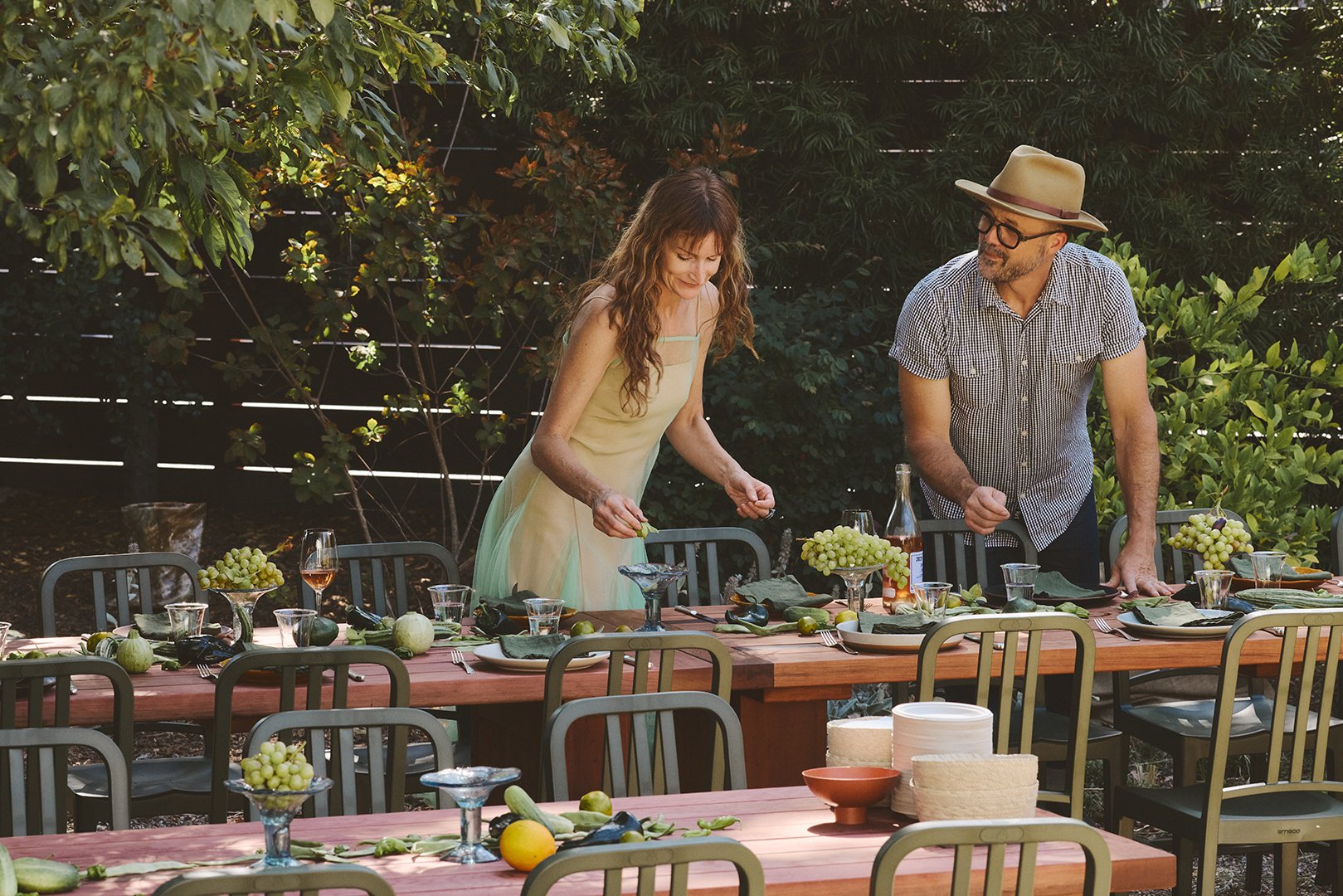
This commitment to authenticity extends directly to the table settings. Giesenhagen almost always skips traditional tablecloths, operating on the belief that covering a well-crafted table would hide its inherent beauty. Instead, the focus shifts to tactile table linens, favoring washed linen napkins such as those from Bed Threads, which offer a versatile palette of colors suitable for any gathering. Her ultimate fantasy in this arena involves designing seasonal custom napkins created in ongoing collaborations with various artists.
When hosting outdoors, pragmatic details are handled with equal creativity. In situations where conventional place card holders are absent, Giesenhagen looks to organic and unexpected substitutes. For the Sonoma exhibition dinner, the team utilized fresh limes and considered industrial aluminum plant labels to mark seating assignments. In a pinch, simple folded cardstock inscribed by someone with legible and striking handwriting serves the purpose just as well.
These micro-details tie into Giesenhagen’s broader perspective on collectible design. She maintains that collectible objects, art, and thoughtfully curated environments serve as reflections of human identity, capturing aspirations, memories, hopes, fears, and future uncertainties. Unlike items designed purely for basic function, collectible design fosters deeper personal connections by engaging directly with an individual’s point of view and values.
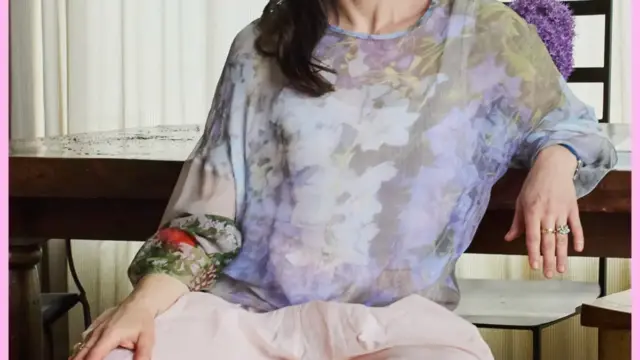
The aesthetic of the evening extended naturally to the attire of the host. Set against the rustic backdrop of Northern California, outdoor entertaining requires a thoughtful balance of layering and practical footwear capable of navigating gravel and dust. For the opening event, Giesenhagen collaborated with her close friend, designer Rachel Beth Anderson, who curated the final look utilizing a mix of Giesenhagen’s wardrobe options and Anderson’s deep vintage collection amassed in Brooklyn over the past fifteen years. The resulting ensemble featured a sheer celadon dress by Kamperett layered over a nude slip, paired with a vintage leather jacket, light tan ostrich cowboy boots, and vintage statement jewelry.
Beverages served during the evening emphasized local and garden-fresh ingredients. The self-serve bar featured sparkling and still water infused with fresh aromatics and herbs—including basil, thyme, and sage—harvested directly from the property. An appointed cart held a curated selection of mezcals, highlighting offerings from brands like Bozal. Meanwhile, the wine pairings focused strictly on regional producers, pouring selections from Sonoma-based labels such as Maison Des Plaisances, Martha Stoumen, and Scribe Winery.
The table settings further emphasized the blend of the historic and the contemporary, utilizing a mix of vintage pieces and modern creations designed to gather new meaning over time. Among these are whimsical app plates from Good Connection that mimic the appearance of paper plates, alongside similar designs by Virginia Sin, which the household uses daily for casual snacks, toast, and desserts.
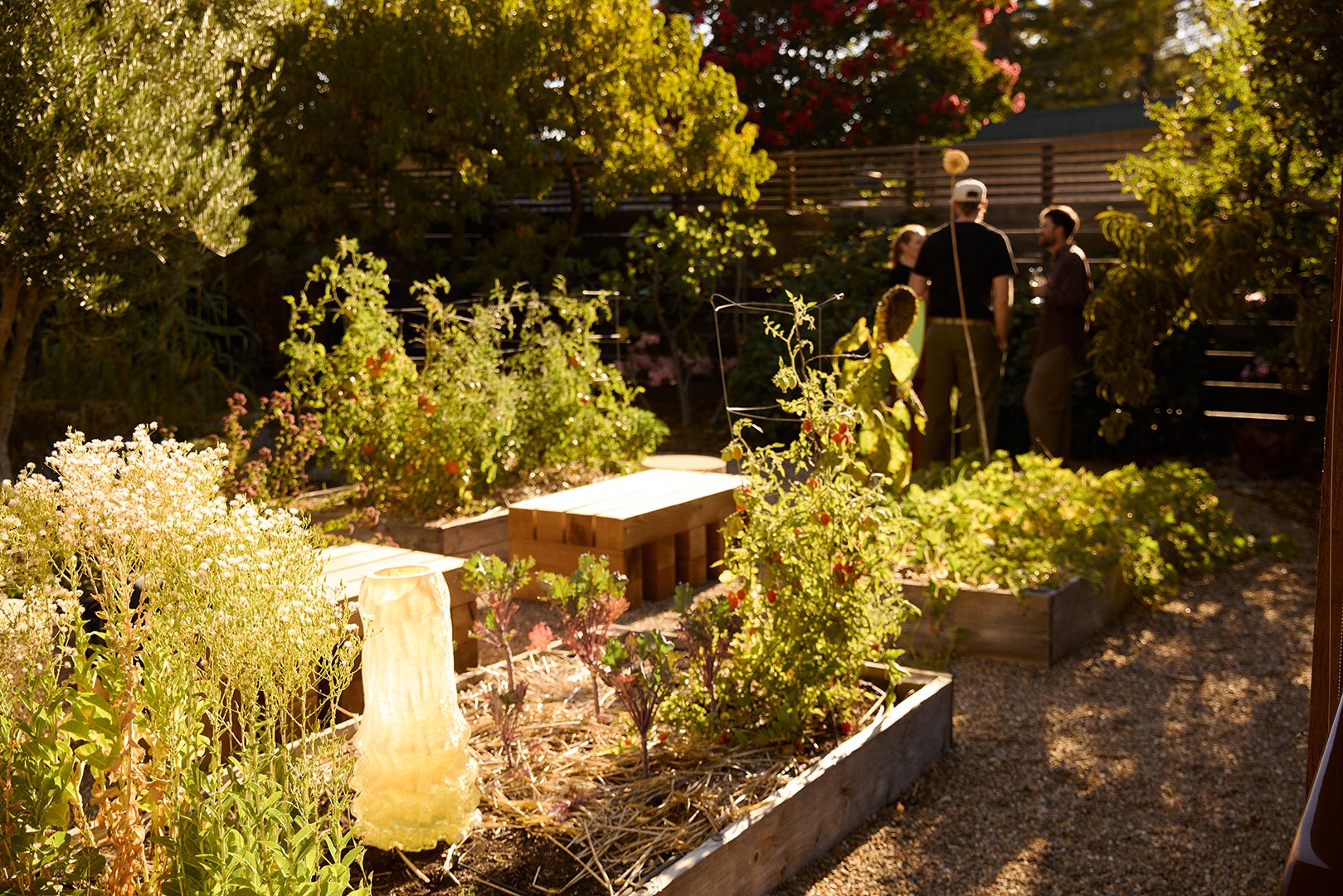
The surrounding cutting garden, managed entirely by Giesenhagen’s partner John Umbanhowar, provided the organic raw materials for the event’s ambiance. The garden yields a shifting seasonal array of flowers and culinary aromatics, including shiso, French tarragon, thistle, orange gladiolas, dahlias, hellebores, coneflowers, zinnias, lemon balm, lavender, lemon verbena, alliums, various mints, and multicolored yarrow.
The evening ultimately concluded with an impromptu conversation sparked by a winemaker who presented a natural rosé made partly with Sauvignon Blanc, featuring a hand-painted label. After reading a poem about peaches, the winemaker posed a simple question to the assembled table: What should this wine be named? The ensuing debate among guests ranged from whimsical suggestions like "Peach Fuzz Lip" to the unexpectedly philosophical "Trust Fall," leaving the bottle quickly consumed while the name remained delightfully undecided under the Sonoma evening sky.