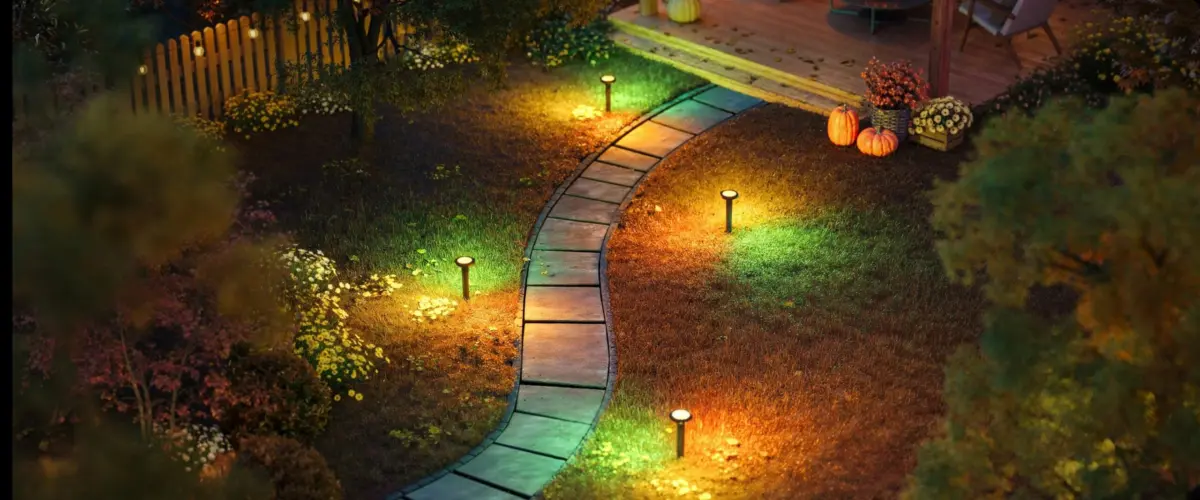
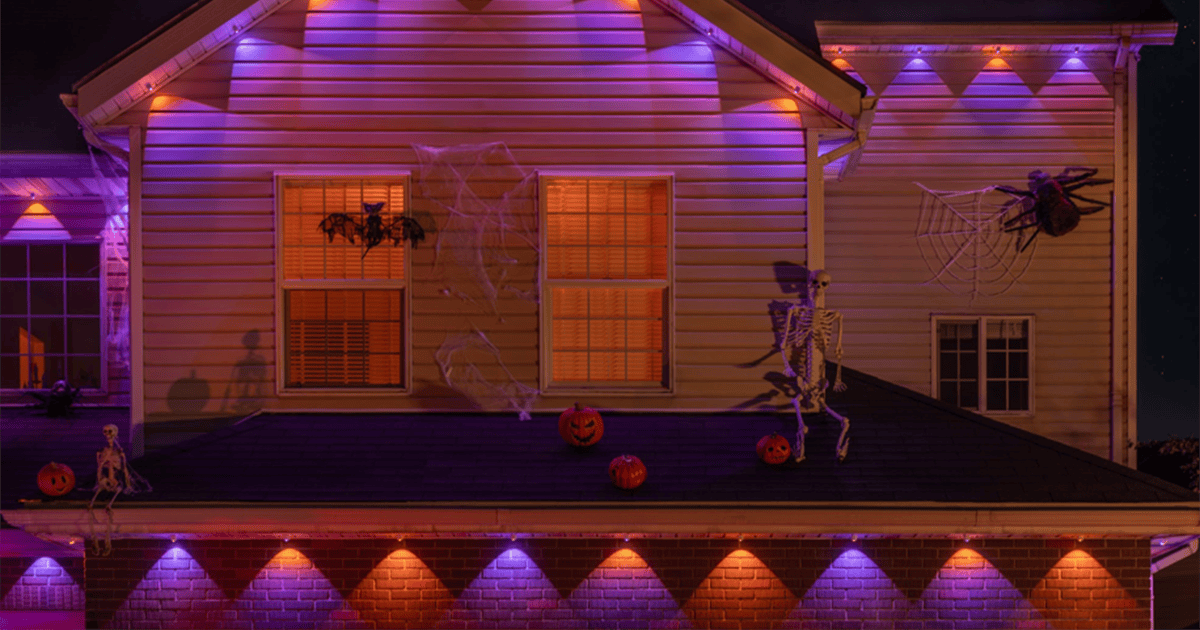
This autumn, the iconic Buffy the Vampire Slayer star teamed up with Govee, recognized as the leading outdoor lighting brand in the United States, to demonstrate how homeowners can completely redefine their residential facades with spooky yet sophisticated transformations. Rather than relying on traditional lawn ornaments and cumbersome yard displays, Gellar’s approach utilizes smart illumination to alter the entire mood of a property after dark. The collaboration showcases a wide array of advanced lighting solutions, ranging from versatile string lights and prismatic pathway lamps to sculptural wall fixtures and dramatic facade illumination, giving residents the tools to craft cinematic environments with limitless customization.
The core of this modern design philosophy centers on accessibility and personalization. Modern smart lighting ecosystems allow users to move far beyond static bulbs by integrating responsive features that can sync directly with audio. Whether a household is cueing up classic Halloween novelty tracks like the "Monster Mash" or playing ambient atmospheric sounds for trick-or-treaters, the technology turns an ordinary exterior into an active, breathing part of the celebration.
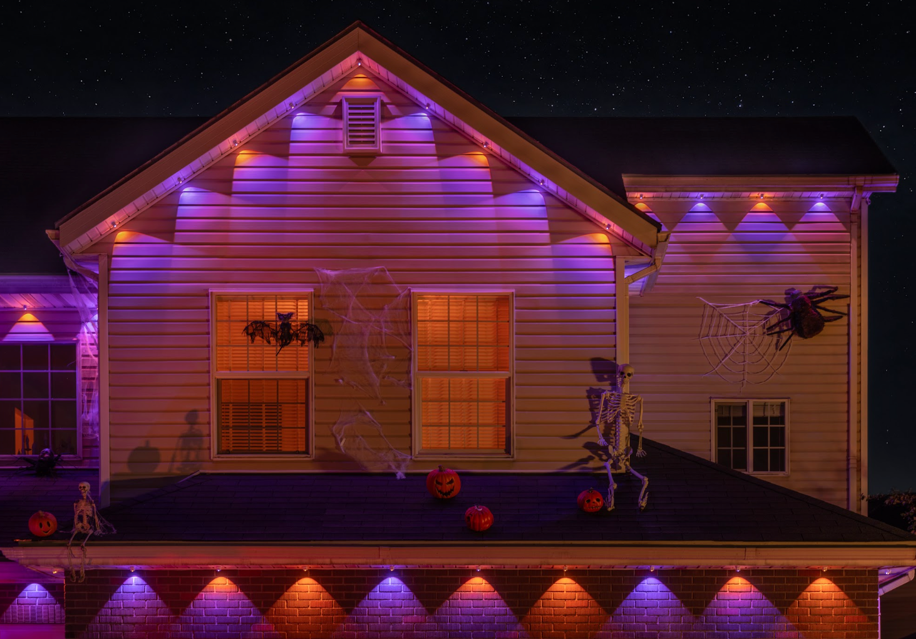
To achieve this level of after-dark drama, Gellar relies on a strategic framework that blends cinematic principles with practical home styling. Rather than blanketing an entire property in aggressive illumination, the methodology begins with defining a distinct atmospheric vision. Before choosing specific colors or hardware, homeowners are encouraged to establish the precise emotional tone they want to convey, balancing moody and mysterious aesthetics with more welcoming, family-friendly designs. For those who have a general concept in mind—such as a chic Halloween full moon or a classic gothic haunted house—tools like Govee’s AI Lighting Bot 2.0 integrated within the Govee Home app can assist in generating tailored lighting concepts based on simple text prompts.
A fundamental pillar of this design approach is the intentional use of shadow. Professional film sets and theatrical stages often rely just as much on what is obscured as what is illuminated to build tension and intrigue. Translating this to residential architecture involves selecting a single focal point, such as a mature tree or a prominent architectural window, while intentionally leaving surrounding areas in darkness. This contrast generates a striking cinematic effect that feels cohesive rather than chaotic.
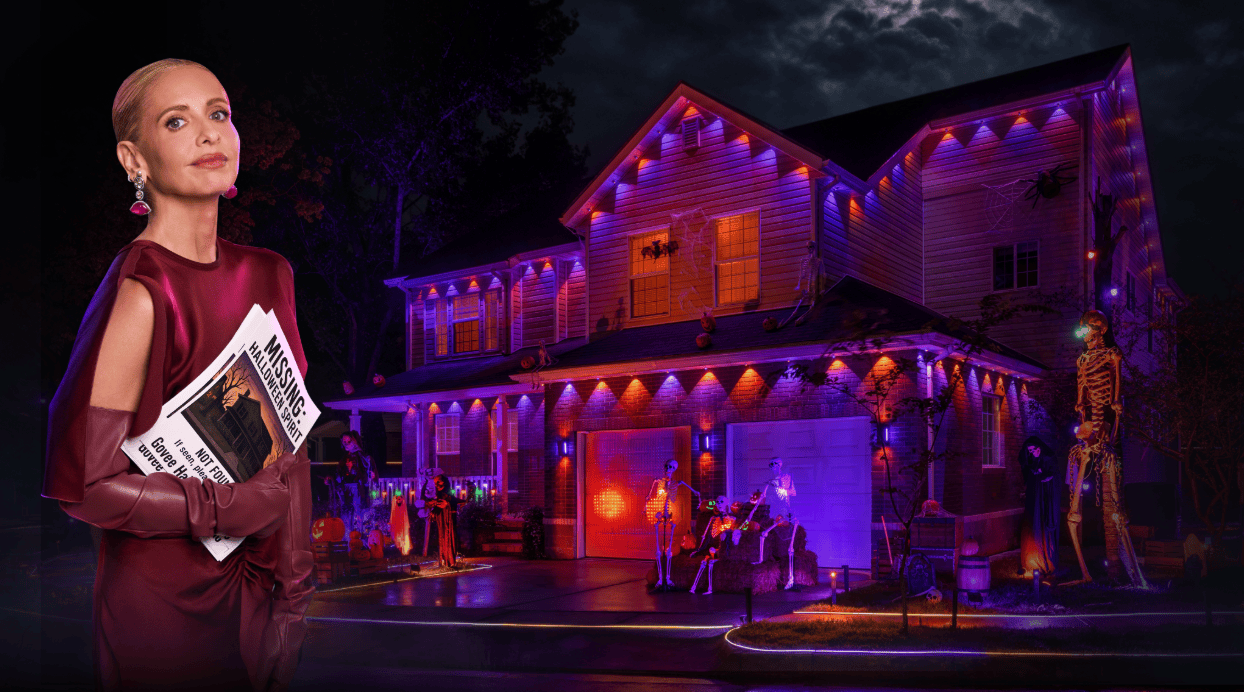
At the same time, striking the right balance between theatrical spookiness and hospitality is essential for any successful seasonal display. A truly effective holiday setup must captivate onlookers from the street without genuinely intimidating visiting children or neighborhood families. Gellar’s technique involves layering deeper, more dramatic colors across the broader home exterior and yard while reserving warmer, inviting accents for the front door and entryway steps.
When establishing the visual palette, simplicity remains a guiding principle. Whether a homeowner leans toward ghoulish greens, harvest oranges, or stark moonlit whites, restricting the color story prevents the exterior from looking cluttered or overwhelming. A balanced approach typically utilizes a primary base color to set the overarching mood, a contrasting accent tone to highlight specific architectural features or landscaping elements, and a warmer welcome hue to frame the front entrance. Consideration must also be given to the natural building materials of the house—whether brick, stone, stucco, or surrounding foliage—since different textures absorb and reflect colored light in unique ways.
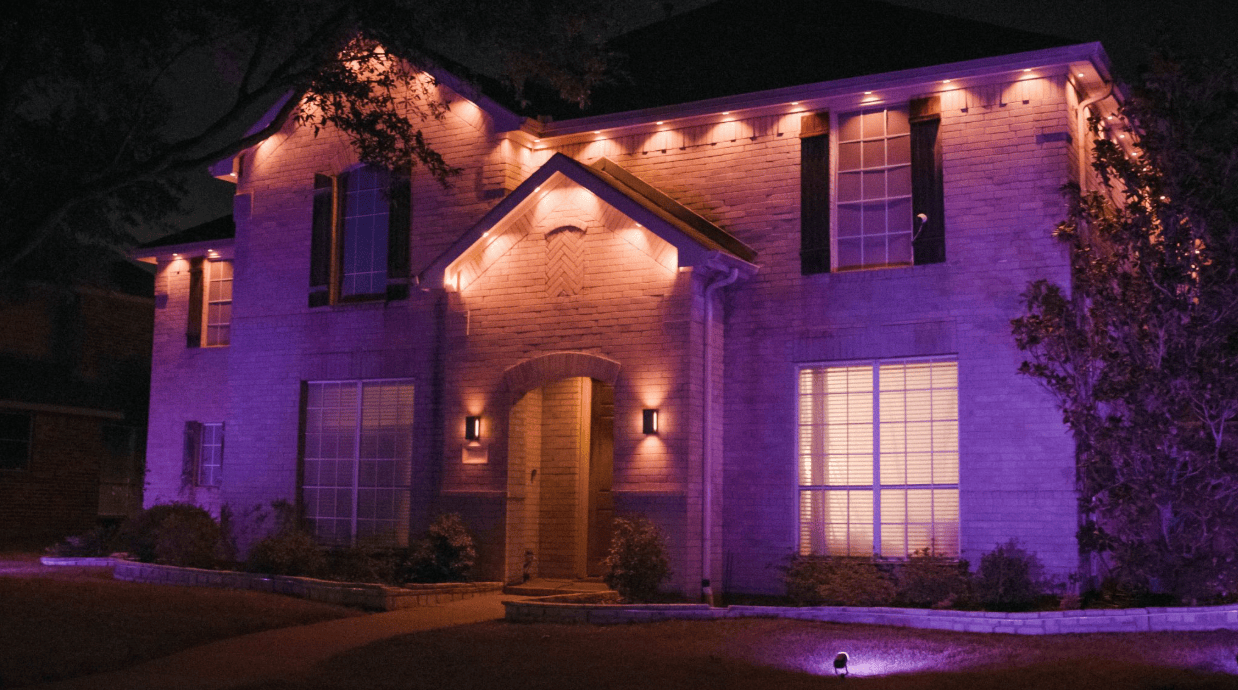
Layering different types of illumination is another vital element in achieving depth and dimension. Permanent lighting installed along the roofline can cleanly define a home’s structural silhouette, while string lights extend that atmosphere toward porches and open gathering spaces. Meanwhile, low-level accent lighting positioned carefully along walkways introduces movement and helps guide visitors smoothly through the space. Advanced software ecosystems, such as Govee’s DreamView feature, allow users to synchronize multiple lighting zones across both the interior and exterior of a property for a completely unified visual experience.
Perhaps the most significant advantage of transitioning toward smart architectural lighting is its longevity and adaptability. Traditional holiday decor is inherently fleeting, demanding hours of labor to install for a few weeks before requiring an equally tedious teardown and storage process. In contrast, permanent and semi-permanent smart outdoor lighting systems are engineered to remain in place year-round. Once the autumn celebrations conclude, vibrant holiday hues can instantly shift back to subtle, sophisticated everyday illumination suited for routine evening ambiance, backyard entertaining, open-air dining, and subtle neighborhood curb appeal.
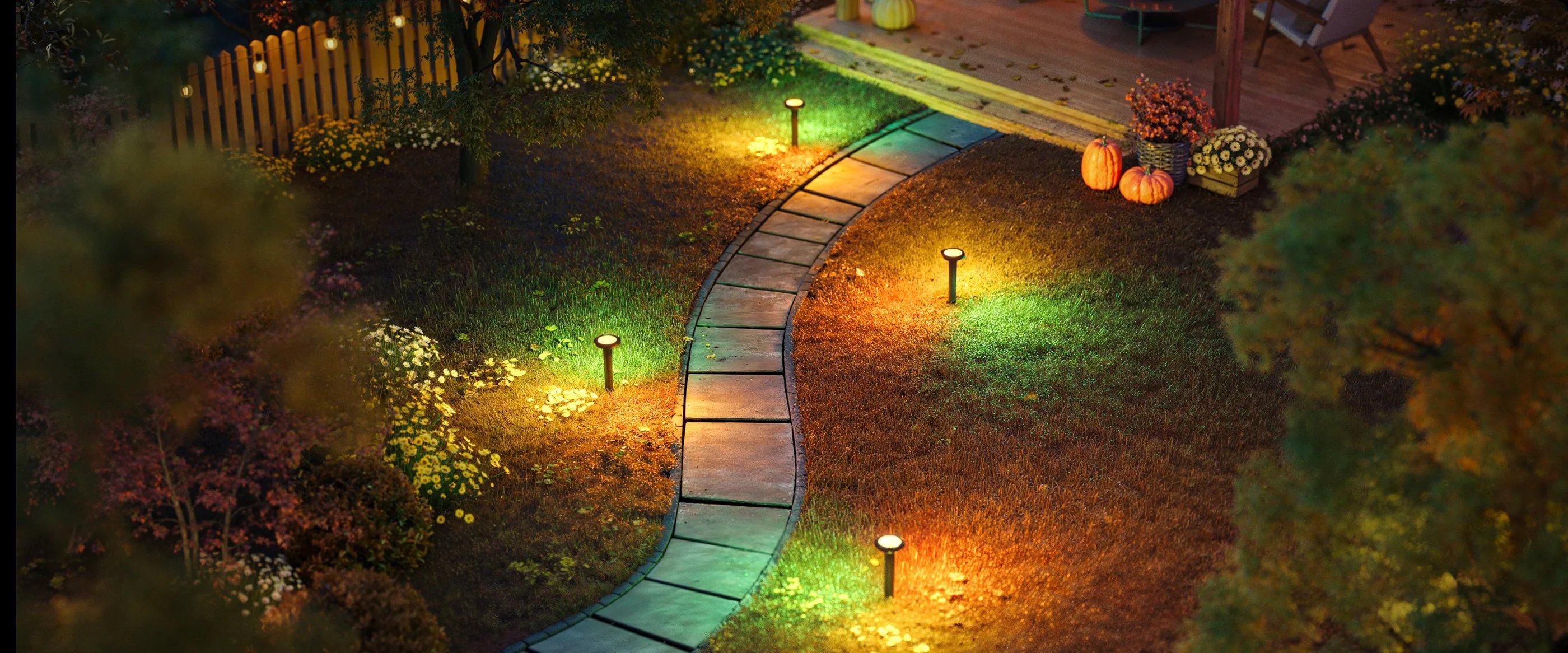
By shifting between soft white tones for everyday use, vibrant celebration palettes for seasonal holidays, and warm, intimate lighting for social gatherings, homeowners can maintain a dynamic exterior aesthetic across every season. The current product lineup supporting these installations includes advanced hardware options designed to cater to various architectural needs. The Govee Permanent Outdoor Lights 2 Pro, currently featured at a promotional price of $640 down from its standard $800, provides robust, weather-resistant roofline coverage capable of complex color displays. For ground-level integration, the Outdoor Pathway Lights 2 Lite are available for $170, offering sleek, prismatic illumination for walkways and gardens. Additionally, the Outdoor Chromatic String Lights, priced at $300, and the Outdoor UpDown Wall Light, discounted to $207 from $230, offer targeted versatility for patios, porches, and exterior walls, ensuring that residential exteriors can remain brilliantly illuminated through every phase of the calendar year.