
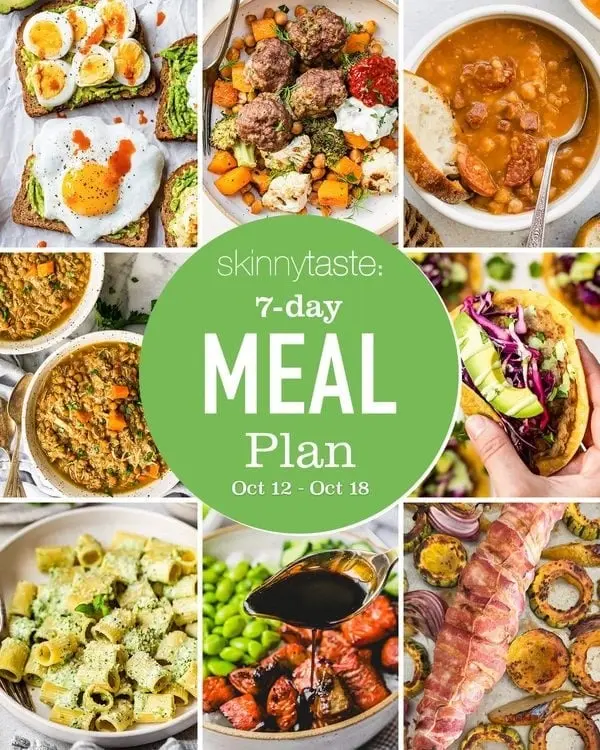
Central to this seasonal transition is the strategic integration of autumn produce, particularly pumpkin, alongside high-protein, nutrient-dense ingredients. A comprehensive weeklong meal framework demonstrates how structured culinary schedules can offer a flexible, budget-friendly path toward healthy eating. By pairing batch-cooked components with seasonal produce and structured grocery lists, modern meal planning serves as both a nutritional roadmap and an economic safeguard.
Harnessing Autumn Produce for Optimal Nutrition
October brings a shift in produce availability, marking the peak season for autumn staples that offer substantial health benefits. Pumpkin, often associated primarily with seasonal treats, serves as a nutritional cornerstone in autumn meal planning. Rich in essential micronutrients, pumpkin provides a high concentration of beta-carotene, vitamin A, potassium, fiber, and powerful antioxidants. These nutrients support immune function, digestive health, and cellular protection during the cooler months.
The versatility of autumn squashes and roots allows them to feature prominently across both savory and sweet applications. Culinary applications range from comforting warm entrees, such as Roasted Pumpkin Sage Soup and hearty Beef Stew on Pumpkin, to versatile snacks and breakfasts like low-fat Pumpkin Bread topped with pepitas or a party-ready Pumpkin Pie Dip served directly inside a hollowed-out pumpkin.
Incorporating these nutrient-rich foods into daily eating routines provides a natural way to maintain nutritional density while celebrating seasonal flavors. When combined with balanced macros and tracked Weight Watchers points, seasonal eating becomes an accessible tool for long-term weight management.
Balancing Household Budgets Amid Rising Food Costs
Beyond individual health goals, structured meal planning has emerged as an essential financial tactic in response to soaring grocery costs. Unplanned food purchases and frequent restaurant dining remain two of the largest drivers of elevated household food expenditures. By contrast, adhering to a pre-planned weekly menu supported by a precise, organized grocery list reduces food waste, prevents unnecessary spending on duplicate ingredients, and ensures every purchased item serves a specific purpose.
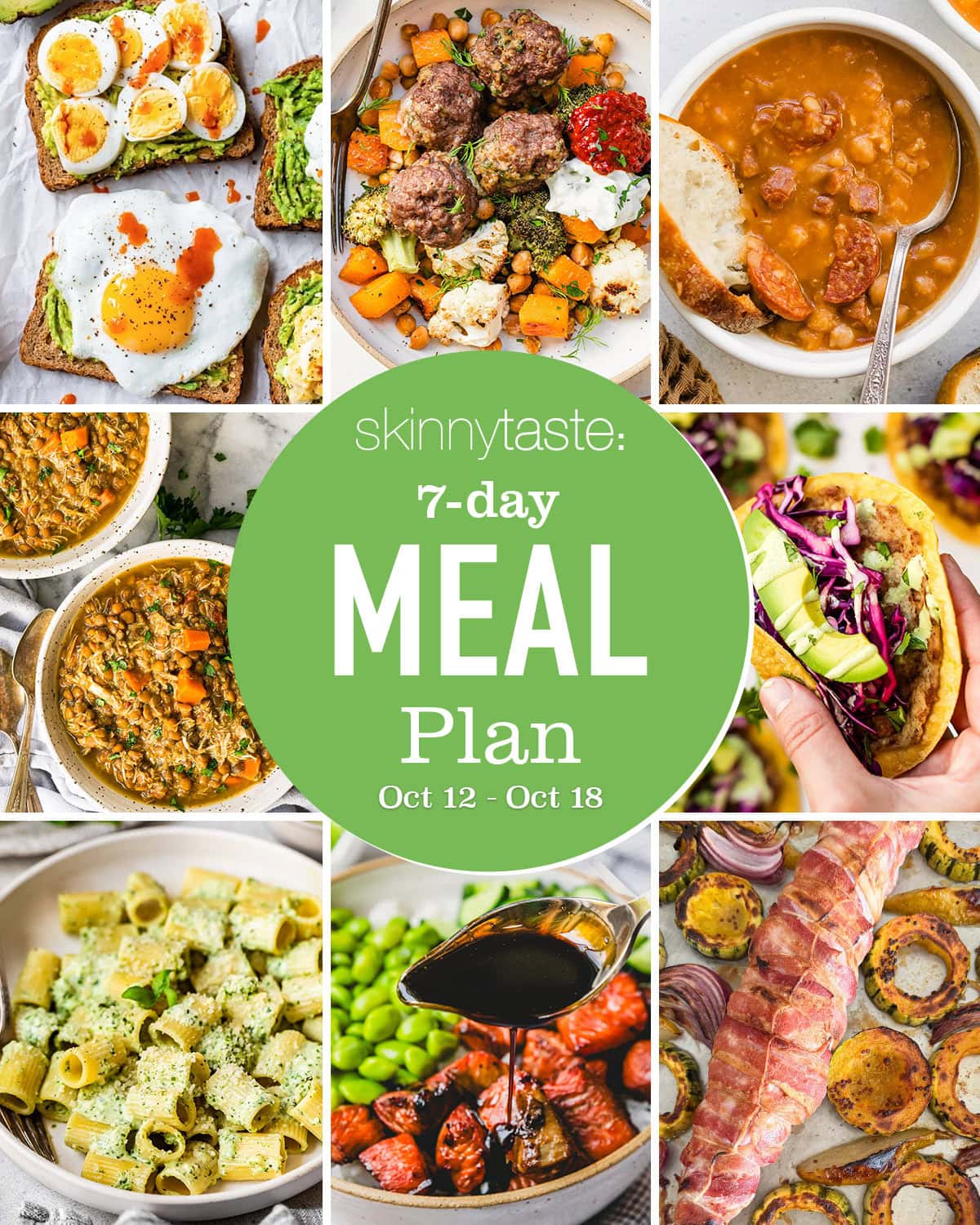
To assist consumers seeking maximum cost efficiency, specialized digital resources such as Relish+ provide targeted budget-friendly meal plans. These frameworks prioritize cost-effective staple ingredients—such as legumes, seasonal root vegetables, and versatile lean proteins—that can be repurposed across multiple meals throughout the week.
Furthermore, utilizing comprehensive shopping lists categorized by grocery aisle—spanning produce, meat and poultry, condiments, dairy, grains, canned goods, and dry goods—streamlines the shopping process. This methodical approach saves both time and financial resources, enabling households to maintain high-quality nutritional standards despite economic pressures.
Ultimate Skinnytaste Meal Planner
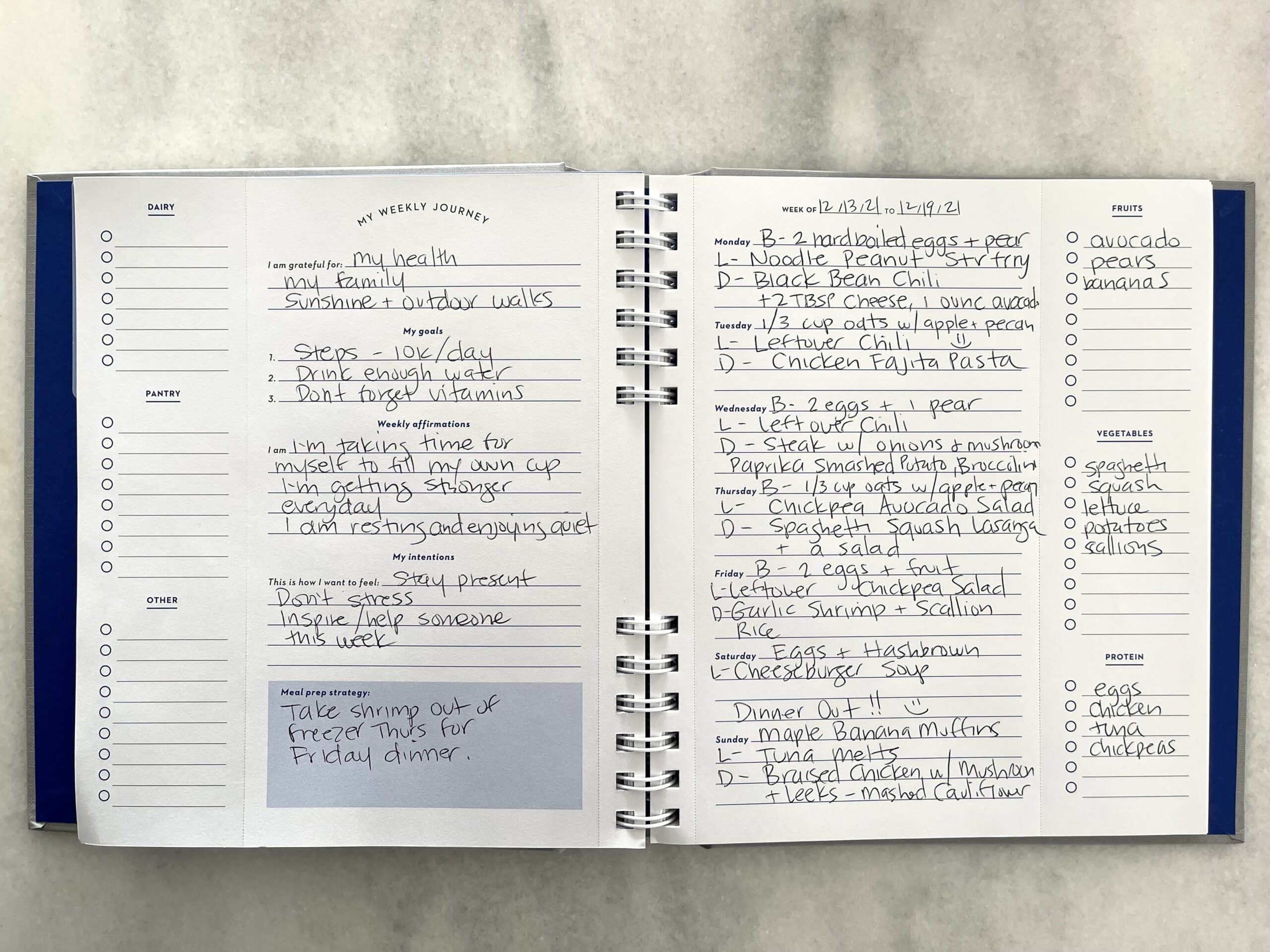
To support consistent organization, physical tools like the Skinnytaste Ultimate Meal Planner offer a tangible framework for long-term habit formation. Featuring a 52-week spiral-bound layout, the planner includes tear-out weekly planning grids suitable for display on household refrigerators, a dedicated 12-week structured meal plan, 30 balanced recipes (including 15 exclusive additions), and removable grocery lists.
Recognizing that successful health journeys involve mental well-being alongside physical nutrition, the planner incorporates dedicated spaces for morning gratitude, positive affirmations, and intentional goal setting. This holistic design reflects a growing trend in wellness tools that merge practical kitchen management with psychological encouragement.
The Flexible Calorie Framework: Personalized Weight Management
A critical component of modern meal planning is flexibility. Standardized, overly restrictive diets frequently fail because they do not accommodate individual lifestyle variations, daily energy expenditures, or personal preferences. The highlighted seven-day meal schedule establishes a foundational target of roughly 1,500 calories per day for adult women, derived from individual personal metrics such as age, current weight, activity levels, and personal health targets.
The base menu structures daily intakes between 1,100 and 1,230 calories, deliberately leaving a flexible calorie buffer. This "wiggle room" allows individuals to customize their day with extra snacks, morning coffees, fresh fruit, evening desserts, or a glass of wine without disrupting their overarching weight management goals.

To maximize efficiency, the meal plan organizes weekday breakfasts and lunches for individual servings, while evening dinners and weekend meals are calibrated to serve a family of four. Leftovers are intentionally built into the schedule, serving as subsequent lunches or quick dinners to save time and effort during busy workdays.
The Weekly Meal Plan: A Day-by-Day Seasonal Breakdown
The featured seven-day meal plan demonstrates how seasonal ingredients, prep efficiency, and balanced macronutrients assemble into a cohesive weekly schedule.
Monday
The week begins with a focus on simplicity and nutrient-dense fats. Breakfast features an Avocado Toast topped with a sunny-side-up egg, offering healthy fats and protein to sustain morning energy. Lunch utilizes a double portion of Cranberry Chicken Salad served over crisp apple slices, providing a refreshing blend of lean protein and autumn fruit. Dinner introduces a comforting yet lightened-up pasta dish: Creamy Pesto Pasta enriched with protein-rich cottage cheese, served alongside roasted Parmesan Zucchini. The total baseline intake for Monday comes to 1,116 calories.
Tuesday
Tuesday’s breakfast highlights an Air Fryer Breakfast Banana Split, transforming fruit and light toppings into a warm morning option. Lunch repeats the satisfying Cranberry Chicken Salad on apple slices, maximizing prepped ingredients from earlier in the week. Dinner features high-flavor Mexican-inspired fare with Chicken Smash Tacos drizzled with a Creamy Jalapeño Sauce, accompanied by low-carb Cilantro Lime Cauliflower Rice. The baseline total for Tuesday reaches 1,232 calories.
Wednesday
Midweek nutrition focuses on plant-forward ingredients and high protein efficiency. Wednesday starts with a High Protein Zucchini Omelet tailored for one. Lunch concludes the remaining batch of Cranberry Chicken Salad on apple slices. For dinner, the menu leverages quick-pressure cooking with an Instant Pot Spanish Garbanzo Stew, a hearty legume dish packed with fiber and plant-based protein. The baseline caloric total for Wednesday is 1,125 calories.
Thursday
Thursday leverages batch cooking to reduce prep time late in the workweek. Breakfast repeats the popular Air Fryer Breakfast Banana Split. Lunch consists of leftover Instant Pot Spanish Garbanzo Stew, which often enhances in flavor after sitting overnight. Dinner keeps kitchen cleanup minimal with a colorful Sheet Pan Meatballs dish, combined with roasted chickpeas, cauliflower, and sweet butternut squash. The baseline caloric target stands at 1,179 calories.
Friday
Friday balances routine with a fresh weekend transition. Breakfast returns to the classic Avocado Toast with a sunny-side-up egg. Lunch utilizes the final portion of the leftover Spanish Garbanzo Stew. Dinner elevates Friday night dining with double-portion Teriyaki Salmon Bowls, featuring heart-healthy omega-3 fatty acids cooked in the air fryer or oven. The baseline for Friday totals 1,123 calories.
Saturday
Saturdays are structured to allow maximum lifestyle flexibility and social engagement. The day opens with warm Pumpkin Pancake Muffins, celebrating seasonal flavors for a weekend breakfast. Lunch features a comforting Slow Cooker Chicken and Lentil Soup, cooked hands-free throughout the morning. Dinner is intentionally left open for dining out, allowing individuals to socialize or enjoy a night off from cooking while using their accumulated calorie buffers. The structured home meals for Saturday total 594 baseline calories before accounting for the restaurant dinner.
Sunday
The week concludes with a focus on hearty comfort foods and prep for the week ahead. Sunday breakfast features Savory Steel Cut Oats prepared as a four-serving batch to feed the household. Lunch utilizes leftover Slow Cooker Chicken and Lentil Soup from Saturday. The weekend finishes with an elegant dinner of Bacon-Wrapped Pork Tenderloin paired with a refreshing Raw Shredded Brussels Sprouts salad tossed with lemon juice and olive oil. Sunday’s structured meals yield a baseline of 1,104 calories.
Peer Support and Digital Meal Planning Resources
Sustaining healthy habits over the long term depends heavily on community engagement and accessible digital organization tools. Interactive online spaces, such as dedicated Facebook communities, allow thousands of home cooks to share recipe photos, swap ingredient substitutions, and offer mutual encouragement.
Additionally, modern home cooks increasingly rely on digital integrations like customizable Google Docs and automated shopping lists to adapt menus to gluten-free, dairy-free, or specific dietary needs. By pairing structured weekly menus with supportive digital networks and physical planning tools, individuals can comfortably manage their health goals, keep food costs under control, and enjoy rich seasonal cuisine throughout the autumn months.