

Public discourse surrounding early retirement typically focuses on the extraordinary upsides. Having the absolute freedom to raise a child from birth through early adulthood without professional compromises represents a life-altering privilege. For decades, the author has championed this lifestyle, dedicating thousands of hours to family, health, friendships, outdoor adventures, construction projects, and writing. Yet, underneath this idyllic surface lies a subtle, paradoxical flaw inherent to total autonomy: never having to do anything one does not explicitly want to do.
To most observers, the combination of complete freedom and financial stability sounds like an unmitigated dream—a continuous playground of self-actualization. However, reality proves more complex. Freedom and money act as amplifiers, revealing an individual’s true strengths and weaknesses. The resulting spectrum of human behavior under complete autonomy ranges from unchecked stagnation and hedonism on the couch to ambitious philanthropic endeavors, such as creating and managing nonprofit foundations dedicated to medical research and clean energy.
For the first decade of his early retirement, the author found a natural equilibrium. Between the intensive demands of active parenting, residential construction and restoration projects, travel, and content creation, days were filled with purpose. In recent years, however, a noticeable deceleration occurred. Wrangling focus and discipline to maintain that output became increasingly difficult. Instead of engaging with construction sites or plunging into focused writing sessions, afternoons increasingly drifted toward the couch, digital distractions, and a lingering wish for the energy and drive required for more fulfilling pursuits.
Recognizing this decline, the author initially turned to health and wellness literature, studying strategies to boost energy, focus, and motivation. While these investigations yielded valuable insights—ranging from daily biological habits to the dangers of excessive comfort—translating knowledge into consistent action proved challenging. Effective routines would function temporarily before the brain naturally generated excuses to abandon them, leaving a wide gap between accumulated knowledge and actual achievement.
The underlying realization arrived only recently: the very freedom designed to liberate individuals from the 9-to-5 grind had inadvertently been weaponized to avoid discomfort. While early retirement successfully removes the burden of enduring morning traffic jams and corporate office politics, that same autonomy is wasted if it simply replaces productive labor with passive consumption and endless digital scrolling. Without intentional direction, freedom invites stagnation, enabling individuals to prioritize easy, low-friction tasks while steering clear of activities that require planning, energy, and focus.
This behavioral pattern became particularly evident in fitness routines. Despite widespread recognition that regular weight training represents one of the most efficient investments of time for overall health and longevity, consistency often faltered. Traditional approaches relied on creating idealized conditions—waiting for the perfect moment of high energy, pleasant weather, and meticulously prepared gym schedules the night before. Unsurprisingly, this conditional framework produced erratic results, leading to sporadic workouts separated by weeks of inactivity and subsequent physical decline.
A fundamental shift occurred through a more direct psychological strategy: catching the moment of hesitation and transforming it into an immediate trigger for action. Instead of engaging in internal negotiations about whether a workout feels appealing, the realization of hesitation itself—recognizing the internal impulse to procrastinate—became the definitive signal to put on shoes and head to the gym immediately. This counterintuitive approach posits that running directly toward necessary tasks, rather than retreating from discomfort, serves as the ultimate remedy for inertia.

Using Extreme Inspiration as Fuel
To test these behavioral concepts, the author discussed the ideas with acquaintances, yielding a divided response. Roughly half of those consulted resonated with the feeling of underachieving and desiring greater productivity, while the other half viewed the premise with skepticism, reporting that they already managed overwhelming schedules involving multiple children, businesses, and rigorous athletic training. While neither extreme—chronic underachievement or unrelenting stress—represents an ideal target, both groups highlight the ongoing struggle to find a sustainable middle ground.
A major catalyst for this mindset shift arrived through an interview featuring extreme endurance athlete David Goggins. Goggins’ life story, marked by severe childhood adversity and a subsequent compulsion to conquer extreme physical and psychological hardships, offers a stark perspective on human limitations. From surviving grueling Navy SEAL selection processes to setting endurance records such as running 240 miles without sleep or completing thousands of pull-ups in a 24-hour period, Goggins exemplifies a level of discipline far beyond conventional norms.
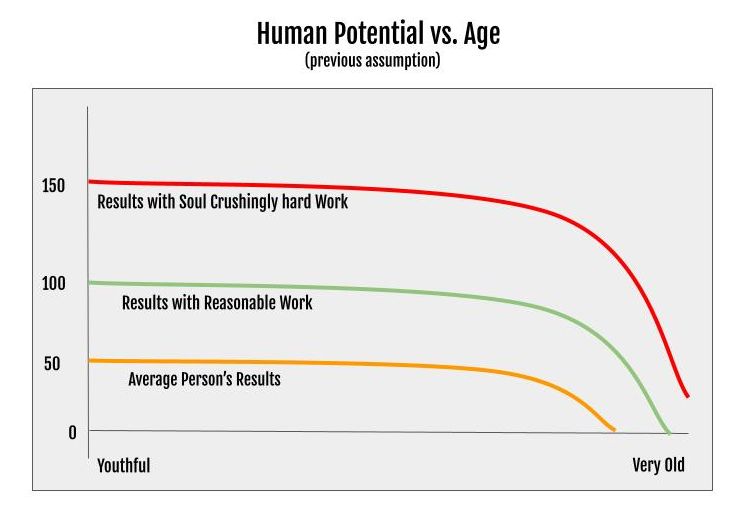
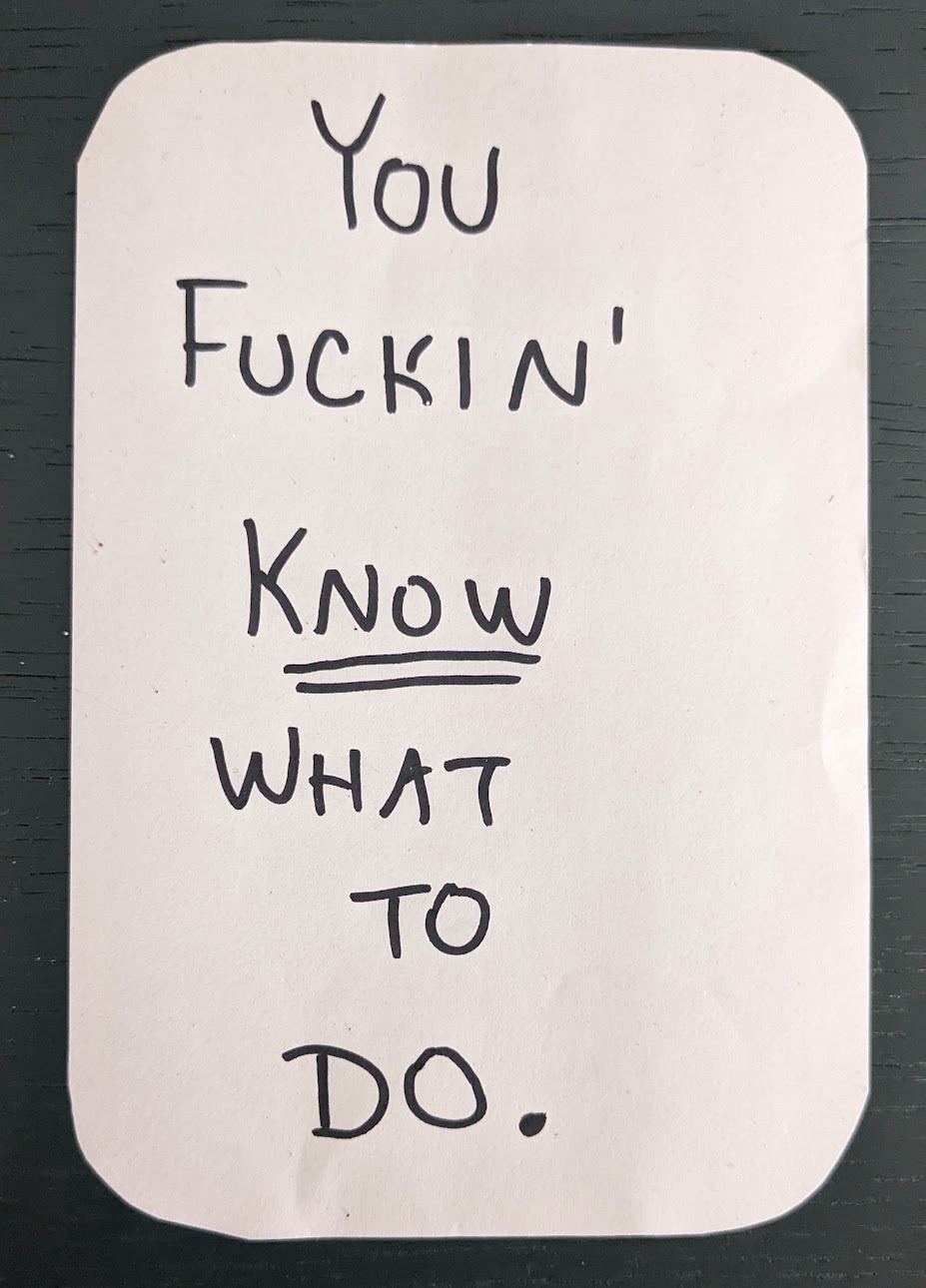
While adopting an extreme endurance lifestyle is neither practical nor desirable for the average person, Goggins’ journey powerfully illustrates that most perceived barriers are psychological rather than physical or environmental. Reframing personal capacity to recognize that boundaries are largely self-imposed opens new avenues for daily achievement. Armed with concise mantras such as acknowledging prior knowledge of what needs to be done, the author implemented immediate behavioral changes.
This revised mindset yielded tangible results. By treating both the desire and the reluctance to work out as immediate triggers for action, consistency improved dramatically. Over a four-month period, the author regained lean muscle mass, restored youthful flexibility, and improved overall joint health. The same principle was successfully applied to other dormant habits, including increased running frequency, coworking sessions for collaborative work, and disciplined writing output.
Maintaining this momentum requires regular reinforcement. Listening to audiobooks from figures like David Goggins, health expert Peter Attia, and leadership author Jocko Willink serves as an ongoing source of inspiration. While academic and cultural critics frequently debate the merits or cultural nuances of modern motivational literature, the practical takeaway remains personal: identifying and absorbing messages that encourage higher standards and greater daily engagement can profoundly transform personal productivity, particularly during later phases of life.