
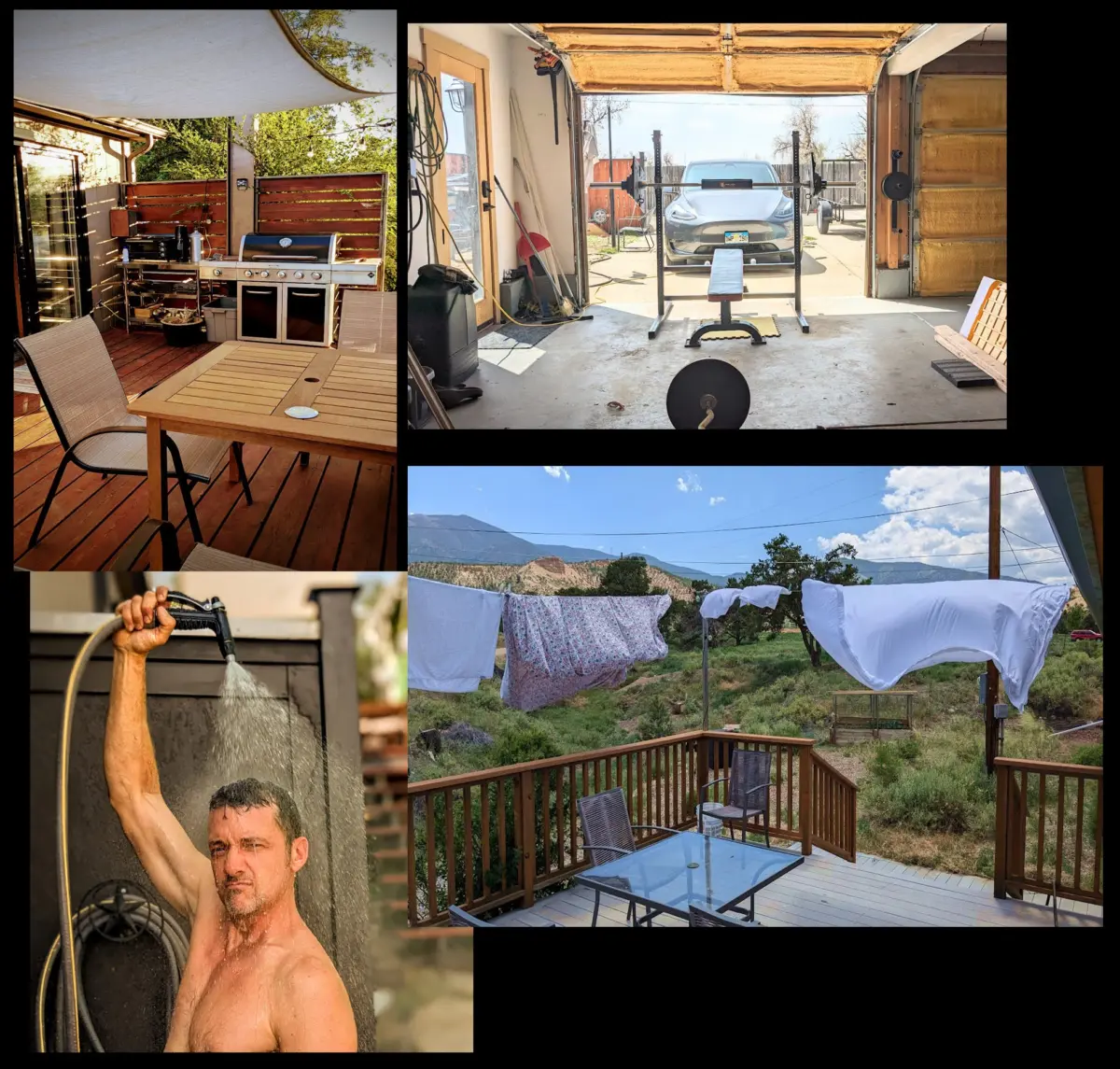
In the modern personal finance landscape, few figures loom as large as the blogger behind "Mr. Money Mustache." For over a decade, his platform has championed a distinct brand of financial independence, urging readers to embrace early retirement through radical lifestyle efficiency, active transportation, and mindful spending. However, as the years have passed and the author’s net worth has steadily climbed alongside his audience’s, a familiar wave of criticism has begun to surface across online forums and comment sections.
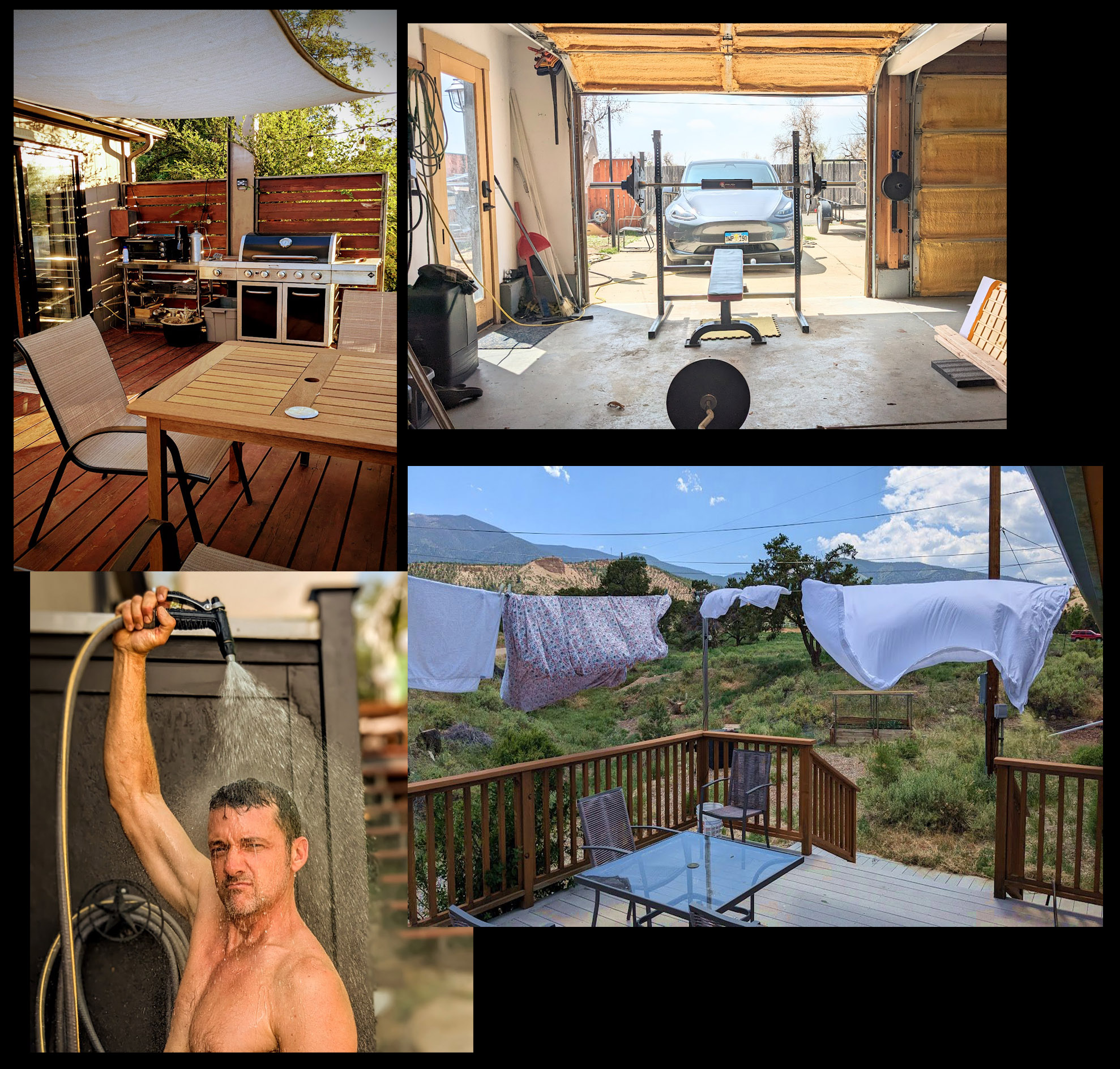
"I used to read Mr. Money Mustache," some critics remark, pointing to the passage of time and the accumulation of wealth. "Until he got all rich and fancy so that he no longer understands the common person’s plight. Stash probably doesn’t even practice any of these money-saving things he preaches anymore!"
For the blogger himself, reactions to these critiques are met with amusement rather than defensiveness. On one hand, he notes, broadcasting personal details of one’s financial journey onto the internet naturally invites misunderstanding. On the other hand, he maintains that if skeptics were able to peer into the actual daily routines of dedicated practitioners of this philosophy—known widely as Mustachians—they would quickly realize that the core principles remain remarkably effective, regardless of one’s absolute wealth level.

Fundamentally, very little has changed regarding the underlying mechanics of the lifestyle. Much like countless early-adopter readers over the past twelve years, his total wealth has grown organically through consistent investing and low expenses. Yet, mirroring the experiences of many within the movement, there has been little motivation to fundamentally alter everyday spending habits. The original objective was never about a temporary deprivation phase; rather, it was about optimizing daily life for maximum enjoyment and efficiency from the very beginning.
To understand why this approach yields such enduring results, the philosophy distinguishes itself sharply from standard mainstream financial advice. Traditional guidance typically encourages individuals to slash spending and make short-term sacrifices strictly until they hit a specific savings percentage or retirement milestone, after which personal choices matter less. Under conventional paradigms, a higher income simply means an individual can afford to spend more without guilt—paving the way for the "FatFIRE" lifestyle where high spending is merely offset by an even higher net worth.
In contrast, Mustachianism cultivates a long-term appreciation for efficiency, creativity, self-awareness, and continuous self-improvement. Adherents apply these values to enhance their quality of life across the board, finding that their monthly expense rates naturally decline over time as a byproduct of living more resourcefully.
In practice, this translates into everyday choices driven by genuine personal enjoyment rather than a strict sense of financial penance. To illustrate how these habits function in the present day, the blogger points to several recurring practices in his own life—some conventional, some eccentric—that continue to yield significant financial dividends. When evaluating these activities, he emphasizes the importance of a long-term horizon, utilizing what he terms the "rule of 172," which multiplies a monthly expense by 172 to estimate its compounded value over a ten-year period when properly invested.
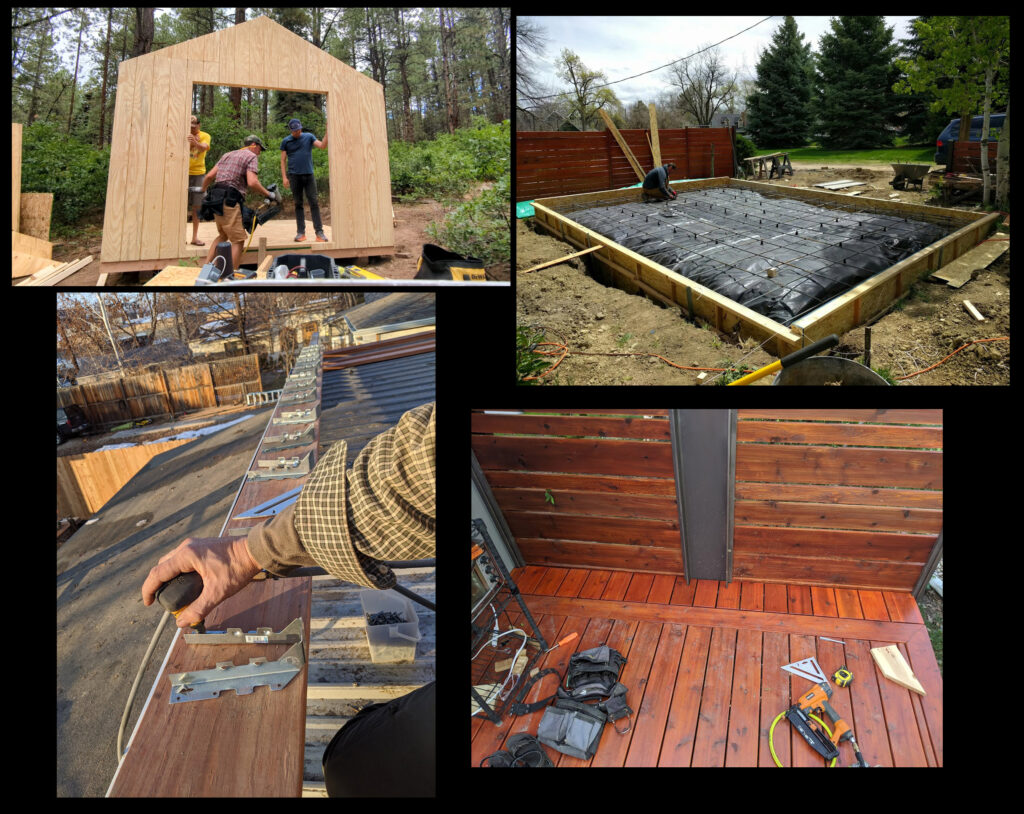
The first major pillar of this lifestyle is comprehensive self-sufficiency, particularly when it comes to property maintenance and construction. Operating on the core belief that individuals should strive to become producers rather than merely passive consumers of the things they enjoy, the focus centers heavily on real estate. Having an affinity for functional, beautifully designed living spaces often clashes with the reality of purchasing older or poorly designed buildings. Rather than hiring outside contractors for every renovation, solving structural problems and redesigning spaces has evolved into a primary hobby—one practiced not only on personal properties but also to assist friends and community members. This hands-on approach to home repair is estimated to save roughly $20,000 per year, compounding to approximately $287,000 per decade.
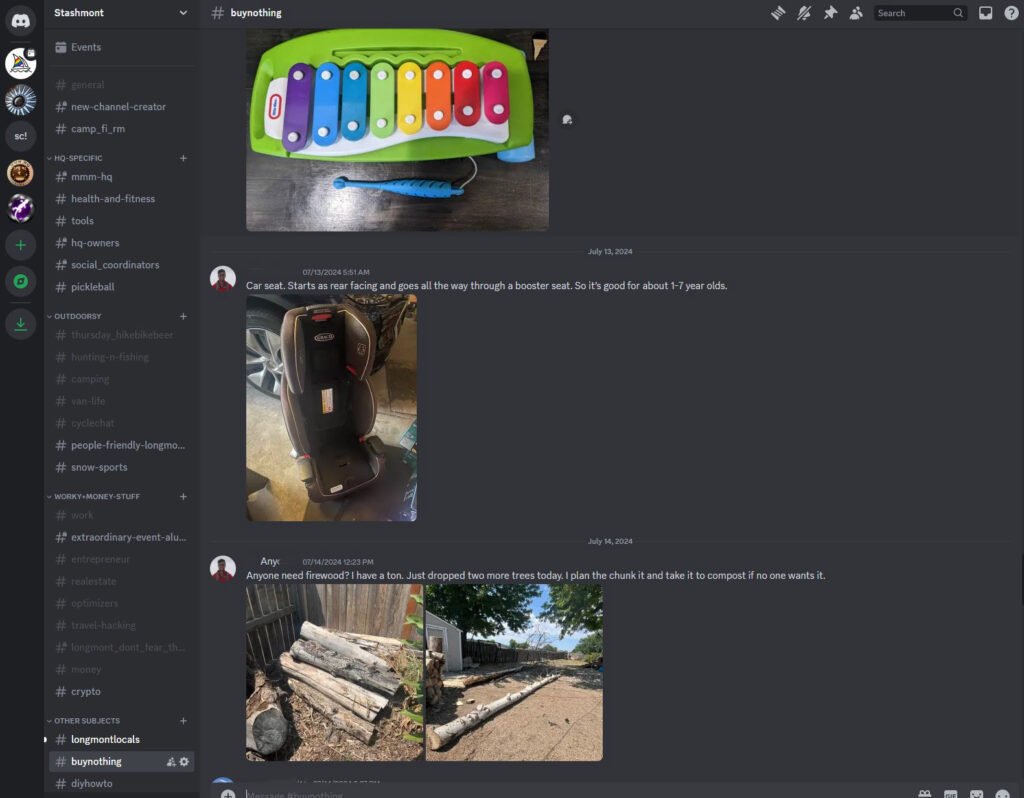
Beyond the home, community resource-sharing plays a vital role in daily operations. While financial success affords the convenience of purchasing brand-new goods delivered directly to the doorstep, there is a distinct fulfillment found in repurposing and sharing high-quality items within a local network. Platforms like Craigslist, Facebook Marketplace, and Buy Nothing groups facilitate this exchange, while localized community spaces—such as a dedicated Discord server utilized by local residents—allow neighbors to trade goods, give away unneeded items, and collaborate on major do-it-yourself projects. These habits of reuse and local commerce routinely yield thousands of dollars in savings annually, adding up to roughly $42,000 per decade.

Transportation choices remain a cornerstone of the philosophy, with human-powered transit taking precedence over automobile dependency. Operating a car entails substantial ongoing expenses—including depreciation, insurance, fuel, and maintenance—that easily surpass fifty cents per mile. While central city living allows for walking or cycling for the vast majority of local trips, accounting for a modest two thousand miles of active travel per year still generates roughly $14,000 in direct savings per decade. More importantly, active transportation fundamentally alters an individual’s physical and mental health landscape.
This preference for physical effort extends naturally into daily routines through a commitment to muscle over motor. Whenever faced with a choice between mechanical convenience and physical exertion—such as taking stairs instead of elevators, walking a golf course instead of riding in a cart, moving heavy furniture independently, or shoveling snow by hand—the inclination is to choose the physical option. By framing the decision around whether one desires more or less health and fitness, the answer becomes straightforward. While difficult to quantify with exact precision, avoiding the astronomical healthcare costs associated with sedentary lifestyles while maintaining superior energy and productivity is conservatively estimated to save or benefit practitioners by $140,000 per decade.

Energy efficiency within the household offers another avenue where technical tinkering intersects with frugality. Approaching home management through the lens of an engineer, carpenter, and creative problem-solver involves constant experimentation. Modifications such as installing strategic windows and sliding doors on the southern exposure of a home harness passive solar energy for winter heating, while other minor adjustments align domestic life more closely with seasonal shifts. Although average combined gas and electric utility bills often run much higher, optimized usage can reduce monthly utility costs drastically. Despite the hands-on labor involved, viewing the home as an energy efficiency playground transforms the work into a source of recreation, saving roughly $30,000 per decade.
Finally, a deliberate preference for local living over constant travel reshapes leisure time. In an era where summer schedules are frequently dominated by expensive vacations, long-distance flights, and packed tourist itineraries, choosing to remain close to home offers a distinct counter-balance. By declining travel plans that require being away for extended periods and instead investing in local friendships, neighborhood gatherings, and nearby natural amenities, families can significantly reduce both direct expenses and incidental costs. Replacing just two weeks of family travel with enriched local time yields substantial financial and social dividends, totaling an estimated $143,000 per decade in preserved wealth and associated benefits.
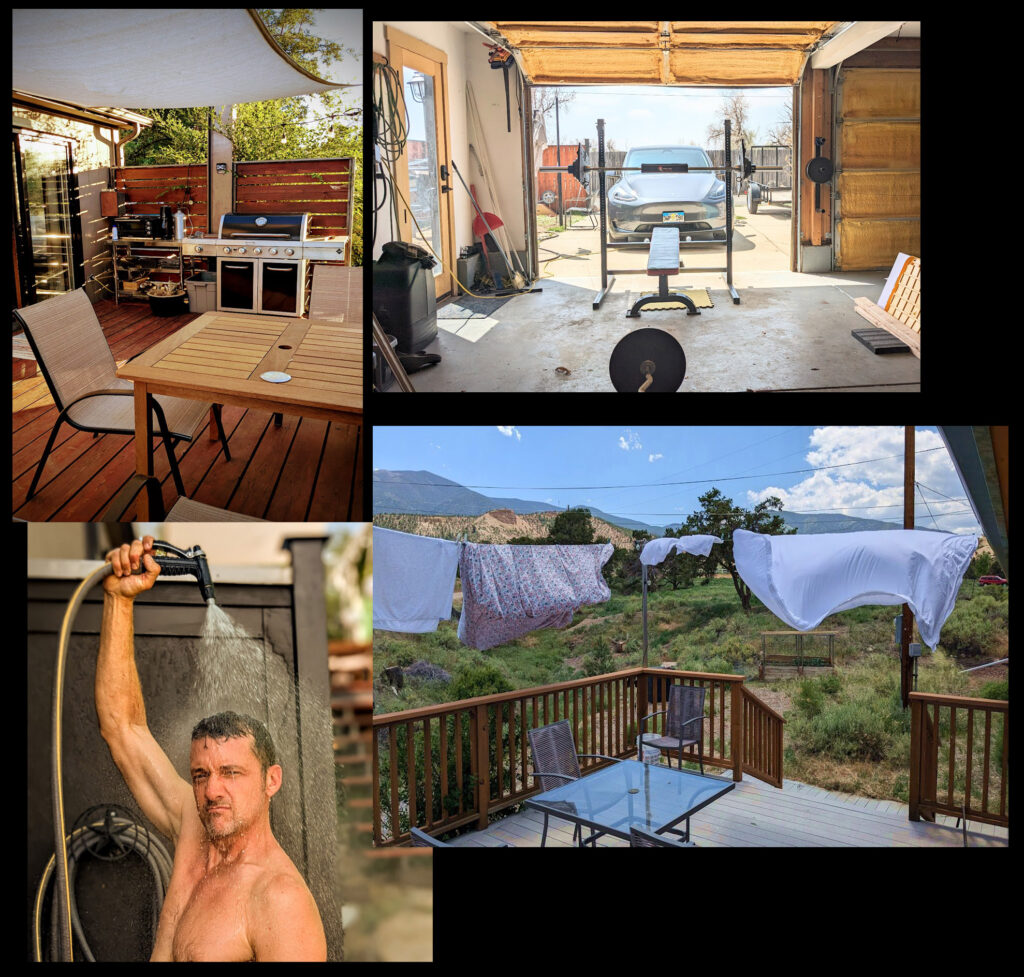
When aggregated, these recurring habits compound to well over half a million dollars every decade—surpassing the median net worth accumulated by many American seniors approaching retirement after decades of traditional workforce participation. For long-time practitioners, these financial milestones are not the result of agonizing sacrifice, but rather the natural fallout of living a slightly more efficient, engaged, and deliberate lifestyle than average.