Yet, when political campaigns persistently mischaracterize fundamental economic indicators to sway undecided voters in swing states, a closer examination becomes necessary. Politicians are rarely recognized for technical expertise in economics, science, or technology. However, the current election discourse has leaned heavily into ideas driven by irrational emotion rather than empirical data. A prime example involves the opposition framing the incumbent administration as presiding over a failing economy, despite national economic output and employment metrics pointing in the opposite direction.
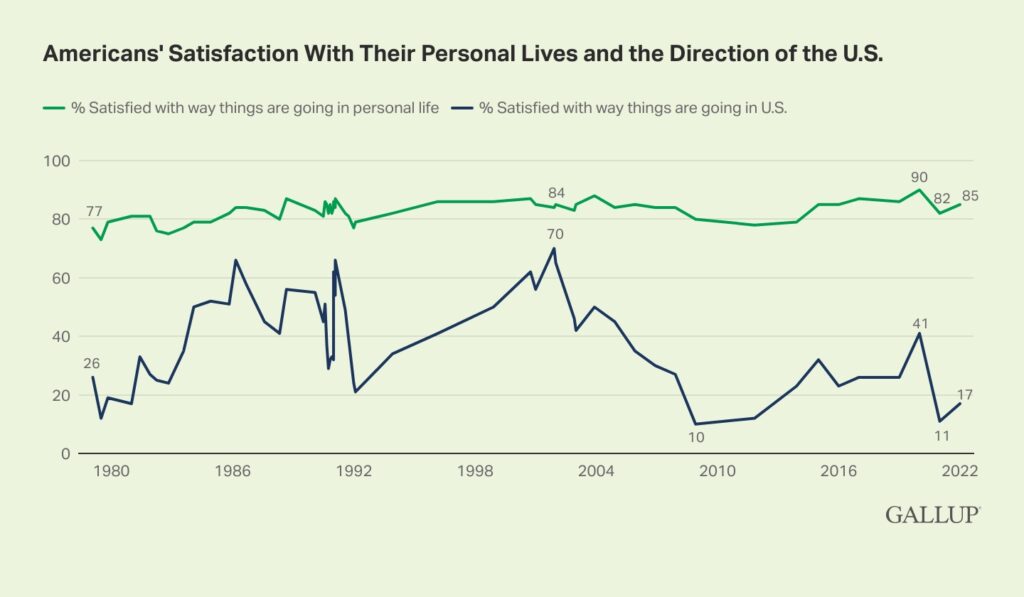
In reality, the broader United States economy remains remarkably robust, supported by historically low unemployment rates. A thriving job market and strong consumer demand naturally led to a recent period of elevated inflation, which served as a signal that the economy was operating at a rapid pace and required a cooling-off period through higher interest rates. Despite these strong fundamentals, public perception tells a starkly different story. Recent polling data from Gallup highlights a profound disconnect between personal financial reality and broader economic sentiment. While a vast majority of Americans report that their personal financial situations are doing well, a small fraction believes the national economy is performing well. This mathematical impossibility—where the majority experiencing prosperity simultaneously believes the aggregate system is failing—correlates closely with the proliferation of economic misinformation across digital and social media platforms.

While ignoring political rhetoric entirely is a viable strategy for daily life, understanding how the macroeconomic engine truly functions remains a valuable pursuit. To clear up the prevailing confusion, financial commentators have sought to dismantle the most pervasive economic myths regularly promoted during election cycles.
The Myth of Presidential Economic Control
A central pillar of campaign rhetoric is the notion that the sitting president holds a direct dial on the national economy. When a recession strikes, political opponents lay the blame squarely on the Oval Office. Conversely, when the economy expands, incumbents are quick to claim personal credit for the collective success. In practice, the American economy is far too massive—and far too decentralized—for any single political figure to control or decisively influence.
Operating as a gigantic apparatus that converts labor and raw materials into goods and services, the U.S. economy represents a significant portion of global economic activity. Yet, it remains heavily influenced by the remaining three-quarters of global production driven by billions of people worldwide. Economic expansions and contractions are largely the result of natural cycles involving periodic bouts of exuberance and speculation, followed by corrections of fear and pessimism. While government fiscal policies, tax rates, and regulatory frameworks play a part, the effects of these policies are often delayed and difficult to isolate from global market forces. In the short term, government policy acts less like a steering wheel and more like a minor adjustment to a rudder on a massive ship navigating turbulent international waters.
Misunderstandings Surrounding Monetary Policy
Another recurring theme on the campaign trail involves political candidates feigning deep sympathy for middle-class Americans grappling with higher borrowing costs for mortgages, auto loans, and credit cards, while promising to personally force interest rates down. Some political figures have gone so far as to publicly pressure independent Federal Reserve board members, suggesting potential structural takeovers of the central bank to bend monetary policy to executive will.
This rhetoric fundamentally misrepresents the function of monetary policy. Central bank independence is designed to insulate economic steering mechanisms from short-term political pressures, which have historically led to disastrous hyperinflation in nations where leaders assumed direct control of the money supply. When deployed correctly by independent experts, interest rate adjustments serve as essential economic brakes and accelerators. Lowering rates stimulates activity when unemployment rises, while raising rates cools overheating markets to keep inflation in check.
The Nuance of Inflation and Wage Growth
Political candidates frequently point to the post-pandemic inflation surge as evidence of systemic economic failure, often promising to magically roll back consumer prices to previous levels. The actual drivers of recent inflation were rooted in a rare confluence of global supply chain bottlenecks, factory closures, remote work shifts, and strong consumer demand fueled by pandemic-era stimulus and low interest rates. These pressures have largely abated, with inflation returning to more typical levels.
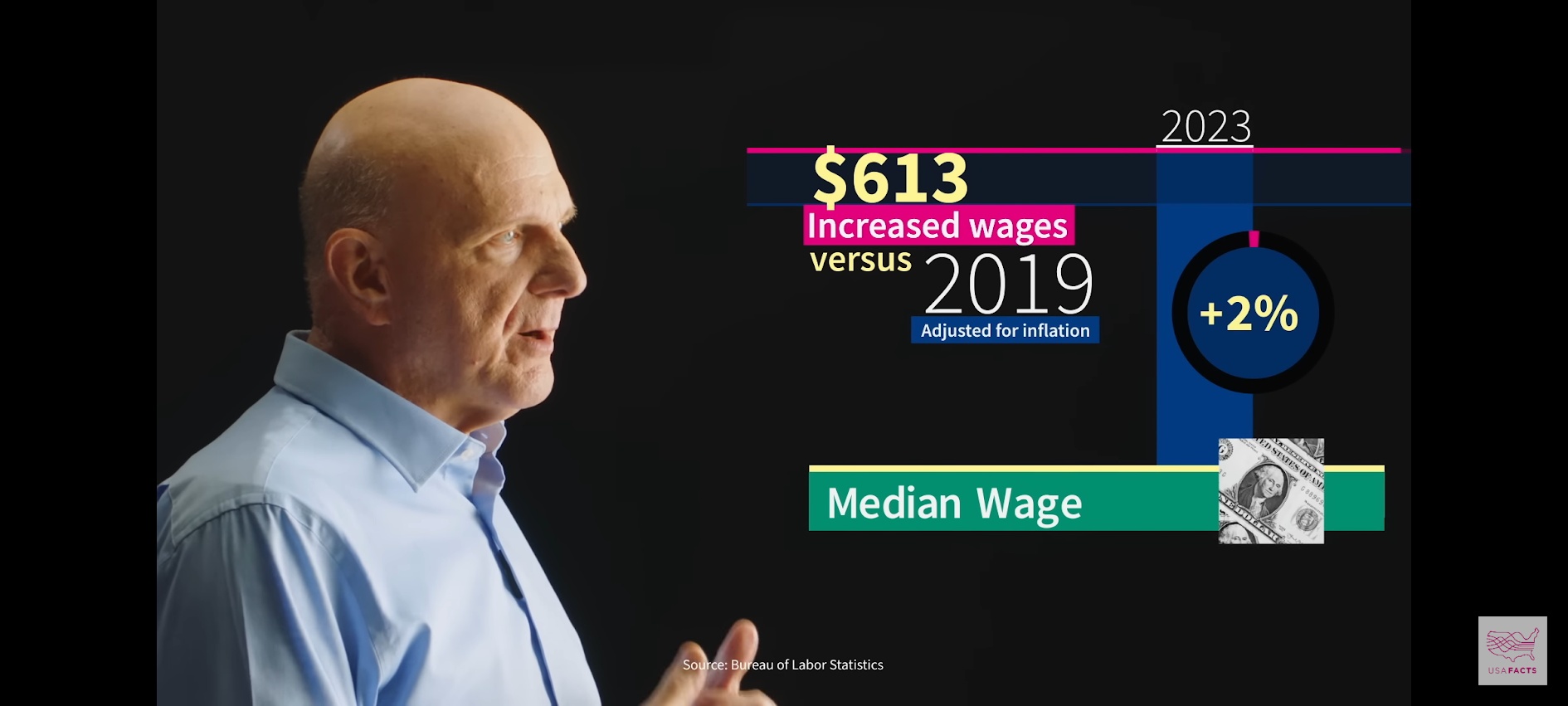
Crucially, broader economic data demonstrates that cumulative wage growth has outpaced overall price increases. Since 2019, general consumer prices have risen significantly, but average wages have climbed at a slightly higher rate, leaving many workers with greater purchasing power than before the inflationary spike. Despite this, campaigns continue to treat inflation as an active crisis and frame higher nominal wages and prices as inherent indicators of economic distress, fostering a widespread public misconception. Furthermore, accusations directed at corporations for allegedly hoarding profits through unbridled price gouging often dissolve under empirical scrutiny. Independent economic analyses of sectors like grocery retail have shown that profit margins remained relatively stable throughout the inflationary period, constrained by intense market competition rather than unchecked corporate greed.
The Complex Reality of Housing and Energy Markets
Housing affordability represents a genuine challenge for contemporary consumers, with home prices and rents outpacing general inflation and wage growth over the past decade. Compounded by higher interest rates intended to cool the market, prospective buyers currently face a combination of elevated purchase prices and expensive borrowing costs. However, proposed political remedies—such as first-time homebuyer subsidies or artificial interventions in mortgage rates—often threaten to stimulate further demand and exacerbate the underlying issue. Economists argue that the primary and most effective solution lies in expanding the overall supply of housing by removing regulatory roadblocks, streamlining building permits, revising restrictive zoning laws, and encouraging local development.
Similarly, gasoline prices remain a staple of political debate despite representing a relatively minor component of household expenditures. When adjusted for inflation, gasoline prices remain comparable to historical levels seen decades ago. Furthermore, the rising adoption of electric vehicles has begun rendering traditional internal combustion engines obsolete for a growing segment of the population, offering lower operational and maintenance costs that outpace traditional fuel considerations.
Reframing the Economic Conversation
Ultimately, the relentless political focus on macroeconomic indicators often overlooks the broader reality of modern prosperity. In developed nations, societies passed the threshold of basic material sufficiency decades ago. While wealth inequality remains a legitimate concern that warrants thoughtful tax policy to maintain social cohesion, the pursuit of endless economic expansion yields diminishing returns for individual well-being once basic needs are comfortably met.
As the election concludes, voters are left to weigh competing political pitches against the reality of their daily lives. For financially disciplined individuals, navigating the noise requires recognizing the limits of political influence over complex global systems, casting an informed ballot, and returning focus to personal financial stewardship.