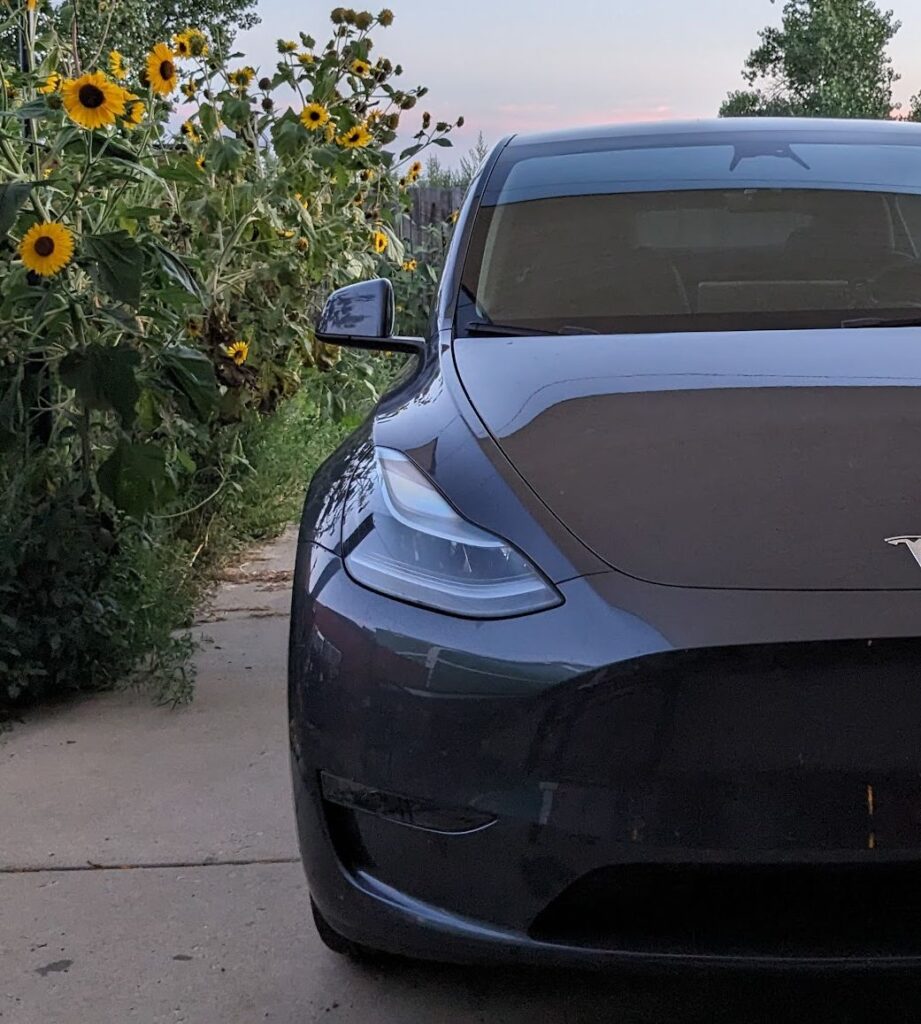
The journey began a couple of years ago when Adeney published a candid blog post detailing his conscious decision to spend a bit more money, starting with the purchase of a Tesla Model Y. Reflecting on that initial shift, he noted the internal monologue of a self-assured, middle-aged individual instantly adjusting habits and realigning for the next several decades of comfortable living. What followed was a vibrant two-year period defined by a feeling of financial abundance. He traveled extensively, embraced spontaneous adventures, and lived precisely how he imagined a properly wealthy person should live.
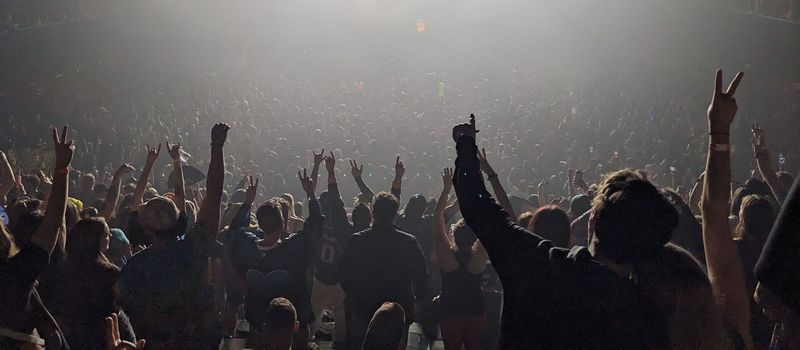
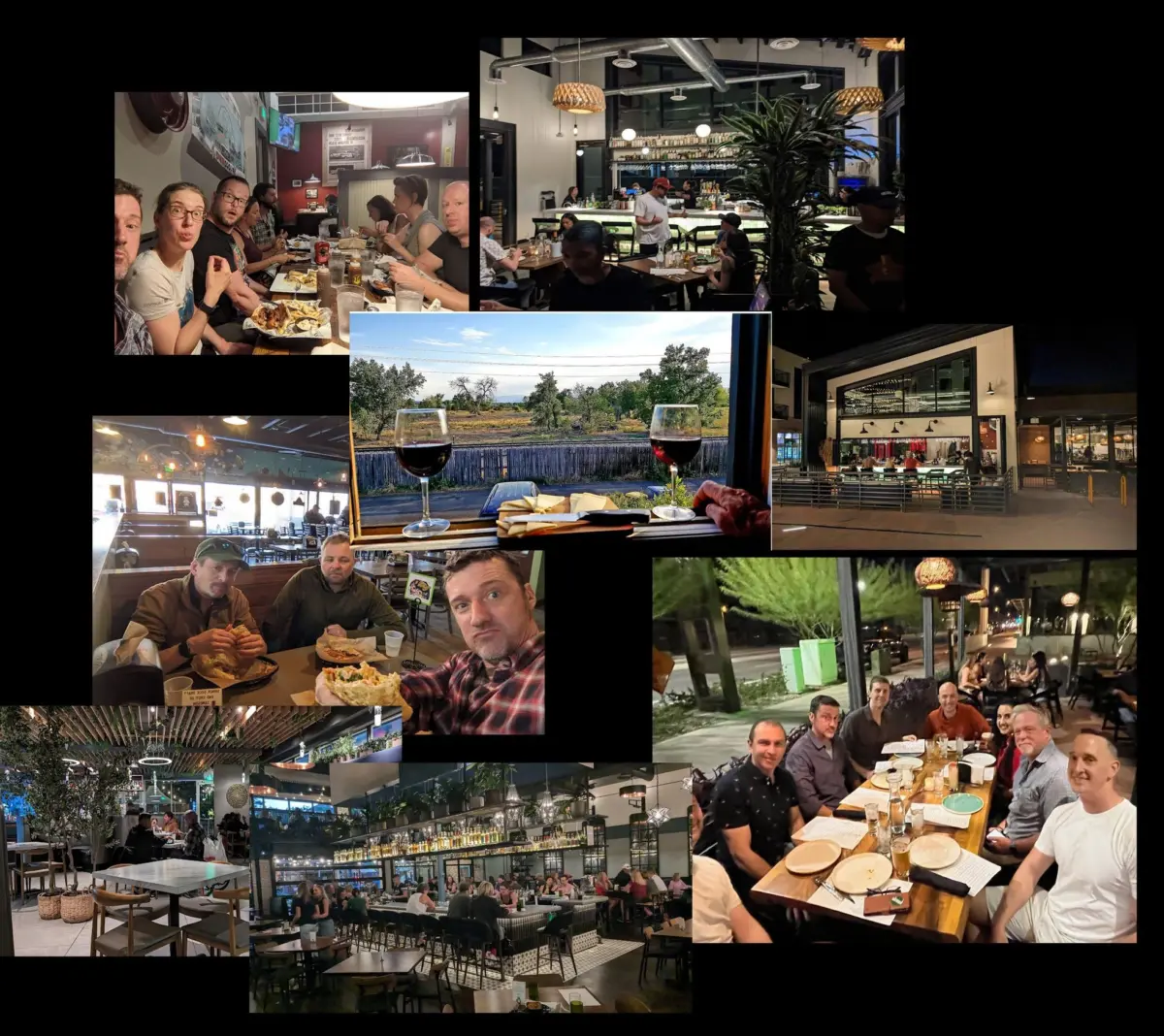
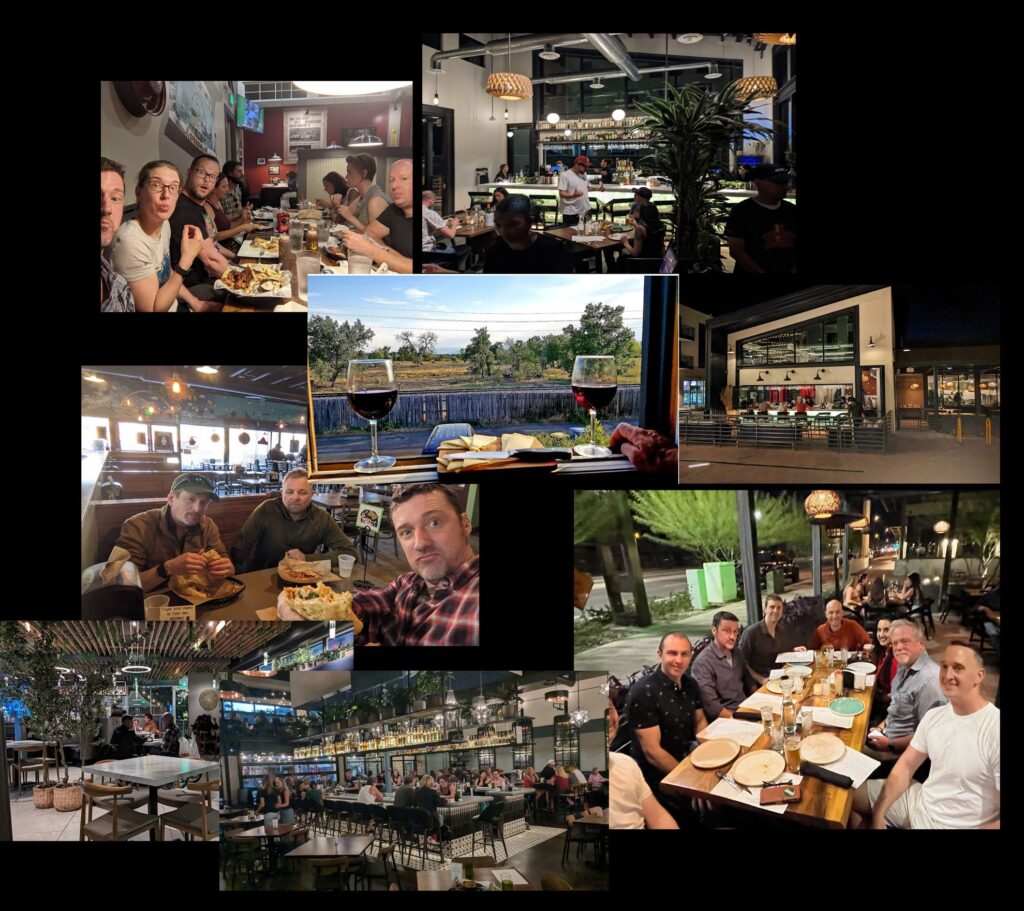
During this period of intentional spending, Adeney abandoned many of his long-standing penny-pinching routines. He dined out at fashionable restaurants, booked hotels based purely on comfort rather than the lowest price, paid extra for upgraded airline seating to minimize travel discomfort, and casually shopped at high-end grocery stores like Whole Foods without checking the price tags, alongside maintaining memberships at both Sam’s Club and Costco. His social calendar flourished, highlighted by late-night EDM concerts attended with his son and a series of immersive Meow Wolf art venue road trips, including a memorable Christmas Day drive from his winter home in Tempe, Arizona, to Las Vegas.
Operating as a single man for much of the year, his open schedule allowed him to chase spontaneous opportunities, explore new locations, and connect with people freely. Because every month felt packed with adventurous transitions, the time seemed to stretch far beyond a standard calendar year. Amidst this whirlwind of activity, Adeney assumed his budget had quietly crept back into the territory of the typical American consumer. However, because he was thoroughly enjoying the experience, he initially felt no urgency to tabulate the exact financial damage.
The reality check finally arrived when Adeney engaged in a round of informal financial coaching with a friend. The two decided to tally their respective spending over the past year to compare notes and evaluate their financial positions. When Adeney finally sorted his bank transactions into a spreadsheet and calculated the grand total, the results came as a genuine surprise.
While his overall expenditures had certainly increased—particularly within travel-related categories—the macroeconomic impact on his net worth remained remarkably minimal. Depending on how variables like vehicle acquisition and business expenses are accounted for, his total annual spending landed between $20,000 and $30,000, bolstered by the hidden subsidy of a fully paid-off home. This moderate level of consumption can easily be sustained by a standard $1 million investment portfolio. Given that his personal investments have grown substantially higher over years of steady stock market expansion, Adeney remains vastly under his theoretical retirement budget.
Although he humorously admits to having "failed" at increasing his spending to the levels he typically recommends for older, wealthy individuals, the outcome has left him thoroughly satisfied. The experiment proved that he could genuinely enjoy a higher-comfort lifestyle without compromising his financial independence, paving the way for further life experiments in the years ahead. The exercise echoed principles from his previous writings on optimization councils and lifestyle curation, reinforcing the idea that periodic reviews of spending and life strategies are essential for maximizing personal fulfillment.
A granular breakdown of the financial data reveals precisely where the money went. Out of a total expenditure of $30,026.76, groceries accounted for $5,960.39, supporting Adeney, his young adult son approximately half the time, and occasional guests. Restaurant spending totaled $2,243.59, reserved strictly for special social outings rather than routine sustenance. Travel expenses reached $6,158.77, a category that included business-related trips to events like Camp Fi and other industry conferences. Utilities cost $1,909.51, while Amazon and household expenses totaled $3,554.10, though roughly 75% of those business-related costs represented construction materials for client projects—frequently friends—which were subsequently reimbursed via invoice.
Entertainment and beverages accounted for $250.67 spent on wine and gathering supplies. Healthcare costs landed at $3,536.66, kept remarkably low through a combination of a Direct Primary Care subscription and a health-sharing organization membership with Sedera Health, alongside out-of-pocket expenses for advanced screening blood tests. Automobile expenses, consisting purely of insurance and registration, totaled $2,425.21. Phone and internet services cost $1,410.56, covering gigabit home internet and a mobile phone plan. Finally, property taxes came to $2,577.30, remaining remarkably reasonable given local property valuations in the $500,000 to $600,000 range.
Comparing these figures to his previously published spending reports, the totals remain strikingly stable despite recent inflationary pressures. Increased spending on travel and leisure was offset by lower home renovation costs, largely because his frequent travel left him with less time for DIY construction projects around the house. Meanwhile, healthcare costs represent a modern addition to his baseline expenditures since he was largely self-insured during earlier years of retirement.
The single greatest structural advantage in Adeney’s budget remains the complete absence of housing debt. Having paid off his mortgage long ago, and taking personal joy in property maintenance and repairs, he avoids ongoing bills for lawn care, plumbing, handyman services, and tree pruning. While he acknowledges that taking out a low-interest mortgage during the low-rate environment of 2021 and investing the capital into stock index funds would have been mathematically optimal, the psychological peace of mind derived from a debt-free home holds immense value for him. Furthermore, owning his home outright eliminates the necessity of homeowners insurance, saving an additional $2,000 annually.

Healthcare strategy plays another vital role in maintaining his low cost of living. Benefiting from good baseline health and a measure of good fortune, Adeney maintains a two-tiered medical safety net. By pairing a Direct Primary Care clinic membership costing roughly $107 per month with a high-deductible health-sharing plan through Sedera for about $201 monthly, his combined monthly medical expenditure sits near $308. This setup costs significantly less than standard commercial bronze-tier health insurance while providing personalized, zero-deductible primary care alongside catastrophic protection.
Looking toward the future, Adeney continues to evaluate how he can optimize his remaining years for maximum fulfillment. Guided by the psychological principle that resolving persistent friction is far more effective than doubling down on areas of life that are already functioning well, he notes that his relationships, daily activities, and health require no intervention. The primary persistent annoyance in his current routine is physical clutter and spatial constraints resulting from space-intensive hobbies like woodworking and music housed within a modest 440-square-foot garage workshop. While expanding his workspace to a thousand square feet appeals to him, his deep attachment to his current neighborhood means he is content to optimize existing spaces unless an ideal local opportunity arises.
As he looks ahead to the remainder of the decade, Adeney remains enthusiastic about maintaining a high-abundance mindset coupled with an active schedule. At the same time, shifting market conditions have brought renewed attention to electric vehicles. With potential policy changes threatening the longevity of the federal EV tax credit, he notes that current market conditions offer historically low prices for electric vehicles like the Model Y and Model 3, framing them as compelling options for consumers looking to upgrade their transportation while leaning into modern efficiency.