The sequence of events commenced last winter when Adeney left a positive five-star review for a heated vest designed to ward off the cold. Shortly after hitting the submission button, he received an automated notification from the retail giant congratulating him on being selected to join Amazon Vine due to the perceived helpfulness of his feedback.

For those familiar with the platform, Vine participants—commonly referred to as "Vine Voices"—are granted the ability to order a wide variety of merchandise from Amazon at no upfront monetary cost. In exchange, participants enter a binding agreement to review at least eighty percent of the items they procure. To a proponent of mindful spending and frugality, the concept initially appeared harmless and mildly rewarding. After all, writing reviews had previously been an unpaid pastime driven by genuine helpfulness; the prospect of acquiring useful items without a cash exchange felt like a logical evolution of that habit.
Without extensive deliberation, Adeney accepted the terms and conditions, unknowingly stepping into a carefully engineered behavioral feedback loop that would challenge his own doctrines of intentional living and financial independence.

Scarcity Brain and the Online Casino Effect
Reflecting on the ensuing nine-month saga, Adeney noted that the program managed to successfully hijack his deeply ingrained frugality instincts through a combination of subtle digital design choices and evolutionary psychological triggers. To analyze how this happened, he drew parallels to Michael Easter’s book Scarcity Brain, which explores how contemporary digital platforms, marketing algorithms, and gambling interfaces exploit inherent vulnerabilities in human evolutionary programming—specifically, the craving for unpredictable rewards and the primitive instinct to hoard resources when scarcity is perceived.
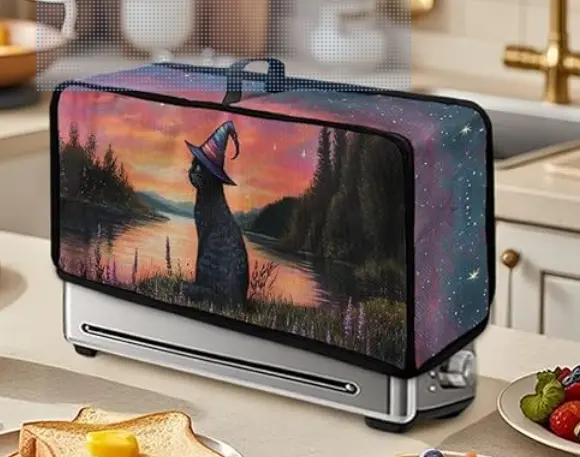
The Amazon Vine interface functions remarkably similarly to a digital slot machine or a social media endless scroll. Every time a reviewer logs into the restricted portal, an unpredictable inventory of goods is displayed. On any given day, a search for practical household necessities yields completely absurd results, ranging from endless pages of disposable pink plastic party plates to arbitrary items like a toaster cover featuring a cat wearing a witch hat.

Yet, interspersed among the bizarre trinkets are genuinely high-value, functional items. Over the course of the experiment, Adeney secured high-grade light fixtures, plumbing components, tools, an electric vehicle charger, clothing items like his signature eagle-printed shirt featured in Mustachian music videos, and a supply of artificial plants that transformed the courtyard garden areas at his coworking space headquarters. He even managed to involve friends and colleagues at the headquarters, allowing them to select and review items they desired, which temporarily fostered a collaborative atmosphere of shared utility and amusement.
However, as the months progressed and he pushed to elevate his account from the initial "Vine Silver" tier to "Vine Gold" by completing eighty reviews, the psychological toll became apparent. He found himself checking the Vine portal daily out of habit, even when he required nothing. The unpredictable reward schedule—where most checks yielded nothing, but occasional scores triggered a rush—kept him engaged.

Upon arrival, the packages required rapid unpacking and photography to facilitate batch-writing reviews on a weekly schedule. This administrative burden consumed time that could have been dedicated elsewhere, while the influx of questionable merchandise directly contradicted his philosophical stance against unnecessary manufacturing waste and environmental pollution.
Navigating the Bureaucracy of Consumerism
At the height of the experiment, the domestic reality mirrored a minor consumerist bender. Packages arrived with high frequency, causing recycling bins to overflow with cardboard boxes. Frivolous purchases drew amusement and gentle mockery from family members, leading Adeney to discreetly tuck away deliveries to avoid scrutiny.

The momentum was sustained largely by inertia and procrastination. Ordering items online provided a simulated sense of productivity, serving as a comfortable distraction from the more demanding tasks required to maintain a balanced lifestyle, such as physical exercise, manual construction projects, or creative writing.
Fortunately, the inherent frustrations of the Vine program itself ultimately assisted in breaking the cycle. Beyond the endless scrolling required to find useful hardware, the platform exhibited deliberately reviewer-unfriendly characteristics. The search functionality lacked basic sorting or filtering capabilities, forcing users to manually comb through catalogs in a manner that disregarded the value of their time. Furthermore, an automated artificial intelligence evaluation system frequently flagged standard, factual reviews for allegedly violating community standards without providing clear explanations. Minor edits to punctuation or wording would abruptly appease the algorithm, highlighting the arbitrary nature of the administrative hurdles.

This bureaucratic friction served as a stark reminder of the underlying power dynamics. Reviewers within the ecosystem function less like valued partners and more like low-wage laborers bound by rigid rules within a prefabricated system they cannot influence. The experience drew comparisons to an Uber driving experiment Adeney conducted years prior, where operational inefficiencies were immediately obvious to the worker but entirely immune to frontline feedback. Such experiences reaffirmed the immense value of autonomy and the privileges associated with long-term financial independence.
Financial Realities and the Tax Implications
A critical realization for participants in programs offering free merchandise involves the taxation of goods. Amazon tracks the retail value of all acquired items and issues a Form 1099 at the end of the tax year, classifying the goods as taxable income rather than gifts. Consequently, the items are not entirely free, but rather discounted by the recipient’s marginal tax rate.

For Adeney, an account valuation revealed approximately $7,000 worth of accumulated goods, potentially generating a tax liability of roughly $1,750 based on his estimated marginal tax rate. A substantial portion of these goods—about seventy-five percent—was allocated to his business for commercial use, including construction supplies utilized in job sites and headquarters renovations, effectively converting the items into deductible business expenses or taxable income offset by utility. Other items represented household necessities he would have purchased regardless. However, the total also included approximately $1,000 worth of impulse-ordered novelties.
A subsequent realization, aided by feedback from experienced online community members, mitigated a portion of this burden. Participants frequently apply a significant markdown to the estimated retail value of items before declaring them on taxes, acknowledging that opening, testing, and reviewing an item drastically diminishes its secondary market value. This adjustment significantly reduced the anticipated out-of-pocket tax penalty.

Resetting Habits and Finding Balance
Rather than executing a formal account cancellation, Adeney utilized a behavioral strategy known as a "Keystone Habit" adjustment to curb the temptation to visit the portal. By restructuring his browser bookmarks, clicking the old Vine shortcut now redirects to a personal productivity and fitness tracker. Instead of browsing for consumer goods, the action prompts him to step away from the computer and engage in physical exercise or creative tasks.
While discussing the experiment publicly potentially risks running afoul of program guidelines regarding platform secrecy, the broader takeaway transcends the specifics of Amazon Vine. The situation mirrors psychological traps observed across modern digital environments, including the phenomenon where individuals continue working past the point of financial independence simply out of habit or momentum.

Ultimately, the journey serves as a reminder to continuously evaluate personal habits, recognize subtle behavioral nudges, and remain open to self-reflection. In a lifelong journey, even minor course corrections can accumulate to significantly alter one’s overall trajectory.