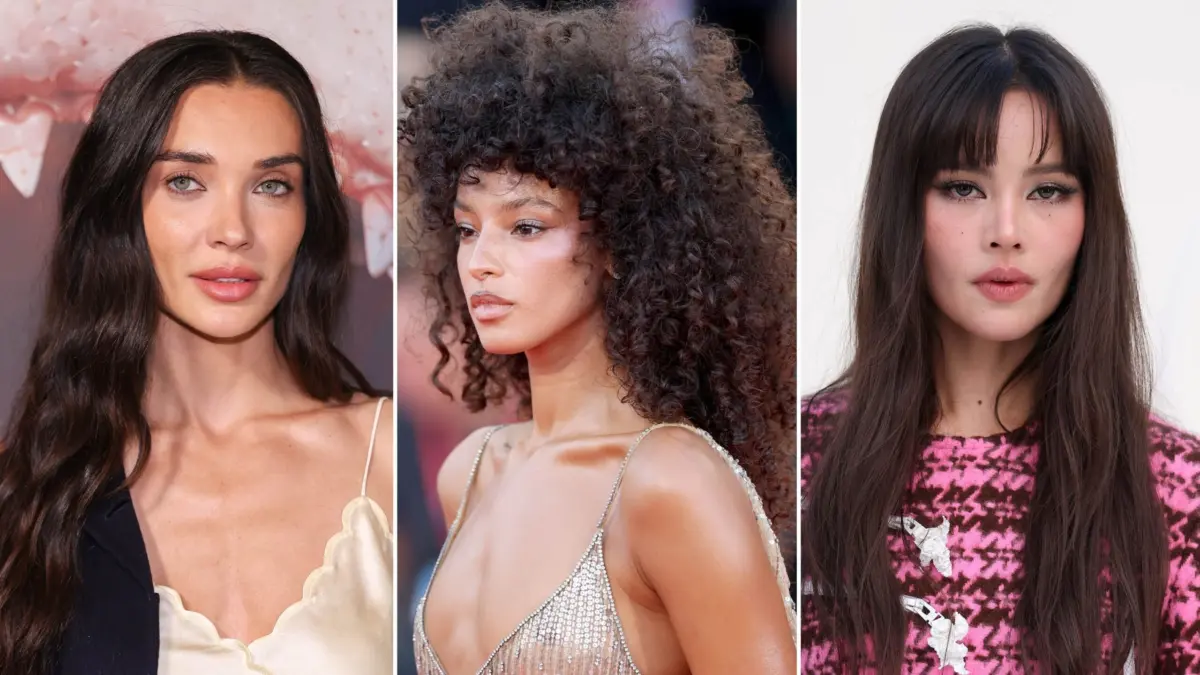

Top colorists across the country note that public perception surrounding hair warmth is undergoing a significant transformation. For a long time, the prevailing goal in many color chairs was to ruthlessly eliminate every last trace of warmth from brunette hair in pursuit of cool, ash-toned finishes. However, industry professionals are finding that warmth is precisely what gives brown hair its inherent richness, dynamic movement, and a beautiful, reflective touch that catches the eye.

Unlike a nearly black brunette or a stark, cool ashy brown, true espresso holds enough golden richness to grant dark hair incredible dimension and a polished, expensive-looking finish without relying on an obviously highlighted look. The resulting aesthetic feels entirely natural, high-end, and deeply reflective.

While achieving this look can be a relatively straightforward adjustment for someone who is already a natural brunette, mastering the shade often requires considerable color chemistry for clients starting from a different baseline, such as blonde, gray, or even previously dyed black hair. Professional colorists emphasize that understanding the underlying science of the hair is essential before making an appointment for an espresso transformation.

What Makes Espresso Brown Different From Other Brunette Hair Colors
Industry professionals describe espresso brown as a deep, dimensional brunette infused with a subtle golden reflect. That specific combination gives the shade its signature velvety richness while preventing it from looking overly harsh against the skin. Because the overall depth of the color is so dark, the golden aspect functions more as an underlying whisper than an obvious, brassy cast. This delicate balance creates striking visual contrast without washing out the complexion.

Espresso brown carries the heavy depth that clients expect from a very dark brunette, but it deliberately avoids erasing every trace of natural warmth. It is the type of shade that prompts onlookers to question whether someone was simply born with such an extraordinarily rich head of hair.

The color is remarkably versatile across a wide spectrum of complexions, though an experienced colorist can always fine-tune whether a warmer or cooler variation will best complement an individual’s skin tone. Furthermore, the beauty of the shade lies in its complexity; it does not read as a flat, uniform block of color. By skillfully blending slightly lighter and darker shades together, colorists achieve a multidimensional effect that looks effortlessly elevated rather than heavily processed.

How to Get Espresso Brown Hair
The journey to achieving espresso brown depends enormously on a client’s starting point. Simply layering a generic brown box dye or salon color over existing hair is rarely enough to produce the desired result.

Clients who already possess dark brown hair have the easiest and most direct path to the trend. Darker brunettes can frequently transition to espresso brown with the addition of very subtle, expertly placed highlights or lowlights. For a natural brunette whose hair sits around a level five or six, a professional may determine that nothing more than a deep brown gloss featuring golden undertones is required to enhance the pre-existing color while injecting a powerful dose of shine and vibrancy.

Virginal brunettes often enjoy the luxury of a straightforward, single-process application where the appropriate shade is painted directly onto the strands. However, if a client’s hair is naturally close to black, colorists note that the hair may need to be gently nudged open with a clear, permanent dye combined with a mild developer before the final espresso tone is deposited.

Dyed black hair presents an entirely different set of challenges. Because standard hair color cannot simply lift away previously deposited artificial dye, colorists must first strip or lift the black pigment before applying a demipermanent or permanent espresso gloss. Once the base is properly prepared, subtle highlights can be woven in to restore movement and dimension.

For those transitioning from blonde or gray, the process becomes significantly more involved. Stylists stress the absolute necessity of putting warmth back into hair that has been heavily lightened before any dark brown shade is applied. Lighter hair must be prefilled with gold or copper pigments to rebuild the foundational richness that was stripped away during the original blonding process. Skipping this crucial step leaves the hair looking dull, hollow, or muddy. Prefilling is also vital for color longevity, as highly porous lightened hair tends to bleed pigment much faster than virgin strands.

How to Maintain Espresso Brown Hair
The silver lining for natural brunettes adopting the espresso trend is that upkeep can remain relatively low-maintenance. Depending on the hair’s natural porosity and how well it holds onto artificial pigment, a professional gloss or color refresh is typically recommended every six to eight weeks, though some fortunate brunettes can stretch that window up to twelve weeks.

Conversely, clients transitioning from blonde or gray must prepare for a more rigorous maintenance schedule. Even with meticulous at-home care, lighter roots inevitably begin to peek through around the six-week mark, necessitating regular salon visits to preserve the seamless depth of the dark shade.

At-home hair care routines play an equally critical role in preserving the integrity and richness of espresso brown. Investing in a quality color-safe shampoo and conditioner helps lock in pigment, while reducing the frequency of washes minimizes daily color fading. Incorporating specialized bond-repair treatments into the weekly routine is also highly recommended, particularly for individuals whose hair underwent a lightening or corrective color process prior to receiving the final espresso gloss. Utilizing targeted hair masks and minimizing the excessive heat of styling tools can further prevent color degradation, ensuring that the rich, glossy finish remains intact between salon appointments.