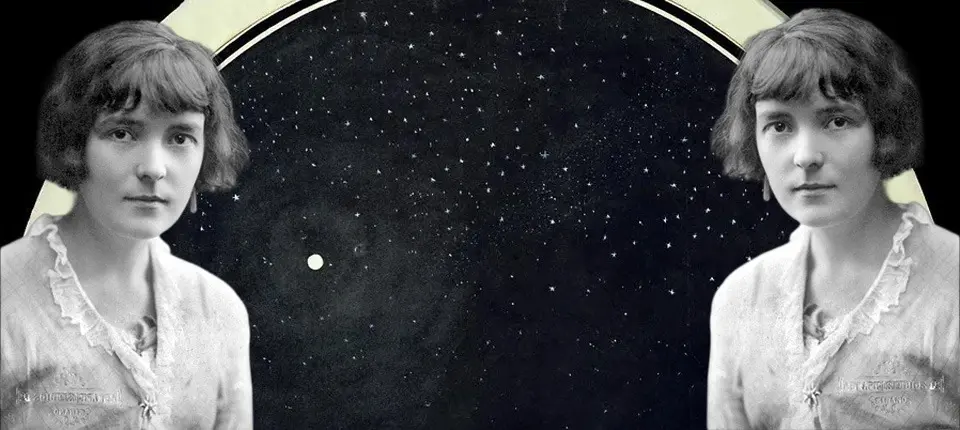
Today marks a significant historical milestone in the annals of world literature. In 1888, Katherine Mansfield was born, entering a world she would eventually capture with startling clarity, psychological depth, and modernist innovation. As digital platforms continue to highlight the rich tapestry of literary history, the celebration of Mansfield’s birth serves as a reminder of the profound impact her brief life and remarkable body of work left on the evolution of narrative art.
Across the literary internet today, cultural critics, historians, and avid readers are reflecting on how Mansfield’s pioneering approach to the short story continues to resonate in contemporary writing. Born in Wellington, New Zealand, before eventually making her way to the vibrant literary circles of London and Europe, Mansfield revolutionized the form by moving away from traditional, plot-driven Victorian narratives. Instead, her work favored fleeting moments of psychological revelation, intricate emotional textures, and the quiet epiphanies of everyday life. Works such as "The Garden Party," "At the Bay," and "Bliss" remain touchstones for contemporary authors seeking to master the art of compression and profound observation.
As digital archives, literary journals, and cultural websites mark the occasion, discussions abound regarding her complex relationships with other modernist contemporaries, including Virginia Woolf and D.H. Lawrence. Woolf famously remarked of Mansfield that hers was the only writing she was ever jealous of—a testament to the fierce originality and technical brilliance that characterized Mansfield’s prose. Today, online literary hubs are sharing archival photographs, biographical retrospectives, and critical essays that analyze the nuances of her stylistic choices, ensuring that her contributions remain visible to new generations of readers navigating the digital sphere.
The ongoing digital curation of literary history plays a vital role in keeping these foundational voices alive. By bridging the gap between archival heritage and modern web-based discourse, platforms dedicated to the literary arts allow enthusiasts worldwide to engage with the past in real time. Whether through daily commemorative posts, deep-dive critical essays, or shared appreciations of classic texts, the literary internet ensures that authors like Mansfield continue to spark conversation, inspire new creative endeavors, and maintain their rightful place at the center of global cultural heritage.