Launched in response to the growing tide of book challenges and bans across the country, Books Unbanned has served as a vital digital lifeline for young readers since 2022. The core mission of the initiative is to provide free digital library cards to BPL’s comprehensive online collection, ensuring that young people anywhere in the United States can bypass local restrictions to access diverse literature and educational materials. Over the years, the program has expanded its reach significantly through high-profile partnerships with five other major public library systems nationwide: the Boston Public Library, Long Beach Public Library, Los Angeles County Public Library, San Diego Public Library, and Seattle Public Library. Through this collaborative network, a teenager living in a state with widespread book restrictions—such as Idaho—can gain free, remote access to the digital cards and expansive collections of six world-class library systems simultaneously.
However, the scope of Books Unbanned extends well beyond digital access. The program also provides robust resources for libraries nationwide to help them protect and advocate for the fundamental right to read within their own communities. Among these offerings is the Freedom to Read Teen Advocacy Toolkit, which supplies more than 16 hours of structured programming that local libraries can readily utilize and adapt to educate and prepare young people for literary advocacy. Additionally, the initiative maintains a Digital Action Kit featuring comprehensive reports and heartfelt testimonials from teenagers across the nation detailing the profound personal impact that Books Unbanned has had on their educational lives and civic awareness.
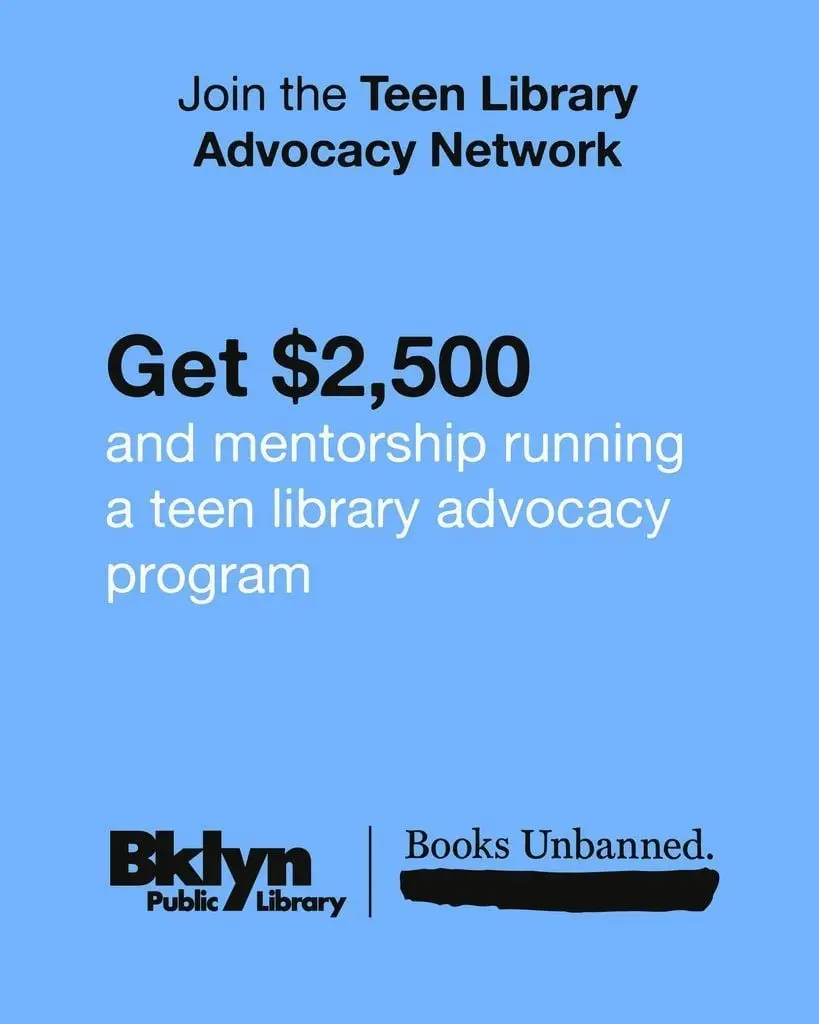
Building upon these foundational resources, the newly announced 2027 funding cycle specifically targets the development of the Teen Library Advocacy Network. This component aims to foster internship-like initiatives of varying sizes and scales that actively encourage teens to step forward as defenders of intellectual freedom.
Emma Karin Eriksson, the manager of Youth Civic Engagement and Expression at the Brooklyn Public Library, noted that this specialized network was established following the notable success of the program’s initial funding cohort in 2025. During that preliminary phase, the library directed financial resources and structural support primarily toward small and rural libraries to help them launch localized programs focused on advocacy and the freedom to read.

Programming has long been recognized as a cornerstone of public librarianship, yet as Eriksson explained, designing engaging and relevant programs that truly resonate with the unique interests and needs of teenagers can present a formidable challenge. For smaller and more isolated institutions operating with tight budgets and limited personnel, this hurdle can often seem insurmountable. The Books Unbanned program aims to alleviate these systemic barriers by supplying both financial grants and valuable networking opportunities to bridge the gap between institutional constraints and teen engagement goals.
The flexible nature of the grant allows participating libraries to design initiatives tailored to their specific community dynamics. Proposed programs can encompass a wide variety of creative formats, such as hosting a Freedom to Read institute during a school break, empowering existing Teen Advisory Boards to design and execute programming for their peers, or funding a paid teen intern over an extended period. Eriksson emphasized that the grant guidelines maintain a healthy balance of flexibility and structure, permitting funds to be utilized for essential expenses including intern compensation, programming materials, food and book giveaways, and honoraria for guest speakers. Furthermore, Books Unbanned actively encourages community partnerships, welcoming libraries to collaborate with local civic organizations to enrich the scope of their projects.
Reflecting on lessons learned from the previous funding cohort, Eriksson highlighted that the most effective and impactful initiatives shared a common structural thread. The programs that achieved the greatest success were those operated in an internship style, where participating teens gathered for recurring events that ultimately culminated in a tangible civic action or collaborative community project.
Selected libraries, however, will gain access to much more than just financial assistance. Winning institutions will receive dedicated support and mentorship from project advisor Eriksson, alongside ongoing peer support from prior recipients of the funding. According to Eriksson, this collaborative networking framework serves as a primary vehicle for the Brooklyn Public Library and Books Unbanned to share its extensive expertise and administrative experience with institutions that are eager to run programs on advocacy, leadership, and intellectual freedom, but lack the internal staff capacity or dedicated time required to develop them from scratch. The inclusion of previous cohort members in this support network also provides invaluable insights into navigating the unique administrative challenges and logistical complexities common to smaller libraries.
The diversity of projects implemented during the previous funding round underscores the creative potential unlocked by the initiative. Past cohorts successfully produced imaginative endeavors such as banned books dinner theater series, comprehensive internships that embedded teens within various local organizations to connect them with the living history of their communities, and community-wide speaker events entirely coordinated by youth leaders. While some of these initiatives operated as intensive short-term campaigns, others spanned a full calendar year. Libraries awarded funding under the 2027 cycle will similarly be granted a full calendar year to develop, refine, and execute their proposed initiatives.
In light of the ongoing geographical disparities in access to diverse literature, Books Unbanned is placing a special emphasis on encouraging small and rural libraries to submit applications for the upcoming funding round. The initiative is likewise prioritizing libraries situated within communities that have directly experienced coordinated book bans, challenges, and intellectual freedom controversies, ensuring that resources are directed precisely where the need for community advocacy is most acute.