
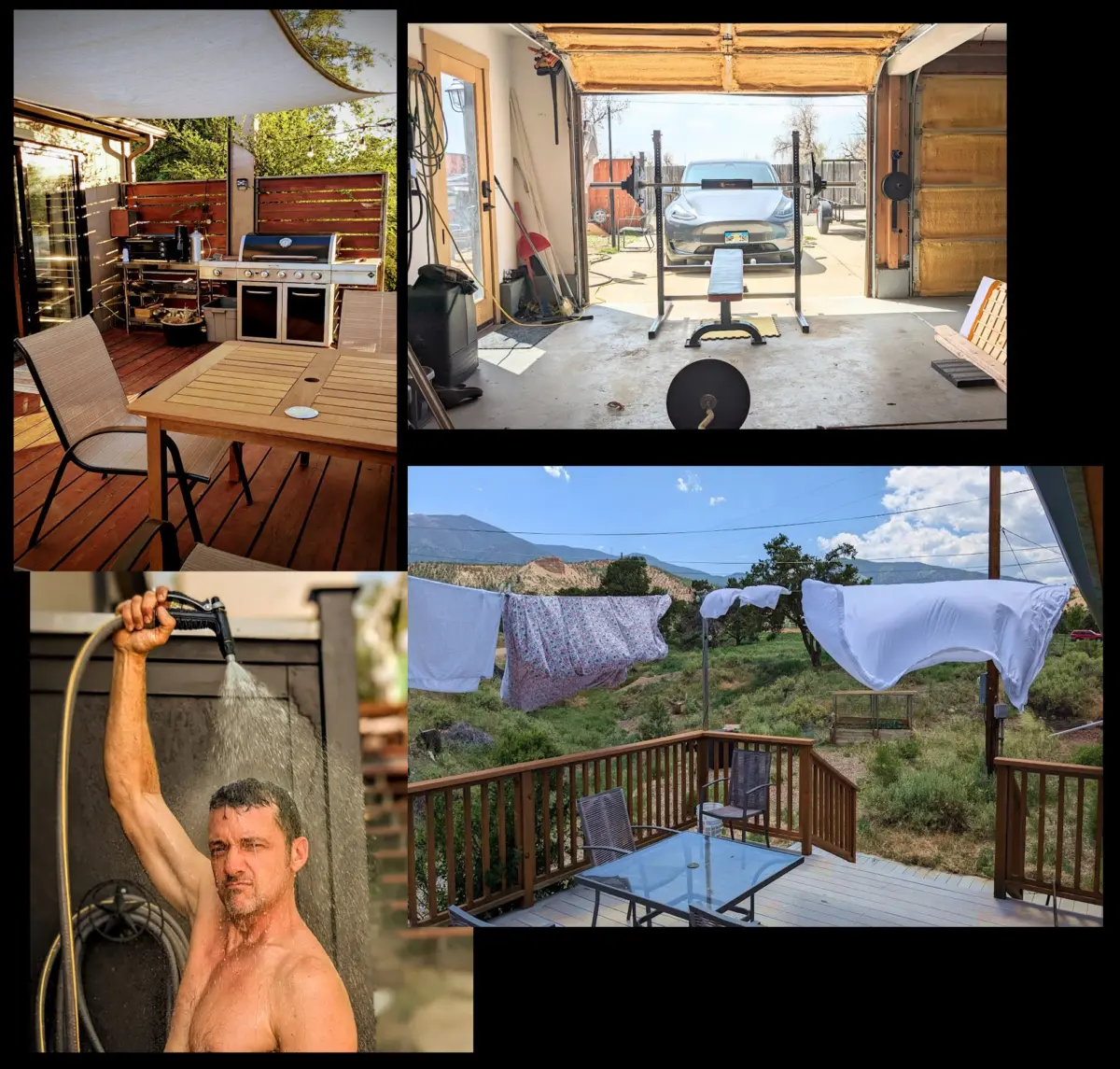
In the modern landscape of personal finance commentary, few figures loom as large as the blogger known as Mr. Money Mustache. For over a decade, his digital chronicle has preached the gospel of aggressive saving, radical self-reliance, and anti-consumerism, inspiring a global movement of followers known as Mustachians. However, as the years have passed and the author’s net worth has steadily climbed alongside his readership, a familiar critique has begun to surface online.
Some critics argue that the financial icon has grown too wealthy and fancy to truly understand the daily struggles of the common person. Skeptics frequently claim that a figure of such substantial means surely no longer practices the very same money-saving philosophies he built his brand upon.
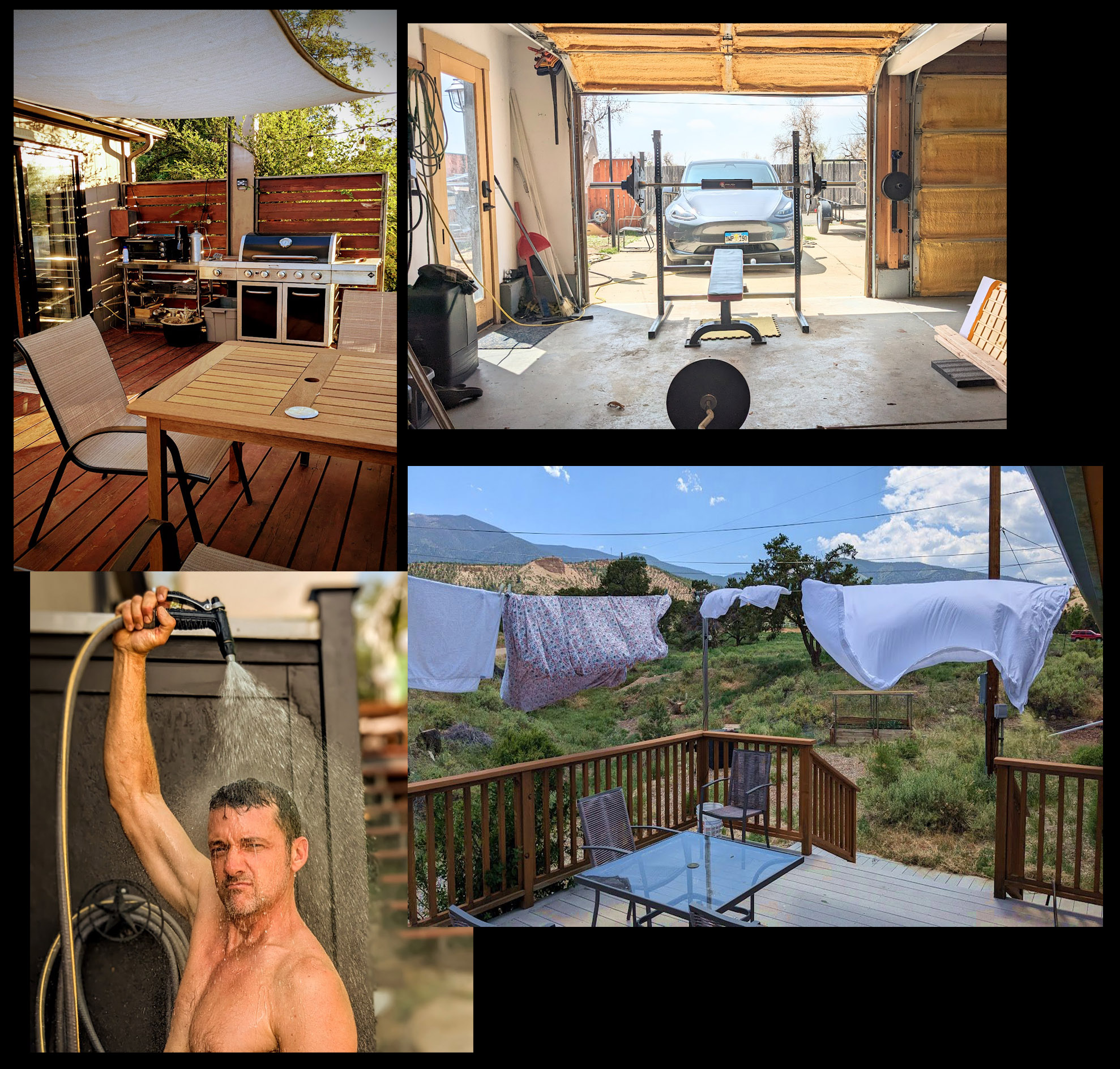
When confronted with these accusations, the blogger behind the moniker tends to laugh them off. In a recent reflective essay addressing his online detractors, he noted that when individuals choose to publish intimate details of their personal lives on the internet, being misunderstood is simply part of the package deal. At the same time, he maintains that if those same critics were given a genuine peek into the daily operations of actual Mustachian households, they would quickly abandon their conspiracy theories and recognize a simple, underlying truth: the core principles simply work.
The Evolution of Standard Versus Mustachian Financial Advice
At the heart of the debate is a fundamental disagreement over lifestyle inflation and the ultimate goals of financial independence. According to the veteran blogger, very little has actually changed regarding the baseline habits that built his wealth in the first place. Much like numerous long-term readers of his site over the past dozen years, his overall net worth has increased quite regularly. Yet, much like those same dedicated followers, he has felt little to no compulsion to drastically alter his spending habits simply because his bank account grew. The guiding philosophy, he explains, has always been centered on doing one’s best to live an inherently enjoyable life from the outset.
To hear him tell it, the secret behind the widespread success of the Mustachian community lies in a distinct departure from conventional wisdom. Standard financial advice typically encourages individuals to slash their spending and endure temporary sacrifices solely until they hit a specific savings percentage milestone. Beyond that threshold, mainstream dogma suggests that personal choices reign supreme, and a higher income merely means an individual no longer needs to sacrifice quite as much, paving the way for a comfortable, high-consumption retirement.

Mustachianism, by contrast, takes an entirely different psychological approach. It encourages practitioners to cultivate a genuine love for efficiency, creativity, self-awareness, and continuous self-improvement. Adherents use this knowledge to enrich their daily routines in ways that enhance their overall quality of life, even as their monthly expenditure drops organically over time.
To demonstrate how this philosophy manifests in real-world practice, the finance writer offered a window into his own modern-day routine, highlighting choices he makes purely out of personal enjoyment that happen to yield substantial financial savings. Utilizing what the community calls the "rule of 172"—a calculation where a monthly expense is multiplied by 172 to estimate its decade-long compounding potential if invested—the savings associated with these everyday habits quickly accumulate into hundreds of thousands of dollars.
Practical Self-Sufficiency and Fixing Homes
A cornerstone of this lifestyle is a deep-seated belief in self-sufficiency and the development of practical skills to manage the critical aspects of daily life without relying heavily on external forces or expensive contractors. The overarching recipe for happiness, according to the blogger, is to become an active producer of the things one most enjoys consuming.
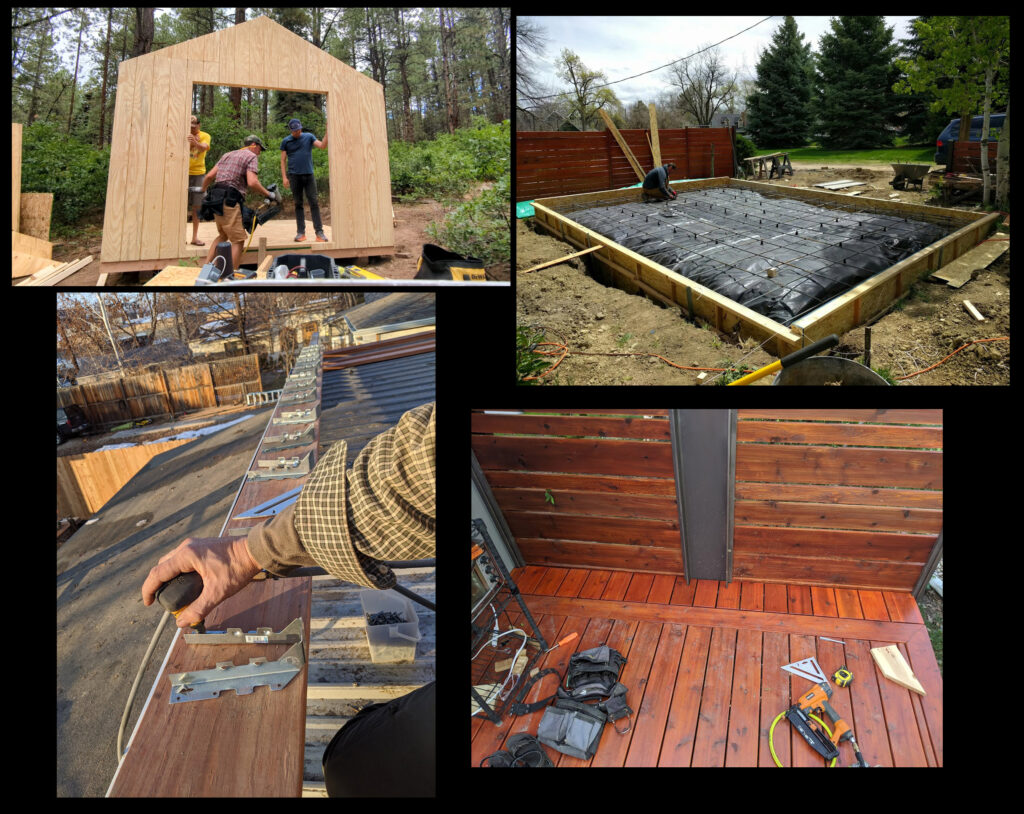
Having an affinity for architecture, beautiful spaces, and functional environments, he frequently tackles complex construction and renovation projects. Rather than purchasing newly built, highly priced properties or hiring expensive labor to fix flaws, he spends a significant portion of his free time redesigning older buildings on both his own properties and those of his friends. This hands-on approach removes the fear and financial dependence traditionally associated with home maintenance, empowering individuals to preserve and improve their living spaces with their own two hands. By eliminating contractor markups and professional service fees, this hobby translates to an estimated savings of roughly $20,000 per year, which compounds to an impressive $287,000 over the course of a decade.
Community Sharing Over Retail Consumption
Another pillar of the modern Mustachian lifestyle involves a deliberate rejection of immediate, frictionless consumerism in favor of community-driven resourcefulness. While having enough financial freedom to purchase high-quality retail goods delivered directly to one’s doorstep is convenient, the blogger argues that an even more rewarding path involves sharing, repurposing, and sourcing items from peers who no longer need them.
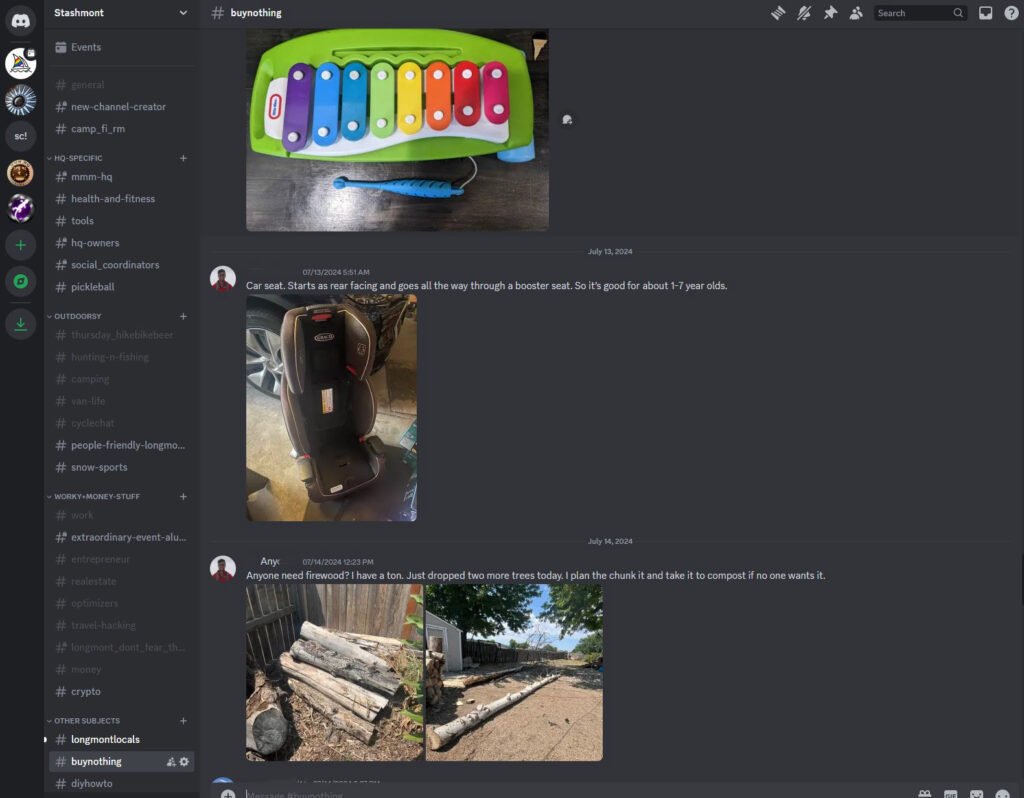
Platforms like Craigslist, Facebook Marketplace, and localized groups on applications like NextDoor facilitate a circular local economy. Within the community network surrounding the author’s headquarters, local participants maintain a dedicated digital space where they coordinate major projects, trade professional advice, and give away or sell unneeded household items. By regularly leveraging these peer-to-peer channels rather than buying brand-new retail items, the blogger estimates he preserves thousands of dollars annually, adding up to roughly $42,000 per decade.
Prioritizing Active Transportation
Transportation choices remain one of the most visible hallmarks of the Mustachian philosophy. While automobiles remain a practical necessity for many, the author continues to advocate for bicycle transit and walking as superior alternatives for local mobility. Referencing previous analyses on the true cost of commuting, he notes that automobiles routinely cost significant amounts per mile to operate due to steep depreciation, insurance, fuel, and ongoing maintenance.
Living centrally within a small city allows the blogger to complete the vast majority of his local errands on two wheels or on foot. Although his hyper-local lifestyle accumulates a modest 2,000 miles per year of active transport, the resulting reduction in vehicle expenses yields thousands in direct savings each decade. More importantly, however, active transportation fundamentally alters an individual’s physical and mental health landscape for the better, tying directly into the broader philosophy of favoring muscle over motor whenever possible.
Choosing Physical Exertion for Health and Wealth
Whenever faced with a choice between a mechanized convenience and physical exertion, the blogger consistently leans toward physical effort. Opting for stairs instead of elevators, walking golf courses instead of riding in carts, moving heavy furniture independently, and handling seasonal landscaping tasks like shoveling snow and raking leaves rather than relying on motorized equipment are daily occurrences.

When evaluating these choices, the central question is whether the individual desires more health and fitness or less. By treating the human body with a strict use-it-or-lose-it mentality, practitioners maintain functional strength well into later life. While calculating the exact financial return of physical labor can be challenging, the broader economic impact is profound when contrasted against national healthcare expenditure averages. Maintaining a lifetime of robust health with virtually zero medical intervention or chronic medication costs translates to conservative estimated savings and productivity benefits reaching $140,000 per decade.
Energy Efficiency and Micro-Experiments
The blogger’s penchant for home experimentation also plays a notable role in his daily routine. Describing his personality as an unconventional hybrid of an engineer, a carpenter, an artsy hippie, and a homebody, he frequently redesigns his living space to maximize passive energy efficiency. Projects include cutting structural openings on the southern exposures of buildings to install sliding glass doors and oversized windows, allowing natural sunbeams to provide free thermal heating during harsh winter months.
While the local climate and structural modifications require ongoing effort, the financial impact is clear. Where standard combined gas and electric utility bills in his region frequently hover at high monthly averages, his optimized usage remains a fraction of that cost. Though these energy-saving measures accumulate a modest direct savings over a ten-year span, the real value lies in the personal satisfaction derived from living comfortably within an environment tailored for maximum efficiency.

Savoring Local Living and Domestic Retreats
Finally, the lifestyle philosophy places a high premium on local contentment over constant, expensive travel. During peak vacation seasons, when many households invest heavily in distant getaways and crowded tourist destinations, the blogger often remains at home, hosting visitors and enjoying local natural amenities like nearby lakes and parks.
By selectively declining travel plans that require being away from home for extended periods and instead embracing domestic routines, families can achieve remarkable financial milestones. Replacing a fraction of heavy annual travel schedules with equivalent time spent fostering local friendships, community engagement, and home-based relaxation preserves thousands of dollars in direct trip expenses, alongside incidental benefits to personal well-being. According to conservative projections, reducing high-cost travel in favor of local living can compound into substantial wealth increases over a decade.
The Broader Impact of Everyday Choices
When tallied together, these everyday habits and intentional lifestyle quirks compound into figures that far exceed the median wealth accumulated by typical seniors entering traditional retirement after decades of conventional employment. For the financial blogger and many members of his community, these practices are not rigid sacrifices enforced by financial desperation, but rather conscious choices rooted in a deep enjoyment of efficiency, creativity, and self-reliance.
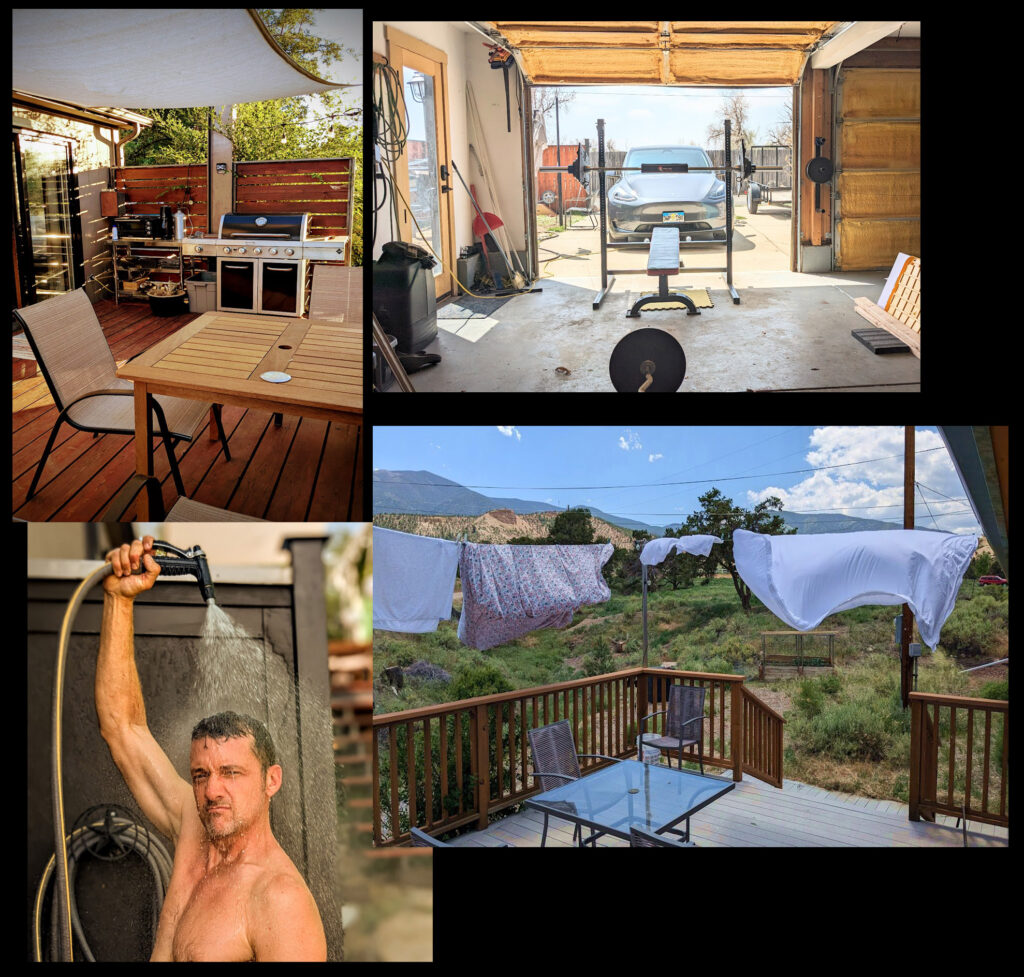
While severe financial constraints may require more drastic measures for some, the underlying message of the Mustachian philosophy remains that massive lifestyle overhauls are rarely necessary. By making deliberate tweaks to daily routines to favor resourcefulness and mindfulness over mindless consumption, individuals can fundamentally alter their financial and personal trajectories without sacrificing the quality of their everyday lives.