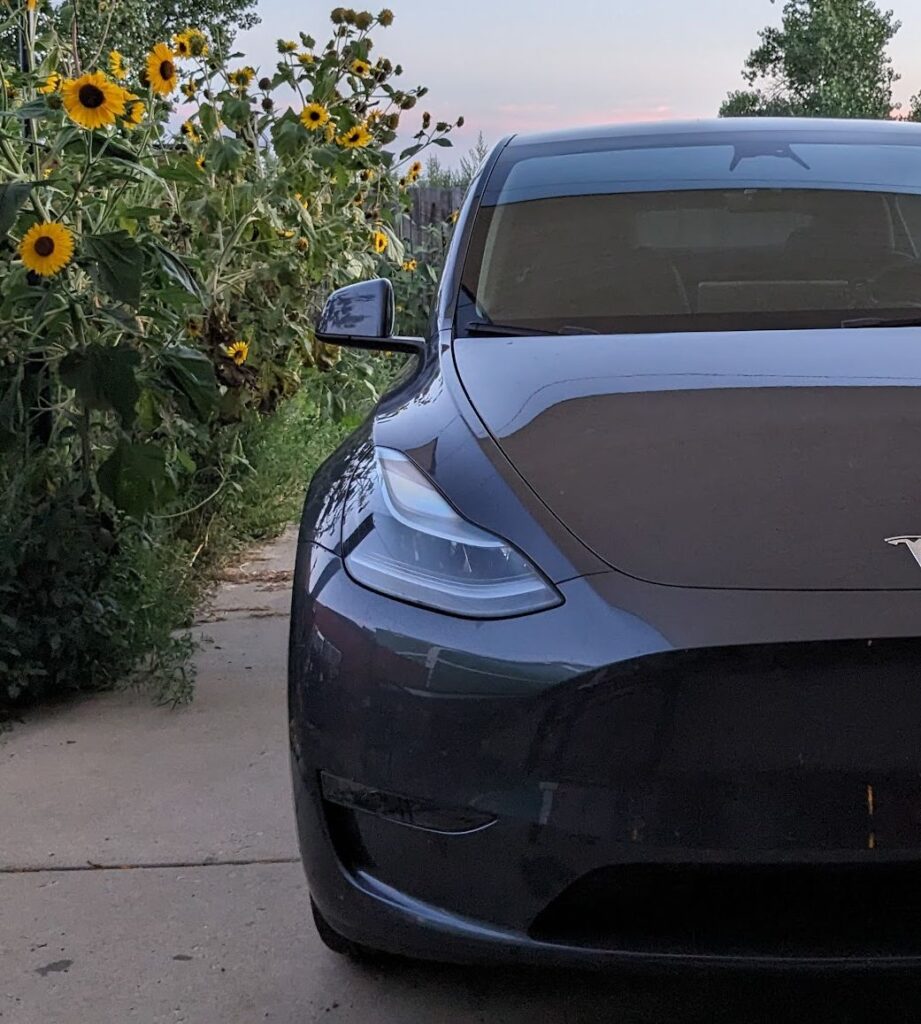
A couple of years ago, the blogger drew mild amusement and light critique from his dedicated readership when he published a post announcing he was intentionally trying to spend a bit more money, kicking off the lifestyle shift by purchasing a Tesla Model Y. At the time, the experiment felt like an amusing exercise in middle-aged habit-adjusting—an impulsive pivot from decades of legendary frugality toward what he imagined a wealthy person’s life ought to look like.
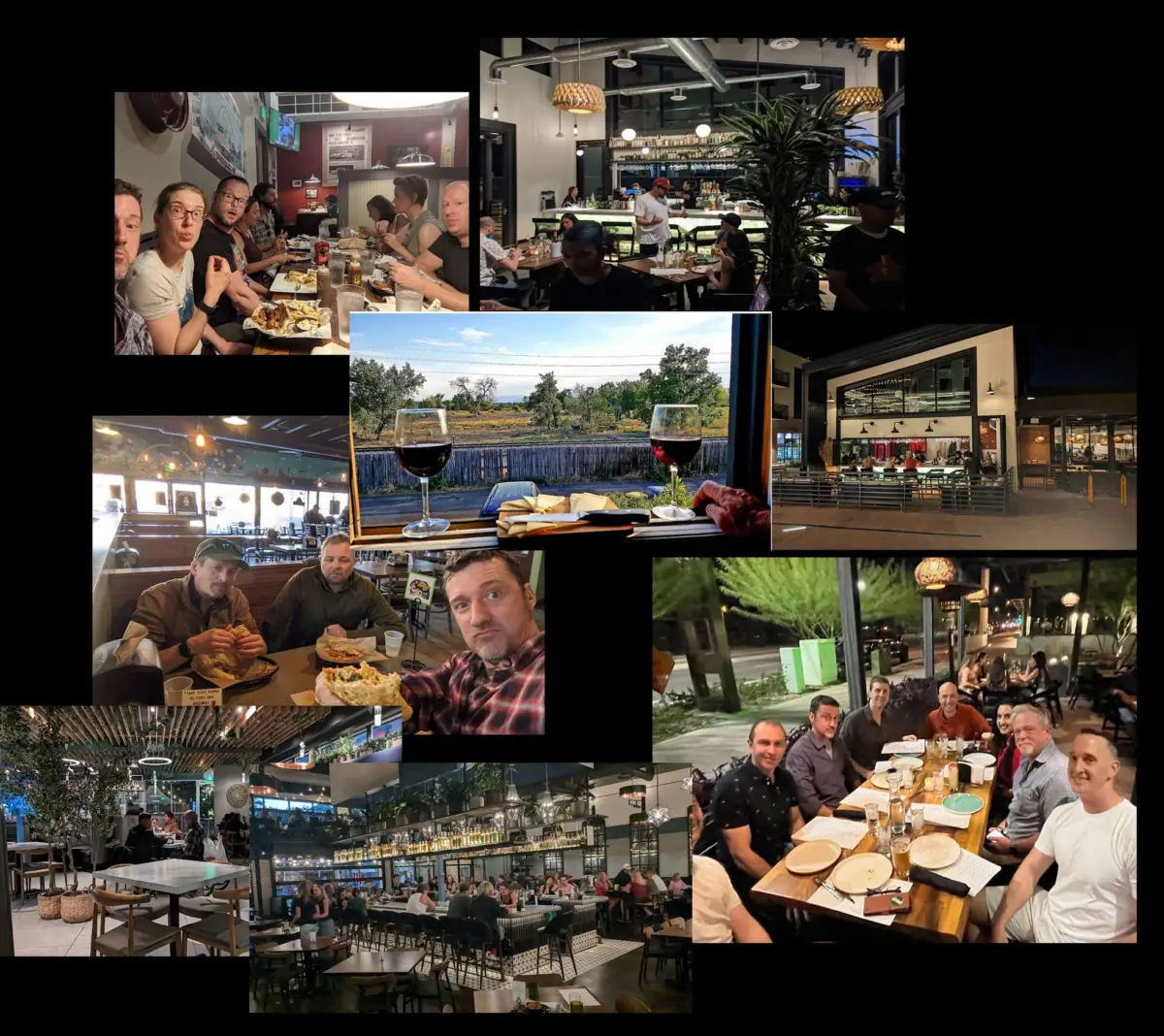
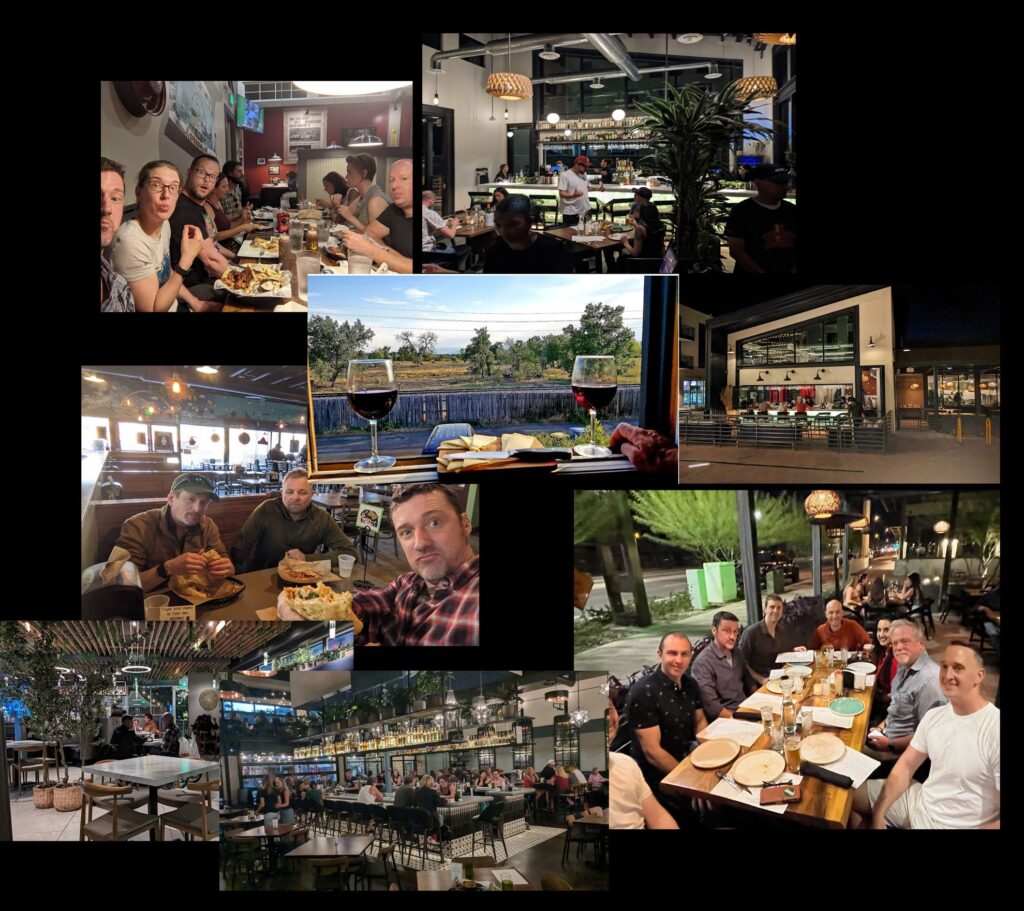
In the time since that initial purchase, the author embraced a lifestyle defined by greater abundance. Traveling extensively, he adopted habits far removed from his historical baseline of extreme thrift. He dined out at stylish restaurants, booked hotels based on comfort rather than bargain pricing, paid extra for upgraded airline seats to minimize travel discomfort, and casually shopped at upscale grocers like Whole Foods without worrying about inflated prices, alongside maintaining memberships at both Sam’s Club and Costco.
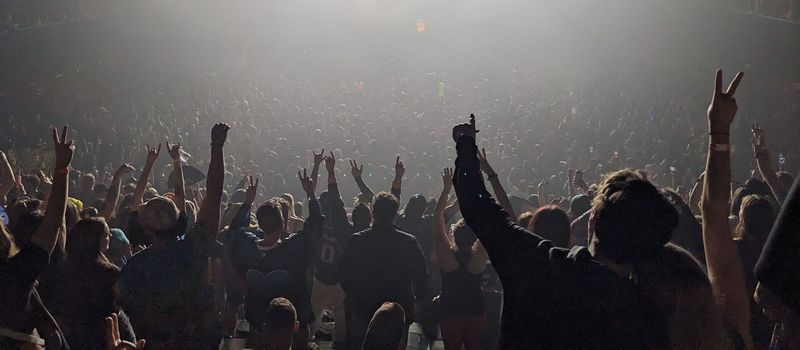
His calendar reflected this newfound openness to spending. Alongside his young adult son, he attended a selection of late-night electronic dance music concerts and visited three different Meowwolf art venues, including a spontaneous Christmas Day road trip from his winter base in Tempe, Arizona, to Las Vegas. Operating largely as a single man for much of the period, his schedule remained wide open to meet friends, explore unfamiliar regions, and say yes to spontaneous travel opportunities. The year felt like an adventurous transition, stretching subjective time far beyond the boundaries of a standard twelve-month calendar.
With all of this flashy spending accumulating, he fully expected his annual budget to creep back into standard American consumer territory. Yet, because he was having too much fun experiencing the world, he neglected to tally the numbers along the way.
The reality check finally arrived when he was conducting informal financial coaching for a friend, prompting the pair to tally their spending for the past year to compare notes. When he sorted his transactions into a spreadsheet and hit the sum button, the final tally came as a genuine surprise.
While his overall expenditures had indeed ticked upward—particularly within travel-related categories—the macroeconomic effect on his broader financial picture remained remarkably minimal. Depending on how capital expenses like the vehicle and distinct business operations are accounted for, his total annual personal and lifestyle spending landed right around $30,000, up from historical baselines closer to $20,000, not including the hidden subsidy of a fully paid-off home.
This level of expenditure remains comfortably sustainable under the classic four percent rule by a modest $1 million investment portfolio. Because his actual investment nest egg sits significantly higher than that threshold—bolstered by years of robust economic growth and a resilient stock market rally—his spending remains well within safe parameters.
Though he humorously notes he "failed" to genuinely inflate his lifestyle to the levels recommended for traditionally wealthy seniors, the outcome brought a positive conclusion. He genuinely enjoyed the psychological shift of an abundance mindset and plans to continue exploring life experiments in the coming years. Reflecting on a 2019 concept regarding an "optimization council," he emphasized the enduring value of comparing spending habits and sharing life hacks to maximize personal fulfillment.
A granular look at the final budget breakdown reveals where the money actually went over the course of the year. Groceries totaled $5,960.39, covering food for himself, his young adult son approximately half the time, and occasional houseguests. Restaurant spending reached $2,243.59, reserved strictly for social outings and special occasions rather than simple convenience meals. Travel expenses accounted for $6,158.77, which included business-related trips to events like the Camp Fi conference.
Utilities added $1,909.51 to the ledger, while Amazon and household expenses hit $3,554.10, though roughly 75 percent of those business-related outlays represented construction materials purchased for clients—typically friends—who reimbursed him via invoice. Spending on wine and alcoholic beverages for entertaining stood at a modest $250.67.
Healthcare costs totaled $3,536.66, kept relatively low through a membership with a Direct Primary Care subscription clinic combined with a high-deductible health-sharing organization known as Sedera Health, alongside out-of-pocket spending on advanced screening blood tests for educational purposes. Automobile expenses, strictly comprising insurance and registration, came to $2,425.21, exclusive of a separate accounting for vehicle depreciation. Phone and internet services totaled $1,410.56, featuring a high-speed gigabit internet connection alongside a modest mobile phone plan. Finally, property taxes amounted to $2,577.30, remaining remarkably reasonable given the prevailing market values of homes in his neighborhood.
In total, personal card spending accounted for $20,284.67, while business card transactions added $9,742.09, bringing the grand total to $30,026.76. Comparing these figures to his documented 2019 spending habits, the totals remain remarkably stable despite notable recent inflationary pressures. He spent significantly more on travel and entertainment, offset by lower expenditures on home renovations due to being away from the property more frequently. Health insurance also represents a newly introduced recurring cost compared to his past self-insured status.
The most substantial structural savings in his financial model stem from the complete absence of housing payments. Having paid off his mortgage long ago, and maintaining a personal preference for handling his own property maintenance, he avoids ongoing bills for lawn care, plumbing repairs, tree pruning, and handyman services. While he acknowledges that this approach diverges from conventional financial optimization—noting he technically would have fared better taking out a large 3-percent mortgage in 2021 and investing the capital into stock index funds—the psychological peace of mind derived from having no mortgage payment holds immense personal value. Furthermore, eliminating the requirement for traditional homeowner’s insurance saves an additional $2,000 annually, enhancing the effective return on that historical home payoff.
On the healthcare front, continuing good health and fortune meant zero major medical incidents over the period. By pairing a Direct Primary Care clinic membership costing roughly $107 per month with a high-deductible health-sharing plan through Sedera costing about $201 monthly, his combined monthly expenditure of roughly $308 undercuts standard bronze-tier commercial health insurance plans while providing personalized, low-deductible primary care alongside catastrophic financial protection.

Evaluating future optimization, the blogger emphasizes that money ultimately functions as a tool for survival and self-actualization. Citing the psychological principle that resolving persistent problems yields greater happiness than doubling down on areas already functioning well, he notes that his family, relationships, health, food, and daily activities are already optimized.
The primary friction point in his current lifestyle is physical space constraints. Managing space-intensive hobbies like construction and woodworking within a relatively small two-car garage measuring roughly 440 square feet creates regular spatial chaos. While doubling his workshop space to around 1,000 square feet would provide welcome relief, his deep attachment to his current neighborhood, views, and neighbors makes relocation unlikely unless a rare local opportunity materializes. Longer-term ideas, such as acquiring a mountain compound featuring private streams and natural acreage, remain tabled for now to avoid overcomplicating an already vibrant daily schedule.
As he looks toward the horizon, the focus remains firmly on maintaining momentum, managing active projects, and embracing the challenges of the year ahead with an open and abundant perspective.