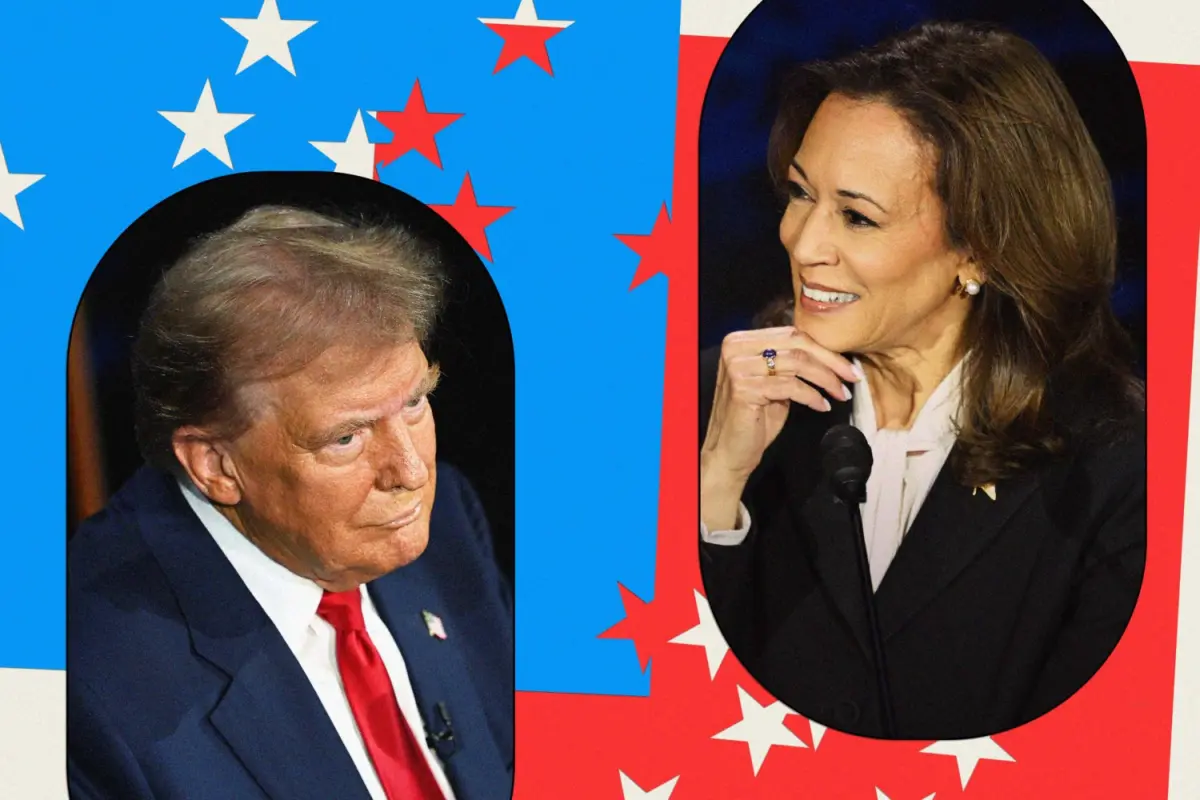
Yet, when political campaigns veer into distortions regarding money, the broader economy, and national wealth, it becomes necessary to look past the political posturing and examine the underlying economic reality. Politicians have rarely been celebrated for their mastery of complex technical fields such as science, technology, or macroeconomics. During the current election cycle, however, public discourse has grown particularly strained as candidates attempt to sway undecided voters in crucial swing states with narratives driven more by emotional appeal than sound economic principles.
A striking example of this dynamic involves opposition attacks labeling the incumbent administration’s record as a "bad economy," despite objective metrics indicating that the United States economy remains exceptionally robust, supported by historically low unemployment rates. It is difficult to conceptualize a fundamentally healthier macroeconomic environment, and recent bouts of elevated inflation largely serve as an indicator that the economy was expanding at a rapid pace, necessitating the application of monetary brakes through higher interest rates.
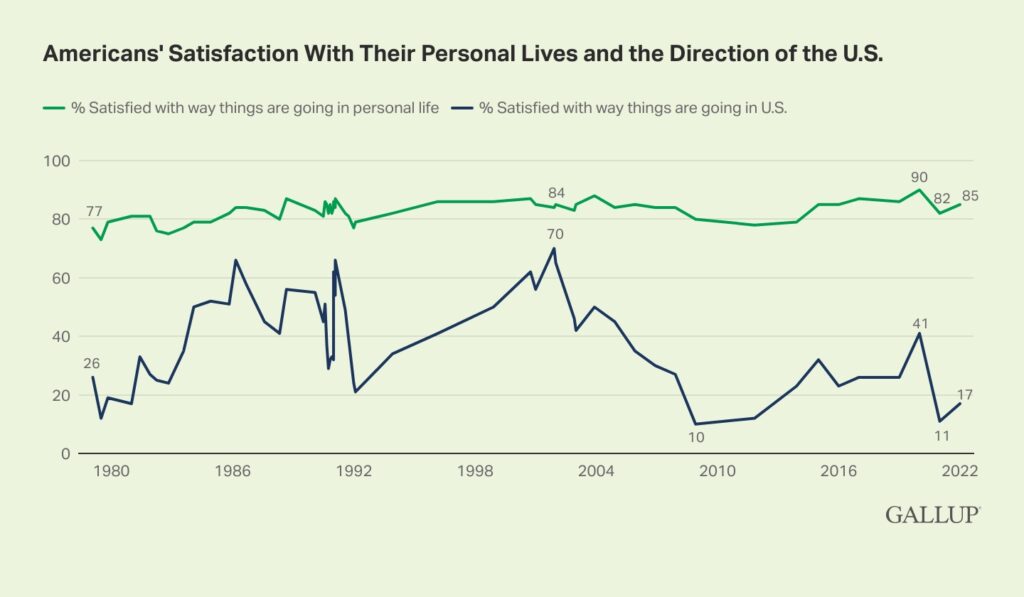
Despite these positive indicators, public perception frequently diverges sharply from statistical reality. Polling data from Gallup illustrates a fascinating psychological disconnect: while the vast majority of respondents report that their personal financial situations are thriving, a starkly small fraction believe the national economy is performing well. Statistically, this widespread pessimism creates a paradox, as a thriving populace inherently defines a strong economy. Analysts note that this divergence correlates closely with the rapid proliferation of economic misinformation across digital and social media platforms.

While citizens can simply tune out the political posturing, economic literacy remains a powerful tool. A clearer understanding of how economic systems genuinely operate empowers individuals to navigate their financial lives more effectively. To address these widespread misconceptions, financial and economic commentators have increasingly focused on dismantling the persistent myths propagated by political figures across the ideological spectrum.
The Reality of Presidential Influence
A foundational misconception perpetuated during election cycles is the notion that the sitting president directly controls the national economy. When a recession strikes, opposition parties routinely lay the blame squarely at the feet of the current administration. Conversely, when economic indicators trend upward, the incumbent executive is quick to claim personal credit for the expansion. In truth, the United States economy is far too vast—and fundamentally too decentralized—for any single political figure to exert absolute control or even overwhelming short-term influence.
The American economic machine operates as a massive, complex enterprise that converts labor and raw materials into goods and services ranging from everyday consumer products to advanced medical infrastructure. Although the United States represents the largest single national economy, accounting for a significant portion of global activity, it remains deeply interconnected with and influenced by the vast remainder of international economic production.
Natural economic cycles of expansion and contraction are largely driven by periodic shifts in market sentiment, ranging from speculative exuberance—such as the events leading up to the 2007 housing boom—to subsequent phases of acute risk aversion, exemplified by the 2008 financial crisis. While government policies involving taxation and regulatory frameworks play a part, the effects of these policies are frequently delayed and obscured by complex global variables. Consequently, drawing a direct, immediate causal link between a specific president and the state of the economy at any given moment oversimplifies a massive global ecosystem.
Monetary Policy and the Federal Reserve
Another recurring theme in campaign rhetoric involves promises from candidates to actively manage or lower interest rates, often accompanied by expressions of sympathy for middle-class consumers facing elevated borrowing costs on mortgages, auto loans, and credit cards. Some political figures have even suggested challenging the institutional independence of the Federal Reserve board members, whose core functions rely upon operating free from direct partisan political interference.
In practice, monetary policy serves as a critical stabilization tool rather than a political lever to be manipulated for short-term electoral gains. When economic momentum slows and unemployment rises, strategic reductions in interest rates can stimulate borrowing, job creation, and asset prices. Conversely, when the economy overheats, rising inflation can destabilize purchasing power. Allowing a sitting executive direct control over these levers risks compromising the long-term stability of the financial system, a lesson underscored by historical economic crises in other nations where monetary policy was subjugated to political directives.
Inflation, Wages, and Corporate Behavior
Public anxiety surrounding inflation remains a cornerstone of political messaging, with candidates frequently portraying recent price increases as an unmitigated disaster while promising to magically roll back consumer costs. The reality of the post-pandemic economic landscape is more nuanced. Rapid inflation following the COVID-19 pandemic was driven by a unique convergence of supply chain bottlenecks, remote work shifts, government stimulus spending, and historically low interest rates. As global markets rebalanced, inflation normalized significantly.
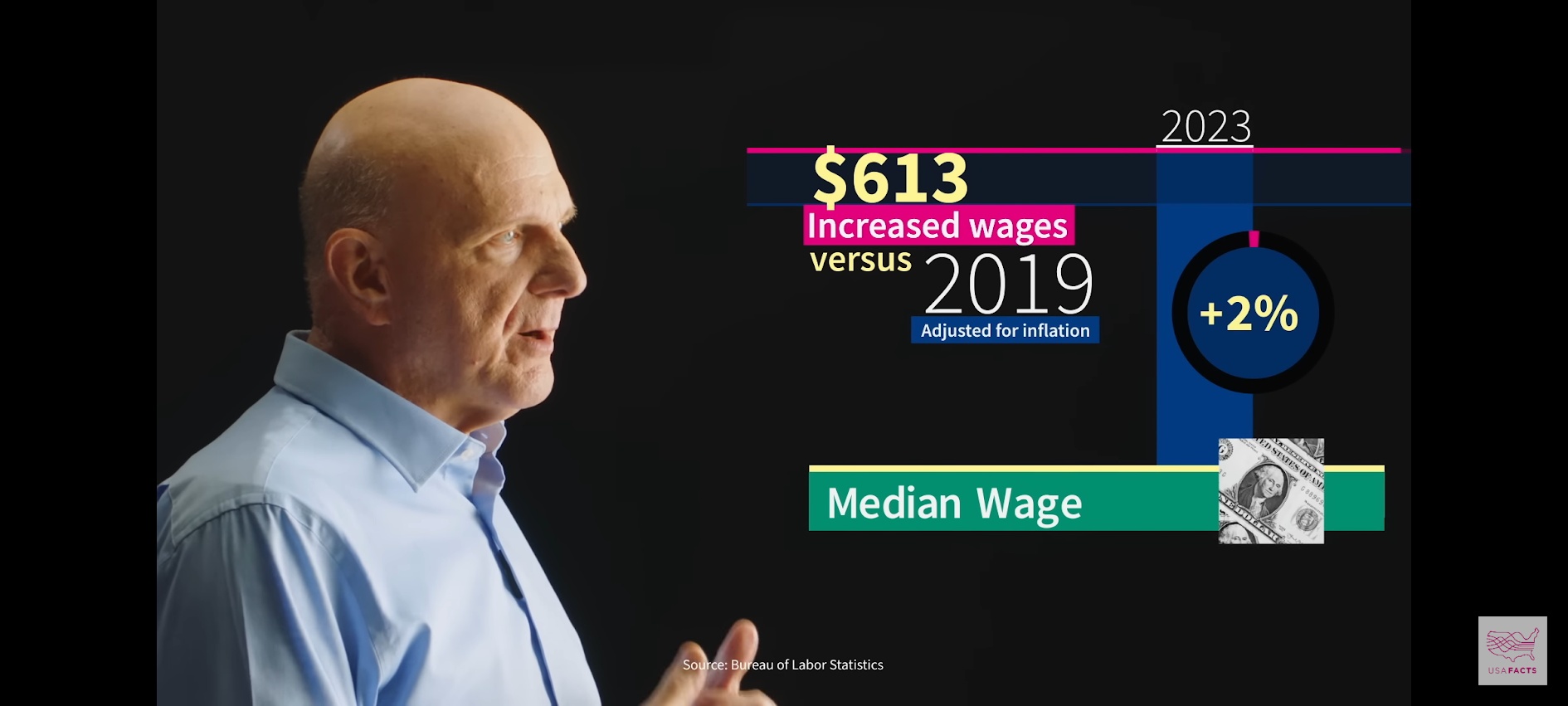
Crucially, comprehensive wage growth has outpaced overall inflation over the extended term. Since 2019, while general consumer prices have risen substantially, aggregate wages have climbed at a slightly higher rate, leaving the average household in a stronger financial position overall. Despite this data, political campaigns continue to treat inflation as an ongoing catastrophe, conflating normal price and wage growth with systemic economic failure.
Concurrently, politicians occasionally point to corporate greed as the primary driver of inflation. However, empirical studies of market sectors, including detailed analyses of grocery pricing trends, indicate that highly competitive market structures generally prevent businesses from extracting arbitrary windfall profits indefinitely through unjustified price hikes.
Housing Markets and Structural Supply Constraints
Housing affordability represents a genuine economic challenge that has worsened over the past decade, with home prices and rental rates outpacing general inflation and wage growth in many regions. Higher interest rates were intended to cool housing valuations, but the combination of elevated purchase prices and high borrowing costs has created persistent affordability hurdles for prospective buyers.
Proposed political interventions often focus on demand-side subsidies or interest rate manipulations, which critics argue can inadvertently exacerbate price pressures. Economists and housing advocates contend that the fundamental solution lies in expanding housing inventory by removing regulatory roadblocks. Measures such as streamlining municipal permitting processes, modernizing building codes, easing restrictive suburban zoning laws, and limiting local opposition to new development could significantly reduce construction costs and improve long-term market balance.
The Obsession with Gasoline Prices
Gasoline prices remain a perennial focal point of political rhetoric, yet they occupy a disproportionate amount of public attention relative to their actual impact on household budgets. When adjusted for inflation, gasoline remains comparably priced to historical levels seen decades ago. Furthermore, fuel expenditures represent a relatively modest percentage of total household disposable income for the average consumer, who often allocates substantially more financial resources toward overall vehicle ownership, maintenance, and financing costs.
As the transportation sector continues its long-term technological transition toward electric vehicles, the ongoing political focus on fossil fuel pricing increasingly resembles debates over obsolete technologies of past eras. The expanding availability of affordable electric alternatives offers consumers ways to bypass traditional fuel markets entirely while reducing overall maintenance expenditures.
Ultimately, economic discussions during election seasons frequently center on anxieties that overlook the broader picture of societal wealth and material abundance. While income distribution and equity remain valid subjects for policy debate through progressive taxation frameworks, the pursuit of endless economic expansion past the threshold of baseline material security offers diminishing returns regarding human happiness. As voters weigh competing political promises, distinguishing between campaign hyperbole and foundational economic realities remains essential for maintaining both financial clarity and perspective.