Historically, working from the road meant hunching over a tiny table in a hostel common room or engaging in frustrating negotiations with short-term rental hosts who confidently insisted their internet connection was exceptionally fast, only for it to fail at loading a basic email. These friction points often transformed remote work into an isolating and stressful endeavor, forcing professionals to choose between career progression and the enrichment of travel.
However, as remote work expanded dramatically in the wake of the global pandemic, a significant shift occurred within the hospitality and real estate sectors. A wave of dedicated coliving spaces emerged globally, designed to bridge a crucial gap in the market. These properties combine the operational infrastructure and productivity focus of professional coworking environments with the inherent social atmosphere of a traditional hostel, while omitting the basic amenities and multi-bed dormitories associated with budget backpacker lodging.
These spaces cater specifically to digital nomads and remote professionals seeking comfortable, reliable accommodations where they can execute their daily responsibilities while simultaneously connecting with peers who share similar lifestyles. Because remote work can frequently lead to professional isolation due to its solitary nature, these community-driven environments offer a vital social outlet.
Among the various platforms facilitating this hybrid lifestyle, Outsite has grown into one of the largest and most popular networks for remote workers, boasting a portfolio of aesthetically designed locations spanning multiple continents. Following a recent stay at the network’s property in Bordeaux, France, the evolving nature of coliving underscores broader shifts in how professionals approach location independence.

What is Outsite?
Founded in 2015, Outsite operates as a global network of integrated coliving and coworking spaces engineered specifically for remote employees, location-independent entrepreneurs, and digital nomads. The enterprise began with a single residential property in Santa Cruz, California, conceived to accommodate individuals who wanted to combine surfing with remote employment. In the years since, the network has expanded to encompass more than 50 distinct locations worldwide, serving a membership base exceeding 5,000 individuals.
While non-members can book stays at various locations across the network, recurring participants who secure a membership unlock access to preferential pricing tiers and additional operational perks. The platform offers two primary membership structures: an annual fee of $199 or a lifetime membership option priced at $499. Benefits tied to these memberships include entry to members-only properties, a complimentary week of stays in newly launched destinations, steep discounts during flash sales, reduced rates on extended bookings, invitations to exclusive new-member mixers, access to internal job and sublet boards, and various lifestyle partnerships.
The user experience is streamlined through a digital platform. Users navigate the website, filter properties by geographical destination or desired environment—such as beachfront settings, urban centers, or mountainous regions—and secure private room bookings directly online.
How Does Outsite Work?
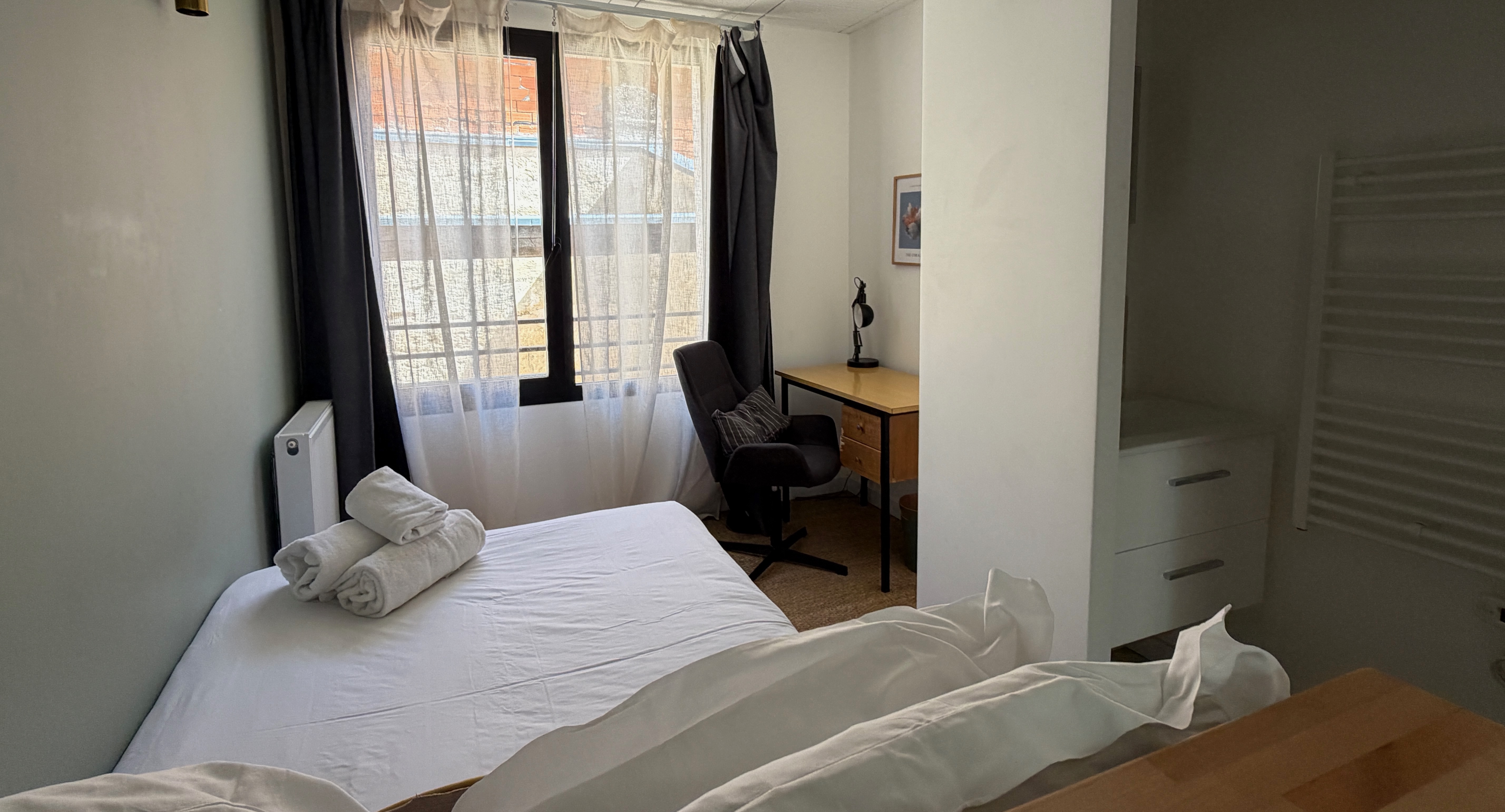
In practice, Outsite functions as a hybrid between a boutique hotel and a shared professional workspace. Guests booking a stay reserve a private bedroom, with the majority of rooms featuring en-suite bathrooms, though select budget-conscious options feature shared bathrooms servicing no more than two rooms.
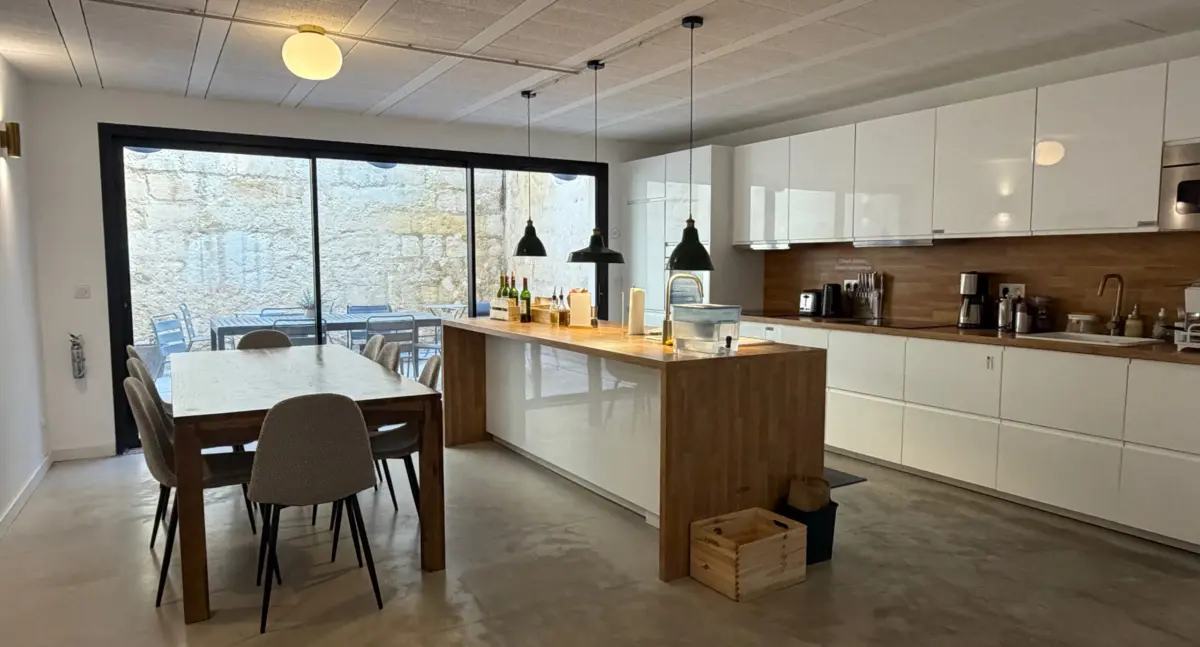
Every location incorporates expansive, professionally furnished communal areas designed to foster community interaction. Guests gain access to fully equipped chef-style kitchens that far exceed the amenities typically found in standard short-term rentals, alongside spacious living rooms, outdoor patios, and, depending on the property, rooftop decks or swimming pools.
Crucially, every property integrates a dedicated coworking facility directly into the physical footprint of the house. These workspaces are outfitted with ergonomic office seating, ample electrical outlets, external monitors available for connection, and enterprise-grade, high-speed Wi-Fi. This setup allows residents to transition from their sleeping quarters to a fully functional, professional desk within minutes of waking up.
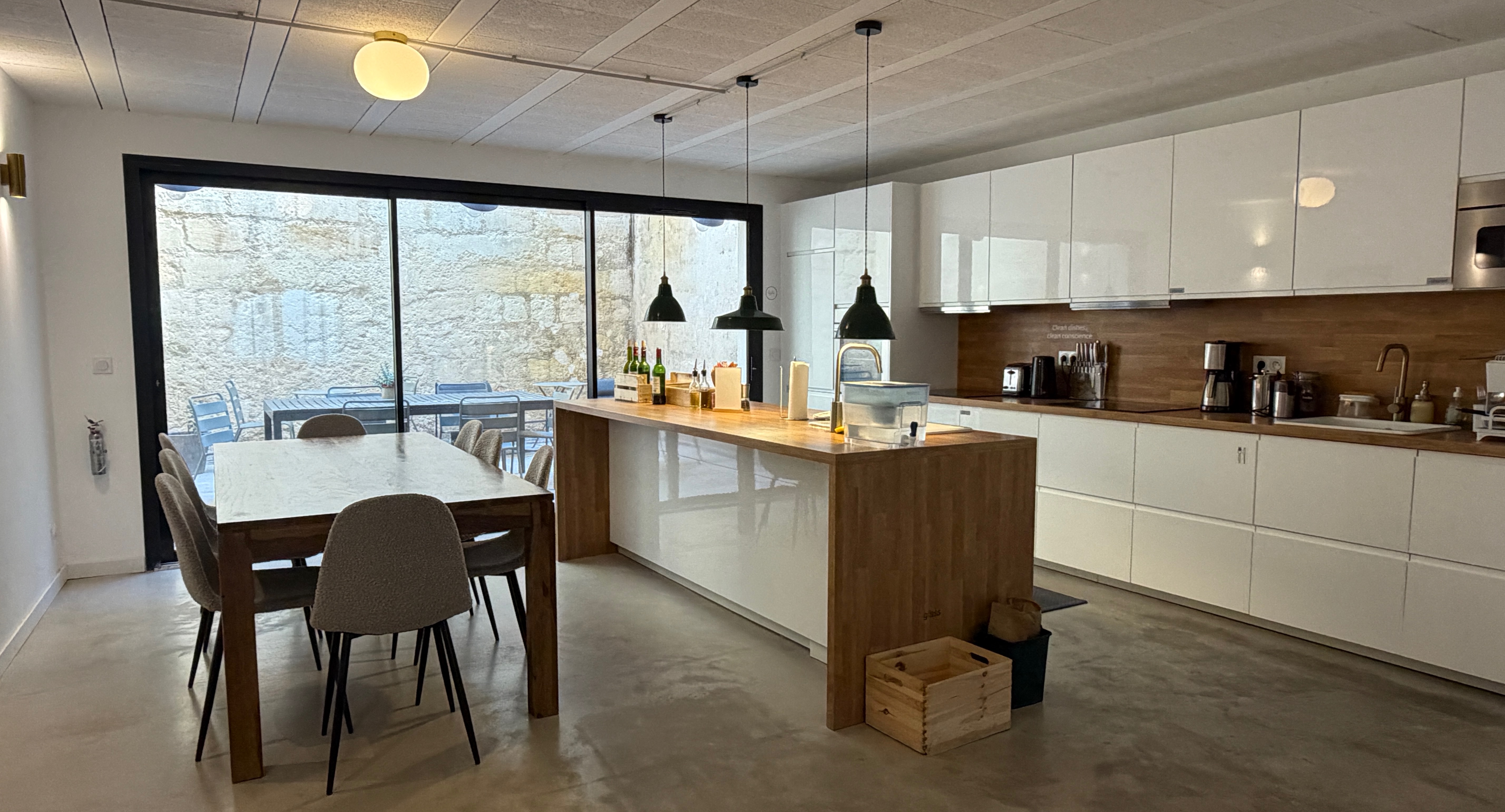
Beyond physical infrastructure, the social dimension is managed through on-site personnel known as community managers. Prior to arrival, incoming guests are integrated into local messaging groups, while management coordinates a schedule of weekly events. These activities frequently include family-style dinners, group weekend excursions, Friday evening tapas outings, and morning wellness sessions like yoga, creating structured opportunities for interpersonal connection.
Community managers also serve as localized resources, offering insider knowledge regarding dining recommendations, neighborhood navigation, and logistical support throughout a guest’s stay.
What Makes Coliving Distinctive
The physical properties themselves are generally characterized by modern interior design, incorporating natural light, indoor foliage, and locally sourced artwork, deliberately avoiding the sterile, standardized atmosphere typical of corporate business hotels. Shared facilities, including kitchens and laundry areas, receive daily professional cleaning, and complimentary coffee and tea are provided as standard amenities.
For many professionals, however, the primary advantage of the coliving model remains the built-in community. Traditional remote work setups in hotels or public cafes often leave individuals surrounded by transient travelers who may not understand or relate to the demands of a standard workday. In contrast, coliving spaces house peers who share similar professional realities, balancing career obligations with personal leisure. Because many guests commit to stays lasting two weeks or longer, and supported by organized weekend programming, residents often form lasting professional and personal bonds.
Operational Considerations and Challenges
Despite the advantages, coliving networks are not positioned as budget-oriented alternatives for backpackers accustomed to low-cost dormitory accommodations in regions like Southeast Asia. Guests pay a clear premium for private rooms, guaranteed workspace infrastructure, and curated community management. However, advocates note that when factoring in the cumulative expense of renting an independent apartment alongside a monthly subscription to a separate coworking facility, the financial disparity narrows significantly.
Additionally, high demand for popular properties means that flagship locations in major cultural hubs or seasonal hotspots often book out months in advance, reducing spontaneity for travelers who prefer to make last-minute plans.
Frequently Asked Questions
Membership is not a strict prerequisite for booking accommodations across the network, as non-members are permitted to reserve stays. However, for individuals planning extended travel, the annual membership fee frequently offsets itself quickly through reduced nightly rates.
While there is no strict upper age limit for guests, visitors must meet a minimum age requirement of 18, which increases to 21 at select international properties. The demographic profile largely consists of working professionals in their late twenties, thirties, and forties, skewing older than traditional youth hostels.
Minimum stay requirements vary by property; most locations enforce a two-night minimum, facilitating weekend getaways, while specific metropolitan areas governed by strict local housing regulations may mandate thirty-day minimum stays. Due to the communal nature of shared living spaces and kitchens, pets are generally prohibited across the network to maintain guest comfort and manage potential allergy concerns.
Ultimately, platforms like Outsite reflect the ongoing evolution of the digital nomad lifestyle, demonstrating that remote work no longer requires sacrificing professional ergonomics, residential comfort, or a reliable social network in exchange for global mobility.