
This dramatic turnaround has sparked widespread public debate. While financial media outlets have spent months covering each incremental rate hike with breathless, play-by-play analysis, a more fundamental question often gets overshadowed by the noise: Beyond the macroeconomic headlines, what does this actually mean for personal financial strategy, and how should people respond?

To understand how we arrived at this juncture, it helps to look at the mechanism driving the change. Interest rates function essentially as a giant gas pedal for the broader economy. For the better part of two decades, central bank leadership maintained persistent pressure on that pedal, injecting a steady stream of low-cost capital into the financial system through historically low rates.
This prolonged era of cheap money fueled broad economic expansion. Mortgages became exceptionally affordable, encouraging families to purchase homes and driving robust demand across both the existing housing market and new construction sectors. Simultaneously, low borrowing costs and abundant venture capital empowered entrepreneurs to launch new enterprises, lease office space, construct facilities, and hire workforces. Employees, in turn, funneled those wages back into the consumer market, purchasing automobiles, appliances, technology, and other pillars of modern economic life.
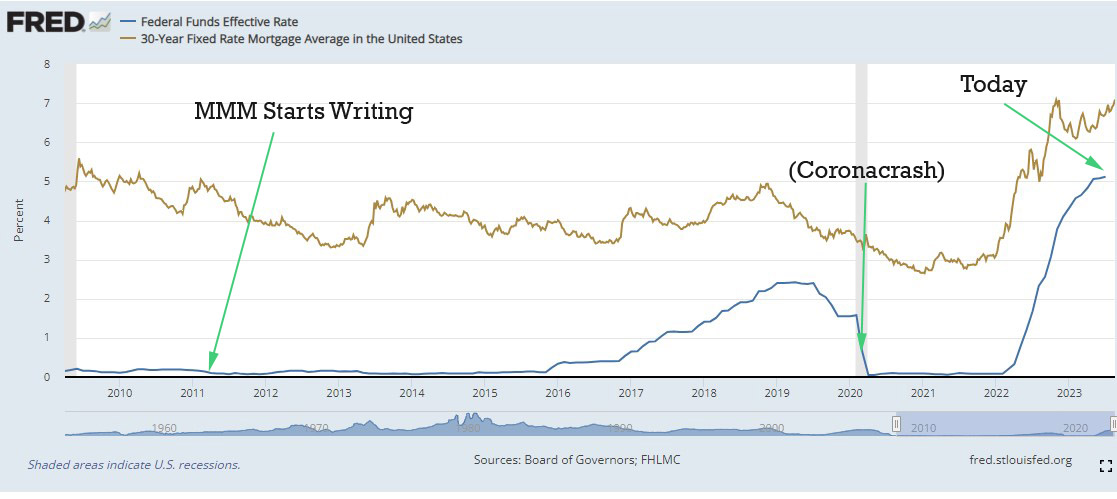
This extended period of monetary stimulation underpinned two decades of considerable economic growth, innovation, and general prosperity. However, the prolonged stimulus eventually created imbalances, most notably an excess of circulating capital chasing a limited supply of goods—particularly residential housing. This dynamic ignited a wave of rapid inflation, prompting monetary policymakers to ease their foot off the economic gas pedal.
As central banks lifted interest rates to cool inflationary pressures, the broader economy began to react. Borrowing costs for mortgages surged, causing many prospective homebuyers to temporarily shelve their purchasing plans. Corporations faced with expensive debt scaled back capital expenditures, delayed the construction of new facilities, and slowed hiring initiatives. High-profile corporate restructurings and workforce reductions at major technology firms followed suit, accompanied by a localized banking stress event that briefly rattled investor confidence.

Public discourse surrounding these shifts has been predictably polarized. Political commentators across the ideological spectrum frequently characterize the current climate as a period of economic hardship. Yet, this narrative sits in stark contrast with broader labor market indicators, including historically low unemployment figures and resilient economic output that has repeatedly surprised professional forecasters. Rather than a systemic downturn, many analysts view the current environment as a necessary cooling period following years of intense economic stimulus.
Evaluating Market Strategy: Equities and Cash
For everyday investors navigating this environment, a central dilemma involves how to manage equity portfolios in the face of potential market volatility. Historical data demonstrates that the equity markets trend upward over extended horizons, punctuated by unpredictable corrections. Because these market fluctuations are notoriously difficult to time with precision, attempts to cycle in and out of equities frequently erode long-term returns.

Following a peak at the start of 2022, the broader United States equity market experienced a notable retracement, trading roughly flat over a multi-year stretch when excluding baseline dividend yields. For long-term investors focused on regular index fund accumulation, lower asset valuations effectively represent discounted pricing on future earnings.
Simultaneously, rising yields on cash equivalents, money market funds, and short-term debt instruments have introduced a competing option for capital allocation. With short-term savings vehicles offering yields surpassing historical averages, conservative savers face a choice between the stability of guaranteed yield and the long-term growth potential of equities. While guaranteed returns appear attractive during periods of market uncertainty, equities retain the advantage of long-term compounding and intrinsic asset repricing during inflationary cycles.

The Real Estate Equation
Nowhere has the impact of higher interest rates been felt more acutely than in the housing market. The transition from historical mortgage rates near three percent to levels exceeding seven percent has fundamentally altered the economics of homeownership.
For prospective buyers utilizing typical financing structures, monthly housing costs have risen dramatically, pricing many out of the market or significantly reducing their purchasing power. Conversely, existing homeowners holding low fixed-rate mortgages face a strong disincentive to sell, creating a stagnant supply of available inventory.
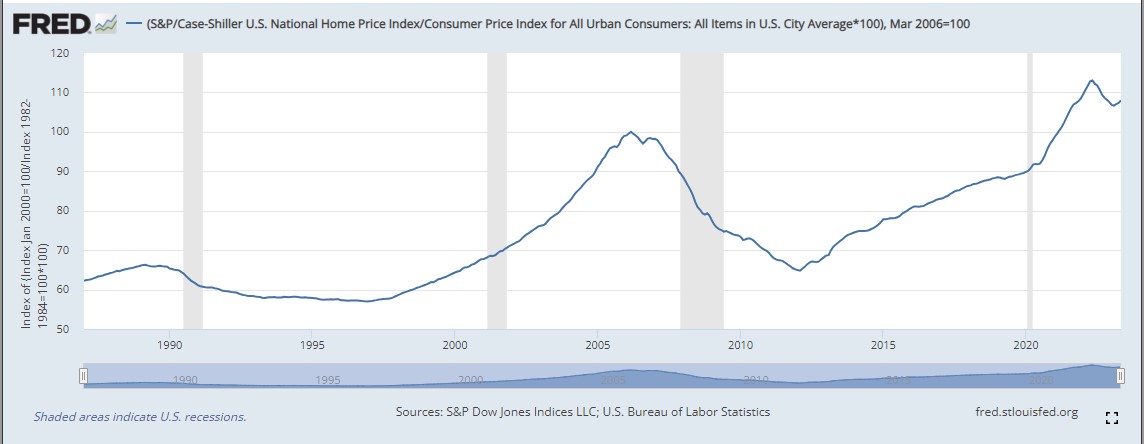
This dynamic is designed to exert downward pressure on housing demand, slow price appreciation, and eventually restore equilibrium to the property market. However, housing prices remain tied to fundamental supply and demand mechanics, which are further complicated by structural factors such as construction costs, regulatory hurdles, and localized zoning policies.
While technological efficiencies and global trade have historically helped moderate the costs of building materials and components, increasing regulatory red tape and local zoning restrictions have constrained new housing supply in many regions. Consequently, while higher borrowing costs have begun to cool runaway price growth, the long-term trajectory of housing affordability will depend heavily on whether municipalities can successfully streamline development and expand inventory.
Looking Ahead: The Future of Interest Rates and Economic Indicators
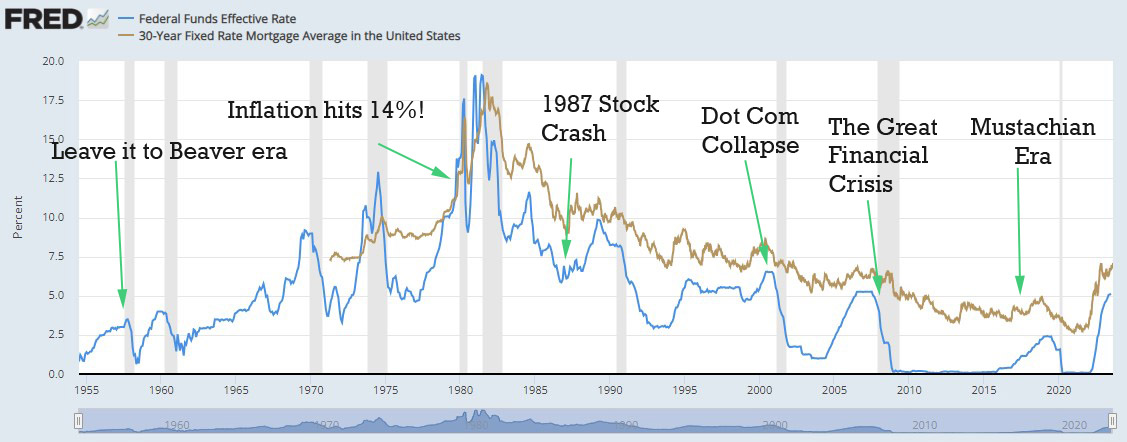
The prevailing interest rate environment appears elevated only when viewed through the prism of the post-2009 era of ultra-low monetary policy. Over a broader multi-decade historical timeline, current rates align closely with long-term averages, suggesting that borrowing costs may remain stable rather than staging an immediate retreat.
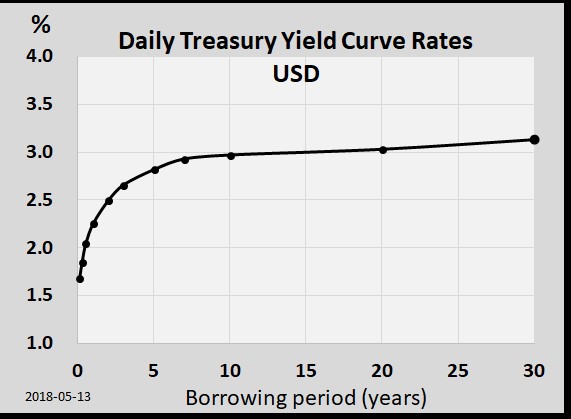
Market expectations regarding future rate cuts are currently reflected in the behavior of the U.S. Treasury yield curve. An inverted yield curve—where short-term yields significantly exceed long-term yields—historically signals that bond investors anticipate future economic deceleration and subsequent monetary easing by central banks. Throughout modern financial history, inverted yield curves have frequently preceded economic recessions, serving as a closely watched indicator for institutional investors.
Ultimately, macroeconomic fluctuations in interest rates and housing valuations remain outside individual control. Maintaining a disciplined approach to personal finance, focusing on sustainable saving and earning habits, and preserving financial flexibility remain the most effective methods for navigating shifting economic cycles. By building a strong foundation of personal capital, individuals can weather market volatility and remain positioned to capitalize on opportunities regardless of prevailing monetary conditions.