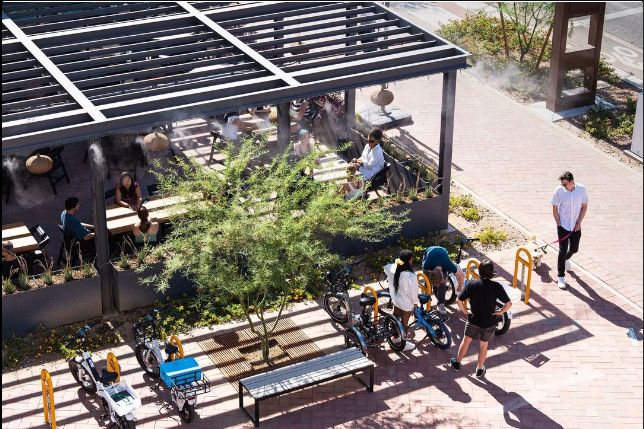
Eighteen years later, that calculated risk has yielded a remarkable and fulfilling chapter of life. Thirteen years after chronicling his son’s transition into kindergarten, Adeney now faces another major life milestone as his son finishes high school. With the intensive, day-to-day phase of child-raising finally winding down, Adeney is choosing to cash in a portion of his accumulated "freedom chips" for a significant seasonal transition: relocating to a warm, sunny climate for the winter to test-drive a living arrangement in Culdesac Tempe, a heavily publicized, walkable, bikeable, and entirely car-free community in Arizona.

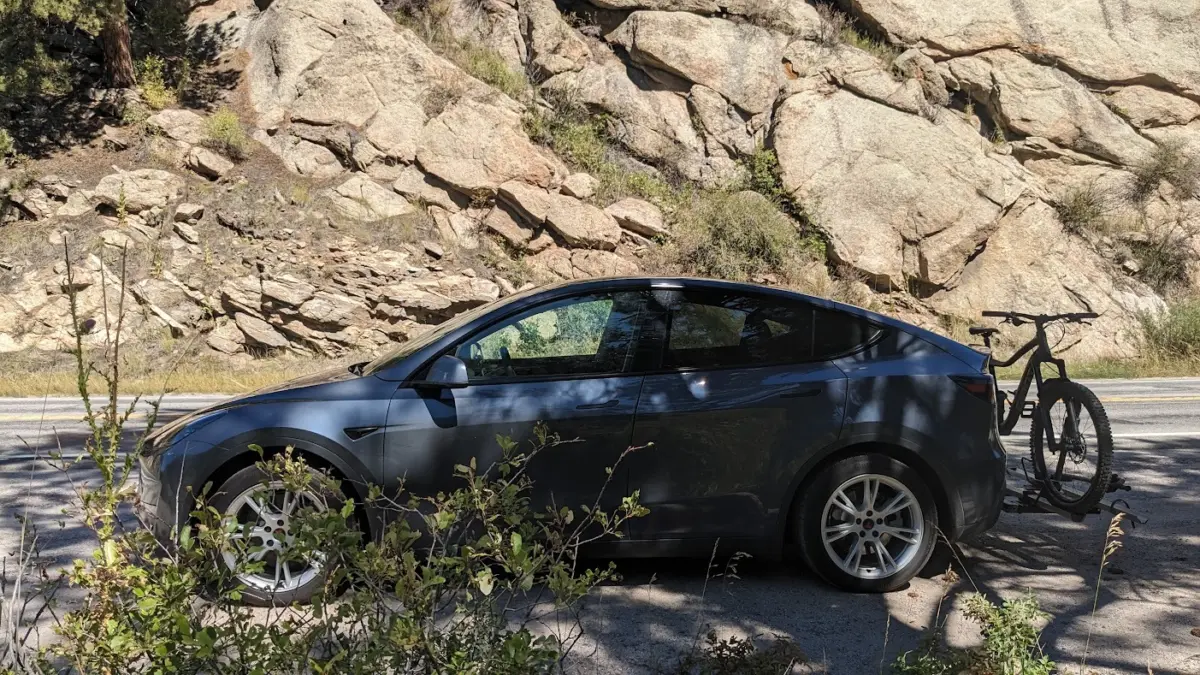
On the first of December, Adeney plans to pack essential clothing, tools, and gadgets, load his mountain bike onto a Tesla Model Y, and embark on a road trip across the mountains just as the Colorado winter sets in. His son will join him for the cross-country drive, marking the beginning of an unconventional four-month winter experiment designed to challenge his routines and explore new urban design models.
A New Life in a Car-Free Community
Adeney and his son have secured a spacious two-bedroom apartment within the Culdesac Tempe development for a four-month stay. Because his son divides his time between both parents, the teenager will alternate months between Arizona and Colorado, while Adeney remains stationed in the Tempe community for the duration of the winter.
For Adeney, a central appeal of the move is the deliberate disruption of his daily habits. After spending years anchored to the comfortable routines of his Colorado community and remaining deeply involved in local construction and neighborhood projects, the Arizona relocation forces him to invent an entirely new lifestyle away from familiar surroundings. This intentional disruption aligns with a philosophy he has long advocated: introducing manageable, healthy hardships and significant changes to keep life engaging and meaningful.
The logistics of the move involve utilizing his electric vehicle purely as a moving truck to transport two people and four months of supplies across state lines. Once established in Tempe, the vehicle will be parked offsite, allowing Adeney to embrace the community’s car-free infrastructure entirely. He notes that while he typically reserves automobiles for hauling heavy cargo or traveling between distant cities and states, navigating daily life in Tempe is streamlined by its direct access to the local light rail network alongside onsite bicycle, scooter, and vehicle-sharing hubs.
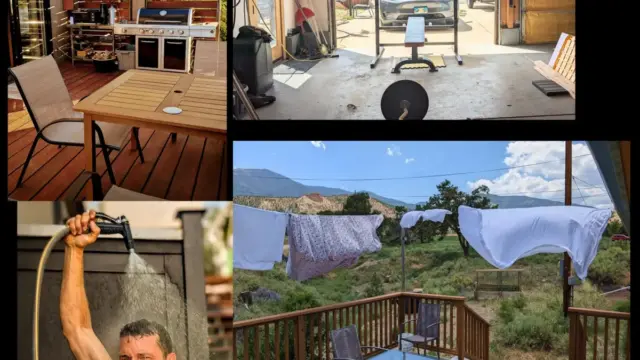
Meanwhile, back in Colorado, Adeney’s primary residence consists of a main-floor two-bedroom home paired with a lower-level walkout apartment featuring a separate entrance. While he typically utilizes the entire structure as a single home to accommodate visiting friends, he plans to rent out one of the sections to a trusted acquaintance for the winter. This arrangement allows him to maintain a local base for his occasional return visits while practicing a classic financial independence principle: generating passive income while traveling.
The Broader Philosophy of Strategic Hardship
Beyond the personal appeal of escaping winter and experiencing a novel urban environment, Adeney’s relocation serves a broader purpose. He hopes the Culdesac experiment achieves commercial and cultural success, paving the way for similar pedestrian-focused neighborhoods to take root across the United States and permanently alter how cities plan and expand their infrastructure.
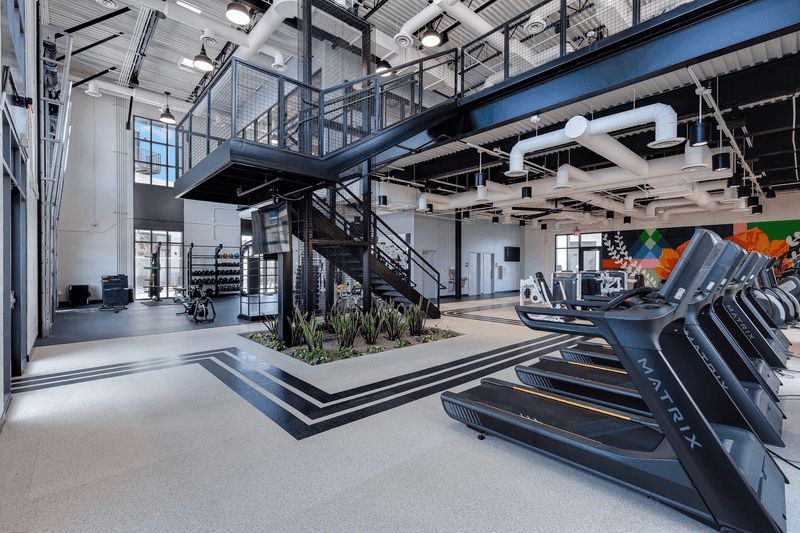
On a psychological level, the move represents a broader statement about the value of deliberate life experiments. In prosperous societies, human tendencies often lean toward complacency once basic needs like food and secure shelter are met. Adeney argues that modern conveniences—ranging from streaming services and comfort foods to luxury purchases—can trap individuals in a state of stagnant comfort. By deliberately raising life’s "treadmill incline," individuals can break free from the status quo.
This philosophy mirrors themes explored in Dopamine Nation, a book by psychiatrist Dr. Anna Lembke that Adeney has recently engaged with. The central premise suggests that the human brain establishes a baseline for happiness based on the most strenuous or challenging activities an individual undertakes, using that benchmark to evaluate all other experiences. Actively engaging in challenging pursuits makes everyday life appear more rewarding, whereas eliminating all forms of hardship can lead to diminished motivation and a muted appreciation for daily pleasures.
Adeney notes that the most defining risk of his own life was moving to the United States alone at age twenty-four, leaving behind established social circles and career paths. Looking back decades later, he credits that early act of courage with shaping a vastly superior present reality. Whether through shifting geographic locations, challenging the body with new physical routines, or altering career paths for better work-life balance, he advocates for initiating purposeful change simply because growth requires friction.
As he prepares for the transition, Adeney has established an online tracker to document the Arizona experiment. Beyond the upcoming winter, his long-term plans remain open-ended. While he will return to his Colorado base at the conclusion of March, he anticipates layering on new adventures, potentially culminating in the establishment of a dedicated mountain retreat in the future as this new chapter of early retirement continues to unfold.