
The reader expressed frustration that traditional recommendations—such as house-hacking, buying fixer-uppers, or building accessory dwelling units—have become largely unattainable due to regulatory hurdles, inflated property values, and restrictive local zoning laws. According to the critique, the blueprint popularized decades ago assumes economic conditions that have vanished for contemporary young adults striving to achieve financial independence.

Rather than dismissing the feedback as routine criticism or complaining, veteran financial independence advocates have taken the opportunity to re-examine whether the core tenets of Mustachianism are genuinely obsolete or if the challenges reflect temporary economic friction and modern psychological hurdles. Historical reviews of the FIRE community show that critics have repeatedly declared the movement dead during various economic downturns, yet its underlying principles have continually adapted.
At the heart of the current debate are two major economic factors: high baseline salaries, particularly within the technology sector, and dramatic increases in housing costs and mortgage rates over the past four years. While high-earning professions continue to command substantial incomes, financial experts emphasize that soaring revenue has never been the primary focus of sustainable early retirement strategies. Statistical observation demonstrates that high earners frequently suffer from lifestyle inflation, spending vast sums of money over decades and leaving them with little accumulated wealth despite earning substantial paychecks.
Consequently, the core philosophy of financial independence remains centered on streamlining consumption, identifying and eliminating waste, and maintaining purposeful spending. These skills are critical for high earners to prevent wealth leakage, but they become even more powerful tools for individuals further down the income ladder navigating a more restrictive economic landscape.
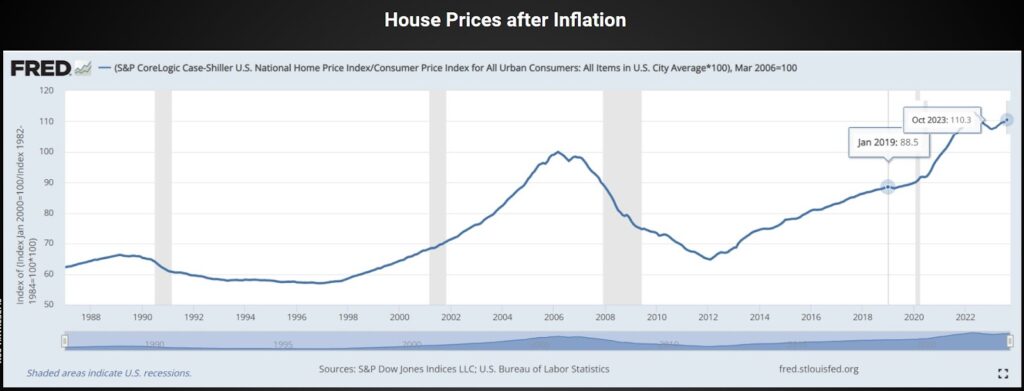
The second and more pressing issue involves housing affordability. Economic data provided by the Federal Reserve Bank of St. Louis indicates that nationwide housing prices, adjusted for inflation, have risen by roughly 25 percent relative to average salaries and overall consumer goods since early 2019. Interestingly, this places real estate values only about 10 percent higher than their previous peak in early 2006, suggesting that while housing is currently a significant financial hurdle, it is not an insurmountable barrier to financial independence.
However, national averages often obscure extreme regional disparities. In popular mid-sized markets and high-demand cities, home prices have escalated far beyond general wage growth, pushing traditional real estate ownership out of reach for average local earners. Financial commentators argue that overcoming this challenge requires breaking away from deeply ingrained cultural assumptions about geographic loyalty and homeownership.
Traditional societal conditioning often trains individuals to view themselves as passive victims of local economic forces, assuming they must purchase a home wherever they happen to have been born or raised. Financial independence strategists argue that houses are manufactured products subject to regional supply and demand dynamics. Just as being born near a major technology headquarters does not entitle a person to unlimited luxury consumer goods, being born in a high-cost city does not guarantee local housing affordability.
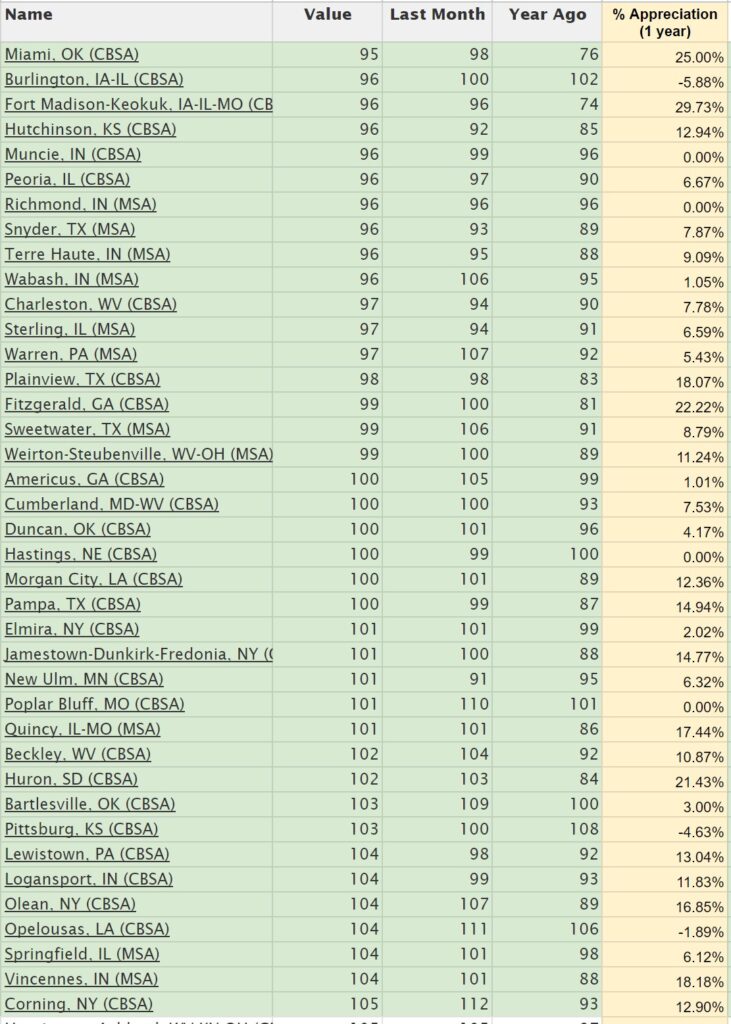
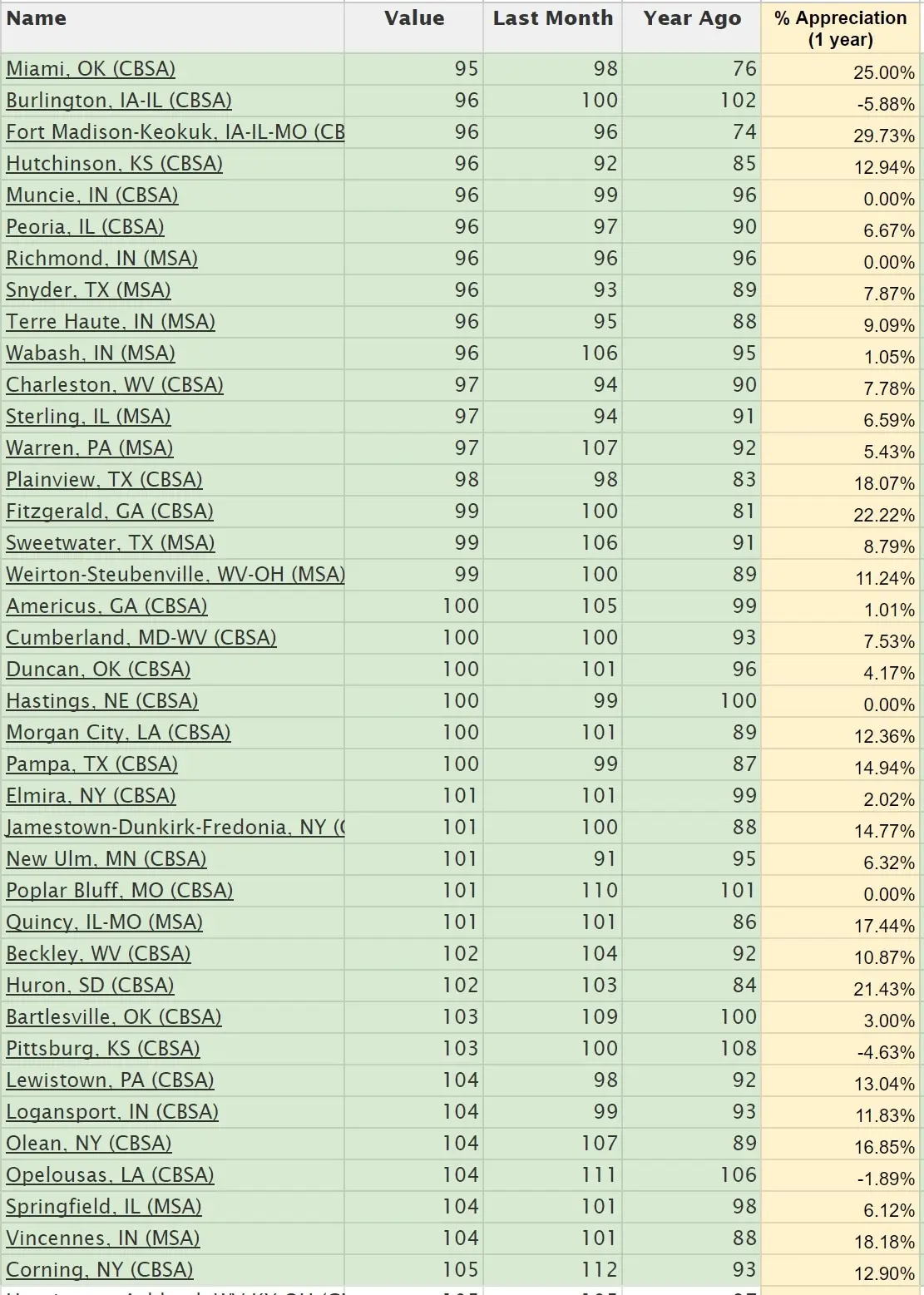
When evaluating housing options, individuals are encouraged to run precise financial calculations, weighing the true costs of renting versus buying across different regions. Because a nationwide analysis reveals stark discrepancies—where housing is extraordinarily expensive in some metropolitan areas and remarkably affordable in others—geographical flexibility emerges as a powerful lever for achieving financial independence.
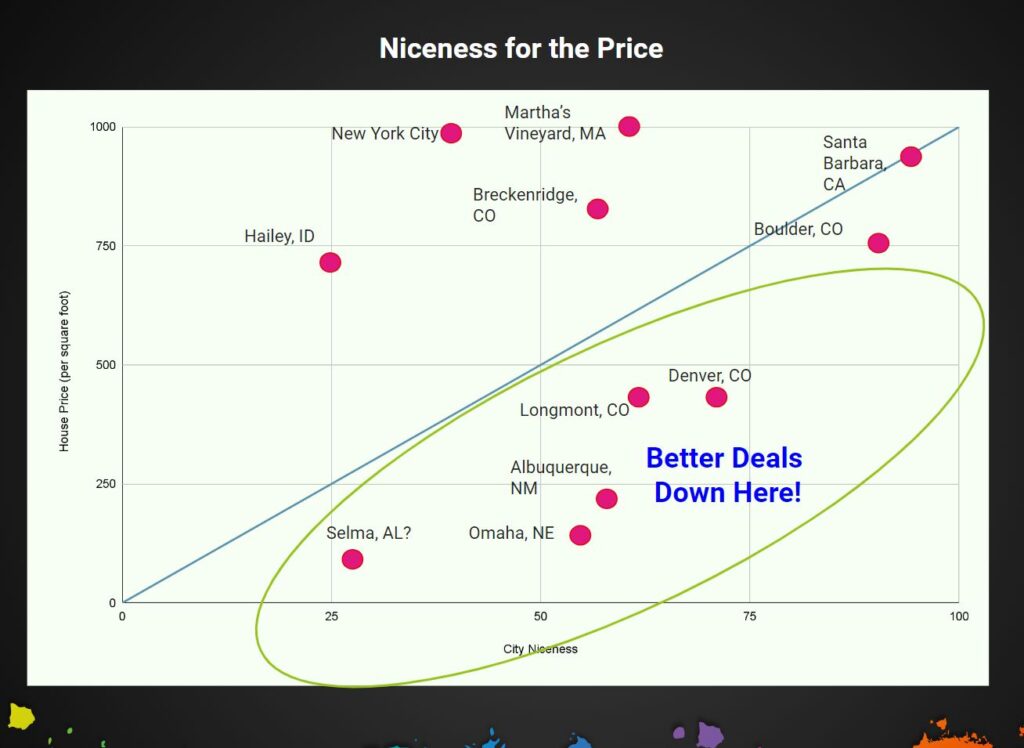
Comparative economic mapping of metropolitan housing markets highlights vast disparities in cost per square foot across the United States. While certain sunny or amenity-rich regions command high premiums, numerous mid-sized metro areas offer comfortable living standards and vibrant local economies at a fraction of the cost. Utilizing macroeconomic databases and cost-of-living comparison tools allows prospective retirees to analyze cities based on population size, climate preferences, and square-foot pricing rather than anchoring themselves exclusively to high-cost coastal or mountain enclaves.
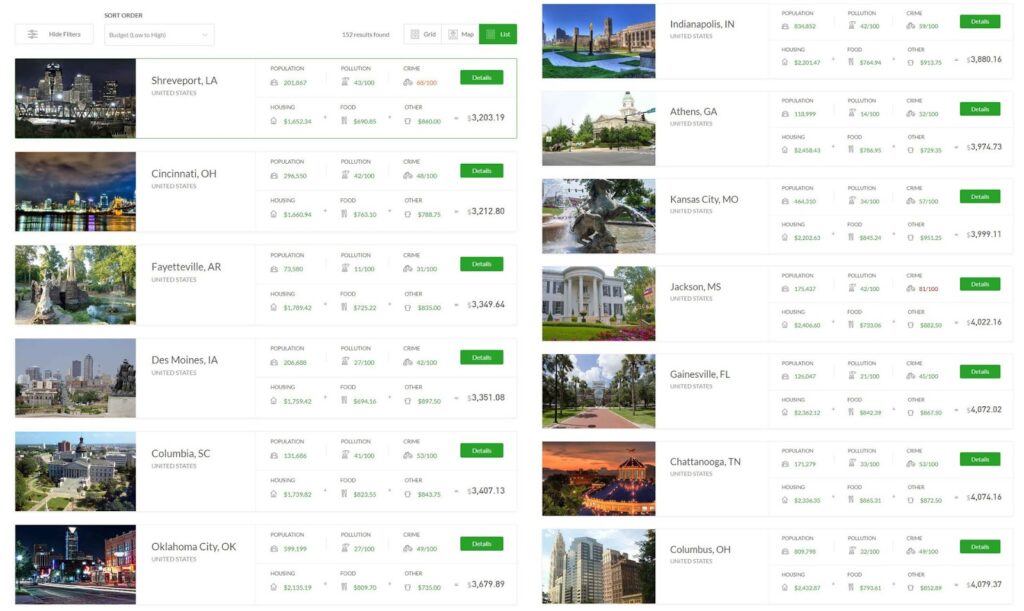
Beyond domestic relocation, more adventurous members of the financial independence community look toward international options, utilizing digital platforms to compare global cities based on monthly living budgets, apartment sizes, and weather patterns. While moving across international borders introduces new administrative tasks—such as navigating immigration requirements, foreign legal systems, and licensing procedures—advocates argue that these hurdles are relatively minor compared to the alternative of working an extra decade or more simply to afford an inflated cost of living.
Ultimately, financial independence leaders emphasize that physical environment—including access to nature, community culture, and climate—plays a critical role in overall life satisfaction. Housing costs represent only one variable in that equation. By treating housing as an active choice rather than a fixed destiny, individuals retain the agency to optimize their living standards, reduce unnecessary expenditures, and accelerate their journey toward financial freedom without relying on outdated economic conditions or legacy salaries.