
For those who remain detached from daily financial drama, the overarching story of artificial intelligence can be distilled into a rapid technological ascent. Yet, this rapid rise brings distinct market anxieties. Investors worry that while AI is undoubtedly a major technological milestone, the economic mania surrounding it is moving too fast and reaching valuations that threaten to replicate or even surpass the dot-com crash of the early 2000s. That historical parallel carries personal resonance for early retirement advocates and long-time financial commentators who lived through the dot-com era—a boom that initially fueled early career trajectories before the subsequent crash nearly derailed employment and personal stability.

Addressing these cyclical fears has become a central focus for financial educators speaking at major gatherings, including recent presentations at Camp FI Midwest and upcoming discussions at the Bogleheads conference. Rather than viewing the modern technological landscape solely through a lens of impending doom, veteran retirees and financial analysts are encouraging a deeper examination of historical market anxieties, human psychology, and the true drivers of long-term economic prosperity.

Will the AI Bubble Ruin Our Retirement?
Achieving more than two decades of retirement brings a comfortable familiarity with market volatility, yet questions from concerned peers continue to challenge this peace of mind. Conversations with friends and observers frequently center on a recurring theme: how anyone can remain retired and sleep soundly given the state of global affairs. A glance at contemporary news headlines reveals no shortage of catalysts for anxiety, ranging from volatile geopolitical figures and persistent inflation to towering national debts, international conflicts, and the looming threat of the AI bubble.

Yet, this brand of apprehension is far from new. Looking back two decades to 2006, the worries dominating public discourse were strikingly similar, albeit wearing different labels. Back then, anxieties focused on different political leaders, distinct conflicts in the Middle East, escalating national debt, and inflation. The overvalued stock market of that era was driven by a massive housing bubble rather than an artificial intelligence craze, while job security anxieties centered on outsourcing to overseas markets rather than automation. Society also wrestled with the persistent debate over peak oil, fearing that rising fossil fuel consumption would inevitably outstrip dwindling supplies—an outcome that ultimately reversed as technological innovations transformed energy markets.

Despite the heavy cloud of anxiety present in 2006, the subsequent decades revealed a vastly different reality. The world did experience the Great Financial Crisis, a severe downturn fueled by irrational exuberance in housing prices and overly complex financial leverage. It was the largest economic contraction since the Great Depression. However, viewed through the lens of a multi-decade horizon, even that historic crisis appears as a temporary dip within a broader upward trajectory. Long-term market charts demonstrate that a diversified investment strategy managed to weather both the financial crisis and subsequent disruptions, such as the 2020 pandemic-induced crash, ultimately generating substantial cumulative growth.

Global living standards also experienced dramatic improvements over the same twenty-year span. The proportion of the global population living in extreme poverty dropped significantly, while infant mortality rates were cut in half. Clean energy emerged as a dominant force as solar panel costs plummeted, allowing solar power to account for the vast majority of new energy generation additions worldwide. Concurrently, electric vehicle adoption surged from near-zero to claim a substantial share of global automotive sales. These developments underscore a fundamental truth: historical progress consistently outpaces the transient fears that dominate daily news cycles.

Prosperity Comes from Productivity
Financial media thrives on cultivating sensational narratives, yet these fear-mongering stories consistently overlook a core economic principle. True prosperity does not originate from the financial system or the stock market, which ultimately function as abstract numerical representations tracked on computers. Instead, sustainable prosperity is fundamentally rooted in productivity.

The underlying mechanics of capitalism are inherently volatile, characterized by cyclical booms and sharp corrections. Beneath these surface-level market swings, however, real people perform tangible work and develop genuine innovations. The modern concept of an economy or a financial system is itself a human invention. When financial systems falter because market participants reject prevailing valuations, societies possess the capacity to restructure numerical frameworks and resume productive labor—a mechanism successfully deployed during the 2008 financial crisis and numerous historical precedents.
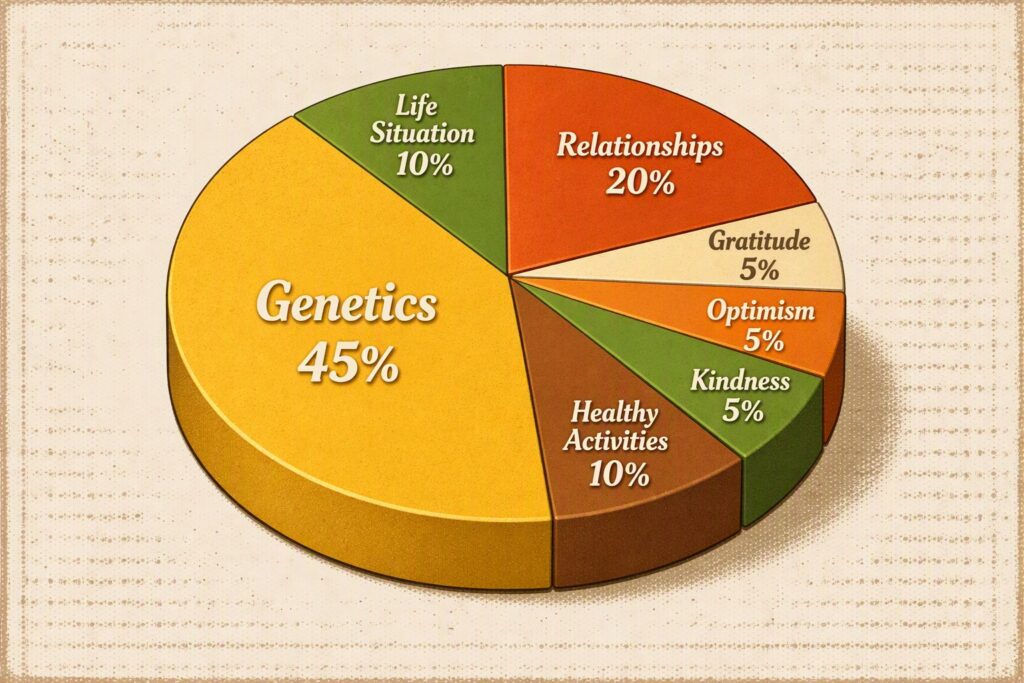
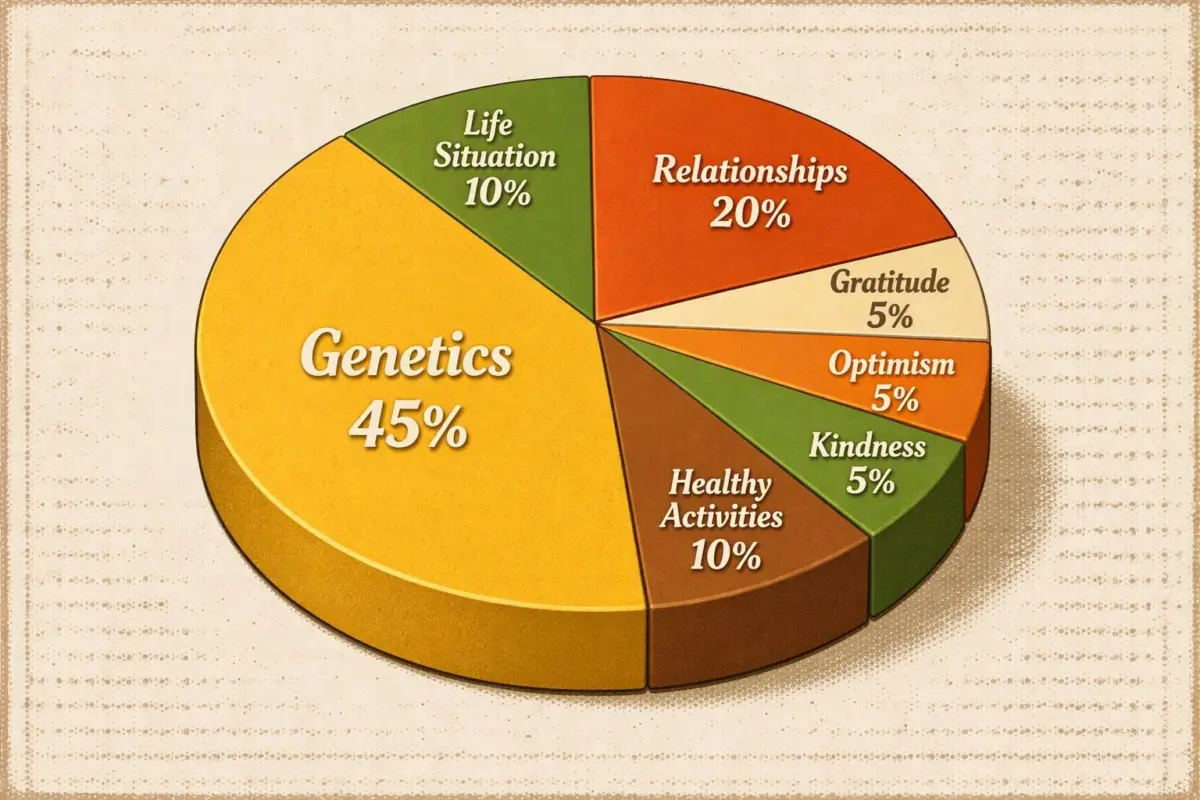
Humanity retains every tool ever invented to enhance productivity. Standard of living, economic growth, and the viability of early retirement strategies all derive directly from high productivity rather than speculative market sentiment. Furthermore, once societies achieve a baseline standard of living—a milestone surpassed in the developed world several decades ago—human happiness ceases to scale purely with material wealth. Beyond meeting basic security requirements, individual fulfillment depends far more on personal relationships, purposeful habits, outdoor activity, and a lifelong philosophy of optimism.
Confronting Fear and Embracing Experimentation
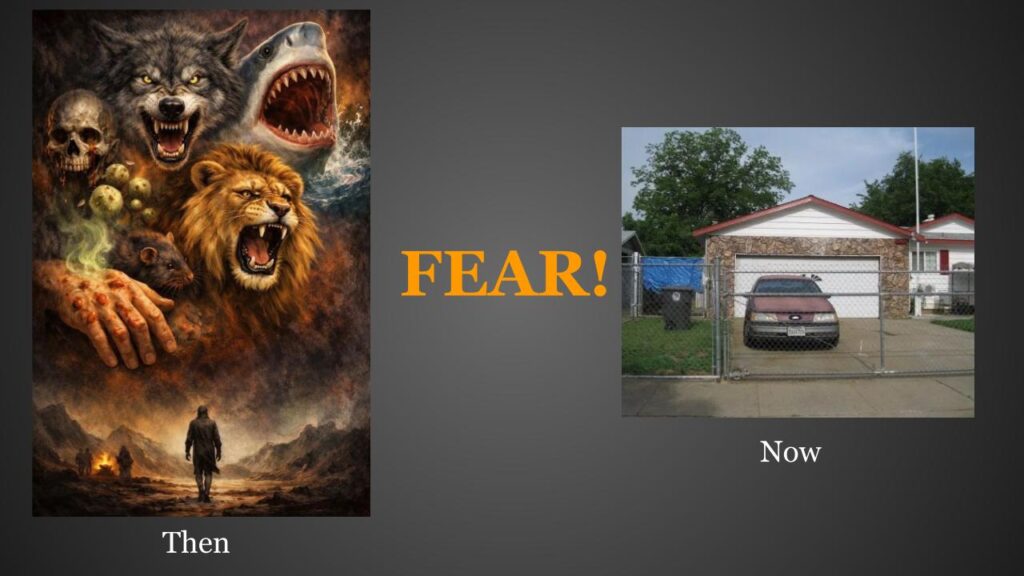
The persistence of financial anxiety despite favorable historical evidence points to a deeper psychological root: human evolution. As a species, humans evolved as sophisticated danger detection machines. This background fear served as an essential evolutionary trait designed to protect early humans from predators and environmental scarcity. However, once immediate physical dangers are resolved, the human brain continues scanning for potential threats, effectively moving the goalposts of anxiety from physical survival to financial security, social standing, and eventually abstract concerns such as tax minimization strategies and government-mandated retirement distributions.
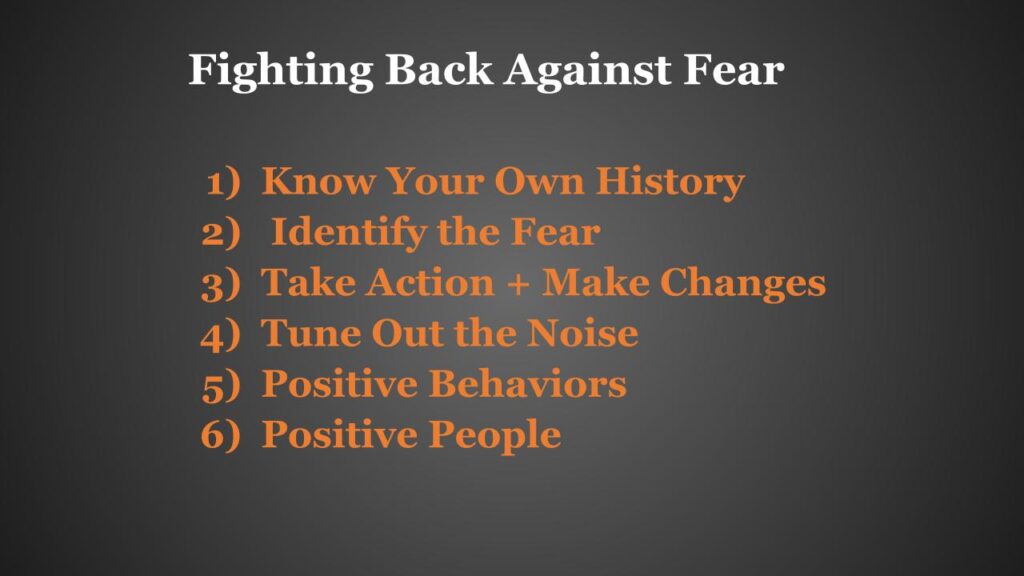
Combatting this innate fear requires self-awareness and rational evaluation. Examining personal history—such as growing up in households shaped by scarcity mentalities or navigating past traumas—helps individuals recognize that current emotional responses often stem from historical conditioning rather than objective present-day realities. Articulating specific fears and identifying worst-case scenarios frequently reveals that perceived catastrophes are far more manageable than anticipated.

Taking decisive action remains one of the most effective antidotes to fear, transforming the unfamiliar into the familiar and fostering true resilience. By tuning out sensationalized daily news cycles and redirecting energy toward positive behaviors, physical movement, and constructive problem-solving, individuals can align more closely with their natural state. Surrounding oneself with optimistic, forward-thinking peers further reinforces a productive mindset.

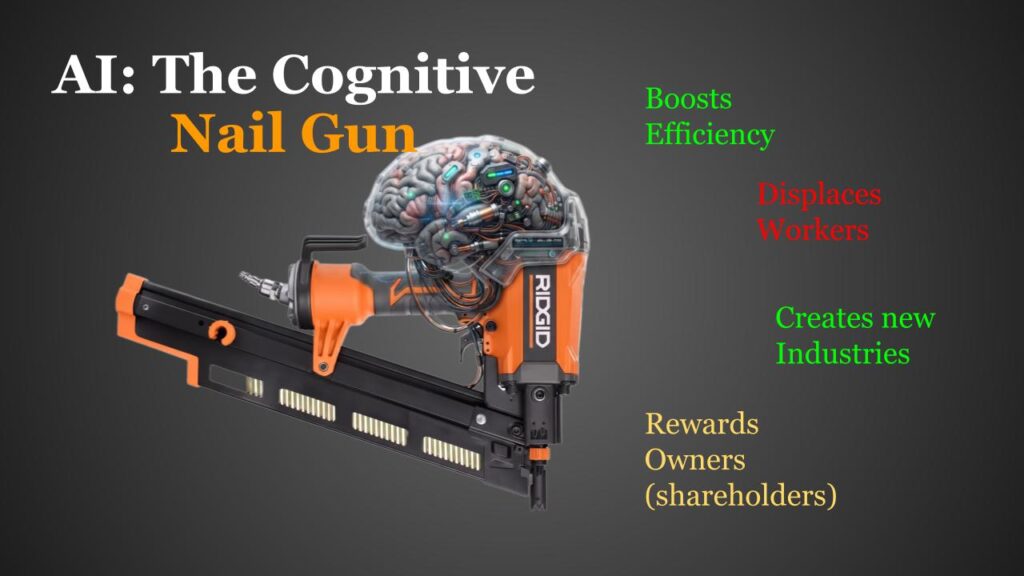
Applying this philosophy to contemporary technological shifts, such as the artificial intelligence boom, reframes potential disruption as a grand experiment rather than an existential threat. Rather than succumbing to doom-scrolling, viewing artificial intelligence through the lens of productivity—essentially as a sophisticated cognitive tool capable of enhancing efficiency—highlights its potential upside. While technological advancements historically displace certain job categories, they simultaneously drive down costs and catalyze entirely new industries, mirroring the transformative impact of the internet and mobile computing revolutions.
Ultimately, artificial intelligence represents another milestone in human innovation, presenting an opportunity to choose between fear-driven paralysis and proactive engagement. Recognizing that the most rewarding pursuits in life typically lie on the other side of apprehension allows individuals to navigate market uncertainties and technological transitions with confidence, resilience, and optimism.