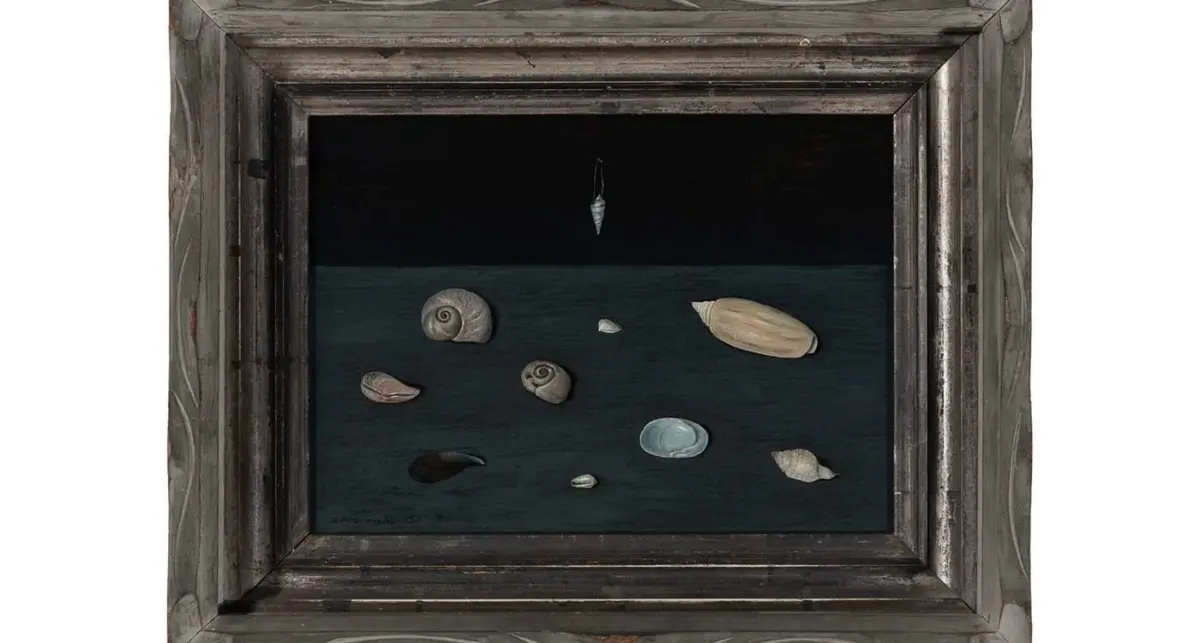
While the subject matter of the shells was charming in its own right, it was the signature in the bottom-left corner that ultimately captured the buyer’s attention. Scrawled neatly into the composition were the words "Abercrombie ’51."
At the time of purchase, the buyer could not have fully known the immense significance of those few handwritten characters. For the modest sum of just $30, he secured a piece of work that would soon be recognized as one of the most remarkable garage-sale bargains of recent years. The surname belonged to none of than Gertrude Abercrombie, a renowned post-war surrealist painter whose distinct, haunting canvases have increasingly captivated collectors, museums, and art historians across the globe.
What followed the initial purchase was a chain of events so improbable that it reads almost like fiction—a delicious geographic and temporal coincidence that bridged a quiet Michigan hallway with a major cultural institution.
Following the acquisition, the buyer happened to take a family vacation to Milwaukee. During the trip, he decided to make a detour to visit a touring exhibition dedicated to the artist, titled Gertrude Abercrombie: The Whole World Is a Mystery, hosted at the Milwaukee Art Museum. As he walked through the galleries, taking in the distinct surrealist atmosphere that defined the artist’s career, he experienced a moment of breathtaking astonishment. Staring back at him from the pages of the official exhibition catalogue was an archival photograph featuring his very own $30 artwork.
Realizing the potential magnitude of his discovery, the buyer sought out professional verification. He had the piece examined by a nationally recognized expert on Gertrude Abercrombie, who officially authenticated the painting as an authentic original work by the late artist. Following the authentication, arrangements were made with Freeman’s Auctions in New York to handle the sale of the piece, with auction organizers setting the opening bid at an impressive $75,000.
The discovery sent ripples of excitement through the fine art community, not least of all among seasoned auction professionals. Zachary Wirsum, the Head of the Post-War and Contemporary Art Department at Freeman’s Auctions, noted the uncanny timing of the find in a public statement released by the auction house. Wirsum revealed that shortly before the painting surfaced, he had actually been conversing with someone at the Abercrombie exhibition, remarking to them that genuine works by the artist still occasionally manage to emerge from the woodwork at ordinary estate sales.
"Little did I know that one of those ‘once in a while’s would occur less than a month later," Wirsum said.
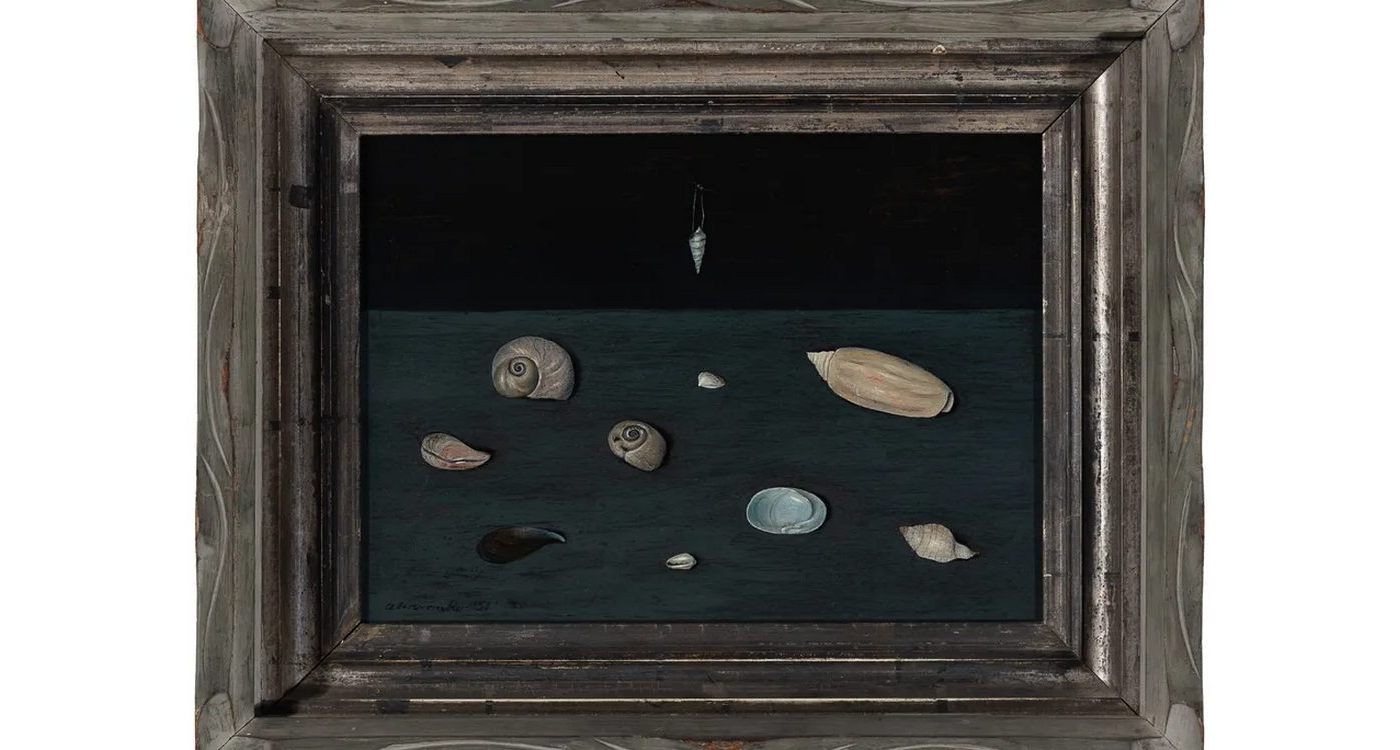
Titled Alderman Merriam’s Shells, the newly resurfaced painting carries a rich provenance that ties it directly to the social and political fabric of mid-century Chicago. According to meticulous records kept by Abercrombie herself, the work was completed in late 1951. Shortly after its completion, in early 1952, the artist gifted the painting to Dr. John Reynolds as direct payment for a medical operation—a common practice among mid-century artists who frequently bartered their creative output for professional services and living expenses.
The subject matter of the painting holds its own local historical significance. The composition depicts several distinct seashells belonging to the personal collection of Robert Merriam. Merriam served as the Chicago Alderman for the city’s 5th Ward from 1947 to 1955. Notably, his ward included the vibrant Hyde Park neighborhood, an intellectual and cultural hub where Gertrude Abercrombie lived and worked for the majority of her life, according to documentation provided by Freeman’s Auctions.
The painting offers a fascinating window into both the personal psyche and the recurring motifs of its creator. In an official lot note published online, Freeman’s Auctions detailed how the imagery in Alderman Merriam’s Shells resonates deeply with the broader themes of Abercrombie’s life and artistic output.
"Throughout the artist’s career, she painted rooms, usually spare and ascetic, closed and impenetrable, which resonated with her own feelings of loneliness and insecurity," the auction house’s catalogue description explains. "Abercrombie also did many paintings in which tents, a more precarious kind of enclosure, feature prominently."
The description continues to draw a direct line between these recurrent themes and the newly discovered shell painting, noting that the shell represents yet another variation on a familiar architectural and psychological concept. "The shell is another kind of home, at once protective and confining, a contained space that may have also appealed to Abercrombie thematically. She even played with this idea in her compositions that depict a woman, rather than a snail, emerging from a shell."
As Alderman Merriam’s Shells heads to the auction block at Freeman’s with its substantial opening bid, the discovery stands as a testament to the enduring thrill of the hunt. For one fortunate buyer, a casual afternoon spent browsing at a Michigan estate sale transformed a $30 investment into a celebrated piece of post-war art history, offering a rare window into the isolated yet deeply imaginative world of Gertrude Abercrombie.