

The reader’s commentary highlighted a growing sentiment among younger and middle-income individuals who feel locked out of the financial independence dream. According to the critique, much of the prevailing literature relies on the premise of historical six-figure tech salaries earned decades ago, combined with housing markets that offered affordable property prices prior to 2019. For those entering the workforce or seeking homeownership today, common strategies such as "house hacking" or purchasing fixer-uppers are frequently complicated by soaring interest rates, restrictive municipal zoning laws, and housing prices that have vastly outpaced wage growth.
Addressing these concerns requires separating legitimate structural shifts in the economy from what veteran financial bloggers describe as routine discouragement or externalized blame. Throughout the history of the modern financial independence movement, critics have repeatedly declared the strategy dead during periods of economic volatility, inflation, or market corrections. However, the core philosophy has always centered less on baseline income levels and more on the systemic elimination of financial waste.
While high earners across various sectors often express financial stress, mathematical realities dictate that earning a substantial salary for nearly three decades should naturally yield significant savings unless accompanied by equally massive spending habits. Consequently, financial independence advocates continue to emphasize the streamlining of consumption and the prioritization of purposeful spending. These skills remain essential across all income brackets, but they hold particular value for those navigating tighter financial constraints.
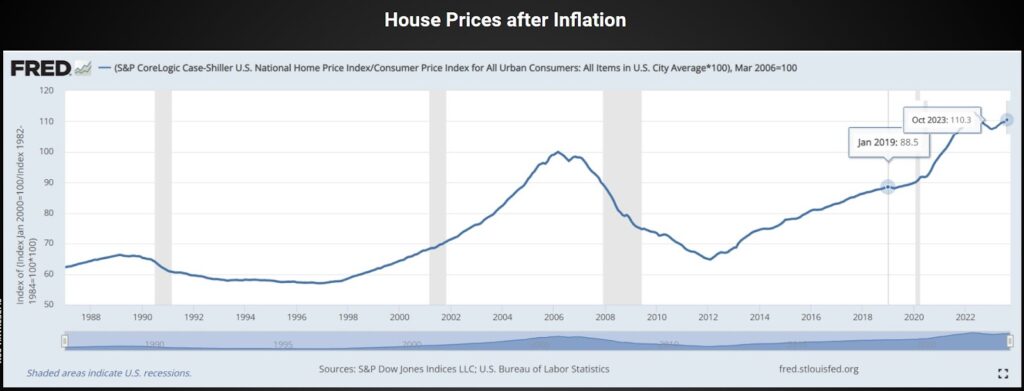
The more pressing concern raised by contemporary critics involves housing, which remains the single largest expense for most households. Evaluating the validity of this concern requires examining macroeconomic data, such as inflation-adjusted housing price indices provided by economic research institutions like the St. Louis Federal Reserve. Nationwide data indicates that real estate feels approximately twenty-five percent more expensive relative to average wages and general consumer goods compared to early 2019. Nevertheless, when viewed through a broader historical lens, prices sit only about ten percent higher than their previous peak in early 2006, suggesting that while housing represents a significant economic hurdle, it does not spell the end of financial independence.
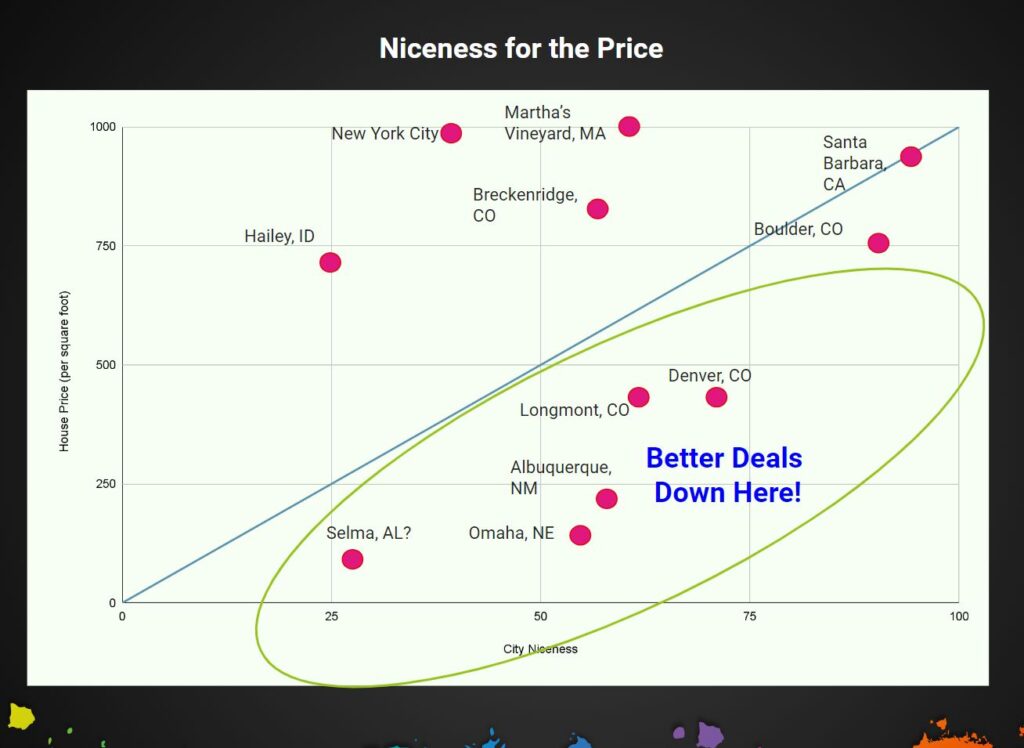
At the local level, however, the narrative varies drastically. Popular metropolitan areas and secondary cities have experienced exponential price growth that far outstrips national averages, pushing homeownership further out of reach for local residents. To overcome these localized spikes, financial independence proponents argue that prospective buyers must reevaluate cultural assumptions regarding geography and homeownership. Treating housing as a standard consumer product governed by supply and demand means recognizing that residing in a specific region—even one’s birthplace—does not guarantee affordability.
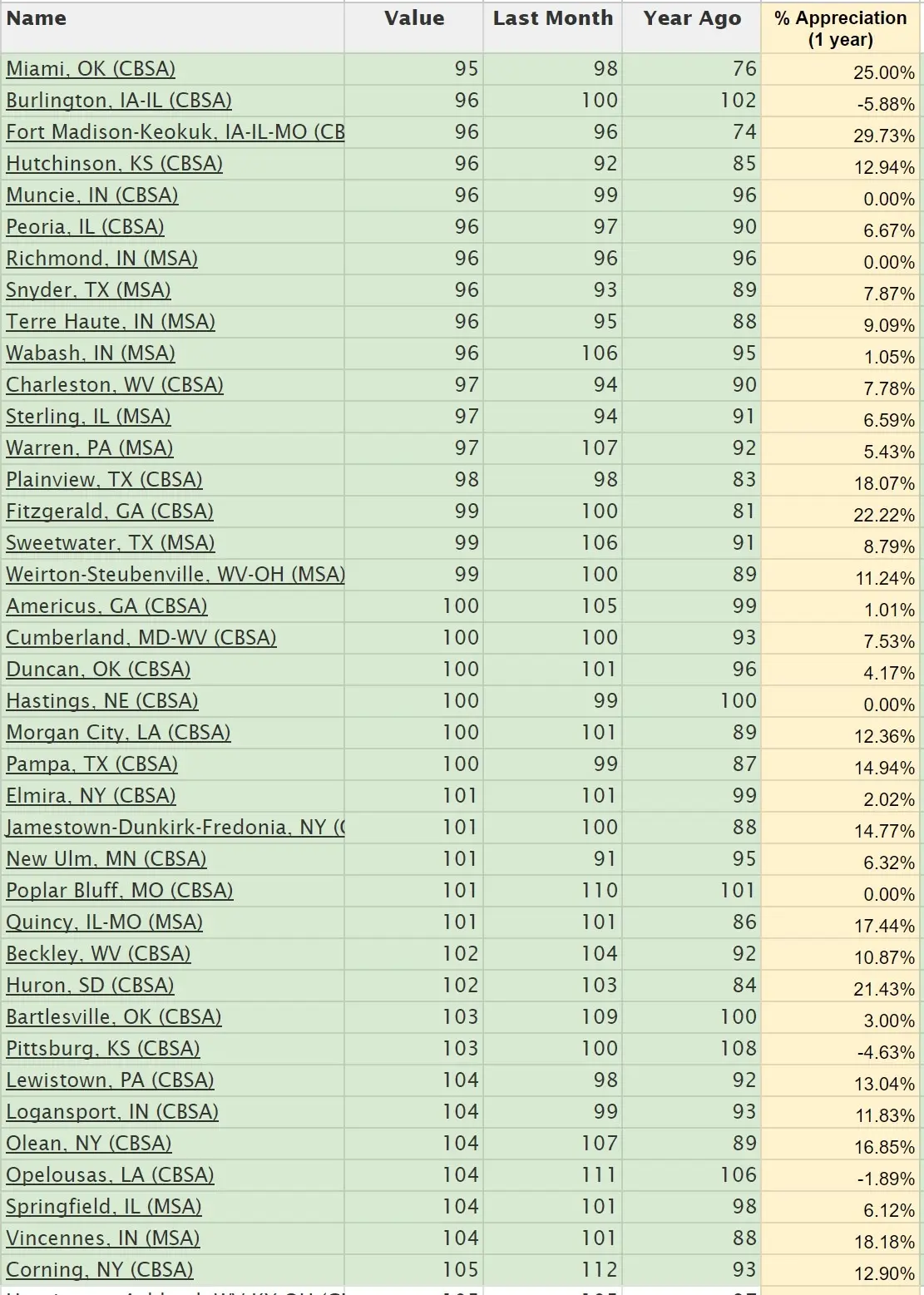
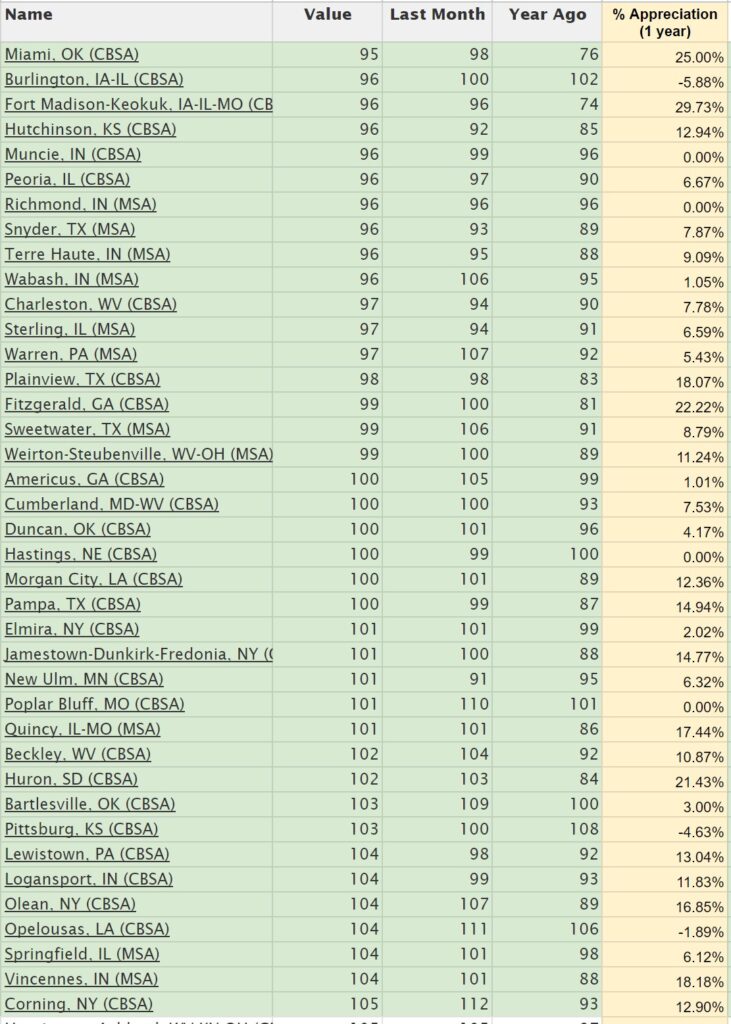
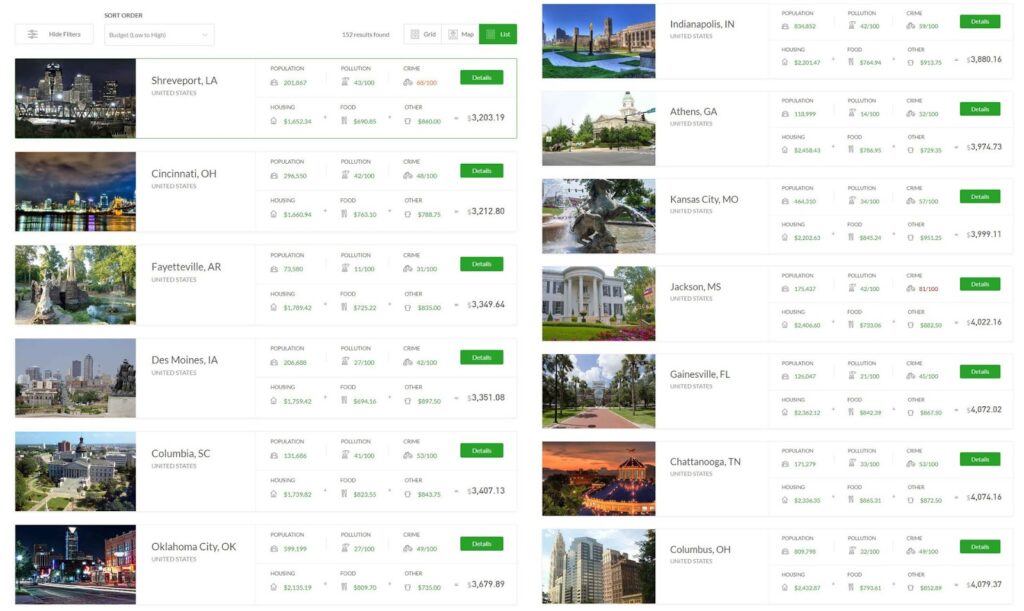
Geographic flexibility serves as a powerful tool for bridging the gap between income and housing costs. Nationally aggregated economic data reveals a stark disparity in real estate expenses across different metropolitan areas, demonstrating that housing costs are remarkably high in some regions while remaining remarkably affordable in others. By analyzing cost-per-square-foot metrics across hundreds of metro areas, individuals can identify regions that offer desirable amenities, favorable climates, and high quality of life at a fraction of the cost found in major tech or coastal hubs.
Tools designed to compare global and domestic living expenses allow prospective movers to filter cities based on specific criteria, including population size, climate preferences, and monthly budgets. These comparisons often reveal mid-sized cities that provide vibrant communities and robust recreational access without the exorbitant price tags attached to heavily populated urban centers. Furthermore, looking beyond domestic borders to international destinations in regions like South America introduces additional opportunities for dramatic reductions in the cost of living.
While international relocation introduces logistical puzzles involving legal documentation, administrative paperwork, and cultural adjustments, financial independence advocates maintain that these hurdles pale in comparison to the alternative of working an extra decade or two simply to sustain a high cost of living. Navigating these bureaucratic processes requires little more than digital research, careful planning, and patience—skills that are easily acquired by anyone committed to altering their financial trajectory.
Ultimately, physical environment and community ties remain vital components of a fulfilling life, often outweighing pure financial optimization. Yet, by approaching housing and geography as active choices rather than fixed constraints, individuals retain the agency to align their living expenses with their long-term personal and financial goals. As the conversation surrounding modern financial independence continues to evolve, the collective insights of readers and practitioners alike point toward a shared understanding that strategic adaptability remains the most reliable path to achieving lasting security.