Tourists are merely passing through. For the most part, local residents have no inherent desire to befriend transient visitors, and meaningful daily interaction between locals and tourists remains the exception rather than the norm. Even long-term travelers who pride themselves on not being typical tourists often fall into the exact same behavioral patterns, albeit at a slower, more budget-conscious pace.
While the cinematic fantasy of dropping into a foreign culture, instantly integrating into a community, and living out an adventurous script is universally appealing, it rarely reflects reality. Achieving a genuinely deep travel experience requires time, stability, and contribution. The most transformative journeys generally involve embedding oneself within a destination rather than skimming its surface, a shift that requires staying long enough to build authentic relationships and contribute meaningfully to the local environment.
Travel industry observers note that more travelers are looking for ways to give back during their journeys. Historically, identifying legitimate, vetted organizations that genuinely improved local living standards was a challenging and opaque endeavor. Today, however, specialized international organizations have emerged to bridge that gap, helping travelers secure both meaningful volunteer placements and paid working opportunities abroad. Platforms like Global Work & Travel have positioned themselves at the forefront of this movement, assisting individuals in navigating the complexities of long-term international experiences.
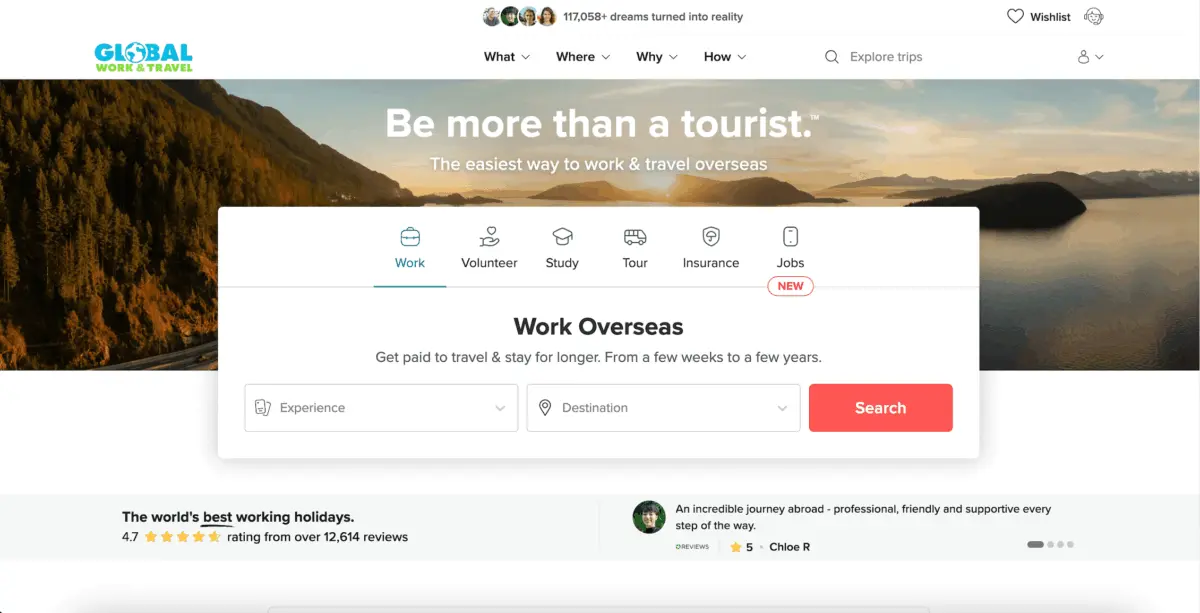
What Global Work & Travel Does
Operating as a major player in the gap year and international mobility sector, Global Work & Travel has spent nearly two decades facilitating working holidays, volunteer programs, teaching positions, and structured internships. The organization has coordinated placements for more than 116,000 participants across diverse global regions, spanning the United Kingdom, Europe, the Americas, Asia, Africa, and the Pacific.
Even for seasoned travelers, relocating abroad presents formidable hurdles. Securing employment in an unfamiliar job market, finding permanent housing without getting trapped in months-long shared accommodations, calculating daily transport costs, and navigating competitive interview processes against local applicants represent only a fraction of the challenges long-term travelers face.
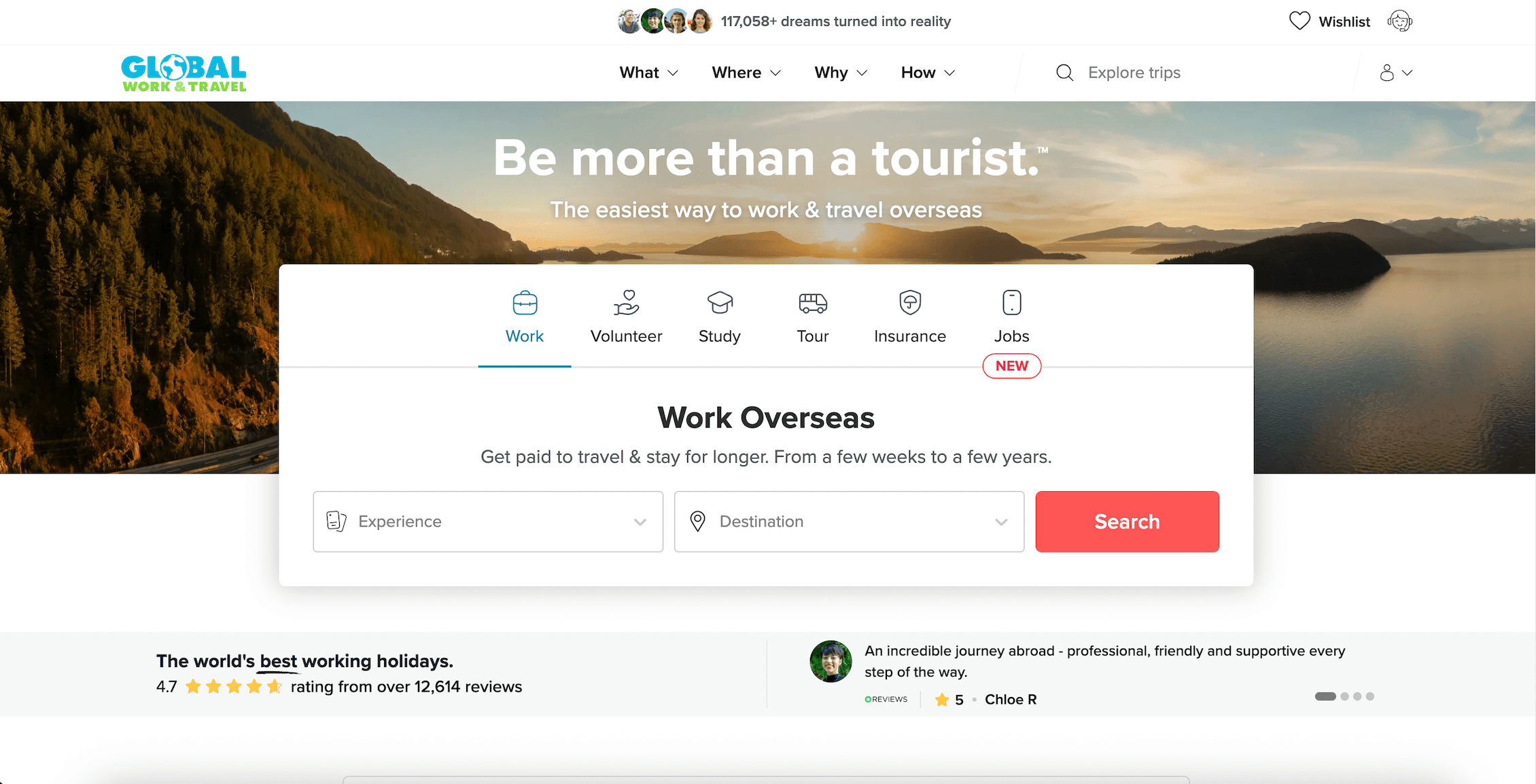
To mitigate these obstacles, structured intermediary organizations provide an essential safety net. By handling job matching, pre-departure logistics, visa guidance, and ongoing support through centralized management tools like the gWorld mobile portal, these companies remove much of the administrative friction that deters prospective travelers. For first-time international travelers, this administrative scaffolding often marks the difference between abandoning an aspiration and successfully making the leap.
Why Working Holiday Makers Are the New "Digital Nomads"
For the past ten years, the title of "digital nomad" has represented the pinnacle aspirational lifestyle for long-term travelers. The formula appeared straightforward: maintain a remote job, earn wages in a strong currency, relocate to a destination with a lower cost of living, and repeat the cycle indefinitely.
However, this lifestyle model caters only to a very narrow demographic. It requires remote employment flexibility, a steady income threshold, and a degree of career stability that younger travelers or those in transitional phases rarely possess.
Working holidays effectively invert this traditional model. Instead of carrying an established remote job across international borders, participants secure local employment upon arrival. This approach allows travelers to integrate directly into the local economy rather than floating above it in an insular expatriate bubble. Friendships and social networks develop naturally through the workplace, extending far beyond transient coworking spaces and backpacker hostels, thereby establishing a genuine routine and a stable living situation.
In many respects, working holiday participants experience a far more grounded and accessible version of the lifestyle digital nomads often chase. Rather than merely passing through a location for a few weeks, participants establish a permanent residence, report to local colleagues, maintain a structured schedule, and secure a compelling reason to extend their stay. This dynamic fosters authentic, long-term personal connections that a fast-paced itinerary cannot replicate.
This pathway also proves vastly more realistic for the average person. It eliminates the prerequisite of owning a remote business or possessing years of professional seniority, demanding instead a willingness to travel and an organized support structure. Industry analysts observe a distinct cultural shift among younger demographics, moving away from inquiries regarding remote work setup toward broader questions about living and working abroad for an extended period. Structured international programs facilitate this transition by absorbing the administrative shocks of visa acquisition and job placement.
Why Volunteering Matters
The landscape of international volunteering has historically carried a complicated reputation, marred by poorly regulated programs that prioritize profit over tangible community impact. Unvetted volunteer initiatives often leave participants with a false sense of accomplishment while failing to address actual community needs. Consequently, rigorous vetting processes are critical to ensure that conservation, education, and community development programs operate ethically and effectively.
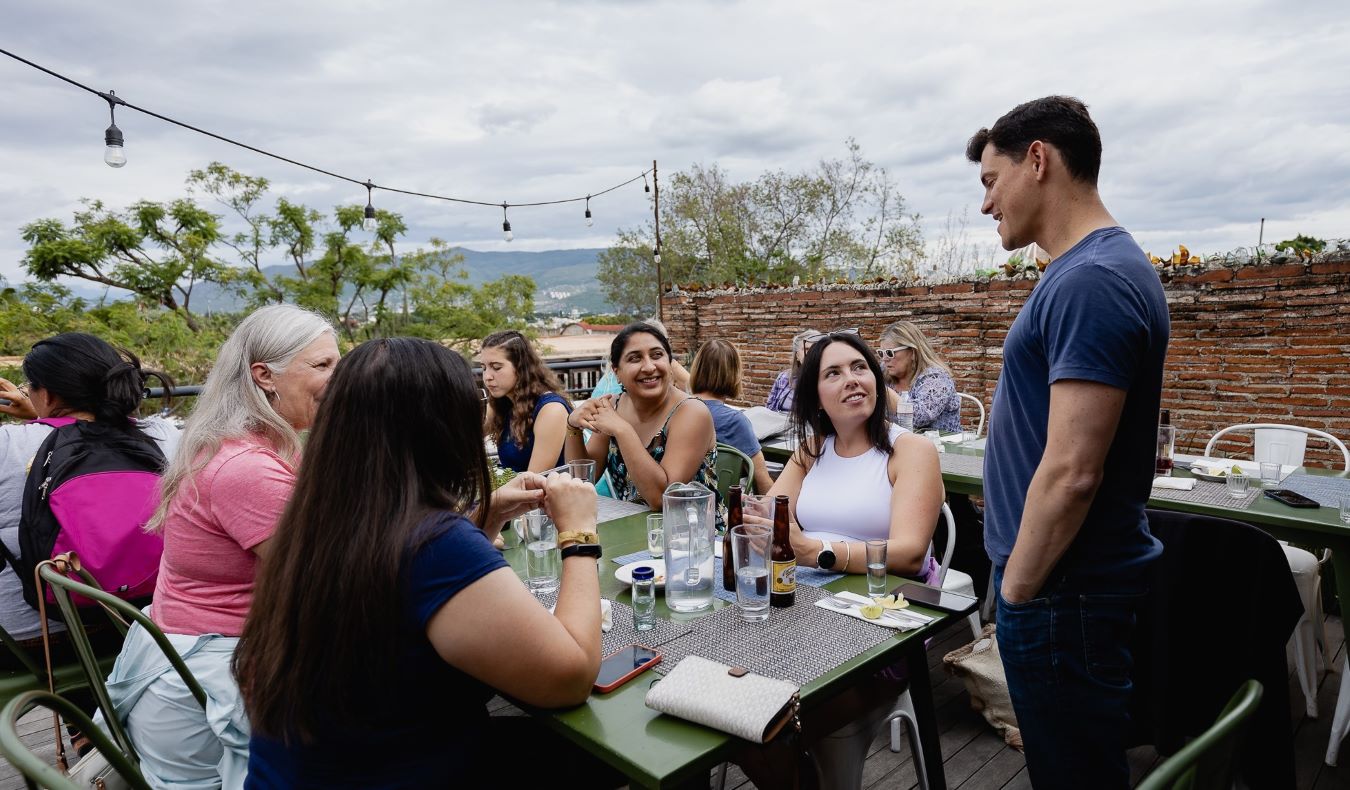
When structured responsibly, volunteering offers profound mutual benefits. Collaborating directly with local communities on self-defined priorities—such as community development initiatives in Zanzibar, wildlife conservation efforts in South Africa, or elephant rescue and rehabilitation projects in Thailand—fundamentally transforms a traveler’s worldview. Participants gain direct insight into the systemic challenges facing local populations and fragile ecosystems, fostering a level of cultural empathy and global awareness that standard tourism cannot achieve. Furthermore, dedicated funding mechanisms, such as specialized animal welfare funds, channel vital financial resources directly into partner conservation sites, extending the impact well beyond individual placements.
What I Love About Working Holidays
The core appeal of a working holiday lies in its capacity to transform travel from a fleeting vacation into an immersive lifestyle. By living and working on a local level, participants engage deeply with daily cultural nuances. The extended duration of stay—supported by local wages that offset travel expenses—permits travelers to uncover hidden regional facets and develop a nuanced understanding of foreign societies. Additionally, international work experience enhances professional portfolios, instills valuable cross-cultural competencies, and makes extended travel financially sustainable.
What I Like About How Global Work & Travel Operates
As a prominent entity in the long-term travel sector, organizations like Global Work & Travel provide extensive pathways for individuals seeking extended international immersion through work, teaching, or volunteerism. Their operational framework emphasizes comprehensive logistical support, transparent program vetting, and robust financial protection policies, ensuring that participants retain flexibility if personal circumstances change. Furthermore, built-in community networks assist solo travelers in establishing immediate social connections upon arrival, easing the transition into an unfamiliar environment.
Frequently Asked Questions
For most international work programs, prior professional experience is rarely a strict prerequisite beyond basic work readiness. Teaching placements typically incorporate specialized training such as TEFL certification, while numerous volunteer initiatives accept participants with no prior background. Age eligibility generally begins at 18 across the board. While working holiday visa regulations often impose an upper age limit of 35 depending on the destination country, teaching and volunteering programs frequently accommodate participants aged 18 to 80.
The planning timeline varies according to specific destinations and program types, though experts generally recommend initiating preparations six to twelve months in advance to accommodate visa quotas, job placement procedures, and logistical arrangements. Financial flexibility policies, including non-expiring deposit options and consumer protection memberships, help safeguard participant investments against unforeseen disruptions. Additionally, solo travelers find that structured group orientations and integrated community platforms facilitate rapid network building upon arrival.
Ultimately, travel retains its deepest resonance when it transcends passive sightseeing. The memories that endure across years are rarely born from standing in queues at famous monuments; rather, they stem from active engagement, meaningful contribution, and authentic human connection. Modern mobility platforms have rendered this level of deep international engagement far more accessible than in previous decades, offering a realistic blueprint for those seeking to move beyond traditional tourism and genuinely experience the world.