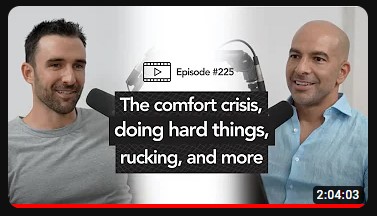
That single phrase provided a concise summary of a core philosophy that advocates of voluntary simplicity and self-reliance have been trying to articulate for over a decade. While mainstream headlines frequently broadcast warnings about nationwide personal debt crises, health epidemics, and societal stressors, a different reality often goes unnoticed. On average, modern society—particularly in affluent nations—faces a subtler, more insidious issue: an unprecedented level of overindulgence and physical ease. The primary challenge is not necessarily that life is impossibly hard, but rather that individuals fail to recognize the profound damage inflicted by absolute comfort.
The resulting deep dive into the book yielded a new perspective on the battle between comfort and hardship on a broader societal scale. The author, Michael Easter, brings a unique background to the subject. A former writer for Men’s Health magazine, Easter has been candid about his past struggles with alcohol addiction, a vulnerability shared by members of his family tree. Having successfully navigated his own recovery, his history with the hollow, destructive allure of overindulgence provides a sharp lens through which to examine the broader cultural tug-of-war between ease and challenge.
Unpacking "The Comfort Crisis"
What makes the book compelling to readers is its literary style. Mirroring the structure of popular science narratives, the book alternates between two distinct storylines. It weaves together the account of an intensely grueling, remote caribou hunting expedition in the Alaskan wilderness with the scientific research, psychological insights, and cultural commentary necessary to unpack the experience. This duality allows readers to easily process and apply the underlying lessons to their everyday lives.
For instance, consider the behavior of suburban residents who fixate on minor neighborhood grievances, such as overgrown lawns or localized rule infractions, often broadcasted across community message boards. According to psychological research cited in the book, there is a scientific explanation for this tendency. Humans are biologically hardwired to constantly scan their environment for threats, regardless of how safe and pristine that environment actually is.
Studies examining human behavior in artificially stabilized environments revealed that when subjects run out of actual threats to identify, their brains automatically begin expanding their criteria to find new problems, even unconsciously. As people experience fewer tangible, life-threatening problems, they do not necessarily become more satisfied; instead, they lower their threshold for what constitutes a problem. When daily existence is virtually devoid of major
survival challenges, human psychology tends to invent grievances to fill the void.
This behavioral quirk trickles upward into broader cultural and political arenas, where leaders cater to insubstantial concerns and amplify minor wedge issues to spark public debate over topics that would otherwise go unnoticed. Conversely, populations surviving in demonstrably harsher environments often exhibit higher baseline resilience and a reduced propensity for constant complaining. Similarly, the children and grandchildren of first-generation immigrants frequently experience the "shirtsleeves to shirtsleeves in three generations" phenomenon, where the loss of the original, harder conditions that forged early adaptability leads to complacency and the rapid depletion of accumulated wealth.

The Healing Power of Nature and Exertion
Beyond the psychological traps of worry, The Comfort Crisis explores the scientifically documented benefits of spending time in natural environments, contrasting them with the grinding monotony of climate-controlled cubicles and automobile commutes. Human biological wiring responds immediately and measurably to natural stimuli. Even placing a single potted plant inside a hospital room can improve patient recovery rates across various ailments, highlighting the restorative power of a living forest or an extended outdoor excursion.
The book also addresses human adaptations concerning the ratio of effort to reward. Psychological research demonstrates a direct correlation between the difficulty of a task and the subsequent satisfaction derived from its completion. Yet, human biology also harbors a deep-seated predisposition to default to comfort wherever possible. A telling statistic cited in the work notes that only two percent of people choose to take the stairs when an escalator is readily available—a testament to the pervasive avoidance of physical exertion.

Given the overwhelming scientific consensus that regular physical movement significantly reduces the probability and severity of numerous modern diseases, the societal preference for sedentary routines appears increasingly costly. Experts suggest that integrating maximum outdoor time, heavy load-bearing exercise, and minimized sedentary habits into daily life forms the foundational baseline for physical and mental well-being, far before any reliance on niche medical interventions becomes necessary.
Real-World Application in the Mountains
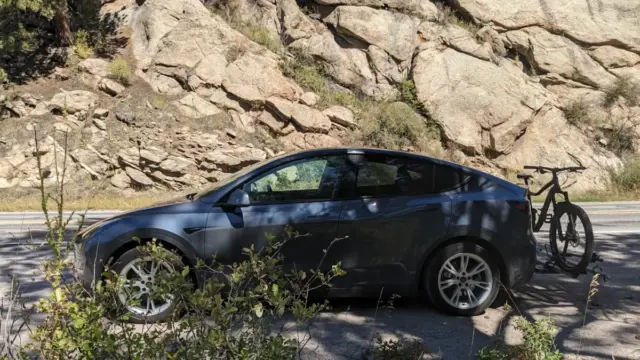
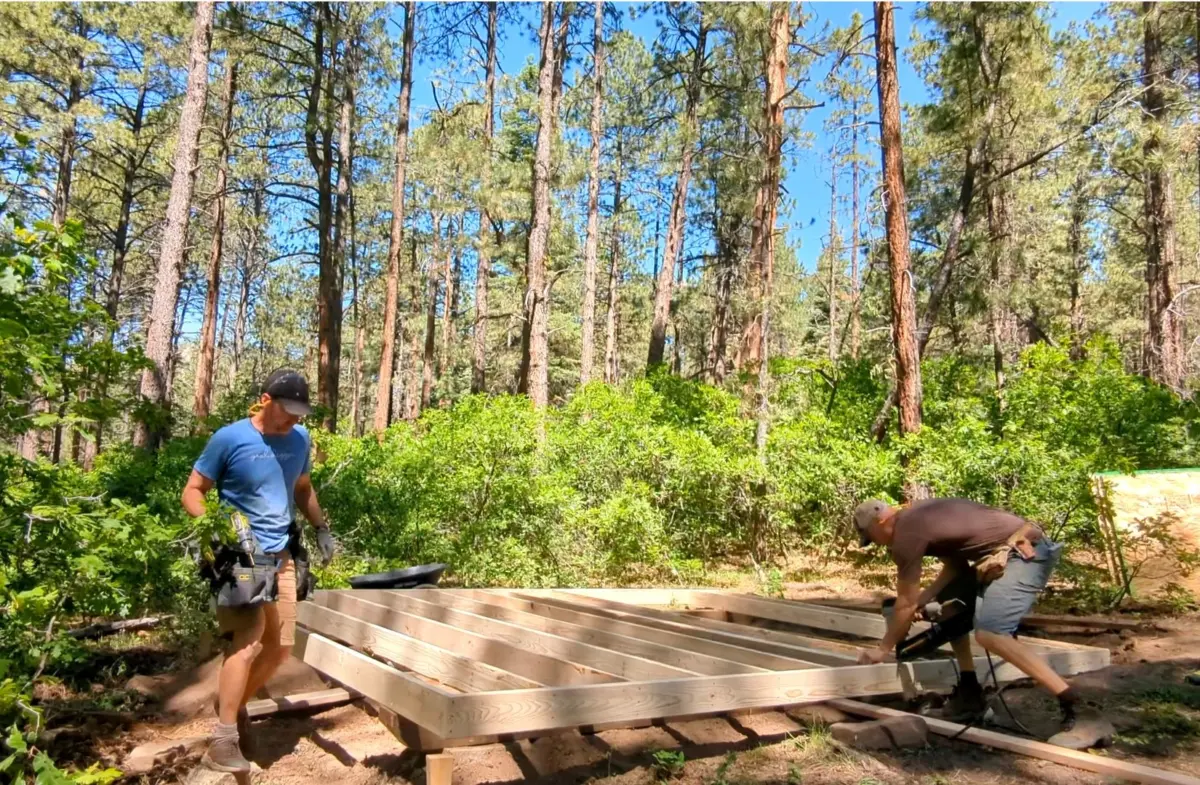
The theoretical framework of the book found practical application during a solo expedition into the rugged landscape of southwestern Colorado. Packing a vehicle with essential tools, food, and bedding, the journey involved tackling multiple construction projects, including property renovations in Salida and the initial phases of cabin construction near Durango.

The trip began with a series of minor setbacks: a torrential mountain rainstorm, a moving violation in a small town resulting in a traffic fine and license points, and a stray pebble that instantly cracked a brand-new windshield. While trivial in the grand scheme of human suffering, these minor inconveniences served as an immediate test of patience for an individual accustomed to a highly stable, predictable domestic routine.
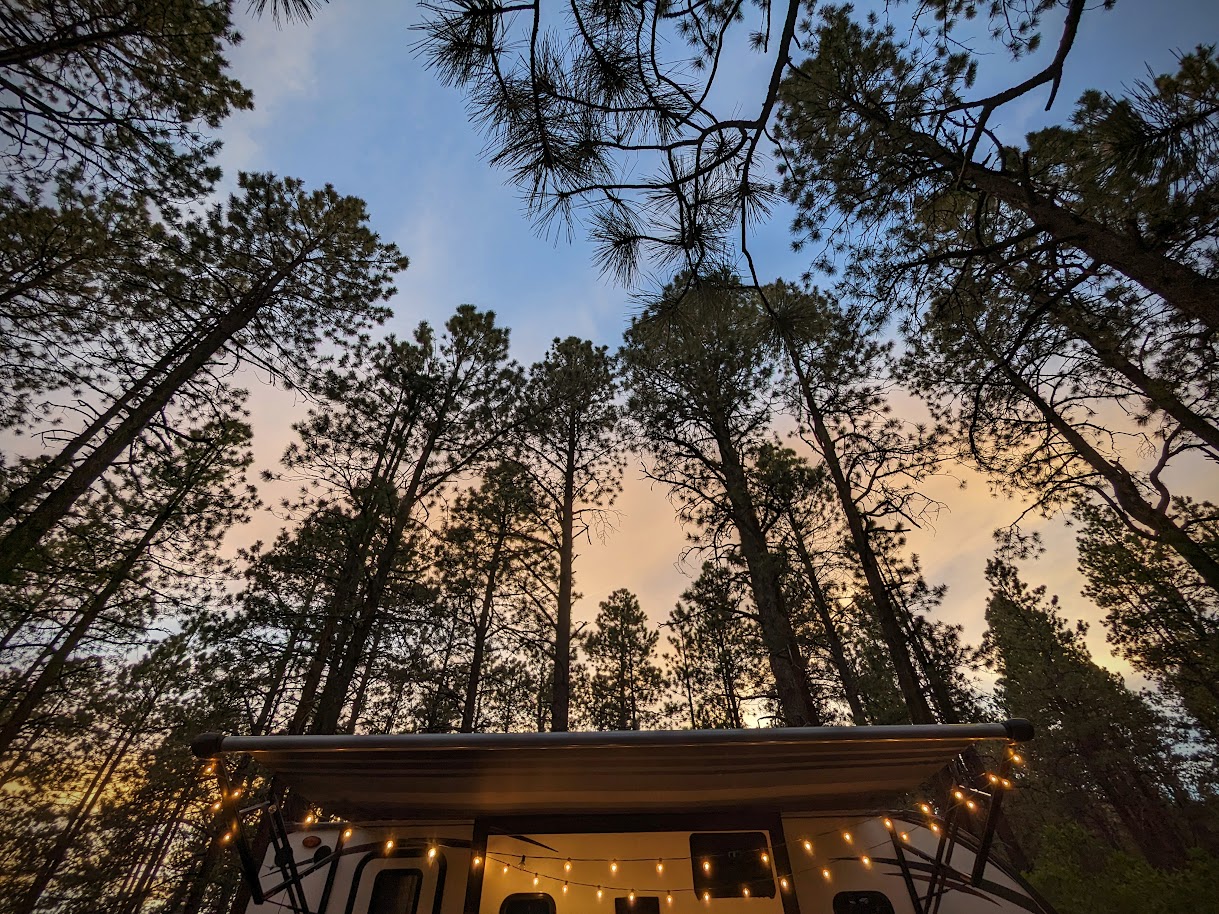
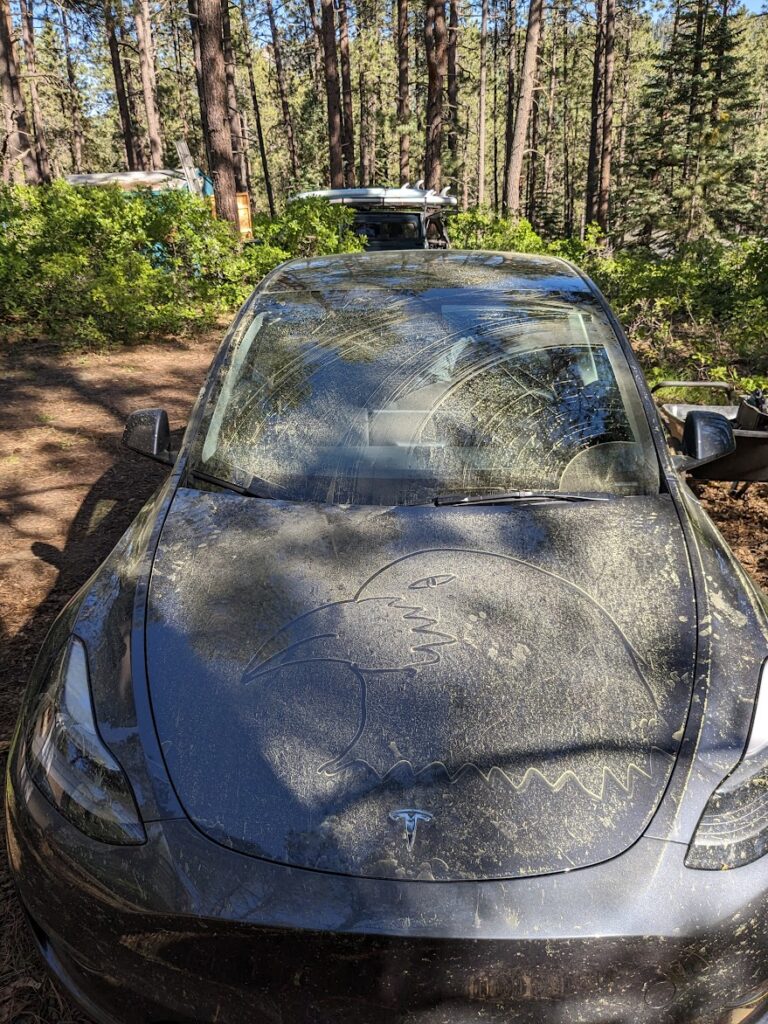
As the journey progressed deeper into the high desert of Durango during the peak of summer heat, the physical demands increased significantly. Working without indoor plumbing, managing limited water supplies, contending with intense solar radiation, and sleeping out of a vehicle in remote terrain presented daily obstacles. Yet, rather than inducing distress, the persistent hardship fostered a growing sense of resilience and capability.
An afternoon excursion to the remote Lemon Reservoir further tested these principles. Setting out on paddleboards into a stiff headwind and whitecap waves without modern conveniences like mobile phones, the journey demanded intense physical exertion. Navigating far from the shore into a secluded, moss-carpeted mountain meadow reinforced the value of unrecorded, sensory-driven experiences over digital documentation. The return trip—drifting silently across deep water while resting on the boards—offered a rare sense of profound tranquility born entirely from physical effort and exposure to the elements.
This deliberate immersion in physical work and temporary resource scarcity culminated in a stark appreciation for basic sustenance, highlighting how perpetual comfort dulls the human experience. Returning to a normal routine underscored a central thesis: while modern financial independence and lifestyle design offer unprecedented freedom, the deliberate preservation of challenge remains essential. Upgrading tools and experiences is valuable, but avoiding the slow creep of total comfort is vital to maintaining vitality, resilience, and genuine satisfaction in everyday life.