
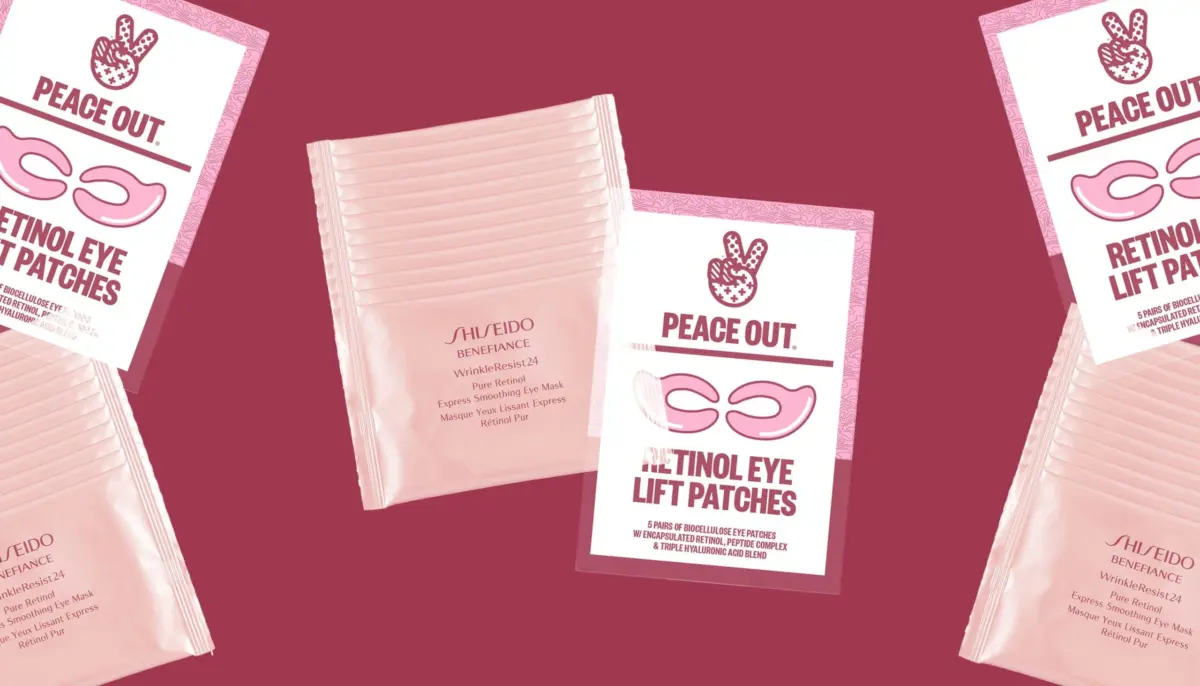
Unlike simple face tapes that rely purely on mechanical tension to hold the skin in place temporarily, true wrinkle patches often combine physical sealing with active ingredients. Formulations frequently feature powerful components such as retinol, peptides, and hyaluronic acid designed to improve skin quality over time.
What is a Wrinkle Patch?
Wrinkle patches serve as targeted treatments specifically developed to address fine lines and wrinkles in delicate areas of the face. While face tapes simply hold the skin taut for a temporary smoothing effect, true wrinkle patches are engineered to pack a clinical punch.
According to skincare specialists, these patches do significantly more than just restrict movement. By locking in moisture—especially when worn overnight—they create an optimal microclimate for the skin. Experts note that they offer incredible convenience and a mess-free application, making them a popular choice for travelers. Some variants utilize dissolving microneedles to deliver active ingredients deep into the skin’s surface, while others function primarily as moisture-locking shields designed to boost hydration and support barrier repair.
Do Wrinkle Patches Actually Work?
The efficacy of a wrinkle patch largely depends on its specific design and formulation. Hydrogel and adhesive patches work by creating a sealing effect. This barrier not only prevents transepidermal water loss but also allows active ingredients to penetrate the skin more effectively.
Dermatologists emphasize the importance of looking beyond mere physical tension. Effective patches incorporate active ingredients that deliver genuine, long-term skin benefits by targeting the deeper layers of the epidermis, moving beyond a superficial quick fix.
Meanwhile, advanced microneedle patches take targeted treatment a step further. Microdart technology creates microscopic pathways into the upper layers of the skin, potentially enhancing the delivery of active ingredients compared to traditional topical applications. While these products will not replace in-office dermatological procedures, consistent use can temporarily plump fine lines, boost hydration, and visibly improve skin texture.
However, medical professionals stress that patches have distinct limitations. Unlike neurotoxins such as Botox, which actively relax the muscles responsible for creating dynamic wrinkles, topical patches cannot prevent deeper lines from forming over time. They operate within the realm of standard skincare, offering supportive benefits rather than structural alterations.
How Long Do the Effects of Wrinkle Patches Last?
Consumers should manage expectations regarding the longevity of results provided by wrinkle patches. Experts caution that the visible smoothing effects are typically fleeting, often lasting only a few hours after the patch is removed.
The immediate improvement is primarily achieved by limiting facial movement during wear, which temporarily softens the appearance of fine lines and wrinkles. Because these products do not address the foundational causes of aging—such as natural collagen loss, repetitive facial expressions, and cumulative sun damage—their benefits fade relatively quickly. Consequently, professionals view them as an enjoyable supplemental treatment rather than a viable substitute for a comprehensive, long-term skincare routine.
Are There Any Drawbacks to Wrinkle Patches?
While wrinkle patches can serve as a useful component of a modern skincare regimen, they come with several practical limitations and potential drawbacks. Because they are designed as single-use products, the ongoing cost can accumulate significantly over time.
Furthermore, individuals with sensitive skin may experience irritation, redness, or localized adhesive sensitivity, particularly with extended overnight wear or when utilizing microdart varieties that puncture the outer skin barrier. Because the results are inherently temporary, maintaining any visible improvement requires ongoing, consistent use.
Another consideration involves product formulation. For patches infused with active ingredients, manufacturers face the ongoing challenge of maintaining ingredient stability and ensuring adequate concentration for optimal efficacy—a standard that can vary widely across different brands on the market.
How Products Are Tested and Reviewed
Publications like Allure evaluate beauty products through a rigorous methodology designed to serve consumers objectively. Editorial teams review ingredient lists, scrutinize manufacturer claims, and reference peer-reviewed scientific and medical studies when necessary. Every reviewed product undergoes direct testing by editorial staff, supported by contributions from established experts in dermatology, cosmetic chemistry, and medicine who help vet complex formulas.
When assessing the category of wrinkle patches, editors evaluate performance across five primary criteria: ingredient efficacy, packaging quality, fragrance profile, texture, and product wear. Selections are determined by in-house writers, editors, and industry contributors, with specialized insights provided by board-certified dermatologists. This comprehensive evaluation process ensures that beauty recommendations reflect both consumer experience and clinical insight.