
It was an idyllic, classic backpacker existence where forging deep connections with locals, learning basic Thai phrases, and losing track of time came naturally. For years, the temptation to return was aggressively resisted out of a profound fear of destroying that pristine memory. Revisions of the past often lead to chasing travel ghosts, and knowing that the sleepy sanctuary had inevitably succumbed to modern development fueled an apprehension that seeing the changes firsthand would only bring disappointment.
Yet, structural realities of travel planning eventually forced a reckoning. While mapping out a route down the Indian Ocean side of Thailand toward Malaysia ahead of New Year’s Eve, the geography made bypassing Ko Lipe nearly impossible. Needing a lively spot to ring in the new year that offered convenient onward transit—specifically the direct ferry connection to Langkawi—the decision was made to finally confront the passage of time and revisit the shores of the Andaman Sea.
The reality awaiting the long-awaited homecoming proved devastating. Ko Lipe has fully embraced the unsustainable tourism model popularized by destinations like Ko Phi Phi, transforming into an overdeveloped hub that strains every boundary of its fragile ecosystem.
Most of the island has been aggressively paved over. The old, dusty footpaths that once preserved a rustic charm have been converted into concrete roads designed to accommodate cars and heavy construction trucks. Sweeping canopies of native palm trees have been cleared to make way for high-end luxury resorts featuring swimming pools—a staggering ecological paradox on a tiny island entirely devoid of a natural freshwater supply. Construction equipment remains a constant fixture as building projects race forward unchecked.
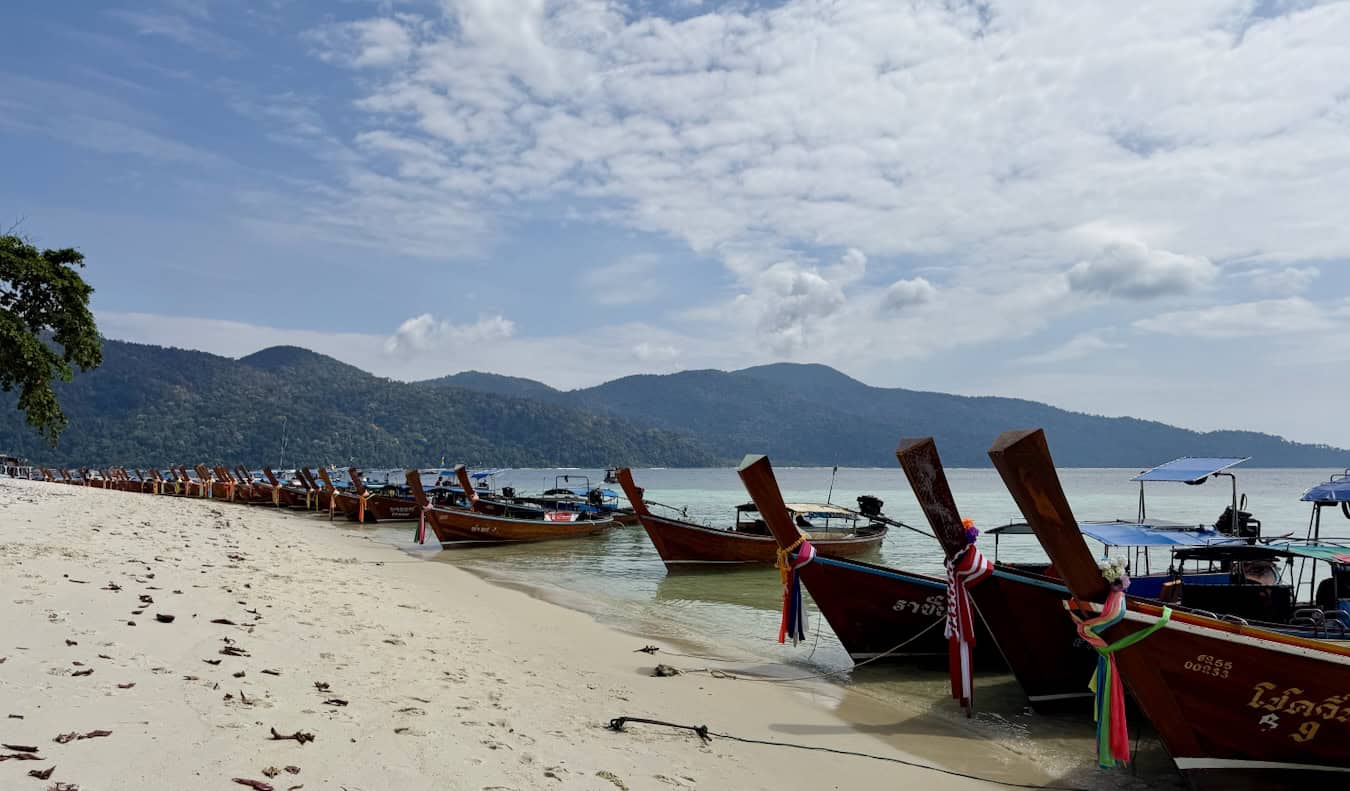
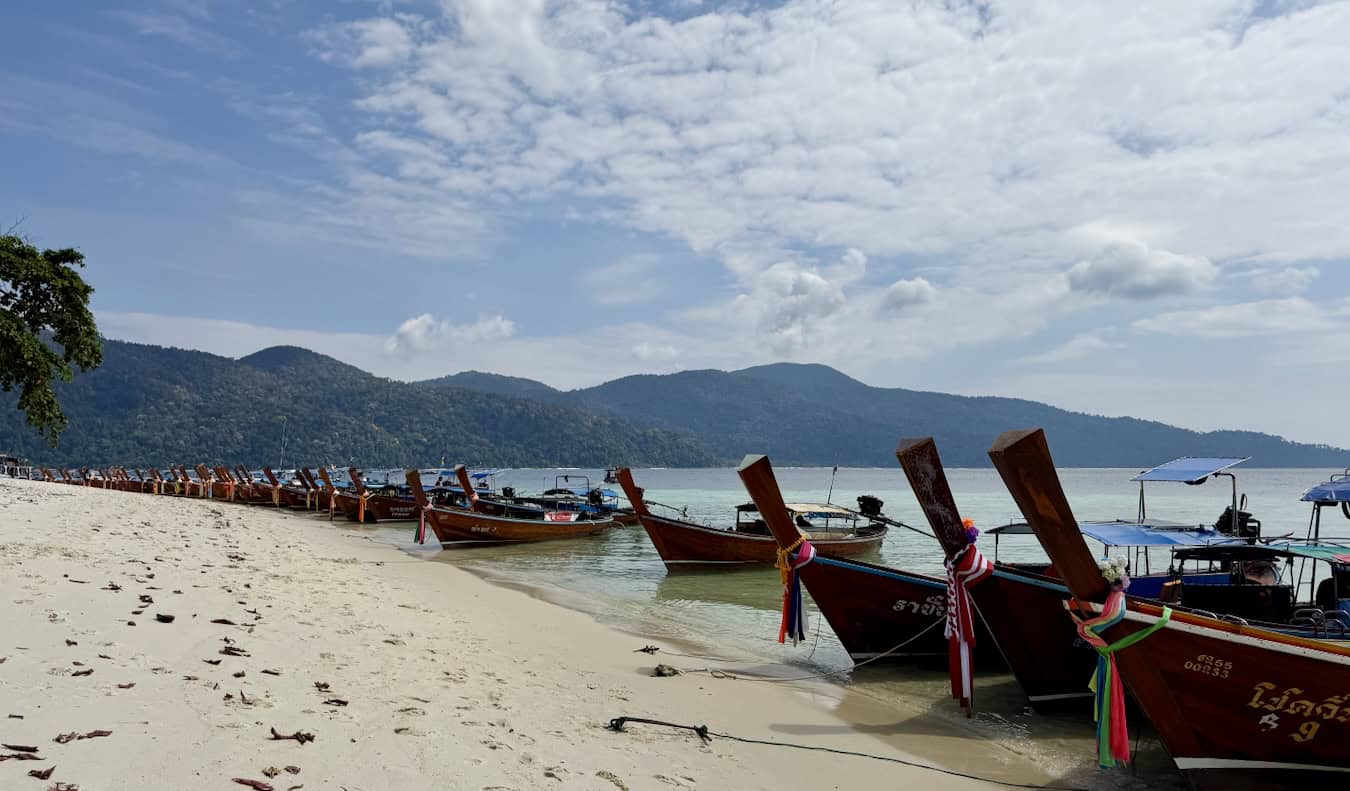
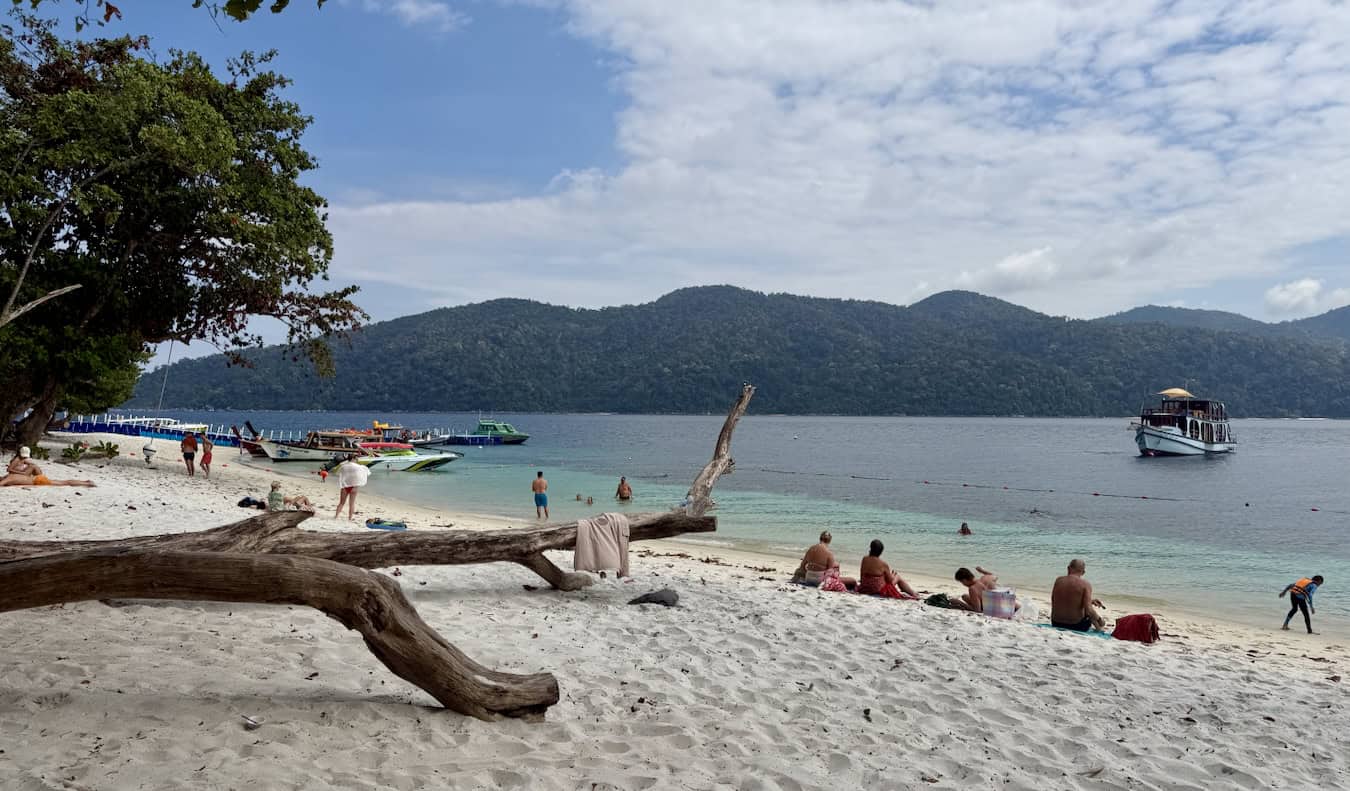
Beneath the surface, the marine environment is suffering a silent catastrophe. The vibrant coral reefs surrounding the island are rapidly dying off, choked by the unrelenting congestion of tourist boats, heavy anchors dragging across the seabed, marine pollution, and intensive overfishing. The picturesque beaches are now permanently lined with longtail boats, their engines idling and spilling exhaust directly into the coastal waters, leaving an iridescent, oily film visible to anyone attempting to swim. Meanwhile, the culinary landscape has shifted dramatically, with restaurants increasingly catering to tourists demanding Western comfort food rather than preserving authentic, high-quality Thai cuisine.
This rapid commercial boom has also exacted a heavy social toll. Many local residents have been displaced, pressured into selling their ancestral lands to wealthy developers from the mainland. Consequently, a significant portion of the island’s current workforce is imported from other regions, leaving local communities to reap very few benefits from the lucrative tourism wave.
Ko Lipe now stands as yet another cautionary tale of Thailand’s persistent struggle with overdevelopment and the commercial exploitation of strictly limited natural resources.
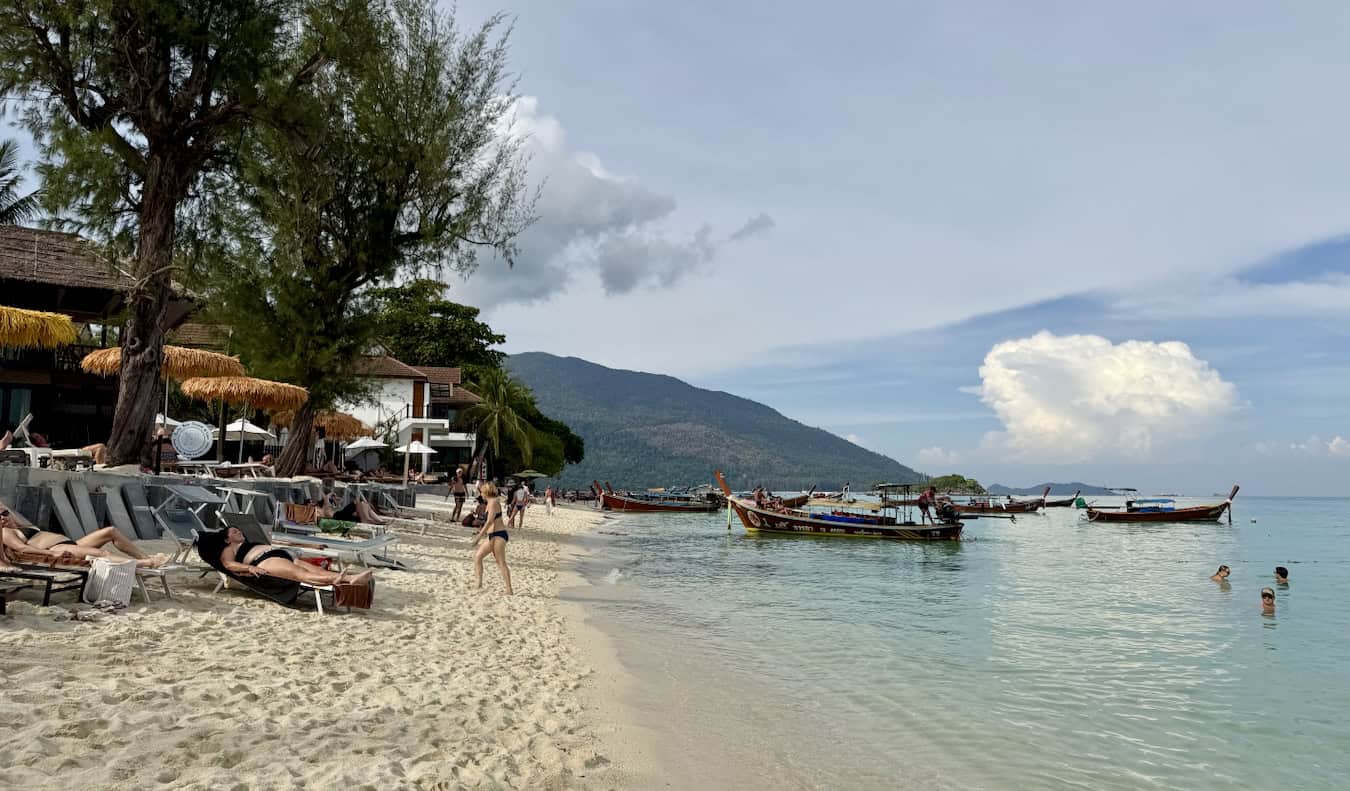
Despite these severe environmental and social costs, the island continues to exert a powerful pull on first-time visitors. The region retains undeniable surface-level charms: postcard-perfect landscapes, striking azure waters, powder-white sands, and proximity to a protected national park that funnels eager travelers toward surrounding secluded islets. Against the backdrop of mega-resort hubs like Phuket, Krabi, or Ko Phi Phi, Ko Lipe can still feel relatively restrained to an uninitiated traveler taking their first steps onto the sand.
However, reflecting deeply on the trajectory of the destination leads to a stark, uncompromising conclusion: travelers should actively choose to stay away.
Growth in and of itself is not the enemy, but the reckless, mismanaged expansion seen here threatens to push the island’s finite resources past the point of no return. History shows that tourist destinations cannot easily reverse severe commercialization, and local populations cannot be expected to remain economically stagnant simply to preserve an outsider’s romanticized ideal of paradise. Yet, participating in this particular brand of tourism only accelerates the decline.
With numerous neighboring alternatives currently managed with far greater sustainability—such as Ko Lanta, Ko Jum, and Ko Mook—skipping Ko Lipe is framed as a necessary exercise in responsible tourism.
The sentiment carries a heavy personal weight, given the profound formative impact the original visit had decades ago. But conscientious stewardship sometimes requires acknowledging when a tipping point has been reached. Consumer choices possess undeniable power in shaping global travel trends. Just as public consciousness successfully shifted consumer behavior away from elephant riding in Thailand, and as market demand propelled the explosive growth of eco-lodges worldwide, collective consumer action remains a powerful force in addressing overtourism.
Whether a coordinated boycott could eventually force a structural shift in how Ko Lipe is managed remains doubtful, but withholding participation ensures that conscious travelers at least stop contributing to the ongoing crisis. Ultimately, stepping back and choosing better-managed destinations offers a way forward, proving that the choices made by travelers continue to dictate the health of the world’s most vulnerable destinations.