However, the rapid expansion of remote work in the post-pandemic era has catalyzed a significant shift in temporary housing models. A new wave of global coliving spaces has emerged to bridge a critical gap in the market, seamlessly combining the infrastructure of professional coworking environments with the communal atmosphere of boutique hospitality. Designed specifically for digital nomads, entrepreneurs, and remote professionals seeking reliable workspaces paired with built-in social opportunities, these properties aim to alleviate the isolation that frequently accompanies working alone abroad.
At the forefront of this movement is Outsite, a prominent international network of combined coliving and coworking spaces catering to location-independent professionals. Following a recent stay at the network’s property in Bordeaux, France, industry observers and travelers alike are taking a closer look at how these structured communal hubs are redefining the mechanics of working from the road.
What is Outsite?
Founded in 2015, Outsite originated as a single residential property in Santa Cruz, California, initially created to serve individuals looking to balance surfing with remote employment. In the years since its inception, the platform has expanded significantly, developing a global portfolio encompassing more than 50 locations and counting a community of over 5,000 active members.
While the properties are accessible to general travelers for standard bookings, the platform operates primarily on a membership model designed to encourage recurring use. Individuals can secure access through an annual membership fee of $199 or opt for a lifetime membership priced at $499. Membership tiers unlock a variety of logistical and financial incentives, including access to exclusive, members-only locations, promotional flash sales offering substantial rate reductions, discounted extended-stay pricing, introductory mixers for newcomers, and a dedicated internal board for job postings and sublets.
The booking process is intentionally streamlined, allowing users to browse available properties through an online interface filtered by geographic destination or specific environmental preferences, such as coastal, urban, or mountain settings. Once a location is selected, guests reserve private residential rooms equipped for extended stays.
How Does Outsite Work?
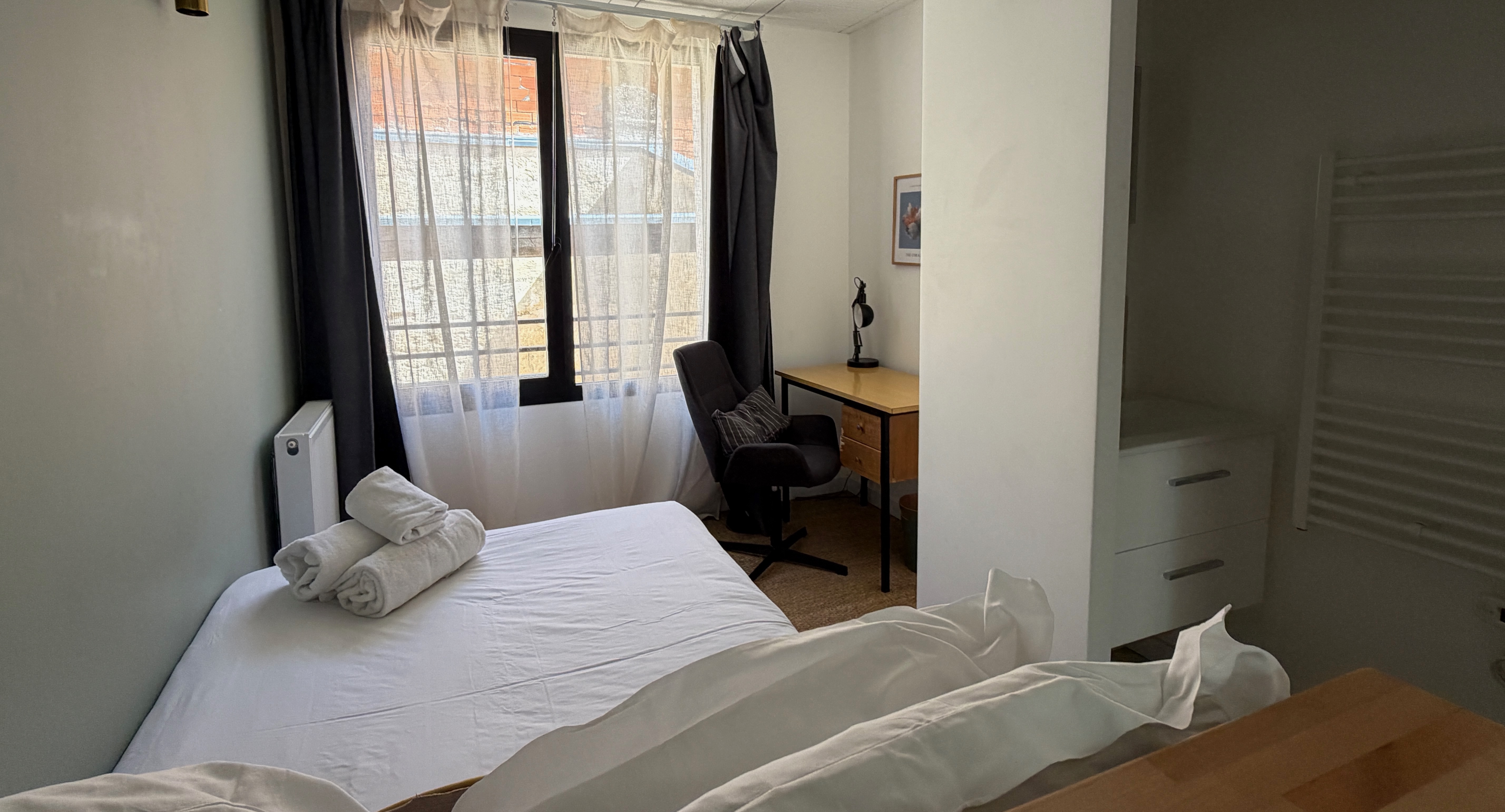
Operating at the intersection of a boutique hotel and a professional office environment, Outsite properties center their accommodations around private bedroom bookings. While the majority of rooms feature private en-suite bathrooms, certain budget-conscious options offer shared bathroom facilities utilized by a minimal number of guests.
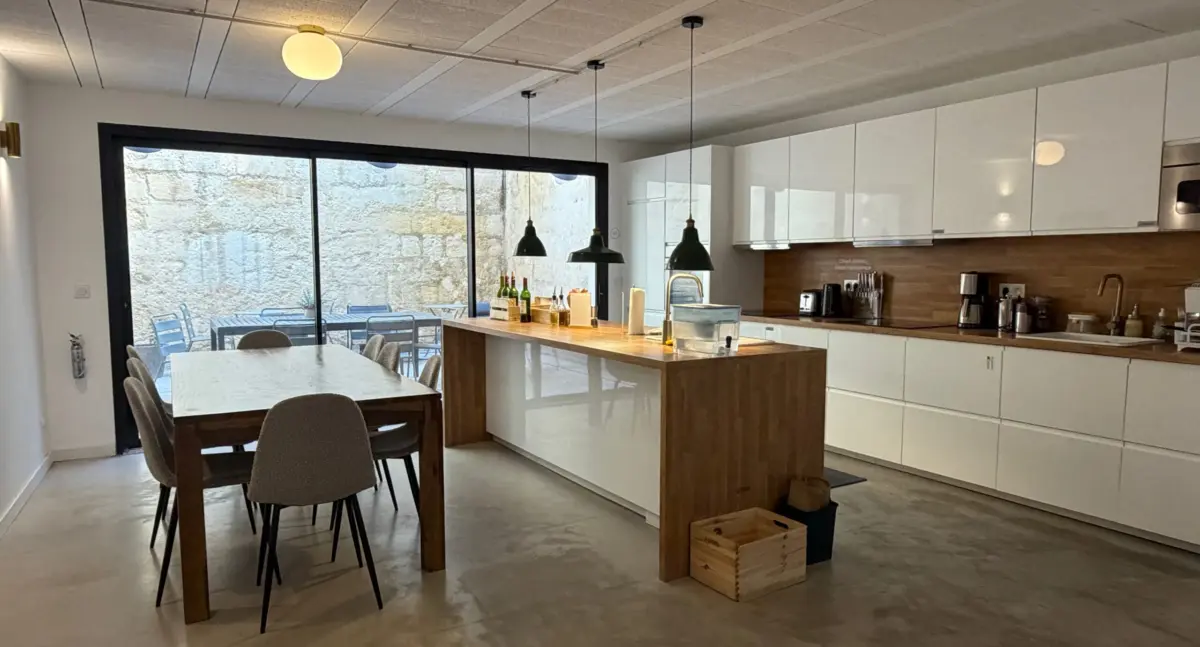
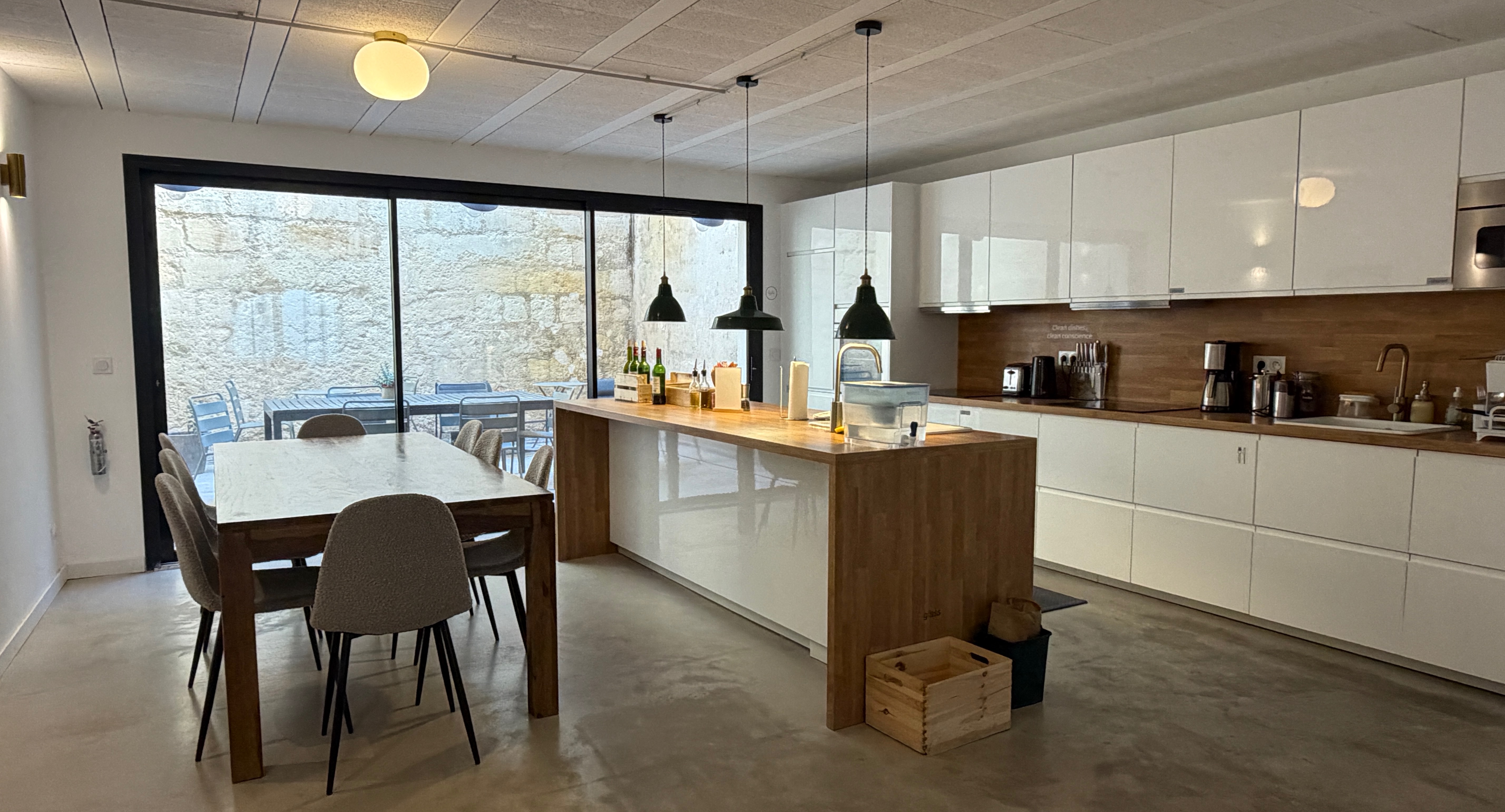
Beyond individual quarters, every property emphasizes expansive communal areas designed to foster interaction and comfort. These shared spaces typically include fully equipped chef-style kitchens, spacious living rooms, outdoor patios, and, depending on the geographic site, rooftop decks or swimming facilities.
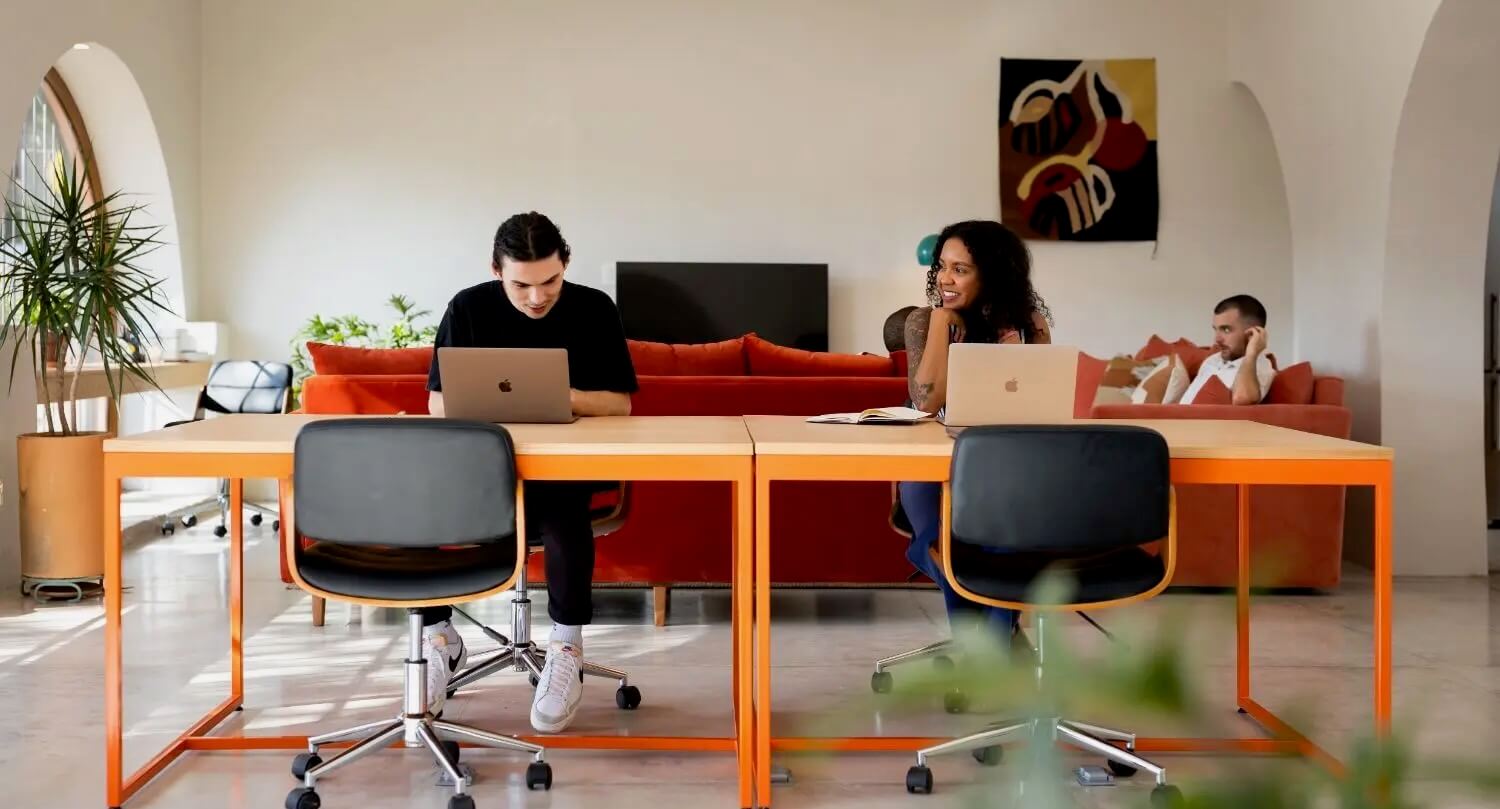
A defining feature of the network is the integration of dedicated coworking facilities directly within each residential structure. Unlike makeshift setups in traditional rentals, these workspaces are outfitted with ergonomic seating, abundant electrical outlets, external monitors for multi-screen workflows, and enterprise-grade high-speed internet connections. This layout allows residents to transition from waking hours to deep professional focus within minutes.
To address the inherent isolation of remote labor, each location is assigned a dedicated community manager. Prior to arrival, guests are integrated into localized messaging groups, while managers coordinate regular social programming such as family-style communal dinners, weekend excursions, local food crawls, and wellness activities like morning yoga sessions. Furthermore, community managers serve as localized resources, providing guidance on neighborhood amenities, dining recommendations, and logistical assistance throughout a guest’s tenure.
Evaluating the Pros and Drawbacks of Coliving
An examination of properties like the Bordeaux location reveals a strong emphasis on modern interior design, incorporating contemporary furnishings, natural lighting, indoor vegetation, and local artwork to distance the properties from the clinical atmosphere typically associated with corporate hotels. Shared kitchens receive daily professional cleaning and feature ample counter space, complemented by complimentary provisions of coffee and tea.
Nevertheless, industry analysts note that this model comes with distinct considerations for prospective travelers. Outsite does not position itself as a budget-oriented backpacking alternative; travelers accustomed to ultra-low-cost dormitory accommodations will find the pricing structure significantly higher. Guests pay a premium for private quarters, guaranteed workspace infrastructure, and curated community management. When calculated cumulatively, however, proponents argue that the cost often aligns favorably with the combined expenses of securing a private short-term apartment lease and purchasing an independent monthly coworking space membership.
Additionally, high demand frequently impacts booking flexibility. Popular destinations during peak travel seasons, such as properties in Lisbon during the summer months or Costa Rica during the winter, often require reservations months in advance, limiting spontaneous travel planning for high-demand locations.
Frequently Asked Questions
Understanding the operational parameters of modern coliving networks involves clarifying several standard policies regarding accessibility and rules of occupancy.
Membership is not a strict prerequisite for securing a reservation, as non-members are permitted to book stays across the network. However, individuals planning extended stays frequently find that the annual membership fee is rapidly offset by reduced nightly rates.
Regarding age demographics, while there is no explicit upper limit, guests must meet the legal age requirement of 18, or 21 depending on local jurisdiction. The demographic composition predominantly reflects working professionals spanning their late twenties through their forties, distinguishing the atmosphere from traditional youth-oriented backpacker hostels.
Stay durations vary by location, with most properties enforcing a modest two-night minimum to accommodate weekend travelers. Conversely, specific urban markets subject to stringent municipal short-term housing regulations, such as New York City, may necessitate minimum stays extending to 30 days.
Pet policies generally prohibit animals across the network. Because the living arrangements rely heavily on shared kitchens and communal spaces, restrictions are maintained to preserve the comfort and address potential allergy concerns of all resident professionals.
Ultimately, the evolution of platforms like Outsite reflects a broader maturation of the digital nomad ecosystem. By merging domestic comfort, professional-grade infrastructure, and structured social integration, these spaces continue to influence how modern remote professionals navigate the intersection of career progression and global mobility.