Even long-term travelers who pride themselves on not being typical tourists often fall into the exact same behavioral patterns. They simply travel at a slower pace and make a concerted effort to spend less money along the way. While there is nothing inherently wrong with this approach, it represents the standard nature of modern tourism. Most people secretly harbor cinematic daydreams of dropping into a foreign city, immediately befriending welcoming locals, and living out an adventurous narrative. In reality, that rarely happens. Because travelers are merely passing through, locals generally have little desire to forge deep friendships with transient visitors, and meaningful day-to-day interactions remain the exception rather than the rule.
Industry observers note that achieving a profound travel experience requires a fundamental shift in commitment: staying in a place long enough to truly understand it. The most transformative journeys often involve contributing something tangible to the host community and remaining rooted long enough to build authentic, lasting relationships. Being embedded in a destination yields entirely different results than merely passing through it.
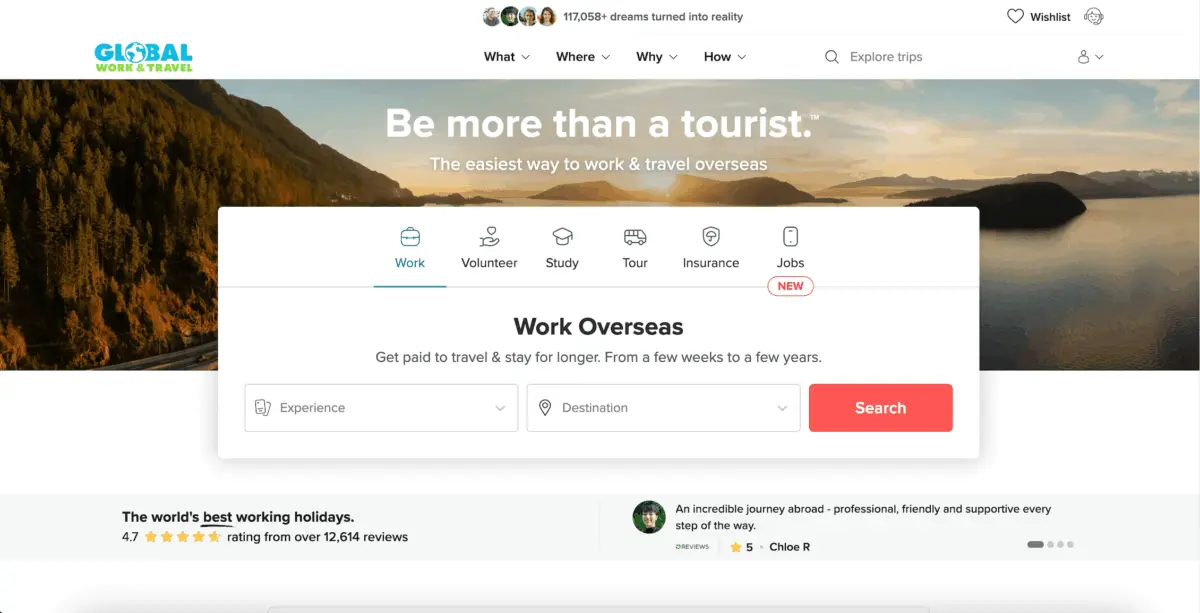
Travel advocates argue that contemporary travelers should seek ways to actively give back to the communities they visit. Historically, finding vetted, legitimate organizations that genuinely improved the lives of locals was a daunting and opaque process. Today, however, a growing sector of specialized companies exists to connect travelers with meaningful volunteer work and paid international employment opportunities. Platforms like Global Work & Travel have emerged to help bridge this gap, offering structured pathways for individuals seeking deeper international immersion.
What Global Work & Travel Does
Operating as the world’s largest gap year company, Global Work & Travel has spent nearly two decades placing participants in working holidays, volunteer programs, teaching positions, and international internships. To date, the organization has facilitated placements for more than 116,000 travelers across destinations spanning the United Kingdom, Europe, the Americas, Asia, Africa, and the Pacific.
Even for seasoned travelers, relocating abroad presents a formidable array of challenges. Securing legal employment independently, finding stable permanent housing instead of enduring months in cramped shared hostel rooms, managing transport costs in an unfamiliar urban environment, and navigating competitive local job interviews are just a few hurdles. For long-term travelers, these logistical realities can quickly become overwhelming.
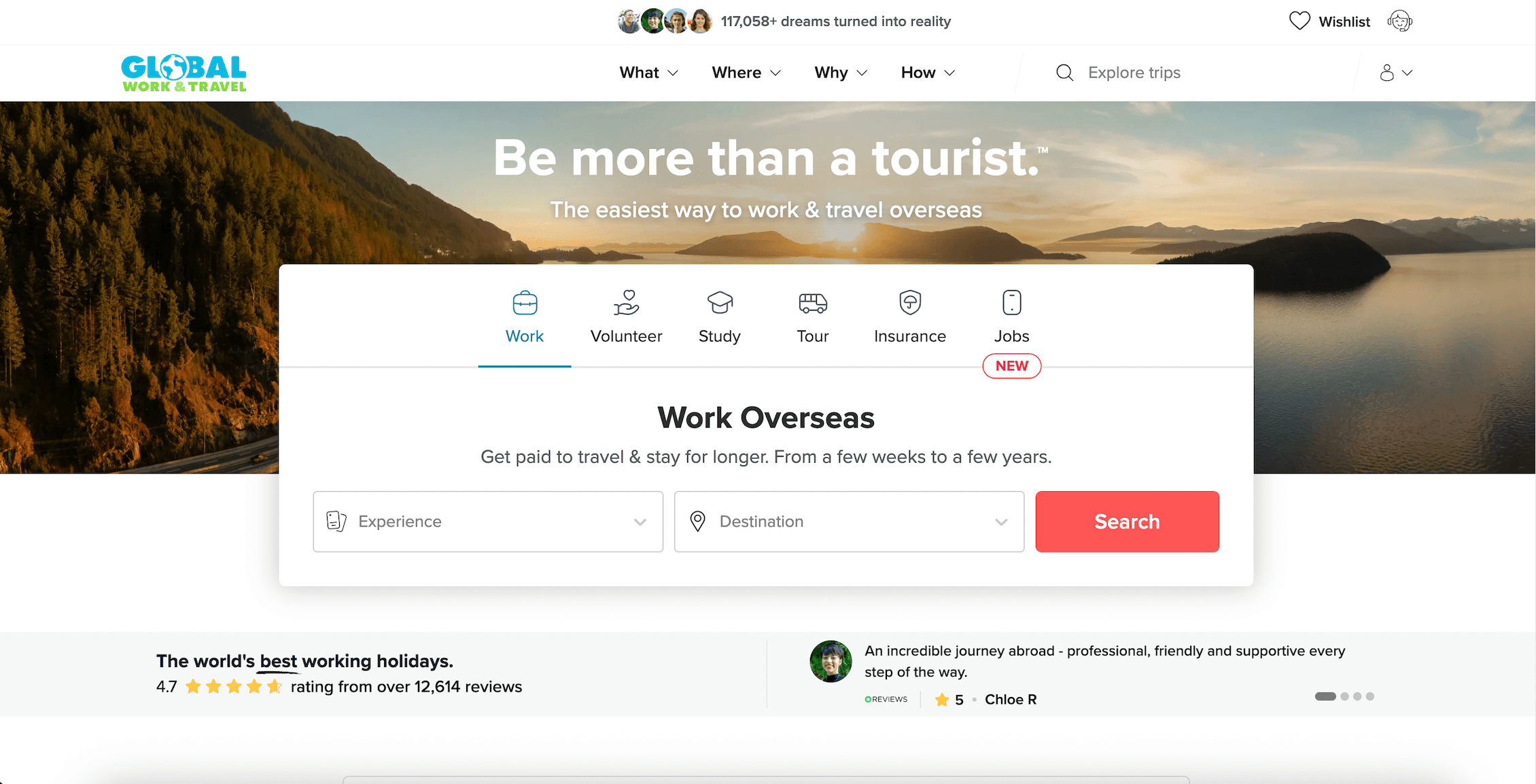
To mitigate these obstacles, structured organizations provide a critical safety net that makes working abroad viable for individuals who lack the time or inclination to troubleshoot every detail on their own. Services typically encompass comprehensive job matching, pre-departure support, visa application guidance, local placement coordination, and ongoing assistance via digital trip management platforms like the gWorld portal, which consolidates itineraries and logistics into a single application. For first-time international relocators, this structured support system often proves to be the definitive factor between making the leap and remaining paralyzed by logistical complexity.
Why Working Holiday Makers Are the New Digital Nomads
Over the past decade, the concept of the "digital nomad" has reigned as the ultimate aspirational model for long-term travel: working remotely, earning an income in a strong currency, living in a lower-cost destination, and repeating the cycle indefinitely.
Yet, that economic model is accessible only to a narrow demographic. It requires a portable remote job, a dependable income threshold, and a level of professional stability that younger travelers or those earlier in their careers rarely possess.
Working holiday programs fundamentally flip that traditional equation. Instead of bringing an external job into a destination, participants secure local employment upon arrival. This approach integrates the traveler directly into the host economy rather than allowing them to float above it in an insulated expatriate bubble. Individuals meet colleagues through their daily work rather than being confined to coworking spaces or short-term hostels, thereby building a genuine domestic routine rather than a transient vacation schedule.
In many respects, working holiday makers experience a more grounded and attainable version of the lifestyle digital nomads strive for. Participants are not merely passing through; they are establishing a temporary home. They report to colleagues, adhere to standard work schedules, maintain a compelling reason to extend their stay beyond a standard tourist visa, and unlock genuine opportunities for lifelong personal connections.
This pathway is also vastly more realistic for the average traveler. It eliminates the prerequisite of owning a remote business or possessing years of specialized freelance experience. Success requires primarily a willingness to relocate and access to the proper administrative infrastructure. Consequently, industry trends indicate a noticeable transition in traveler inquiries—moving away from queries about securing remote employment and toward comprehensive strategies for living and working abroad for an extended year. Structured international programs streamline this transition by resolving major administrative barriers like job placement and visa processing, transforming conceptual travel dreams into achievable realities.
The Value of Ethical Volunteering
International volunteering carries a complex reputation that warrants transparent examination. The global travel market includes poorly managed programs that fail to deliver tangible community benefits, functioning instead as profit-driven enterprises designed primarily to make temporary visitors feel virtuous without creating systemic change. Ethical operators, by contrast, vet their programs across sectors such as wildlife conservation, community development, education, and healthcare to ensure community-led value.
When participants work alongside local populations on self-identified community priorities—such as educational initiatives in Zanzibar, conservation efforts in South Africa, or elephant rehabilitation projects in Thailand—their perspective on global issues deepens. Such initiatives not only channel vital resources into local ecosystems and community projects via dedicated support funds, but they also grant travelers a realistic understanding of the daily struggles and resilience of the people hosting them.
The Benefits of Structured Working Holidays
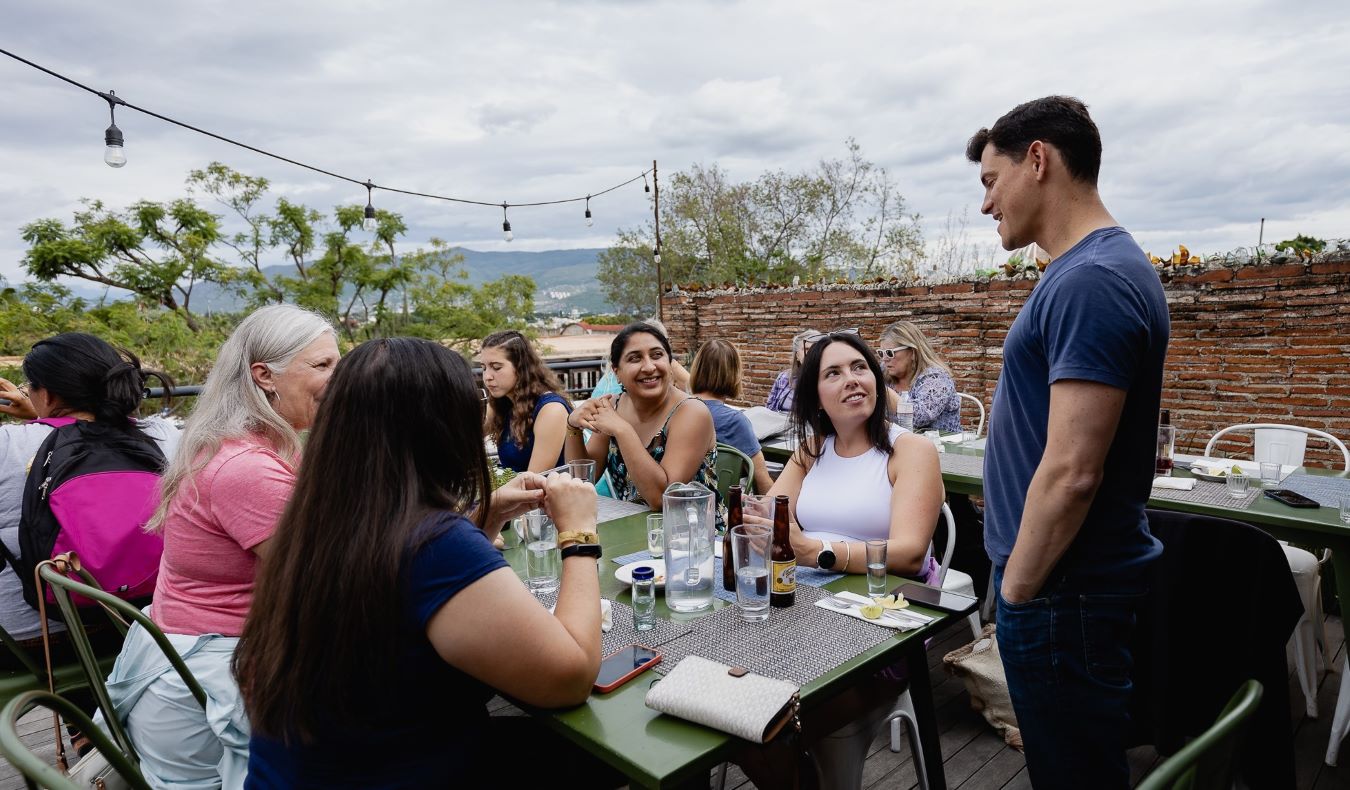
Working holidays transform international travel from a brief two-week vacation into an immersive lifestyle. By living and working locally, participants absorb cultural nuances organically, forge authentic friendships with both locals and fellow expatriates, and fund their extended travels through local wages. This financial sustainability enables much longer durations abroad, allowing travelers to discover off-the-beaten-path locations and gain a nuanced understanding of daily life across different societies. Furthermore, international work experience enhances professional resumes and builds transferable life skills, proving that extended travel can be both culturally enriching and financially manageable.
As travel continues to evolve beyond passive sightseeing, structured programs provide the logistical framework necessary to make deep international engagement accessible. By removing the administrative burdens of visas and job hunting, these initiatives allow travelers to focus on what matters most: building genuine connections and experiencing the world from the inside out.