
For long-time financial commentator and early retirement advocate Mr. Money Mustache, who experienced the dot-com boom firsthand, these cycles of exuberance and panic are well-worn territory. Having recently celebrated 21 years of retirement, he notes that questions regarding how investors can sleep at night amid geopolitical tensions, national debt, and technological disruption are perennial. To address these concerns, he recently debuted a presentation at the Camp FI Midwest event, with a polished version scheduled for the Bogleheads conference in November, exploring the psychology of market fears and the realities of the modern economic landscape.

Putting Today’s Anxieties in Historical Perspective
Reflecting on financial anxieties, the commentator recalls a conversation from over two decades ago in 2006, when a friend asked how anyone could remain comfortable in retirement given the state of the world. At the time, the headlines were dominated by fears of corrupt leadership, wars in the Middle East, surging national debt, inflation, outsourcing to Asia, and the looming crisis of "Peak Oil."

Yet, looking back over the subsequent twenty years, the global picture revealed a vastly different trajectory than the worst-case scenarios predicted. Despite the severe disruption of the Great Financial Crisis—triggered by housing market exuberance and excessive financial leverage—broad stock market indexes demonstrated remarkable long-term resilience. A historical investment of $100,000 would have grown substantially over that two-decade span, weathering both the 2008 crash and the subsequent 2020 pandemic downturn.

Simultaneously, global socioeconomic indicators improved dramatically. The percentage of the world’s population living in extreme poverty dropped from 20% in 2005 to roughly 8% two decades later, while global infant mortality rates were cut in half. Clean energy adoption surged as solar panel costs plummeted, making solar generation a dominant force in new power capacity, and electric vehicle sales expanded rapidly worldwide.

The Core Driver: Productivity Over Paper Wealth
Faced with modern worries—ranging from the US national debt and geopolitical conflicts to the potential fallout of an AI bubble or hypothetical superintelligence—financial alarmists frequently overlook a fundamental economic truth: true prosperity stems from productivity, not financial market indices, which are ultimately numerical abstractions within computerized systems.

The underlying engine of capitalism is perpetually volatile, experiencing choppy swings and speculative manias. Beneath the surface turbulence, however, real people continue to perform tangible labor and invent practical solutions. If a financial system experiences a structural failure, history shows that modern economies possess the capacity to restructure their monetary frameworks and resume productive output, just as they did following the 2008 financial crisis.

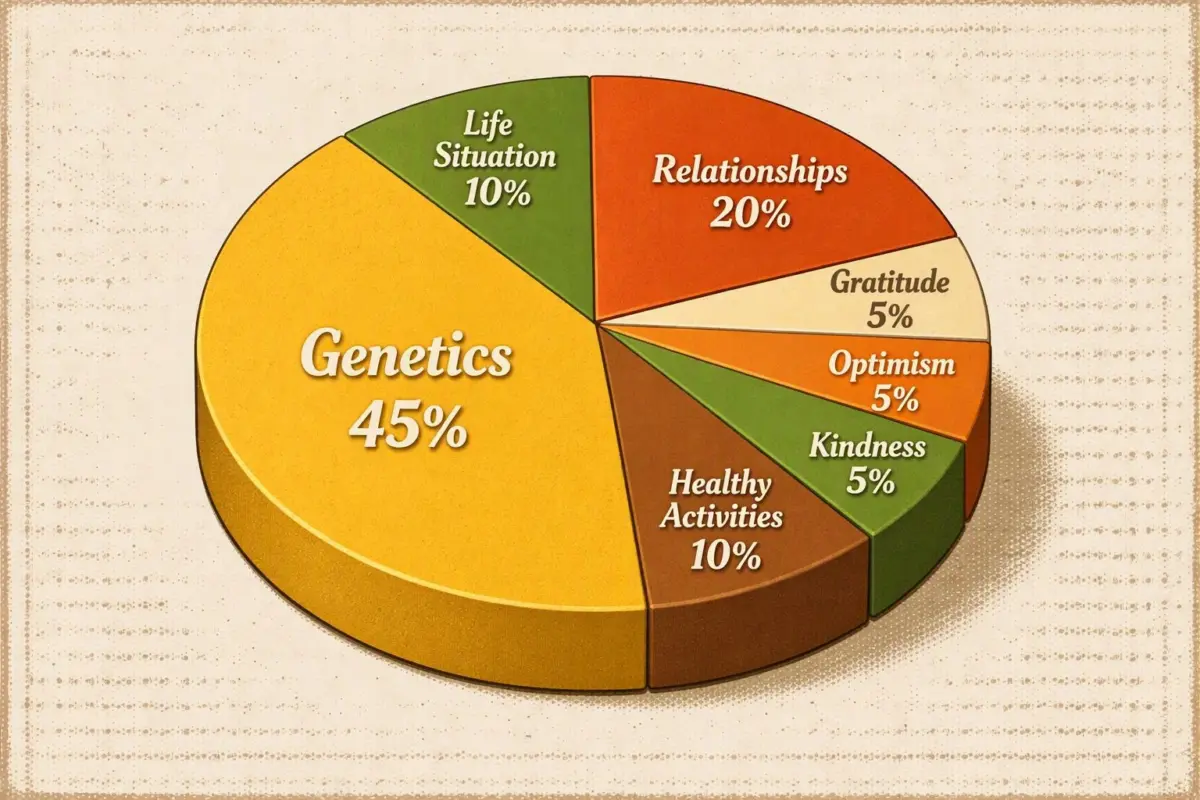
Standard of living, economic growth, and the viability of early retirement are fundamentally anchored in high productivity. Furthermore, once societies achieve a baseline standard of living—a milestone surpassed in developed nations several decades ago—human happiness and life satisfaction depend far more on personal relationships, health, and individual outlook than on marginal increases in financial wealth.

Understanding and Managing the Psychology of Fear
The persistent anxiety surrounding market bubbles and economic collapse may have less to do with objective financial reality and more to do with human evolutionary biology. As a species, humans evolved as danger-detection machines, equipped with a psychological wiring designed to identify and react to immediate threats. When tangible dangers are mitigated, this detection machinery often adapts by seeking out new sources of worry, moving goalposts from physical survival and food security to social standing, tax strategies, and portfolio fluctuations.
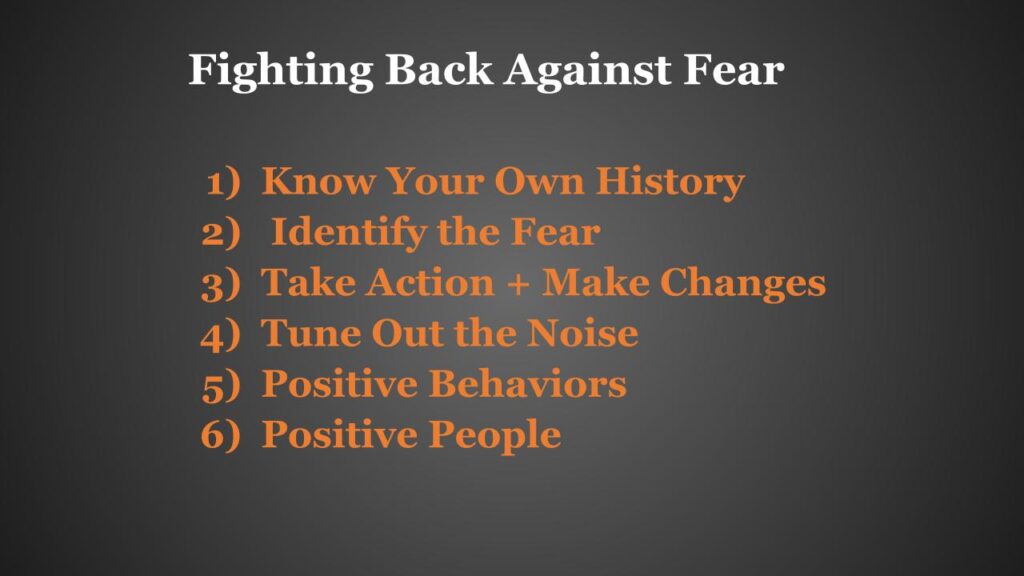
This pervasive background fear can be managed through self-awareness and rational thought. By examining personal history—such as childhood experiences of economic scarcity or trauma—individuals can recognize whether their current anxieties stem from past conditioning rather than an accurate assessment of the present. Taking proactive steps to address these fears helps convert the unfamiliar into the manageable, fostering resilience and adaptability.

Moreover, reducing exposure to fear-inducing daily news cycles and surrounding oneself with optimistic, solution-oriented communities can dramatically alter one’s mental baseline. Approaching life changes—including career shifts, major purchases, or financial retirement—through the lens of an experiment rather than a permanent catastrophe allows individuals to navigate uncertainty with curiosity rather than dread.
Viewing Artificial Intelligence Through an Economic Lens
This experimental mindset applies directly to the current artificial intelligence boom, which many view with apprehension. Rather than succumbing to doom-scrolling, examining the technological and economic drivers behind AI reveals substantial potential for long-term growth and efficiency.

AI functions essentially as a cognitive tool designed to supercharge human productivity, much like historical innovations that drastically lowered labor requirements while simultaneously spawning entirely new industries and lowering the cost of essential services. While technological revolutions frequently cause short-term labor displacement in administrative and technical sectors, they also drive broader economic expansion and benefit the productivity of society as a whole.

Ultimately, technological shifts and market cycles present ongoing opportunities for choice. Whether viewed as an existential threat or an exciting catalyst for learning and adaptation, the unfolding AI era highlights a timeless principle: everything required to navigate an uncertain future lies on the other side of fear, waiting for those willing to engage with the world through action rather than apprehension.