
While financial news outlets have meticulously chronicled each incremental rate hike by the Federal Reserve, a more practical question often lingers for everyday earners and investors: Beyond the macroeconomic headlines, how should individuals actually respond to this new economic reality?

To understand the current environment, it helps to examine how the economy arrived at this juncture. Interest rates function much like a massive gas pedal for the broader economy, controlled by the Federal Reserve and Chairman Jerome Powell. For the better part of two decades, central bank policy kept that pedal pressed firmly downward, injecting a steady stream of low-cost capital into the financial system.
This prolonged period of near-zero interest rates yielded significant economic expansion. Mortgages became highly accessible, encouraging prospective buyers to enter the housing market and fueling steady demand for both existing homes and new construction. Similarly, businesses and venture-backed entrepreneurs capitalized on inexpensive borrowing costs to launch new enterprises, construct facilities, rent office spaces, and expand workforces. Employees, in turn, funneled their earnings back into the broader consumer economy, purchasing automobiles, household appliances, and other modern goods.
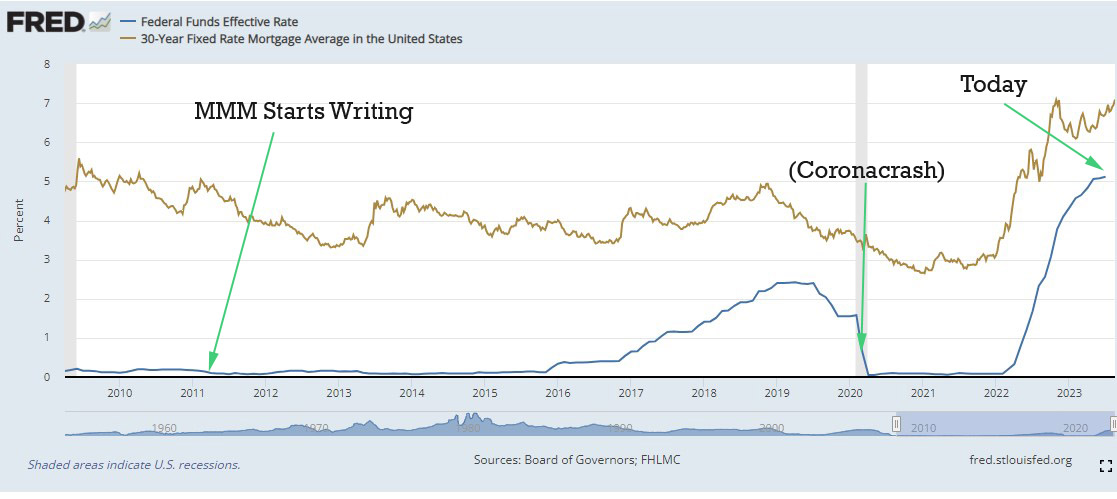
This prolonged cycle of inexpensive capital supported years of robust economic growth and innovation. Eventually, however, the dynamic tipped past equilibrium. A surplus of circulating money began chasing a limited supply of goods—most notably residential real estate—igniting an aggressive surge in inflation.
In response, the Federal Reserve began easing its foot off the accelerator, raising benchmark interest rates to cool economic activity. As borrowing costs climbed, various sectors of the economy began to decelerate. Mortgage financing became substantially more expensive, prompting many prospective homebuyers to temporarily shelve their purchase plans. Corporations confronted with costly capital similarly scaled back their expansion efforts, leading to notable hiring freezes and corporate layoffs across major technology firms and other industries. The broader financial sector also experienced localized stress, highlighted by the mid-sized banking turbulence that briefly rattled market confidence.

Public discourse surrounding these shifts often paints a bleak picture, with various political and economic commentators arguing that the nation is heading in an unfavorable direction. Yet, broader labor market data presents a contrasting narrative, featuring low unemployment rates and resilient overall economic output that have consistently outpaced initial forecasts from many economists. Rather than signaling systemic distress, the current phase resembles a necessary cooling period designed to help the economy absorb years of rapid expansion.
Evaluating Investment Strategies in a High-Rate Environment
The sudden spike in yields has forced investors to reevaluate traditional asset classes, particularly the long-standing comparison between equities and fixed-income savings vehicles. For over a decade, with interest rates pinned near zero, keeping cash in a standard savings account yielded negligible returns, making the stock market the default destination for capital growth.

With high-yield savings accounts and money market funds now offering returns upwards of four percent or higher, savers face a more nuanced decision. In theory, capital should flow toward the asset class with the highest expected long-term return. However, while cash instruments offer stability and a reliable nominal yield, the broader stock market has experienced a modest correction from its recent peaks.
Because stock prices fluctuate and individual entry points vary, market pullbacks present a different perspective for long-term equity investors. Broad market indexes trading below their previous highs effectively offer shares at a discount compared to prior valuations. Consequently, regular buyers of index funds may find discounted equity prices more compelling than chasing fixed short-term yields, particularly given the historical trajectory of the stock market over extended horizons.
The Impact on Housing Markets and Affordability
For most consumers, the most immediate and tangible effect of higher interest rates is felt within the housing market. Financing a home purchase through a mortgage has become significantly more expensive, dampening activity among potential buyers. At the same time, existing homeowners who secured low mortgage rates near three percent in previous years face a strong disincentive to sell, creating a structural lock-in effect within the housing supply.
To illustrate the shift, historical financing comparisons highlight the stark difference between a three percent mortgage environment and current rates exceeding seven percent. Assuming a standard ten percent down payment, the monthly financing costs required to purchase an average home have increased dramatically.
This cooling mechanism is precisely what monetary policy is designed to achieve. Higher borrowing costs are intended to temper runaway buyer demand, alleviate bidding wars, and eventually stabilize or reduce property values in overheated regions. However, the trajectory of home prices depends heavily on fundamental supply and demand dynamics, which are governed by construction costs and local regulatory frameworks.
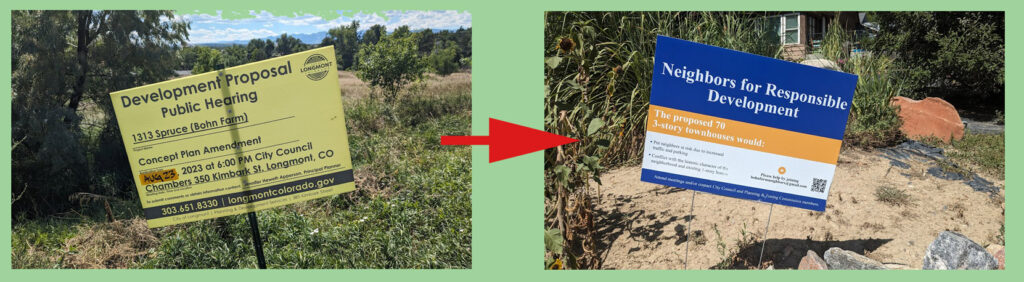
Construction expenses have historically benefited from technological advancements and global supply efficiencies, making certain building components more affordable over time. Yet, these potential savings are frequently counterbalanced by local zoning restrictions, complex building codes, and administrative red tape. In many municipalities, the accumulation of regulatory requirements has constrained the development of new housing inventory, sustaining upward pressure on prices even as demand cools under the weight of higher mortgage rates.
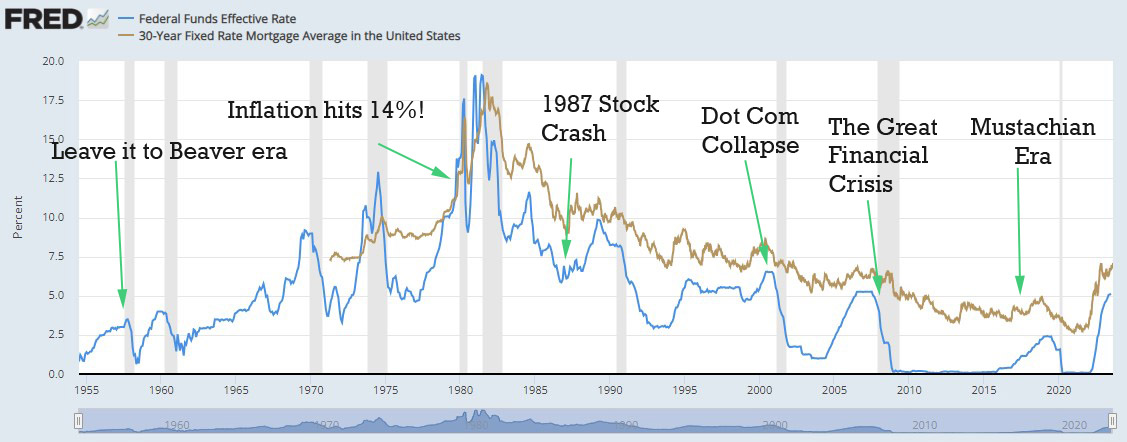
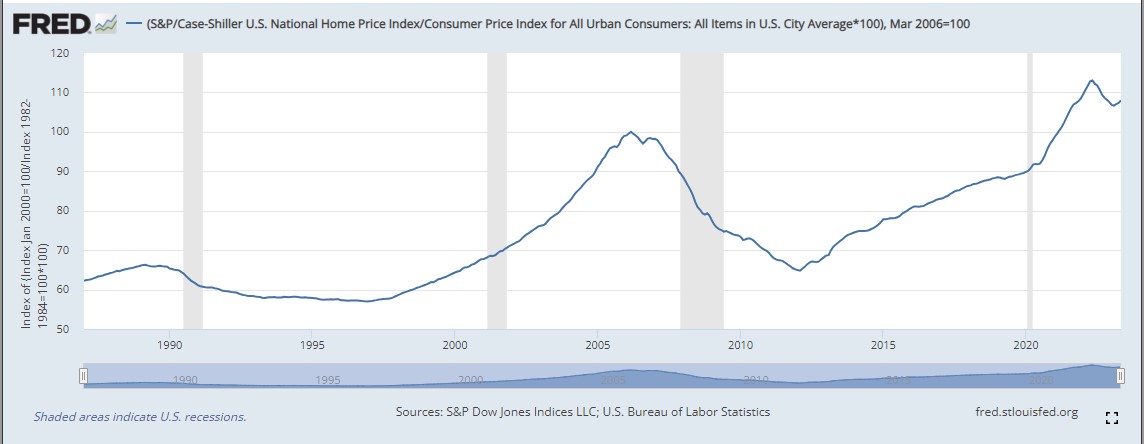
While overall inflation-adjusted home prices remain near historical highs, market analysts suggest that sustained high interest rates could eventually prompt regional price adjustments or prolonged periods of price stagnation where wages catch up with real estate valuations.
Looking Ahead: The Future of Interest Rates and Yield Curves
Despite the recent rhetoric labeling current interest rates as exceptionally high, historical context reveals that today’s borrowing costs are largely aligned with long-term historical averages. The multi-year period of near-zero rates following the 2008 financial crisis was an anomaly rather than a permanent baseline.
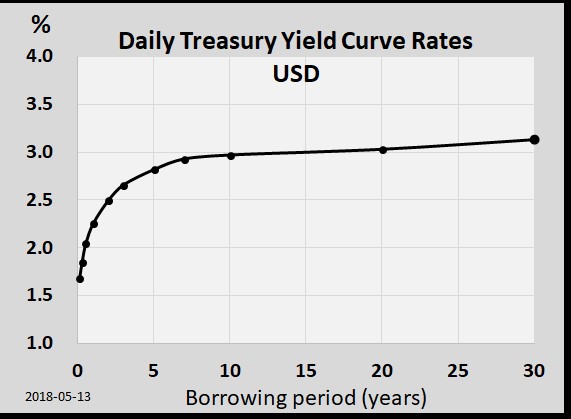
Whether interest rates will decline in the near future depends entirely on macroeconomic indicators, particularly inflation trends and employment data. If economic growth moderates significantly or early signs of a broader economic slowdown emerge, the Federal Reserve may eventually pivot toward monetary easing.
Indicators such as the US Treasury yield curve offer further insight into market expectations. An inverted yield curve—where short-term yields surpass long-term yields—typically reflects investor consensus that central banks will be forced to lower interest rates in the future to stimulate a slowing economy. Historically, sustained yield curve inversions have often preceded economic recessions, though timing remains inherently difficult to predict with certainty.
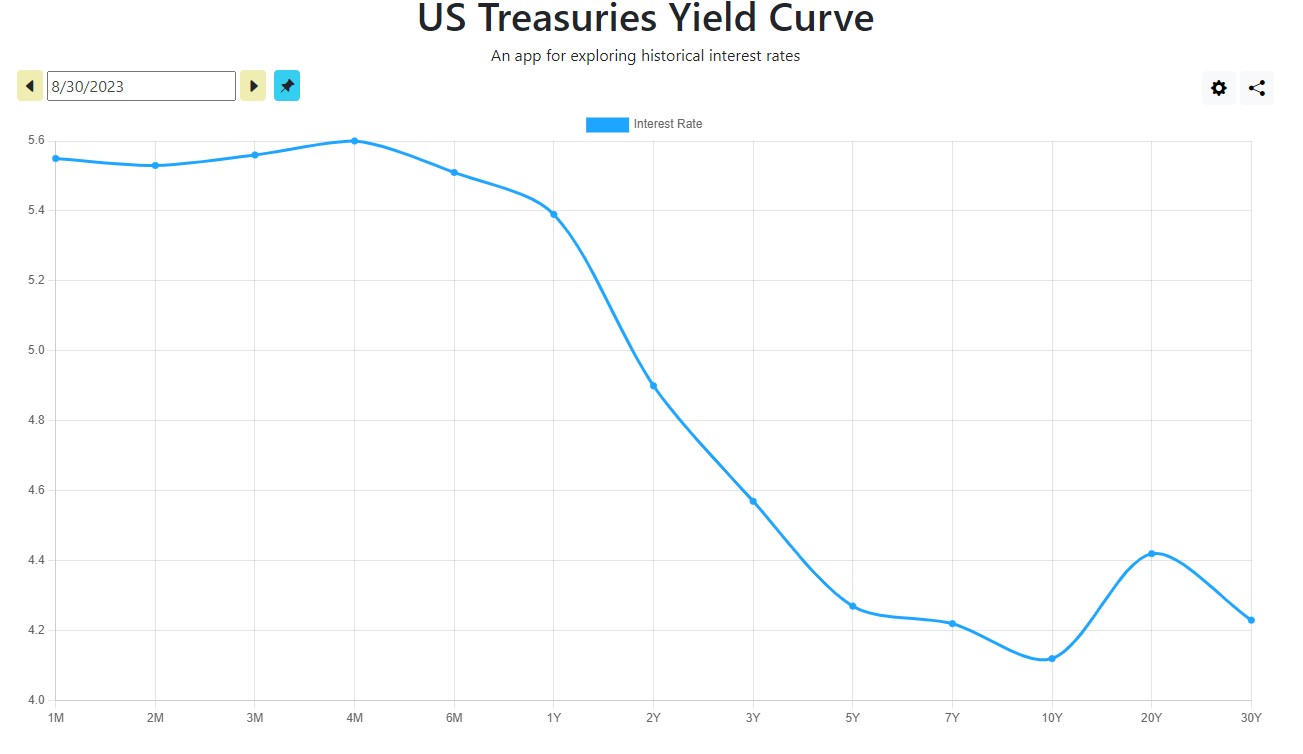
Ultimately, while macroeconomic debates surrounding interest rates, housing inventories, and stock market valuations generate constant media attention, individual financial resilience depends more on foundational personal choices. Maintaining a balanced approach to earning, saving, and living within one’s means remains the most effective strategy for navigating shifting economic cycles, ensuring that broader financial volatility remains manageable over the long term.