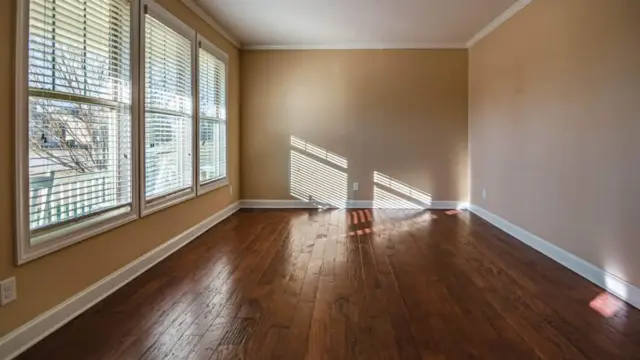
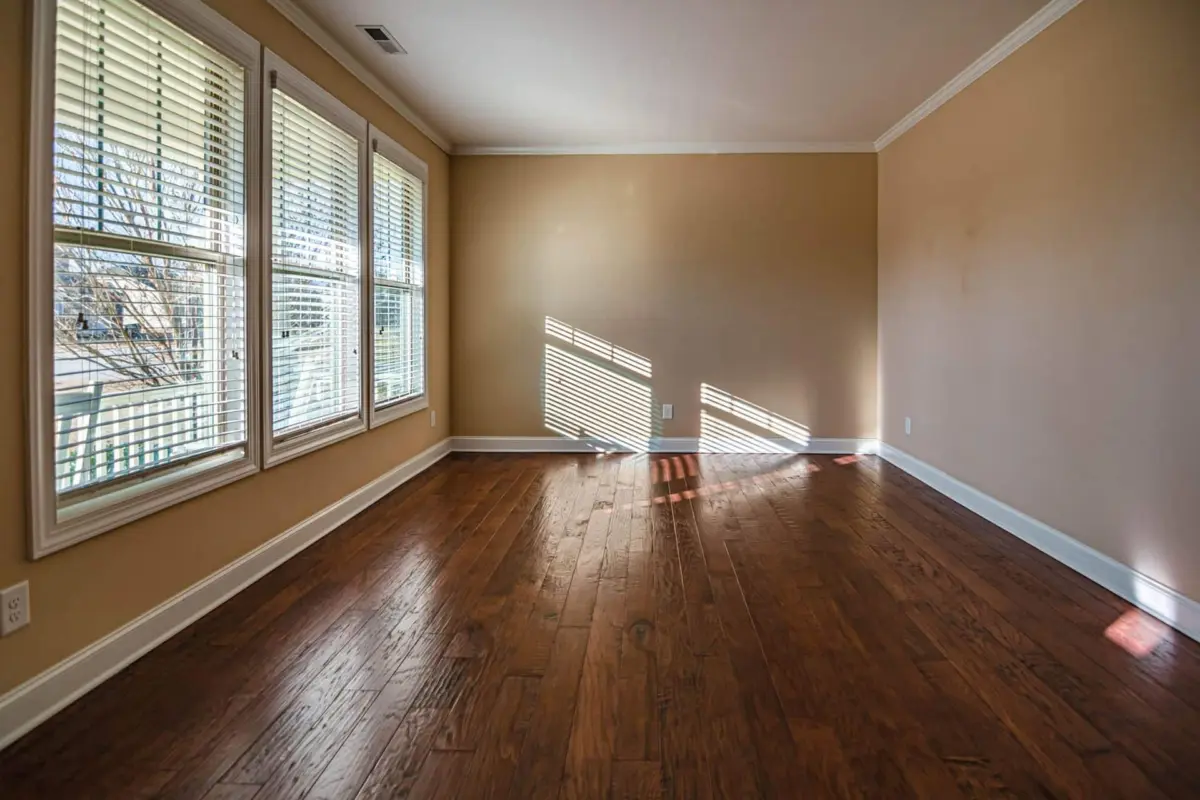
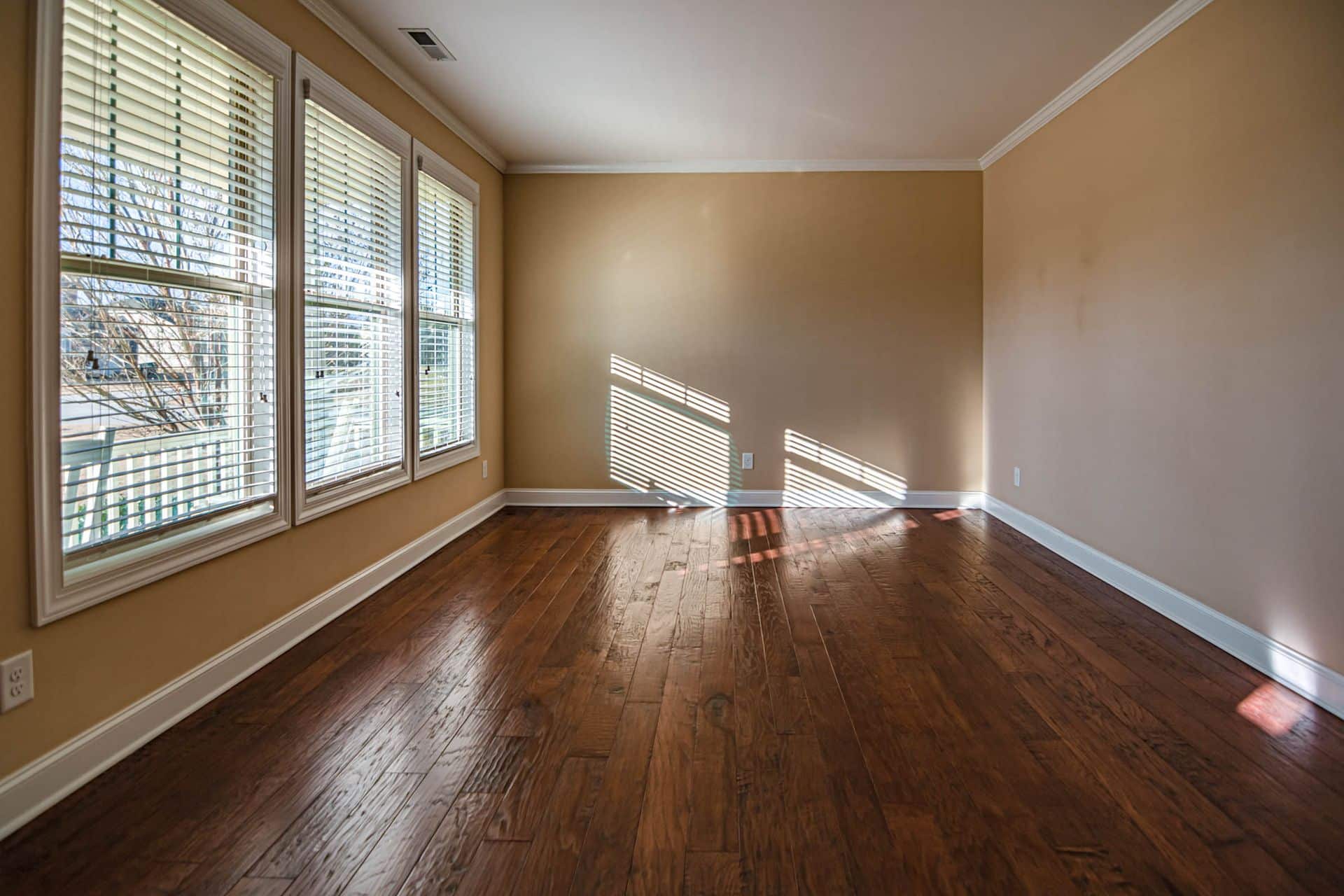
Arriving at her destination, she settled into a sparsely furnished rental apartment designed to facilitate the simplest possible transition. With only a minimal stock of furniture provided by the landlord, she integrated her meager belongings into the space. Living in such a stripped-down, spare environment has offered a profound real-time education in the psychology of clutter, minimalism, and the relationship between physical surroundings and mental well-being—offering insights that complement her previous observations on living amid a heavy accumulation of possessions.
1. Use It Up
One of the defining realities of staying in a furnished rental is the presence of hotel-sized portions of everyday items left behind by previous occupants or management. Having brought her own toiletries and cleaning supplies from home, Mia initially viewed these complimentary provisions as redundant extras.
In the past, her mindset might have leaned toward a hoarding mentality—the common urge to squirrel away tiny, seemingly useful items for a hypothetical future scenario where miniature toiletries might be required. This time, however, she decided on a different approach: she simply used them up. Recognizing that these products represented the lowest tier of quality and would never genuinely enrich her daily routine, she abandoned the impulse to hoard. By finishing the substandard items first and discarding the empty containers immediately, she successfully prevented unnecessary clutter from occupying physical real estate in her temporary home and mental real estate in her daily thoughts. This experience has turned her into an even stronger advocate for intentional, comprehensive decluttering strategies centred on consuming what is already owned rather than accumulating more.
2. Functional Decor
As a self-described homebody, Mia found the transition to an unfamiliar space to be a psychological challenge. Being physically separated from her house and her established belongings prompted her to seek out creative ways to foster a sense of warmth. Instead of neatly folding away her colorful throw blanket or tucking her books out of sight on a bedside table, she deliberately integrated her few personal items into the apartment’s daily landscape.
Books were propped casually across various surfaces, and textiles were left openly draped over furniture. Anything that possessed an inherent aesthetic or comforting quality was granted a place in plain view rather than being relegated to the interior of a drawer. While such an approach could easily veer into visual clutter in a home overstaturated with possessions, within the context of a minimalist environment, these purposeful items acted as anchors. They served a dual purpose: performing their primary function while simultaneously imbuing the sterile rental space with a lived-in, comforting atmosphere without introducing redundant waste.
3. This Spoon
The delicate balance between minimalism and sentimental attachment was highlighted further during a recent birthday visit from a close friend, who gifted her a small wooden spoon.
Dealing with sensory issues that make the clinking sound of traditional metal silverware a source of physical nausea, Mia had initially resorted to saving plastic cutlery from takeout orders during her first days in the apartment to avoid using the rental’s metal utensils. The gift of the wooden spoon offered an ideal solution. Perfectly sized and deeply tied to the memory of her friend, the object transformed a mundane daily necessity into a source of positive emotional resonance. Choosing to rely exclusively on this single spoon and a pair of chopsticks rendered the remainder of the apartment’s utensil drawer entirely obsolete. The experience underscored a core minimalist philosophy: possessing a single item that serves its purpose flawlessly—and brings genuine joy in the process—is infinitely superior to maintaining a drawer full of mediocre alternatives.
4. Alone Time
Another striking shift during her three-month relocation has been the dramatic contraction of her social calendar. While she maintains close ties with a few local acquaintances, her daily interactions bear little resemblance to the bustling community life she left behind.
Though superficially disappointing given her affection for her friends, this solitude has proven unexpectedly energizing. Navigating the delicate human contradiction of thriving on alone time while simultaneously yearning for constant connection with loved ones, she found that a simplified social schedule yielded profound practical benefits. With her time unencumbered and her living space requiring minimal maintenance, daily routines streamlined effortlessly. Morning gym visits became seamless habits, her apartment remained consistently spotless, and her focus on cooking nutritious meals deepened.
The resulting surge in productivity allowed her to get significantly ahead on her professional commitments—including the management of a business she acquired a few months prior—while finally generating the mental clarity required to write and reflect. Although she intends to reintegrate structured social activities and hobbies, such as game nights and martial arts training, into her routine now that she is settled, the period of prolonged solitude proved remarkably restorative.
5. Clutter Comes Fast
Despite the intentional minimalism of her temporary lifestyle, Mia noted that the threat of accumulation emerged almost immediately. Barely three weeks into her stay, the natural influx of belongings began to manifest. Following her birthday, new gifts brought warmth to the apartment, but they simultaneously claimed physical space, leaving items like a small trampoline occupying room in her immediate vicinity.
Even after arriving with virtually no cargo, she quickly accumulated a kitchen cabinet full of saved plastic containers designated for food storage. This rapid buildup highlights a broader systemic reality regarding domestic consumption, particularly within the United States: the natural trajectory of physical objects is invariably inward. Without a deliberate, ongoing counter-flow designed to move items out of the living space, possessions inevitably accumulate indefinitely. Recognizing this velocity, she has begun implementing passive decluttering techniques to stay ahead of the curve before spatial fatigue sets in.
So… did it help?
For those following the diagnostic experiment, the initial results offer a mixture of encouragement and complexity. Mia reports that the relocation is indeed helping alleviate her symptoms, marking the first tangible health improvement she has experienced in years.
At the same time, the realization presents a difficult personal reality, given that her primary residence remains tied to the environment she is currently attempting to escape. Processing these implications will require time and consideration—tasks well-suited for the newfound mental space she has cultivated during her time away. For now, she plans to maintain her writing schedule as her health permits and looks forward to launching her upcoming community initiatives, including a planned holiday decluttering challenge.