
For long-term investors and those enjoying early retirement, this financial drama often triggers deep-seated anxiety about the security of their life savings. Yet, stepping back from the daily ticker tape reveals a broader historical perspective that suggests financial panic is rarely a reliable guide to the future.

Examining Two Decades of Market Anxiety
Reflecting on past financial cycles offers considerable clarity. Comparing current anxieties to those of two decades ago reveals a recurring pattern of human worry. In 2006, investors and the general public faced a similarly daunting roster of fears: geopolitical instability in the Middle East, escalating national debt, stubborn inflation, and an overvalued stock market driven by the housing bubble rather than AI. There were widespread concerns about economic globalization and job outsourcing to nations like India and China, alongside intense debates regarding "peak oil" and the looming depletion of fossil fuels.

Despite those very real concerns, the ensuing two decades brought profound economic and societal developments. While the subsequent Great Financial Crisis—spurred by irrational exuberance in real estate and complex financial leverage—delivered the steepest market crash since the Great Depression, long-term market trends ultimately prevailed. A historical investment in the broader stock market through those turbulent periods still yielded substantial growth over the long run, easily absorbing subsequent market disruptions such as the economic contraction during the COVID-19 pandemic.

Simultaneously, the broader world experienced significant positive structural shifts. Global extreme poverty rates dropped markedly over a twenty-year span, and infant mortality rates were halved. Clean energy technologies matured rapidly, with solar generation costs plummeting and solar power becoming a dominant source of new electricity generation worldwide. Electric vehicle adoption similarly transitioned from a theoretical concept to a substantial share of global automotive sales.

Prosperity Risen from Productivity
This historical resilience highlights a fundamental economic truth often overlooked by financial doom-mongers: true societal prosperity is fundamentally rooted in productivity, rather than the abstract numbers flickering across computer screens within the financial system.

Financial systems and stock markets are human inventions designed to allocate capital. When a financial bubble bursts or a market corrects due to overextension, the underlying engine of human capability remains intact. Throughout history, whenever financial architectures have faltered, societies have adapted, restructured, and continued applying human ingenuity and technological tools to boost efficiency and elevate the standard of living.

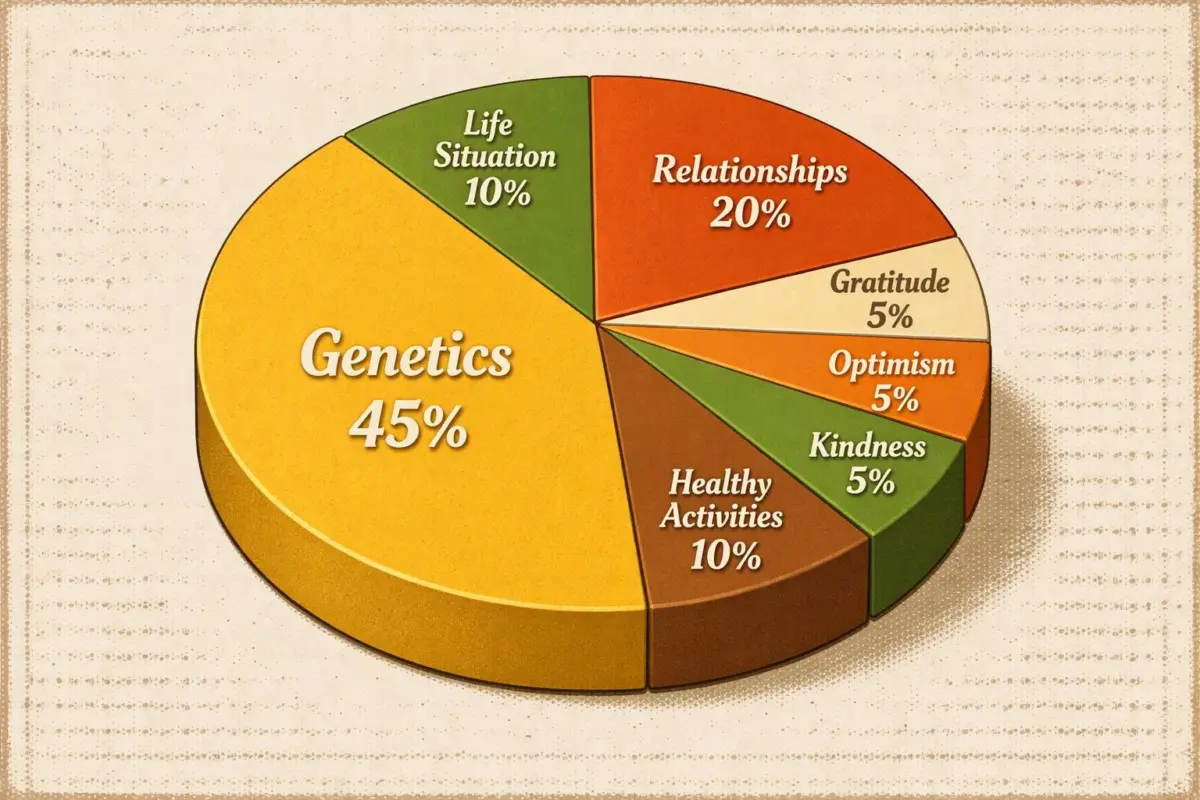
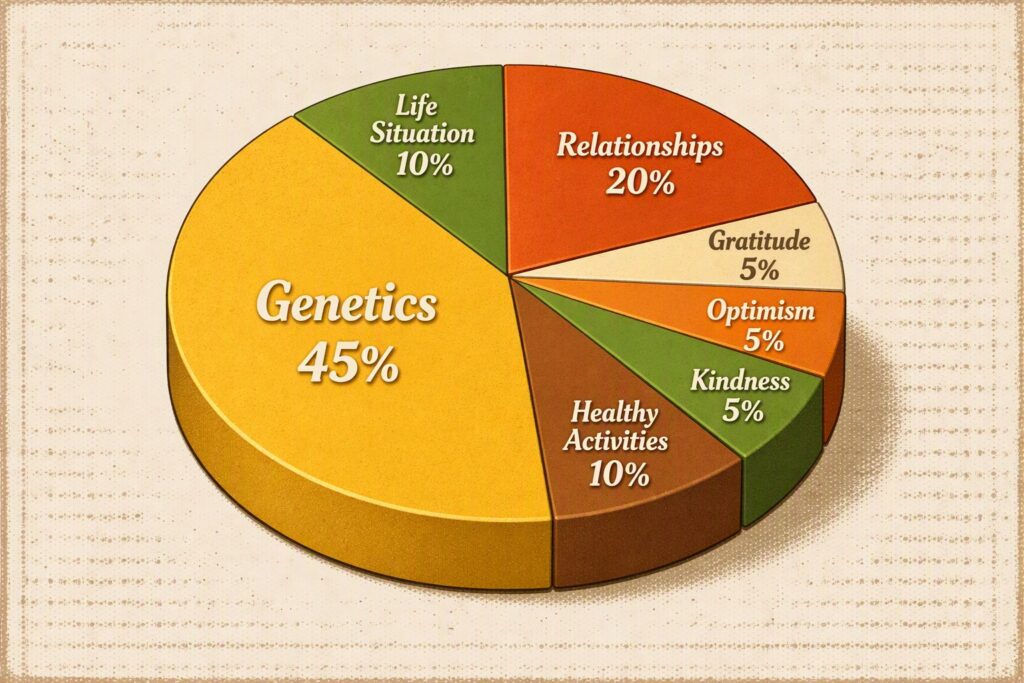
Ultimately, economic productivity serves as the foundation for the high standards of living that enable modern comforts and early retirement. However, beyond a certain threshold of material security, human happiness relies heavily on non-financial factors. Psychological research and general observations indicate that personal well-being is largely driven by genetics, strong interpersonal relationships, acts of kindness, a philosophy of gratitude, and active engagement with the physical world.

Understanding and Managing Fear
The persistent anxiety surrounding market bubbles and economic collapse often stems less from objective external threats and more from fundamental human psychology. Humans evolved as danger-detection machines, a biological trait designed to protect early humans from predators and scarcity. However, once immediate physical survival needs are met, this vigilance does not simply turn off; instead, it shifts focus, continually finding new targets for worry—ranging from community standing and neighborhood rules to tax strategies and portfolio management.
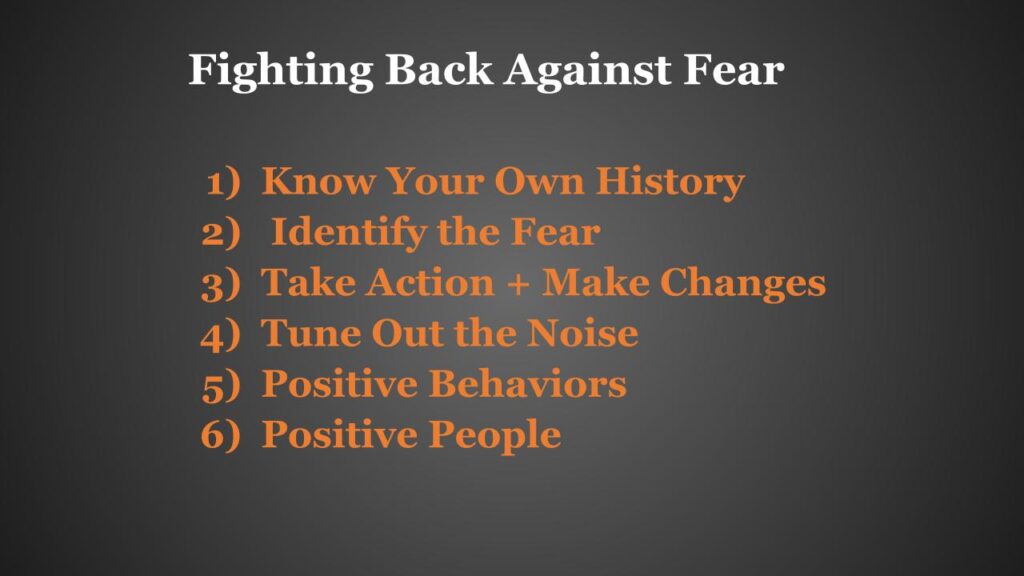
Recognizing the roots of personal fear can help individuals break free from cycles of panic. Often, deep-seated anxieties about financial scarcity or instability are traced back to childhood experiences or generational trauma inherited from forebears who lived through historic hardships like the Great Depression. By examining these personal histories and analyzing the realistic worst-case scenarios of financial plans, individuals can replace vague dread with rational thought.

Taking concrete action remains one of the most effective antidotes to fear, transforming the unfamiliar into the manageable and building personal resilience. Furthermore, reducing exposure to continuous sensationalized media consumption—which naturally highlights the most alarming daily stories—helps clear away unnecessary mental clutter. Shifting focus toward personal health, productive physical activity, and constructive engagement with optimistic communities fosters a healthier mindset.
Viewing the AI Era as an Experiment
Approaching new technological shifts with the mindset that "everything is an experiment" helps demystify periods of rapid change. Rather than yielding to doom-scrolling and generalized dread, understanding the underlying mechanics of modern developments like artificial intelligence reveals both challenges and opportunities.

Artificial intelligence functions fundamentally as a powerful cognitive tool—effectively a cognitive nail gun. Like previous technological revolutions, such as the internet and mobile computing, AI enhances human efficiency and productivity, ultimately driving broad economic prosperity. At the same time, it inevitably disrupts traditional labor markets, shifting employment patterns and concentrating rewards among technology owners and corporate shareholders.

These shifts present ongoing choices for society and individual investors alike. By examining fears objectively, understanding their psychological roots, and focusing on purposeful actions rather than speculative panic, individuals can navigate the complexities of modern technological and financial landscapes with greater confidence and clarity.