These insights come directly from the newly released 2026 Bathroom Trends Study published by Houzz, a leading home renovation and design platform. For the comprehensive report, the platform surveyed 1,619 U.S. homeowners about their specific preferences, priorities, and pain points when redesigning their bathrooms. While the findings highlighted several broader remodeling trends—such as a clear preference for expansive, oversized showers and the widespread adoption of dimmable lighting, which nearly half of respondents cited as essential for relaxation—the data dedicated significant attention to the vanity itself.
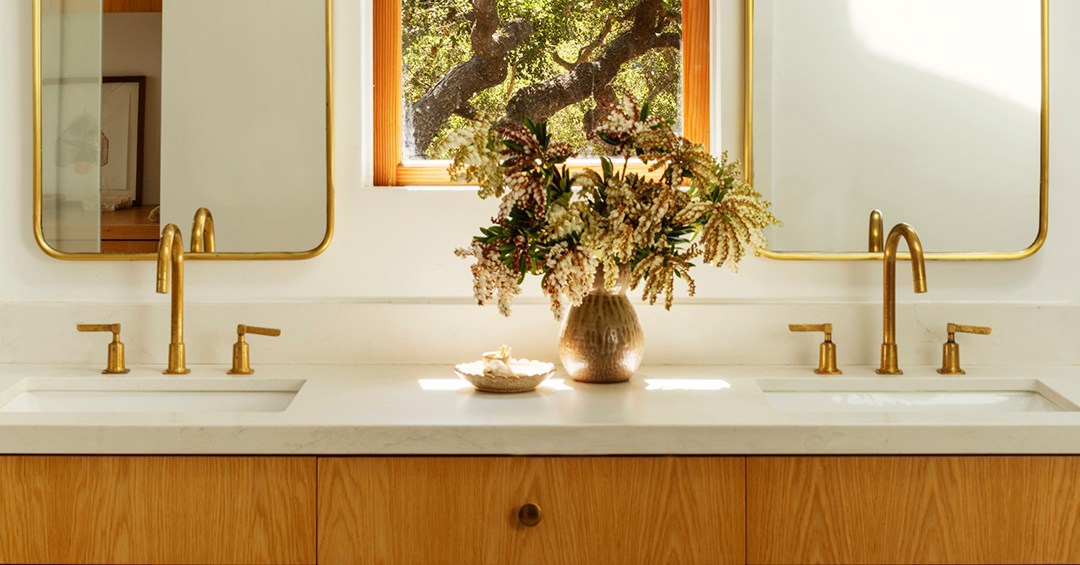
The importance of this central feature cannot be overstated. According to the survey findings, a remarkable 38 percent of participating homeowners indicated a willingness to splurge on custom millwork specifically to get their vanity exactly right. By sifting through these latest consumer preferences and design metrics, industry observers have been able to construct a clear picture of what the ideal, highly sought-after bathroom vanity looks like in contemporary residential architecture.
Among the most prominent trends shaping these updates is a widespread desire for significantly more surface area. Craving extra counter space in the bathroom is far from a niche concern; in fact, 21 percent of renovating homeowners are actively upgrading to substantially wider vanity models. Many of these selections exceed 72 inches in length, pushing well past the traditional maximum dimensions typically associated with standard double-sink configurations. Alongside these broader units, a strong majority of renovators—some 62 percent—now favor a seamless, built-in architectural look over freestanding styles, viewing built-in units as a more permanent and integrated design solution.
Vanities That Make It Easy to Stay Tidy
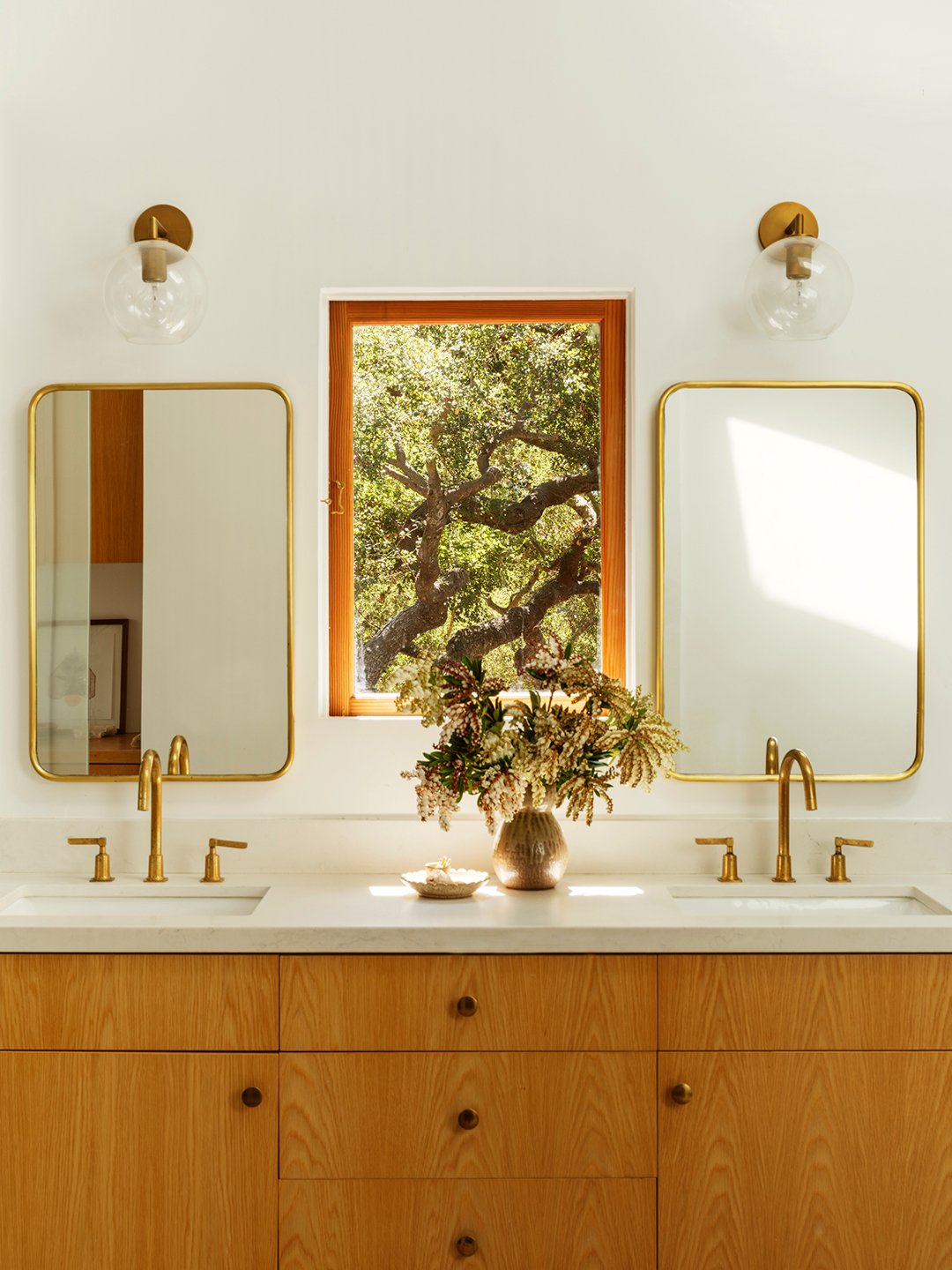
Beyond visual aesthetics and sheer square footage, the modern vanity must also contend with the realities of daily grooming accessories and modern technology. A rogue electric toothbrush cord dangling over the edge of a basin or an untidy stack of round hair brushes can instantly make even a newly remodeled bathroom feel chaotic and cluttered. This ongoing battle against bathroom disarray explains why integrated, hidden organization has experienced such a sharp surge in popularity during recent residential renovations.
Homeowners are increasingly incorporating customized electrical outlets and specialized drawer organizers directly into the interior of their vanity units, with designated slots specifically engineered to hold heavy-duty hair styling tools. Furthermore, once a styling session is complete, nobody wants to hear the jarring sound of a cabinet door slamming shut. To maintain a quiet, high-end feel, soft-close hardware remains an enduring favorite among consumers, ensuring that drawers and doors glide shut smoothly and silently every single time.
Vanities with Double Undermount Sinks
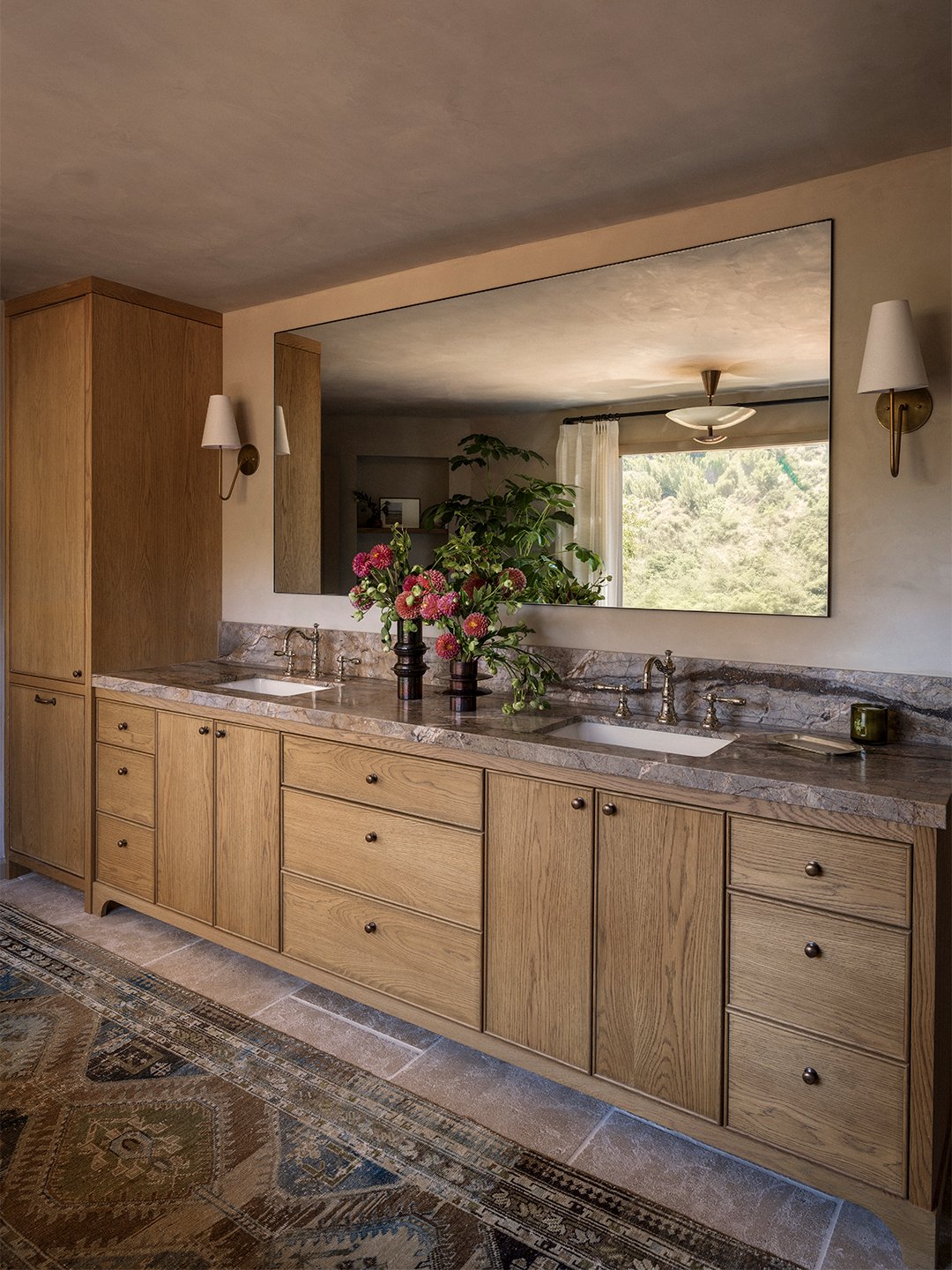
There is a pragmatic reason why real estate listings heavily spotlight bathrooms equipped with double sinks: couples today increasingly refuse to share a single basin if they can possibly avoid it. When it comes to the configuration of these dual setups, undermount basins reign supreme as the most popular choice among renovators, commanding 68 percent of the market share. They are followed at a distance by drop-in sinks at 16 percent, integrated basins at 11 percent, vessel sinks at 4 percent, and linear trough sinks rounding out the category at 2 percent.
Solid Wood Vanities
Durability is another major driving force behind current renovation choices. Three-quarters of renovating homeowners want their bathroom vanity to last a lifetime, a mindset that steers them firmly away from alternative materials like plywood, particleboard, and wood veneer. Instead, consumers are investing heavily in solid wood construction, with maple and white oak together accounting for over half of all material updates in this category.
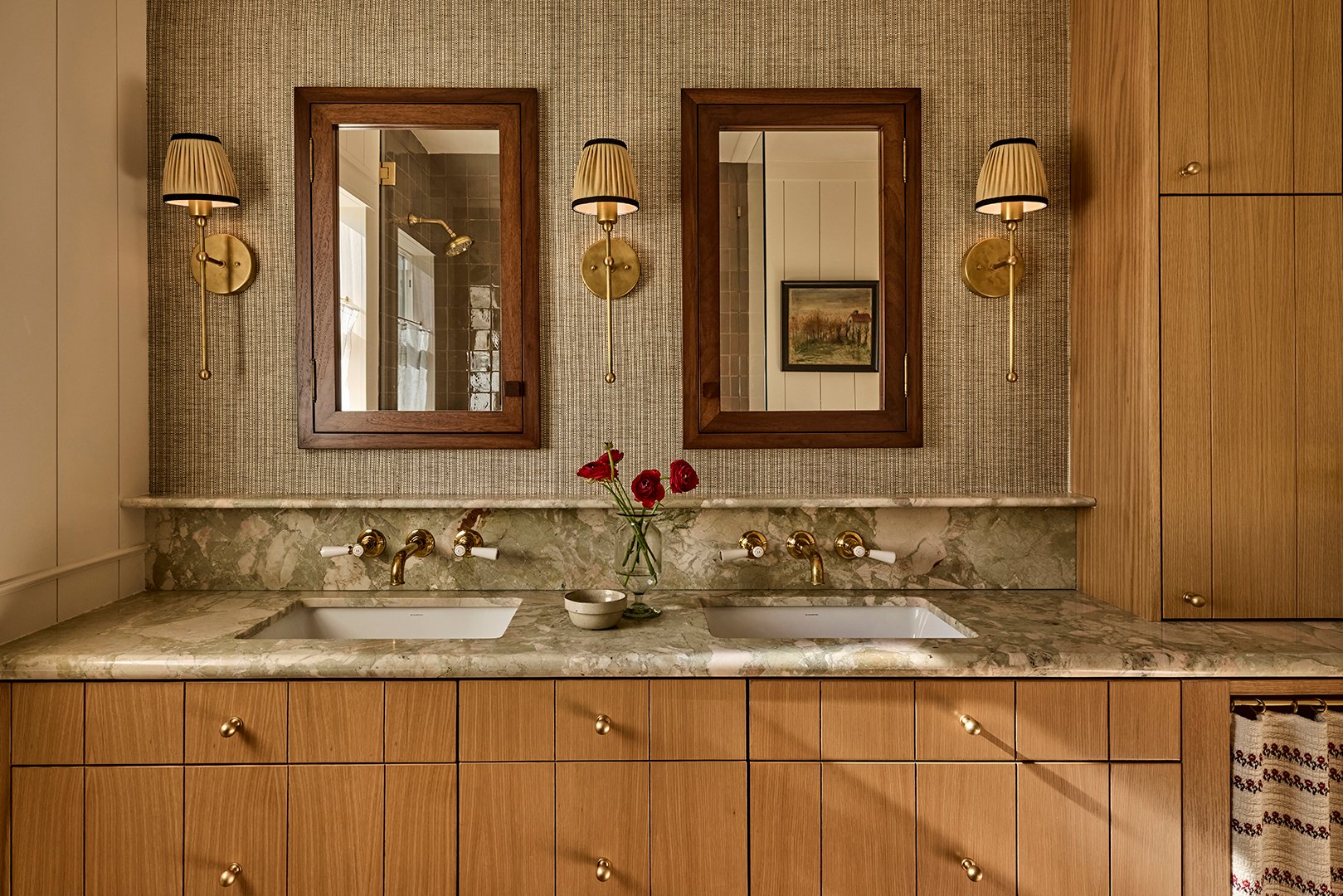
When it comes to the surface materials resting atop these solid wood bases, engineered quartz has historically maintained its position as the leading choice for vanity countertops. However, as contemporary health and safety discussions surrounding certain engineered stone manufacturing practices continue to evolve, industry observers have noted a growing and encouraging shift toward natural stone alternatives, with materials such as quartzite, granite, and marble steadily gaining traction in the marketplace.
Vanities with Shaker Doors
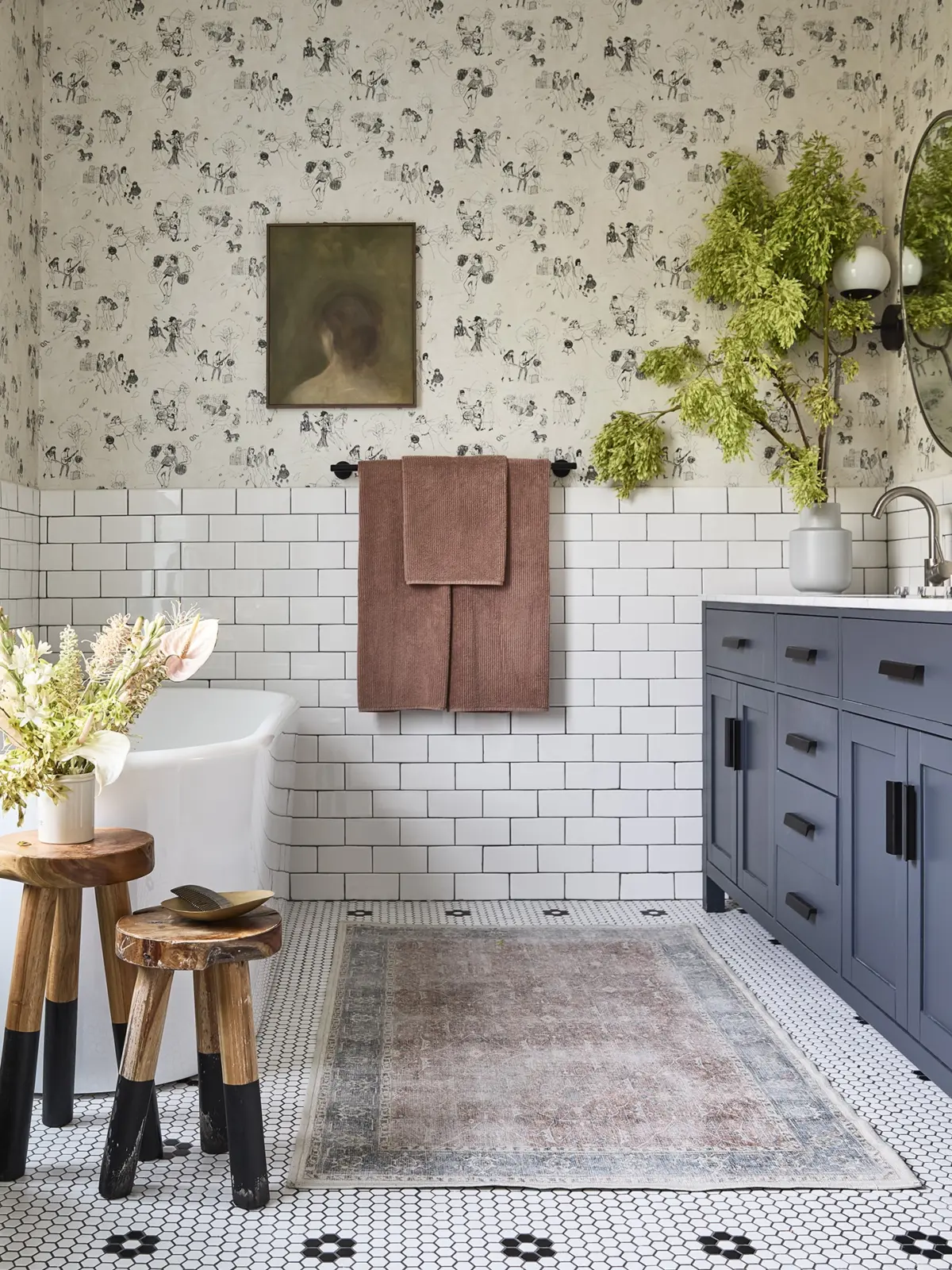
A review of recent residential design portfolios reveals that minimalist flat-panel doors paired with dainty hardware knobs are certainly on the rise in modern bathroom aesthetics. Yet, classic Shaker-style doors continue to retain a massive and loyal following among homeowners undertaking renovations. According to the Houzz study, 46 percent of people continue to select Shaker doors when upgrading their spaces, narrowly outpacing minimal slab alternatives.
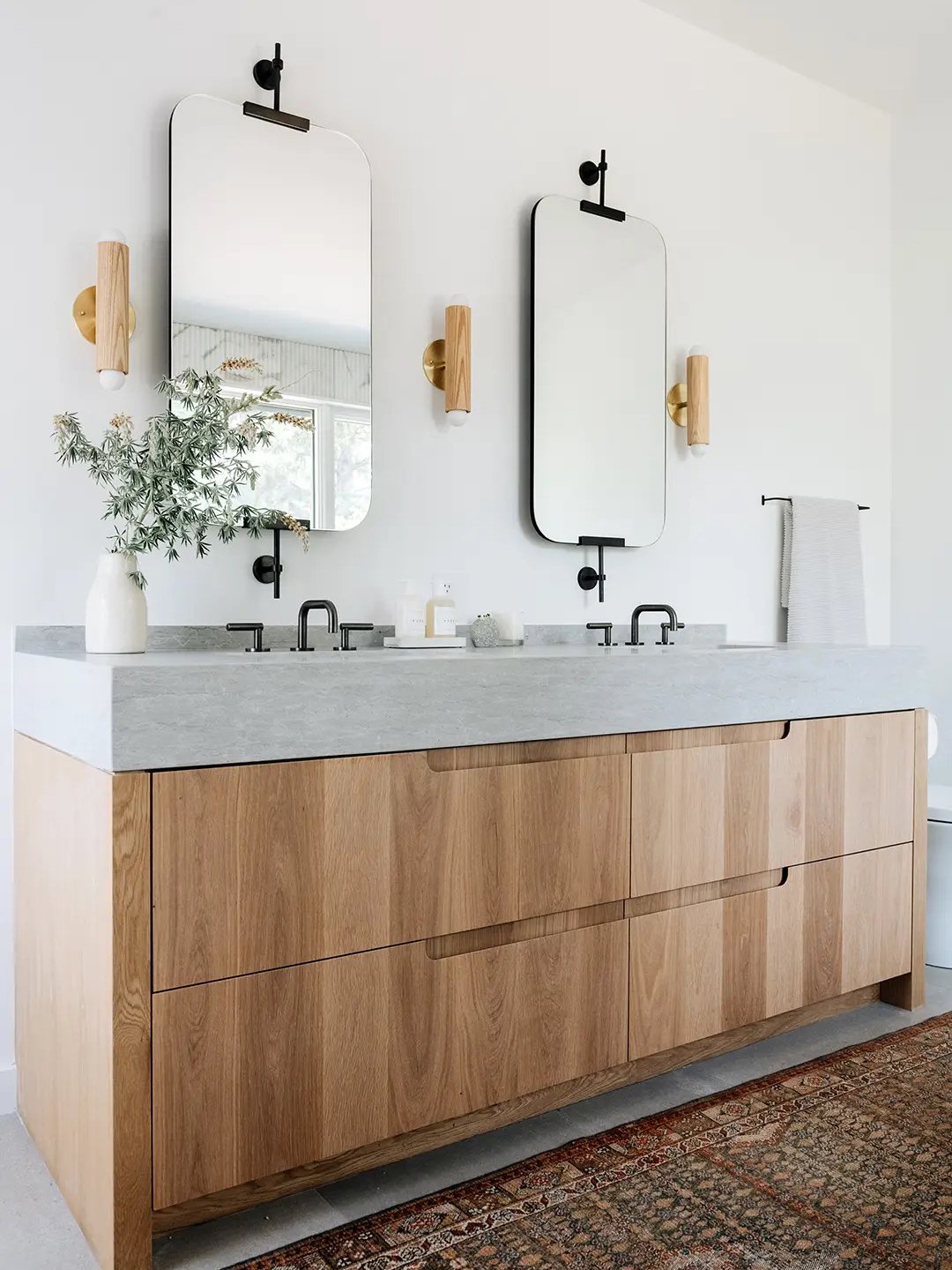
To finish off these cabinetry selections, the vast majority of homeowners—some 62 percent—opt for sleek bar pulls rather than traditional knobs, which are chosen by 37 percent of respondents. For most renovators navigating a busy morning schedule, the ergonomic efficiency of grabbing a sturdy pull to access skincare and daily essentials quickly and seamlessly ultimately trumps pure minimalism.