The research, conducted by a team from Nova Southeastern University and published in the journal Frontiers in Marine Science, offers a promising, localized tool for conservationists racing to save high-value coral colonies from the intensifying impacts of global climate change. While restoring dead or severely damaged reefs is entirely possible, the process remains notoriously difficult, labor-intensive, and expensive. Furthermore, restored reefs are frequently left just as vulnerable to subsequent marine heatwaves if the underlying thermal stress is not addressed.
Faced with these persistent hurdles, researchers have been actively searching for innovative ways to shield delicate marine life during peak temperature events. While these custom-designed shades cannot physically cool the surrounding ocean water, study lead author Dr. Karen Neely and her team discovered that blocking a significant portion of incoming sunlight successfully mitigates the dual threat of ultraviolet and irradiance damage. This specific type of solar radiation often exacerbates the physiological stress placed on corals by abnormally warm seas.
The impetus for the study was rooted in recent ecological tragedy. In the summer of 2023, an unprecedented coral bleaching event struck Florida’s marine ecosystems, virtually wiping out branching corals and inflicting catastrophic damage on slow-growing brain corals across numerous inshore sites. That widespread devastation prompted Dr. Neely and her colleagues to conceptualize and test practical mitigation tools that could safeguard targeted, high-value coral colonies during similar catastrophic events in the future.
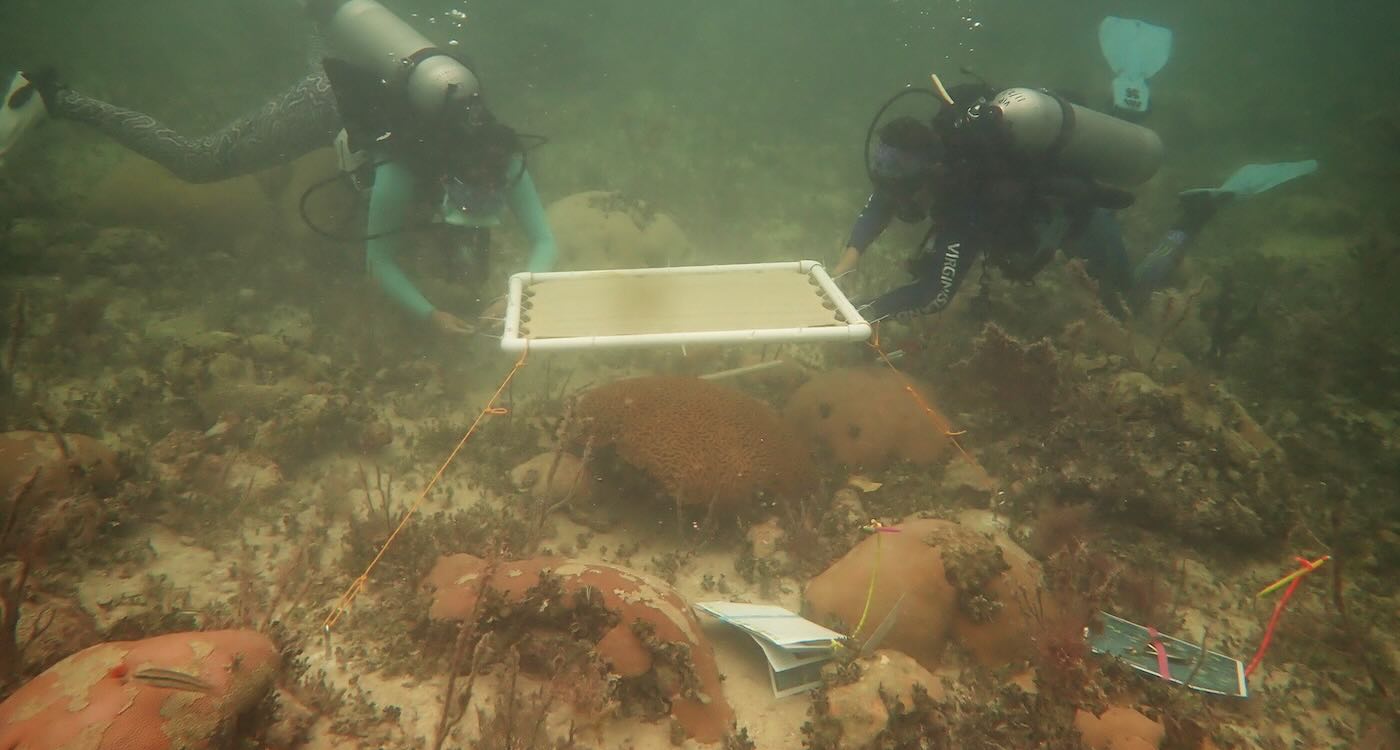
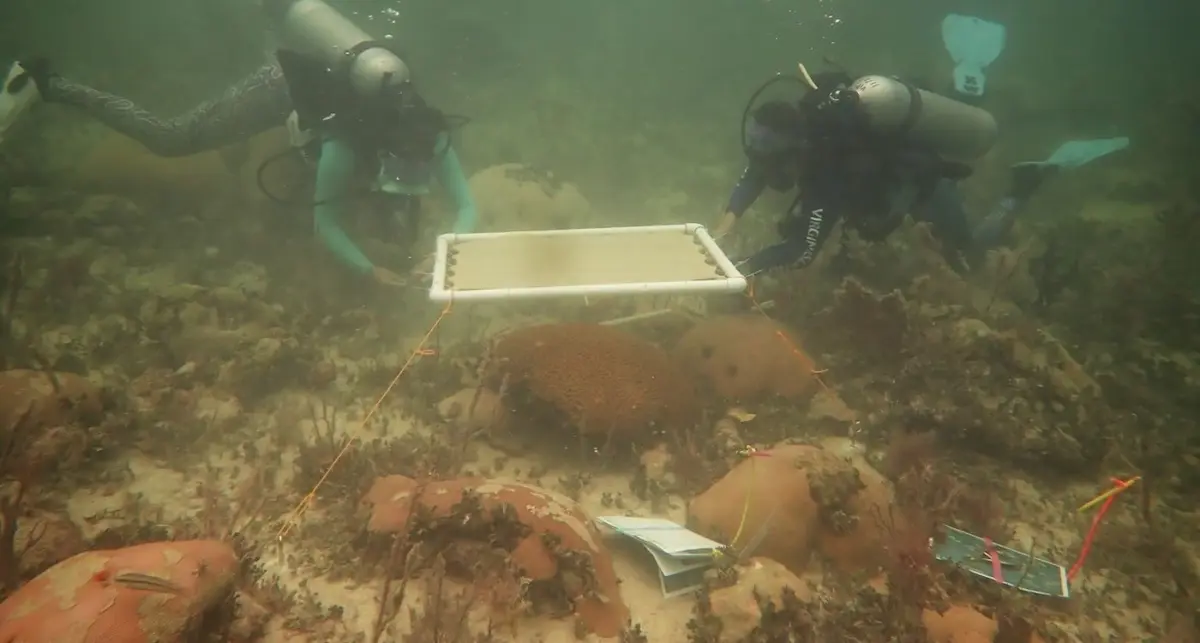
Putting the concept into practice during the summer of 2024, the research team deployed twenty custom-made fabric shades over ten distinct colonies representing two highly susceptible species of brain coral: Pseudodiploria clivosa and Colpophyllia natans. To measure the effectiveness of the intervention accurately, the researchers established an identical control group consisting of twenty matching unshaded corals located nearby.
The ingenious parasol-like devices were constructed using durable PVC piping and specialized nylon fabric. Divers temporarily secured the structures to the seabed using strong marine cord, positioning each shade approximately one foot—or thirty centimeters—directly above the target coral colony. According to the published findings, these floating canopies successfully blocked roughly 60 percent of the ambient light reaching the corals beneath them.
To monitor the physiological response of the marine organisms, a team of scientific divers visited the study site at Newfound Harbor in the Florida Keys every two weeks. During these visits, the researchers meticulously tracked visible color changes and collected tissue biopsies to closely examine the microalgae living within the coral tissue.
Dr. Neely explains that corals maintain a deeply intricate, symbiotic relationship with these microscopic algae, known as zooxanthellae. In this biological partnership, the coral animal provides the algae with a protected habitat and essential compounds, while the algae utilize photosynthesis to supply the coral with the vast majority of its nutritional requirements. Crucially, these microscopic organisms are also responsible for imparting vibrant colors to their coral hosts.
When ocean temperatures rise to abnormal levels, this delicate partnership breaks down, causing the coral to expel the algae. Deprived of their primary food source and internal pigmentation, the corals turn a ghostly white—a phenomenon known as coral bleaching—and begin to starve. If elevated thermal stress persists for too long, the starved corals inevitably die.
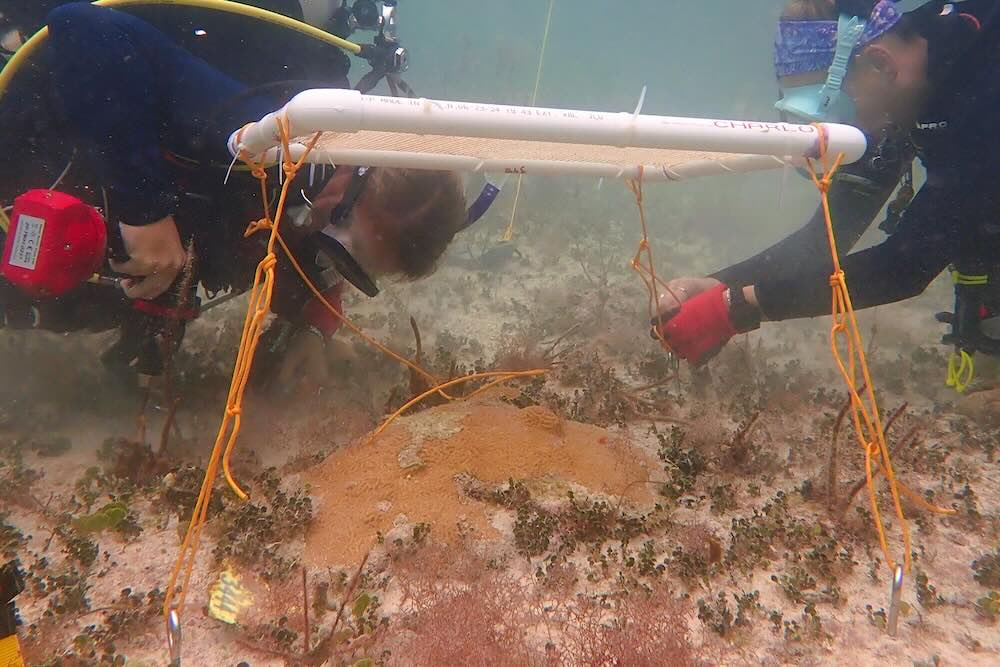
During the summer trial at Newfound Harbor, the recorded heat stress was measured as the second-highest on record for the area. Despite these severe environmental conditions, the corals protected by the fabric umbrellas lost noticeably less color than their unshaded counterparts. Moreover, the protective benefits of the shades were most pronounced during the absolute peaks of thermal stress, when the risk of permanent damage was highest.
In addition to preventing severe bleaching, the researchers observed another critical benefit. Corals that had already begun showing signs of stress actually recovered a portion of their natural color after the protective shades were installed above them. Overall, the shaded colonies experienced significantly less bleaching than expected, and encouragingly, zero mortality was recorded among the test subjects.
Although the environmental conditions at the site did not result in the death of the control corals—meaning the researchers could not directly measure mortality prevention during this specific trial—the implications for long-term health remain profound. Scientists note that even bleaching events that do not directly result in the death of a coral can still inflict lasting harm, severely impairing the organism’s future reproductive capacity and increasing its susceptibility to debilitating diseases.
Laboratory analysis of the tissue biopsies revealed no significant differences in algae density or specific algae species between the control group and the shaded group. The research team suspects that if the underwater umbrellas had been installed earlier in the season before the peak heating event began, their mitigating effects might have been even more pronounced.
Ultimately, the study concluded that the shade deployment had a significant positive impact on the health of the heat-stressed corals. However, the researchers acknowledge that the primary drawback of the technique lies in the logistical challenges of scaling it up across vast reef systems. While the method proved highly effective for two particularly vulnerable species of brain coral, Dr. Neely notes that the approach is likely to benefit a wide range of other coral varieties as well. Further scientific studies will be required to explore how these temporary shades might be adapted for broader marine conservation efforts as global ocean temperatures continue to rise.