Every year, untreated tooth decay sends thousands of young children across the United States to emergency departments for dental problems that standard doctors are unequipped to treat. For many of these vulnerable patients, the journey ends in grueling surgery performed under general anesthesia. Others are forced to endure prolonged pain, sleepless nights, and dangerous infections that can significantly impact their overall health and development.
Now, a simple and inexpensive liquid called silver diamine fluoride (SDF) offers a promising alternative that could spare many of these children from unnecessary suffering. Applied directly to a cavity using a tiny sponge-tipped applicator in about a few seconds per tooth, SDF effectively arrests the progression of decay without requiring drilling, numbing shots, or sedation.
Dentists have utilized SDF successfully for decades in numerous countries around the world. It has also been used off-label in the United States since 2014, when regulatory authorities approved it as a medical device specifically designed to treat tooth sensitivity. However, until recently, it has lacked the large-scale US population clinical trials demonstrating efficacy and safety that are strictly required for full Food and Drug Administration (FDA) approval as a drug to treat cavities directly.
Now, a major University of Michigan-led clinical trial has successfully produced that critical body of evidence. Published in the journal JAMA Pediatrics, the rigorous Phase III trial enrolled 830 children under the age of six. These participants were recruited through a diverse network of dental offices, pediatric medical practices, and Head Start and Early Head Start programs located across Michigan, New York, and Iowa.
Researchers following the trial found that SDF successfully arrested tooth decay in more than half of the children’s affected baby teeth when the liquid was applied at regular six-month intervals. Unlike conventional dental treatments, which physically remove a portion of the tooth structure before placing a filling, SDF is simply painted directly onto the cavity, transforming the management of early childhood caries.
Margherita Fontana, a professor of dentistry at the University of Michigan School of Dentistry and the lead investigator of the study, emphasized the safety and practicality of the intervention. She noted that it represents a very effective and safe treatment option, even for children as young as one year old.
Tooth decay remains the single most common chronic disease of childhood, affecting more than 40 percent of all children in the United States. When left untreated, cavities can cause severe pain, chronic infection, difficulty eating and sleeping, missed school days, and repeated, costly medical visits.
According to Fontana, SDF may prove to be especially valuable for very young children, older adults, individuals with developmental or physical disabilities, patients suffering from severe dental anxiety, and countless others who cannot easily tolerate or access conventional dental treatment in a traditional clinical setting.
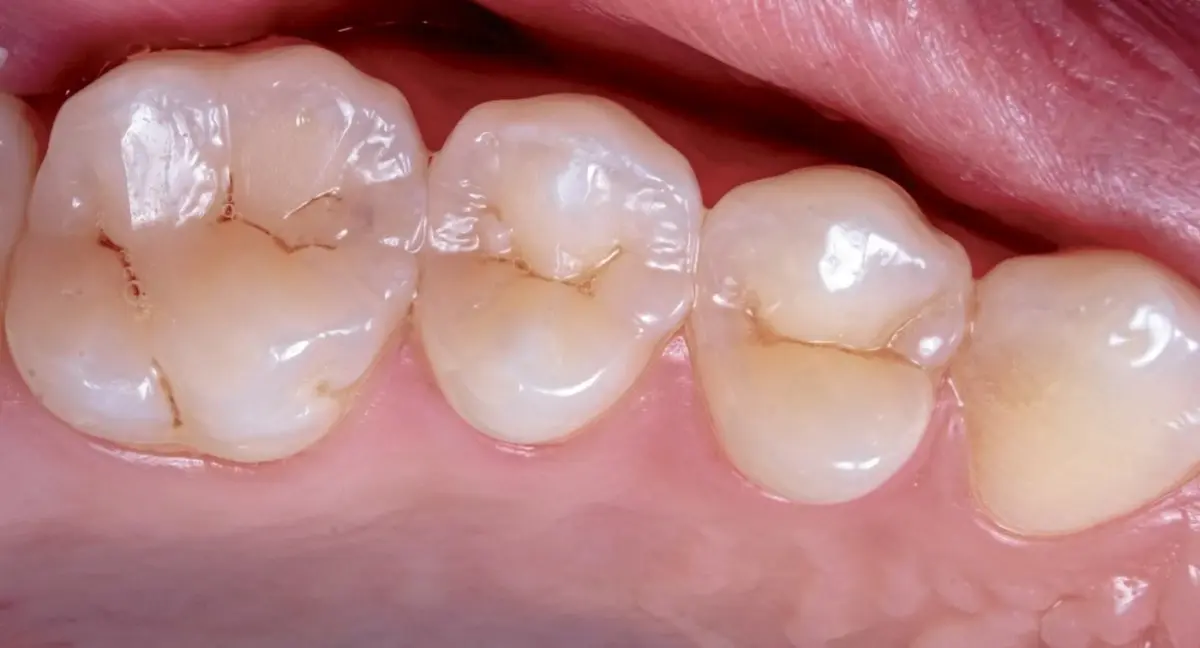
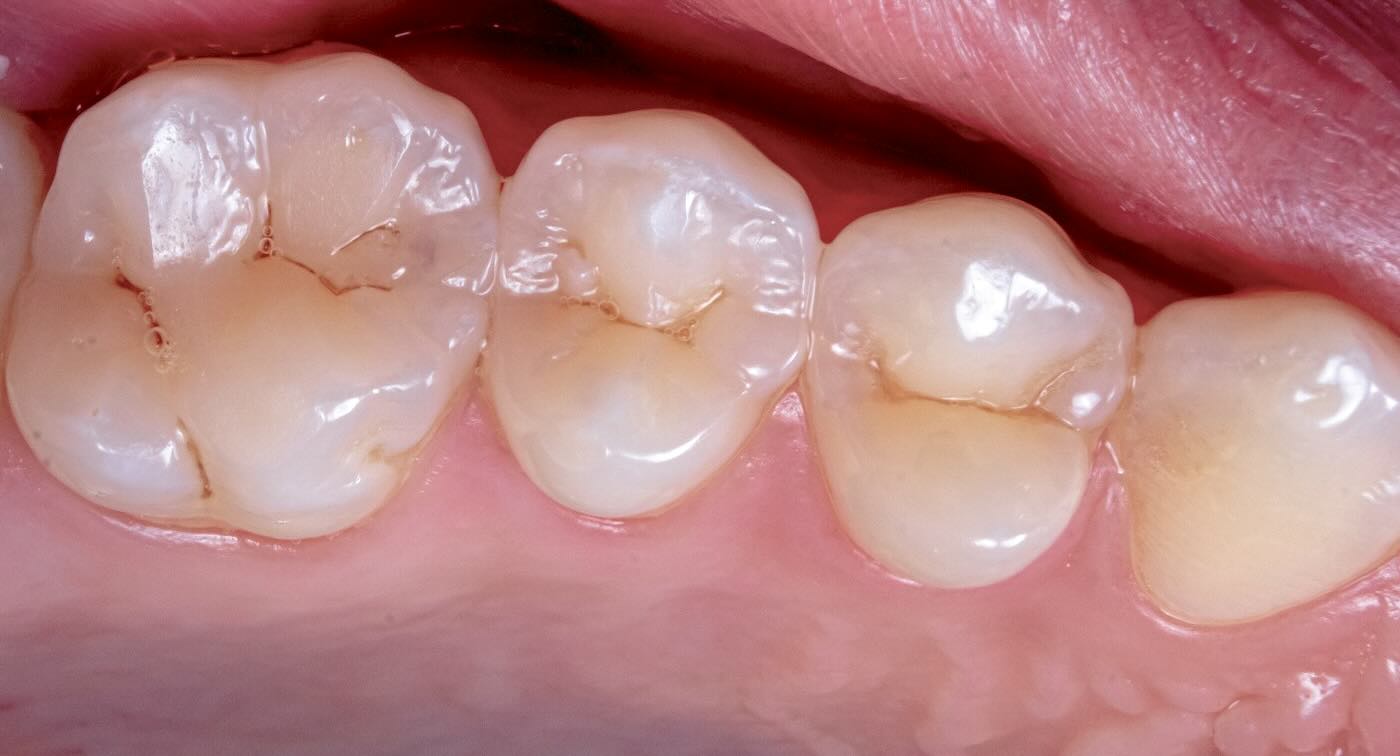
Despite its overwhelming advantages, the treatment does have one primary drawback, which is purely cosmetic. The silver component of the liquid permanently darkens the decayed portion of the treated tooth, turning the lesion a dark color once the decay is arrested.
Fontana stressed that if researchers want more children and families to benefit from this treatment, they must provide rigorous evidence showing both that it works reliably and that it is entirely safe. From a broader public health perspective, expanding implementation across the United States—including within non-dental medical settings—requires carefully collected data derived specifically from US populations, a milestone the new trial has now achieved.
In the medical and dental fields, clinicians naturally want high-quality evidence before altering established practices. Fontana explained that having reliable data to refer to is essential because young children frequently see pediatricians years before they ever step foot in a dental office. Broader acceptance and integration into primary care could allow many more cavities to be treated early, while a successful referral to a permanent dental home can be established, preventing conditions from becoming painful, infected, or requiring surgical intervention.
The comprehensive study successfully provides the exact clinical trial data required by the manufacturer to submit a formal dental caries drug application to the FDA. The specific product utilized in the trial, known as Advantage Arrest 38% SDF, was generously provided by Elevate Oral Care.
Amr Moursi, a professor of pediatric dentistry at the New York University College of Dentistry and a co-principal investigator on the study, noted that the research provides vital data necessary for broadening the regulatory status and clinical use of SDF.
Moursi stated that the results strongly support FDA approval of SDF for managing and arresting tooth decay in young children. He added that removing SDF from its current off-label status would represent an important medical and dental innovation, potentially leading to increased utilization by healthcare providers, enhanced reimbursement payments by insurance companies, and more consistent product quality across the board.
For some children, having SDF reapplied every few months may be all that is necessary until the baby tooth naturally falls out on its own. For adult patients, the treatment may serve as a viable long-term solution or act as a helpful clinical bridge until a more extensive restorative procedure becomes financially or practically feasible.
For almost anyone, this approach can arrest the decay process and successfully stop the infection and the associated pain, Fontana concluded, noting that this therapeutic option holds the potential to benefit a vast number of patients who face barriers to traditional care.