According to Anna Karp, a board-certified dermatologist based in New York City, the absence of natural moisture-producing oil glands means that lips rely heavily on external protection and conscious hydration. When that protection fails, a wide array of triggers can quickly compromise the skin barrier. Dr. Karp points to a long list of common culprits, including cold weather, shifting winds, harsh sun exposure, the unconscious habit of licking the lips, systemic dehydration, and certain prescription medications such as isotretinoin. Additionally, contact allergens and chemical irritants frequently found in everyday toothpastes or scented lip products can provoke inflammation, dryness, and peeling.
Navigating the vast market of lip-care products to combat these issues often leaves consumers wondering about the differences between standard daytime options and intensive treatments. While lip balms are traditionally formulated for all-day wear and frequent reapplication, most lip masks are engineered for overnight recovery, incorporating heavier occlusive agents like petrolatum to lock in moisture during sleep.
Hallie McDonald, a board-certified dermatologist and co-founder of ERLY, offers a straightforward framework for understanding these products. Consumers should think of balms as a daytime moisturizer and lip masks as a nighttime recovery cream, she explains. However, Dr. McDonald notes that if an individual’s everyday balm possesses a sufficiently rich and protective consistency, it can also be utilized overnight to deliver comparable barrier-repairing benefits.
Lip masks have increasingly cemented their place as a valuable addition to comprehensive skin-care routines, proving especially useful when seasonal shifts bring about stubborn bouts of dryness, chapping, and flaking. Because chapped lips can develop anywhere, at any time, and affect anyone due to environmental damage, allergies, or physical habits like biting and picking at the skin, targeted intervention is often required.
Similar to conventional lip balms, these masks primarily rely on a foundation of moisturizing ingredients designed to soothe the surface. However, masks typically feature more concentrated formulas capable of delivering stronger smoothing and plumping results in a significantly shorter timeframe than standard balms.
While heavy-duty moisturizers form the core of lip treatment, dermatologists note that dead skin cell accumulation can sometimes hinder recovery. In these instances, a gentle lip scrub can help slough away flakes that might otherwise prevent a lip mask from penetrating effectively. Experts advise using a gentle scrub occasionally, or specifically when visible flakes appear, to maintain a smooth surface and support the skin barrier. Nevertheless, when lips are severely chapped or actively bleeding and cracked, the immediate priority must always shift toward gentle hydration and barrier repair rather than mechanical exfoliation.
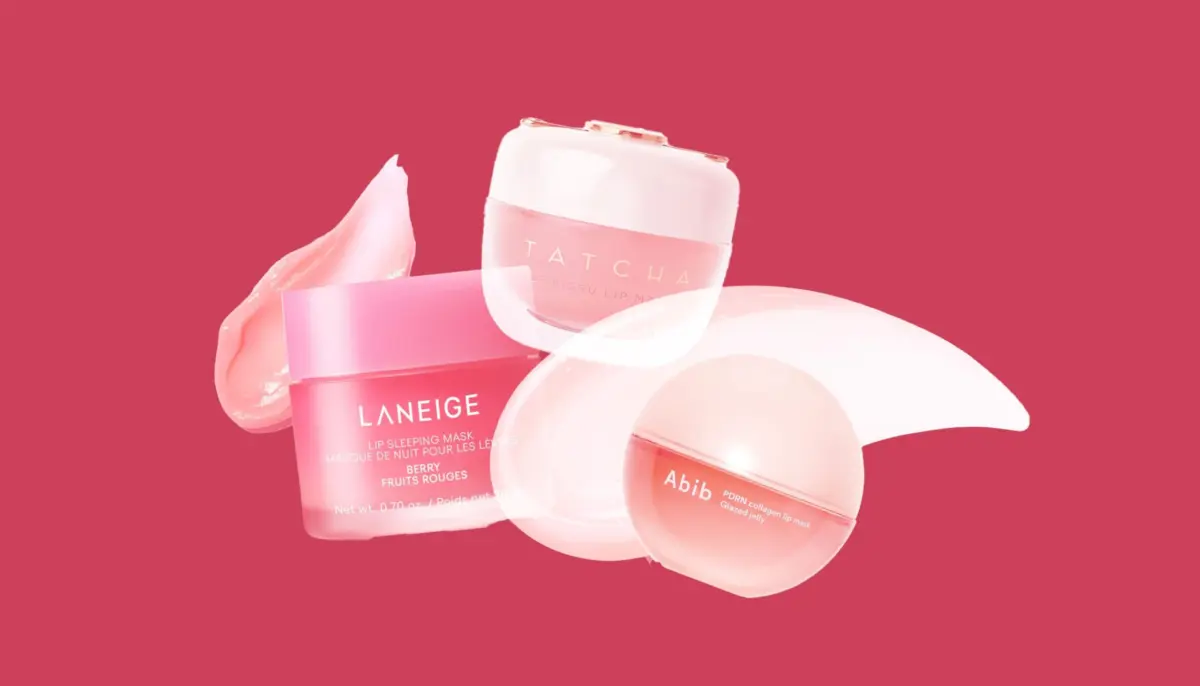
When examining the formulation of modern lip masks, emollients such as ceramides and fatty acids frequently perform the heavy lifting, reinforcing the delicate lipid barrier. Much like sophisticated face masks designed for the complexion, contemporary lip treatments often incorporate a variety of active ingredients formulated for targeted results. Consumers can find specialized formulas designed to gently exfoliate away flakes, impart a subtle plumping effect, or stimulate collagen production to help minimize the appearance of fine lines around the mouth. These intensive treatments are frequently applied before sleep, during a morning commute, or at any point throughout the day when long-lasting, deep hydration is required.
To help consumers navigate the crowded beauty market, publications like Allure maintain rigorous evaluation and testing protocols. When editors test a product, they approach it from multiple angles, analyzing ingredient lists, scrutinizing marketing and brand claims, and cross-referencing peer-reviewed scientific and medical literature when necessary. Every product included in editorial reviews undergoes hands-on testing, supported by guidance from leading clinical experts in fields such as dermatology, cosmetic chemistry, and general medicine who assist in vetting formulas and active components.
In evaluating the best lip masks specifically, editorial teams measure performance across five primary categories: product ingredients and efficacy, packaging design, fragrance profile, texture, and overall product wear. A product must demonstrate excellence across all designated criteria to earn a recommendation from an editorial staff composed of in-house writers, specialized contributors, and dermatological consultants.
Because beauty purchases are deeply personal, addressing concerns that range from mature skin care to specialized hair treatments, editorial integrity relies heavily on inclusivity and diverse perspectives. Ensuring that recommendations genuinely serve a wide audience requires a multifaceted approach to product testing. Evaluating whether a skin cream truly addresses persistent dryness or determining if a high-end beauty tool performs well across different hair textures and skin tones demands input from testers of diverse ages, skin tones, hair types, genders, and backgrounds. By engaging a broad range of voices alongside industry-leading medical experts, beauty journalism continues to refine how products are assessed, ensuring that recommendations remain both scientifically sound and practically useful for everyday consumers.