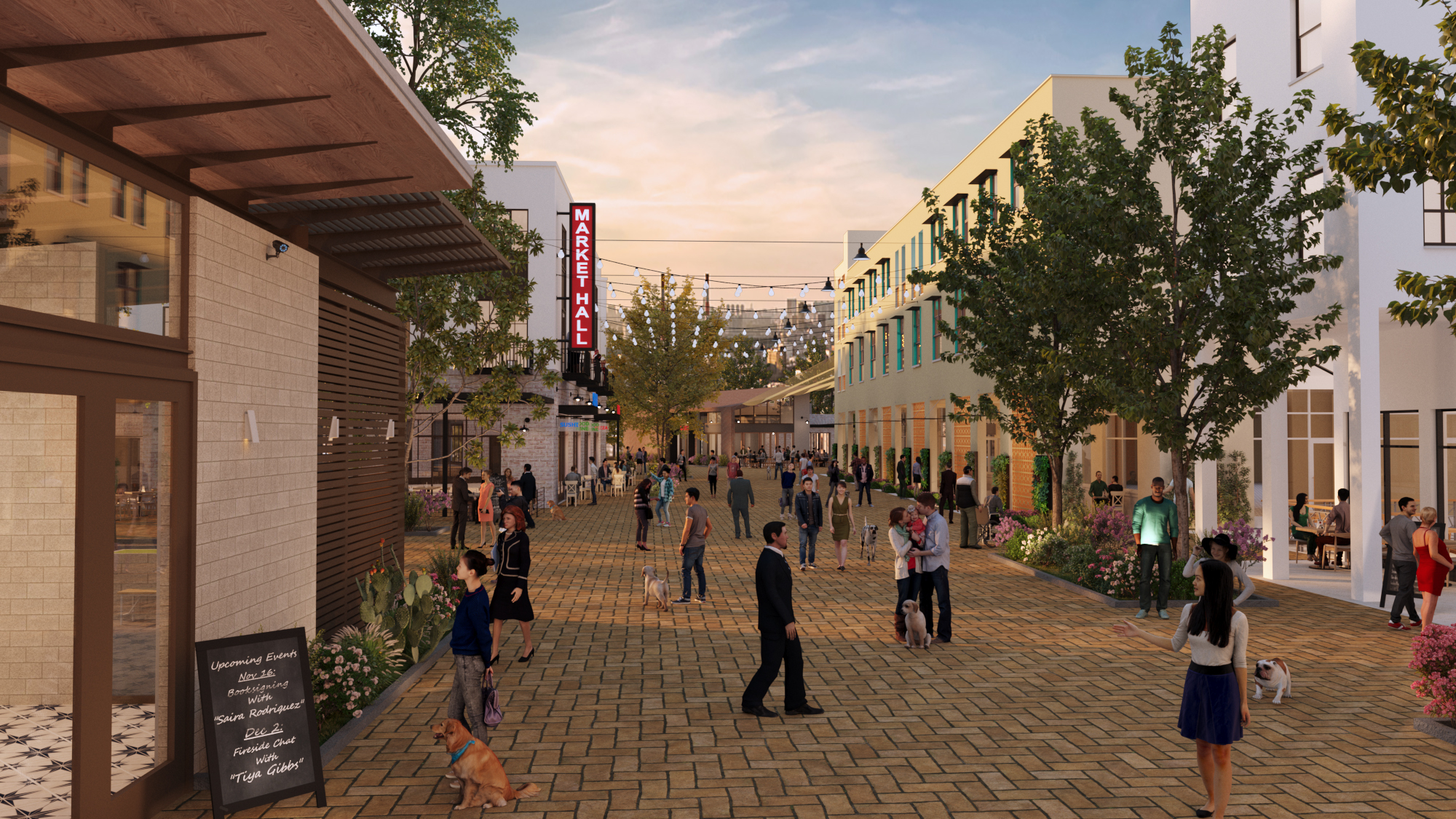
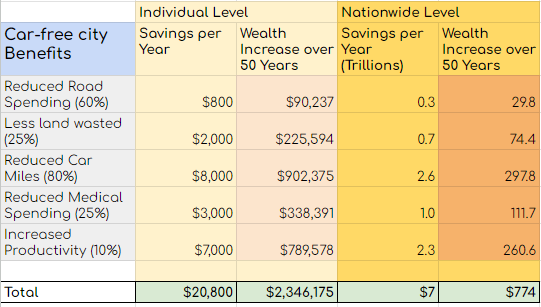
The implications of restructuring modern cities and towns to prioritize people over automobiles extend far beyond the reduction of carbon emissions, traffic congestion, or vehicle collisions. Advocates point to a profound transformation in daily living standards, public health, and economic vitality. Conservative estimates suggest that designing communities around human mobility rather than vehicular storage could yield a life-enhancing financial boost of over $20,000 per person annually, compounding into millions of dollars over an adult lifetime.
On a national level, transitioning to human-scale urban centers could theoretically generate trillions of dollars in economic value each year, unlocking unprecedented wealth through reduced infrastructure maintenance, lower transportation expenditures, and more efficient land utilization. Proponents argue that shifting away from sprawling, car-dependent layouts allows for more efficient housing, stronger public health outcomes through active transportation, and a dramatic reduction in the time and financial resources required to maintain automotive fleets.
The Hidden Cost of Urban Sprawl
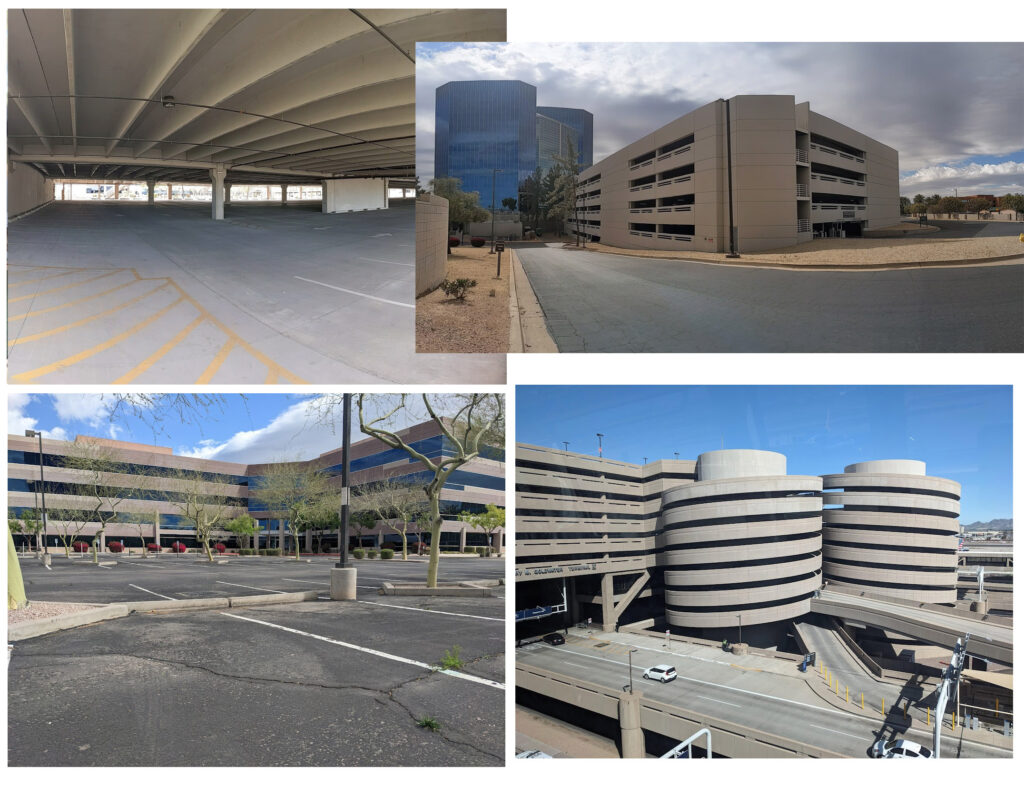
To understand the scale of spatial inefficiency in contemporary cities, one need only look at how land is allocated. A standard urban intersection often consumes massive tracts of valuable real estate—frequently upwards of an acre and a half of space that serves almost exclusively to facilitate the movement and temporary storage of motor vehicles. In dense urban environments, space dedicated to surface parking lots, multi-lane thoroughfares, and sprawling interchanges occupies a staggering percentage of total land area.
This spatial obsession creates a feedback loop. Cities become so expansive, noisy, and hazardous for pedestrians and cyclists that residents feel compelled to rely entirely on automobiles for mobility. Consequently, vast amounts of capital and land are continually redirected toward widening roads, building parking garages, and managing traffic flow, perpetuating a cycle of high infrastructure costs and automobile dependency.
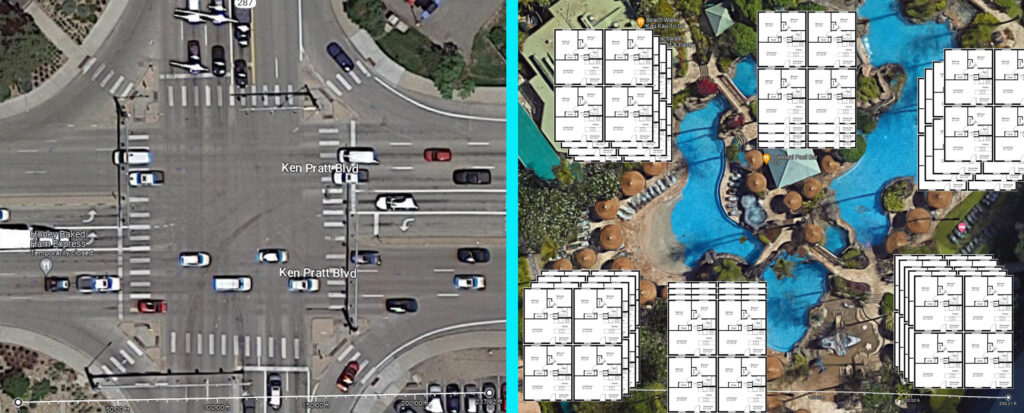
Critics of alternative urban design often raise concerns about how modern societies will maintain current driving habits if traditional roadway capacity is reduced. Urban planners and alternative transit advocates counter that the objective is not to restrict movement, but to eliminate the necessity of constant driving by integrating daily amenities—such as groceries, workspaces, recreation, and housing—into cohesive, walkable neighborhoods. In such environments, traditional roadways remain accessible for essential services like emergency vehicles, deliveries, and mobility assistance, while personal travel is handled efficiently through active transit, light rail, and shared electric vehicles.
Pilot Projects and Real-World Implementation
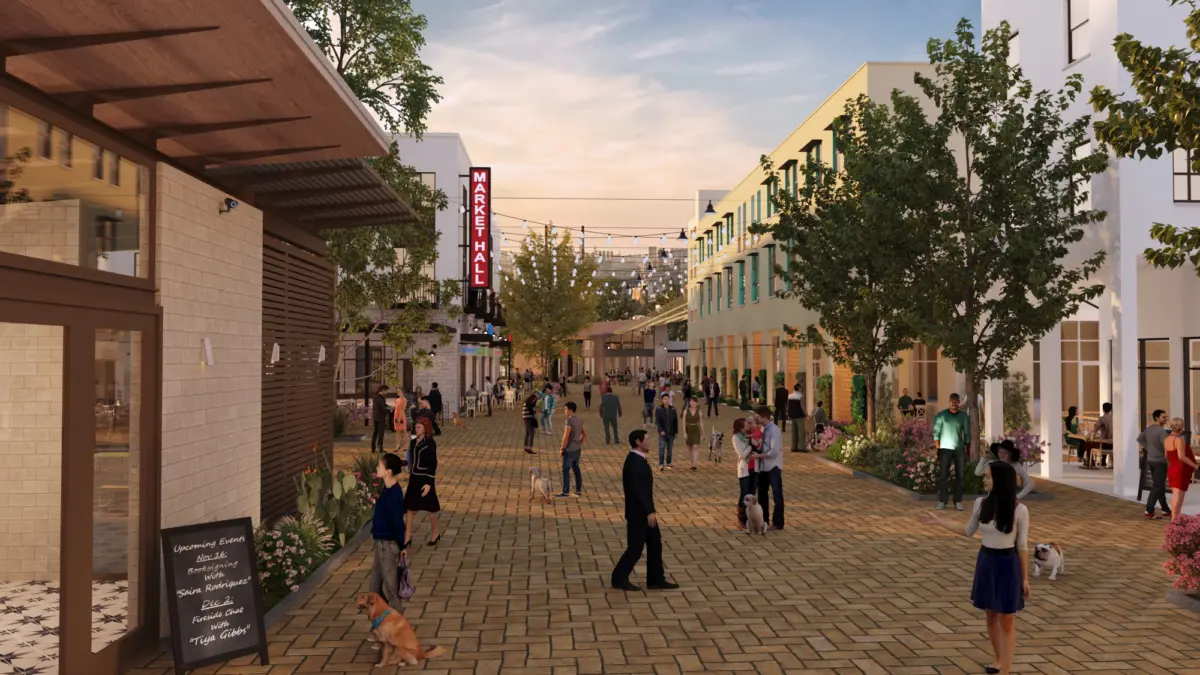
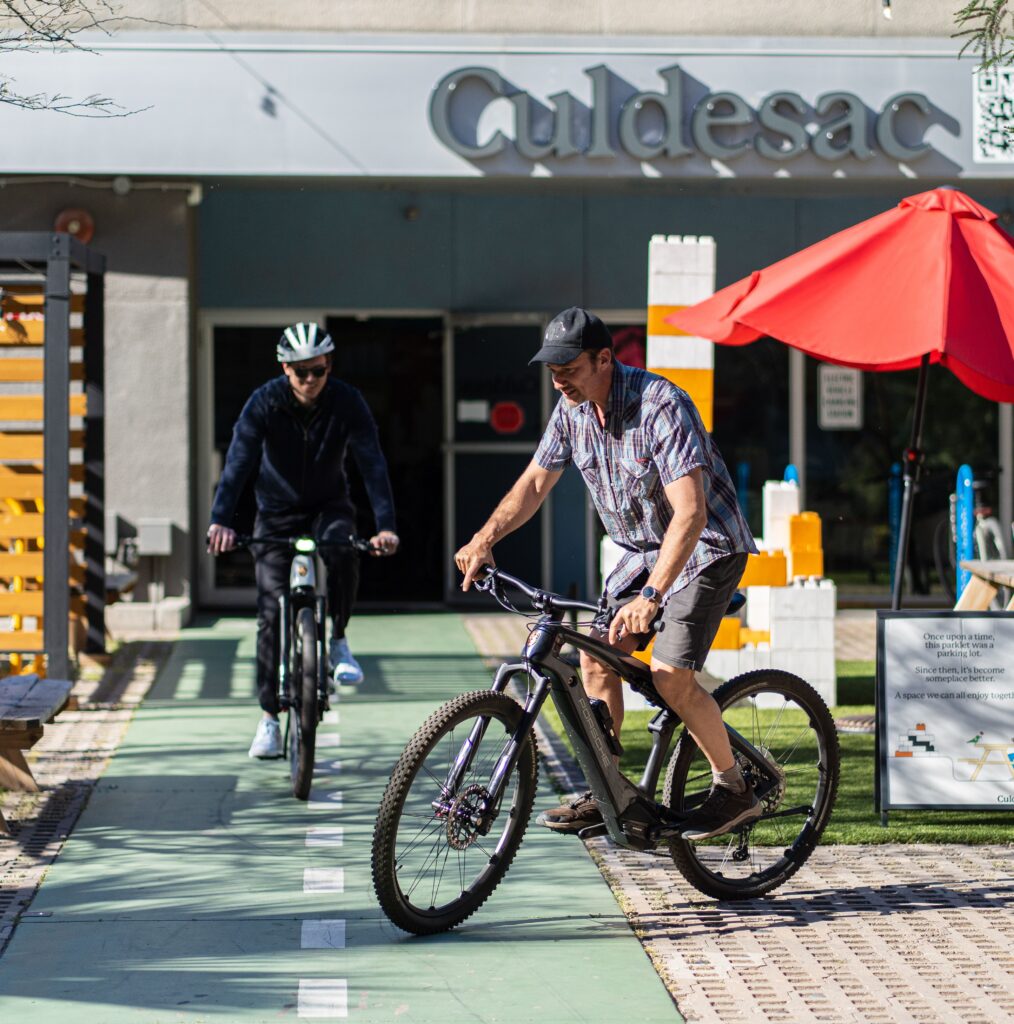
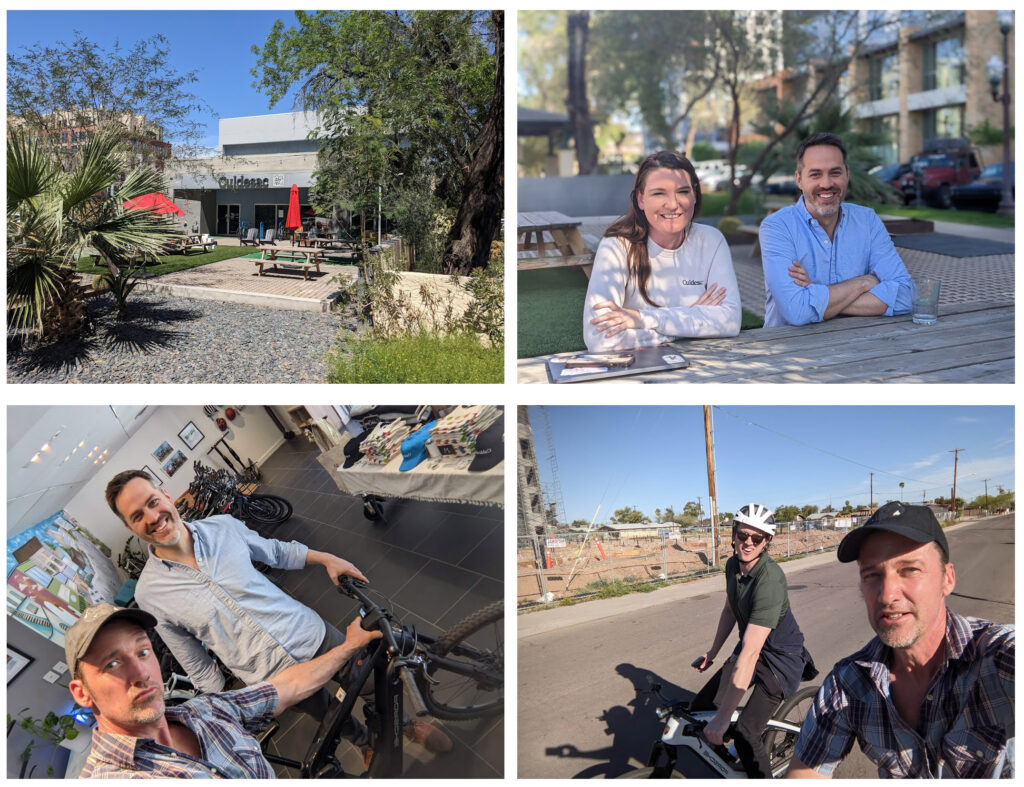
While transforming established metropolitan areas involves navigating complex municipal bureaucracies, zoning laws, and entrenched political resistance, real-world examples of car-free communities are beginning to emerge. One notable development is Culdesac Tempe, a newly established car-free neighborhood in Arizona designed to house approximately 1,000 residents across a multi-acre site.

The project demonstrates how land typically reserved for parking can be reclaimed for community plazas, green spaces, and residential architecture. By integrating retail spaces, co-working areas, and daily necessities directly into the neighborhood, the design minimizes the need for private vehicle ownership. Residents have access to shared fleets of electric bicycles, comprehensive public transit connectivity via nearby light rail stations, and shared electric vehicles for regional trips outside the urban core.

Urban planners and developers behind these initiatives view them as pilot projects for broader metropolitan reforms. The core philosophy centers on dismantling single-use zoning laws that separate residential areas from commercial hubs, thereby fostering vibrant, self-sustaining communities that prioritize human interaction, physical activity, and environmental sustainability.
Economic and Social Implications
The economic argument for human-centric cities rests on the premise that current infrastructure models are financially unsustainable for many municipalities. Sprawling suburbs and car-dependent infrastructure require disproportionate expenditures on road maintenance, utility lines, and emergency services relative to the tax revenue they generate. Conversely, denser, walkable neighborhoods offer higher tax yields per acre while requiring significantly less public investment in sprawling infrastructure.
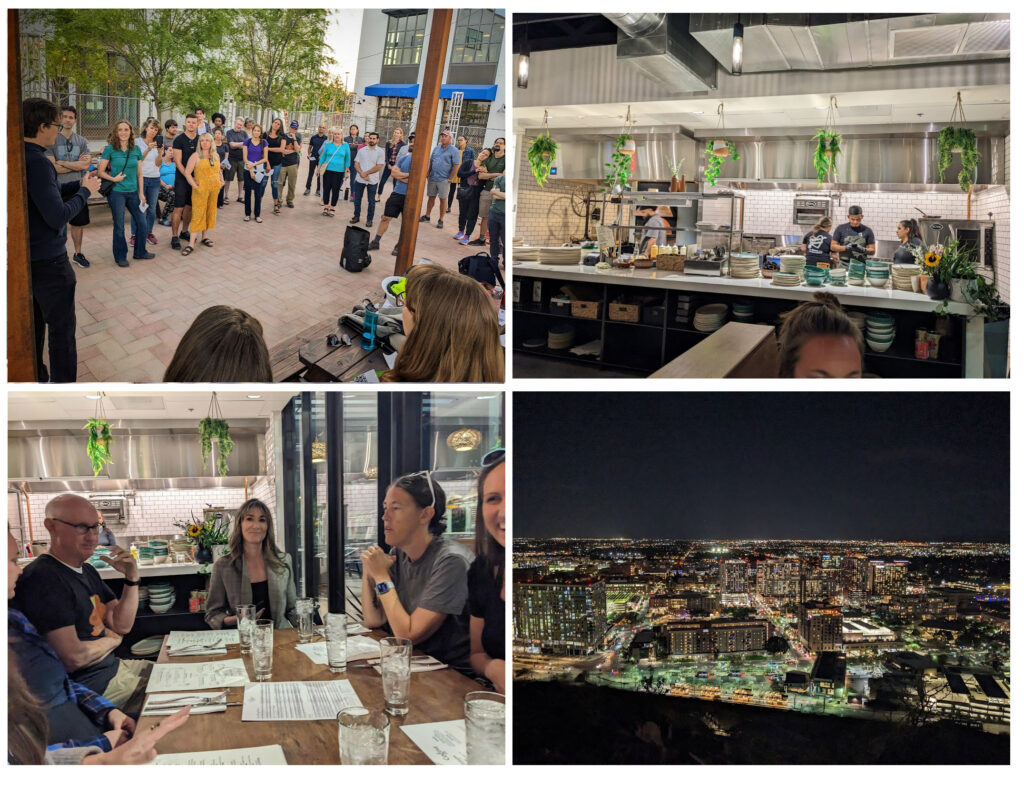
As pioneering developments continue to prove the viability of car-free and low-car neighborhoods, observers suggest that public demand for alternative urban living will grow. By rethinking how cities use physical space, communities can unlock new avenues for economic prosperity, public health, and social connectivity, fundamentally altering the trajectory of modern urban development.