Why Does Neck Skin Age Faster?
According to dermatological experts, the physiological makeup of the neck inherently sets it apart from facial skin. The skin on the neck is noticeably thinner and lacks the same density of oil glands, a structural difference that leaves it far more prone to chronic dryness and subsequent sagging over time. This natural vulnerability is further compounded by daily lifestyle factors and physical forces.
Chief among these environmental and mechanical stressors is gravity, alongside the modern habit of constantly looking downward at smartphones and other digital screens. This repetitive motion—often colloquially referred to as "tech neck"—creates constant creases in the skin. Combined with a lack of robust natural oil production and thinner dermal layers, the neck becomes an area uniquely at risk for the early development of fine lines, wrinkles, and progressive sagging. Dermatologists note that these combined factors mean standard facial skincare routines may not always provide the targeted support that the neck requires.
What Ingredients Should I Look for in a Neck Cream?
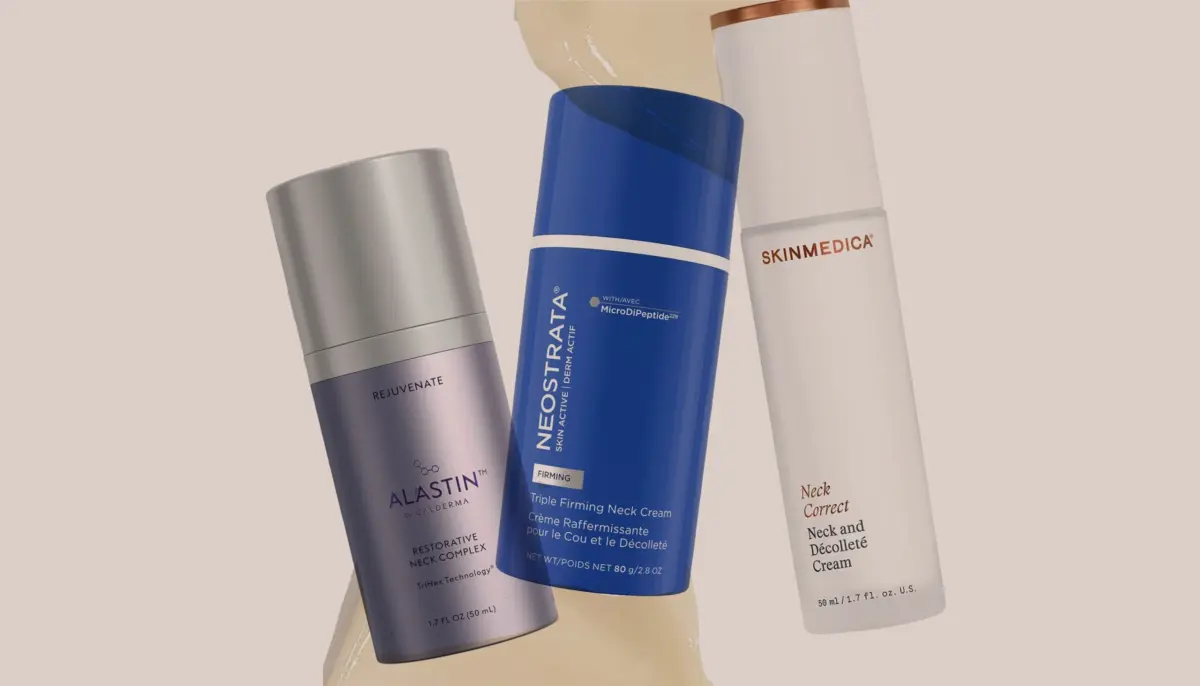
Because the skin in this region is notably more delicate, specialized neck creams are formulated to deliver intensive hydration alongside higher concentrations of active ingredients tailored specifically to the physiological needs of the neck. Dermatologists point out that effective formulations frequently rely on proven moisturizing agents such as hyaluronic acid, shea butter, and squalane. These components work to maintain skin smoothness and plumpness by locking in vital moisture.
In addition to deep hydrators, peptides have emerged as a significant area of focus within modern formulation science. Frequently touted for their smoothing and firming benefits, peptides are increasingly incorporated into targeted neck treatments to help support the skin’s structural appearance. Another critical additive recommended by skin specialists is retinol. Retinol is widely recognized for its ability to promote cellular turnover and stimulate collagen production, which directly addresses the appearance of wrinkles and improves overall skin texture.
Specialists note that retinol can help mitigate sagging skin, fine lines, and crepiness. However, because the neck is a particularly sensitive area, formulations typically feature lower concentrations of retinol to minimize irritation, resulting in more subtle, gradual improvements. Dermatologists also emphasize the importance of application technique, recommending that users apply neck creams with gentle pressure and upward sweeping motions to avoid stretching or pulling the delicate skin.
When Should I Consult with a Dermatologist?
While over-the-counter topical treatments can provide significant cosmetic benefits, professionals stress that they have limitations depending on the degree of skin changes. If individuals notice distinct differences in skin laxity around the neck and chest area, dermatologists recommend seeking a professional evaluation to rule out underlying inflammation, unusual lumps, or nodules.
Significantly loose skin, often described colloquially as a "turkey neck," typically requires in-office medical or cosmetic interventions to achieve substantial structural tightening. Nevertheless, dermatologists affirm that dedicated neck creams can still play a valuable role in a comprehensive skincare regimen by effectively replenishing moisture and subtly decreasing the visual prominence of fine lines on the neck.
The Editorial Approach to Testing and Reviewing Products
As consumer interest in specialized skincare categories continues to rise, major beauty publications face increasing pressure to provide rigorous, evidence-based product evaluations. When editorial teams assess products such as neck creams, the evaluation process typically involves a multi-faceted examination designed to serve the consumer from every possible angle. Editors meticulously review ingredient lists, scrutinize brand marketing claims, and—when necessary—examine relevant peer-reviewed scientific and medical studies to verify product efficacy.
Beyond in-house testing conducted by writers and editors, reputable review processes rely heavily on the guidance of established industry experts who shape their respective fields, including dermatology, cosmetic chemistry, and medicine. These professionals assist in vetting formulas and active ingredients to ensure safety and performance. For product roundups like the best neck creams, evaluations generally focus on several core performance categories, including ingredient efficacy, packaging design, fragrance profile, texture, and real-world wear. Products that ultimately receive top recommendations are those determined by editorial staff and consulting dermatologists to have excelled across all evaluated metrics.
The Importance of Diverse Staff and Testers in Beauty Journalism
Evaluating personal care and beauty products requires an understanding of diverse consumer needs, as a skincare product that performs exceptionally well for one demographic may not yield the same results for another. Whether a consumer is searching for a targeted facial moisturizer to combat persistent dryness, a specialized hair product for specific curl patterns, or the latest anti-aging innovation, editorial integrity depends on comprehensive and inclusive testing methodologies.
Industry leaders emphasize that having a diverse team of writers and editors, alongside a wide range of outside testers and industry experts, is essential to achieving objective and reliable product recommendations. Publications frequently highlight the limitations of relying on a homogenous testing pool, noting that a skincare product cannot truly be deemed universally effective without input from individuals across varied age groups, skin tones, hair textures, genders, and personal backgrounds. By fostering inclusivity within testing panels, beauty journalists aim to ensure that product assessments remain fair, accurate, and genuinely useful to a broad readership.