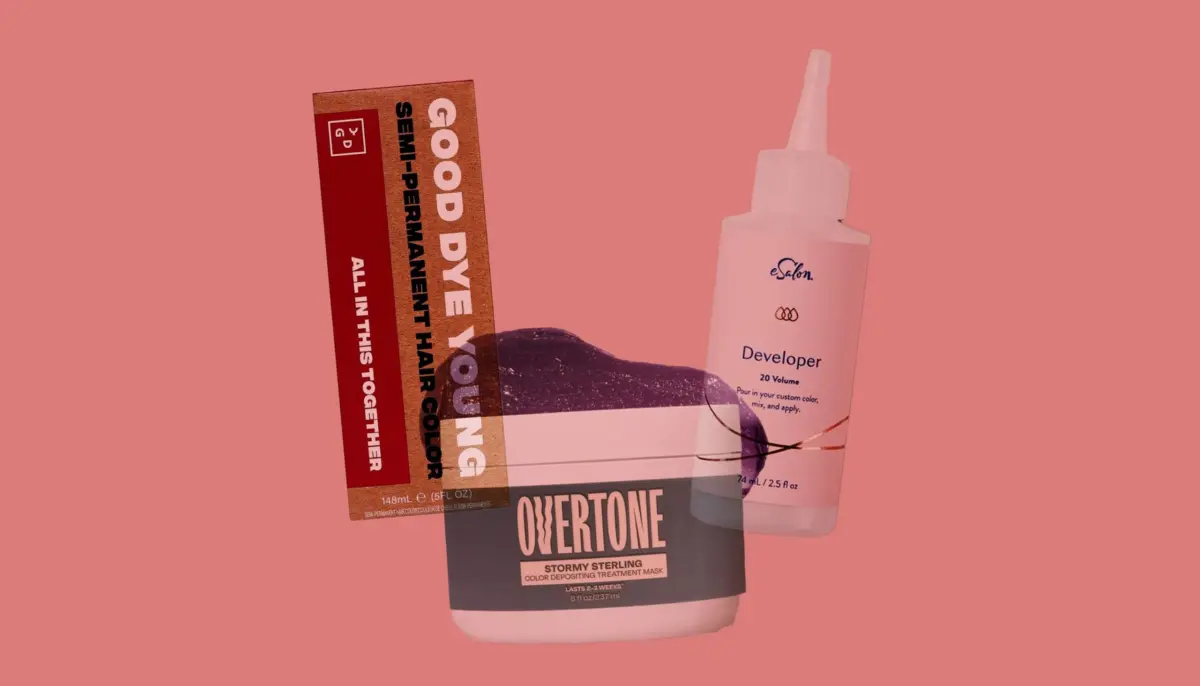
The pursuit of the perfect at-home hair dye job frequently begins with a common misconception: the belief that the image on the front of the product packaging serves as an accurate representation of the final outcome. Hairstylists caution that appearances in the beauty aisle can be deeply deceiving. According to celebrity hairstylist Andrew Fitzsimons, whose clientele famously includes the Kardashian-Jenner family, consumers should immediately look past the marketing imagery on the front of the box and instead examine the detailed informational chart printed on the side or the back of the packaging.
This reference chart provides a much more realistic indication of where a specific hair color formula will ultimately land, depending entirely on the user’s initial, starting hue. New York City-based colorist Dana Ionato echoes this advice, noting a consistent discrepancy between the model featured on the packaging and the actual results consumers experience at home. Ionato explains that the developer agents included in commercial, at-home permanent hair dyes are exceptionally strong—frequently surpassing the strength of the developers utilized in professional salon settings. This heightened strength results in a powerful lifting effect, which often renders the final color significantly lighter than the depiction on the box.
Navigating the nuances of permanent versus semi-permanent formulations further complicates the selection process. For those opting for permanent at-home dyes, Ionato recommends selecting a shade that is a touch darker than the desired end result, given the strong lifting capacity of the developer. Conversely, the rules shift entirely when dealing with semi-permanent formulations. Because semi-permanent dyes lack a traditional developer, they do not lift the hair; instead, pigment builds up progressively, meaning the color grows increasingly darker the longer the product remains in the hair. Consequently, users are advised to select a shade that is noticeably lighter from the outset to avoid winding up with an unexpectedly dark result.
Beyond shade selection and formulation strength, professional stylists highlight the critical role of conditioning during the dying process. Fitzsimons points out that skipping the final conditioning step can completely alter the anticipated color outcome. Utilizing a deep conditioner immediately at the conclusion of the dyeing process serves to seal the hair cuticle tightly, effectively halting the strands’ ability to absorb additional pigment. Neglecting this crucial step can cause the hair to continue absorbing color, ultimately leaving the user with a shade that is much darker than intended.
Equally important to the final outcome is the actual quantity of product applied during the process. Many consumers drastically underestimate the amount of hair dye required to achieve a complete and uniform color transformation. Bicoastal hairstylist Meri Kate O’Connor notes that hair can absorb dye at an alarming rate, particularly if the hair is already damaged. Damaged hair typically features cuticles that are lifted and more porous, drinking up product quickly and leading to missed spots if the user runs out of dye midway through the application.
Stylists universally advise against attempting to stretch a single box of color further than it is designed to go. Insufficient saturation—resulting in flat or streaky dye distribution—stands out as one of the primary causes of patchy, uneven color results. Furthermore, individual hair length and density dictate exact product requirements. While individuals with short or fine hair can typically manage a full application using a single box, those blessed with long, thick, or exceptionally dense hair are strongly advised to keep a second box on hand to ensure total strand saturation. Industry experts summarize this rule with a simple maxim: having extra color on hand is always preferable to running short mid-application.
Once the color has been successfully applied and rinsed, the focus must shift immediately to rigorous aftercare to preserve the vibrancy and longevity of the newly dyed hair. Mena emphasizes that the first forty-eight hours following a color treatment are vital, recommending that users wait at least this long before washing their hair for the first time. On subsequent wash days, incorporating a sulfate-free, color-safe shampoo is essential, alongside the habit of rinsing exclusively with cool to lukewarm water to prevent the premature stripping of artificial pigments.
To maintain optimal cuticle health, experts suggest swapping out standard daily conditioner for a nourishing hair mask, a step that Mena notes is particularly crucial for individuals sporting blonde, brunette, or red hues. Environmental and styling factors also demand careful management. Consumers are advised to minimize heat-styling whenever possible—and to never skip a heat-protectant spray when heat tools are necessary—while also guarding against excessive sun exposure, chlorine from swimming pools, and the frequent use of clarifying shampoos. Each of these elements can significantly accelerate the fading process, dulling vibrant new color long before a touch-up is due.
To ensure that recommendations surrounding at-home hair color and related maintenance products remain trustworthy and accurate, industry publications and beauty platforms maintain rigorous testing and review protocols. Unlike makeup, which often features broader cross-category utility, hair care and color products are frequently formulated with distinct consumer needs in mind. Items are routinely engineered to address specific concerns, such as persistent dandruff, structural breakage, or hair brittleness, or to perform optimally across unique hair types, ranging from tightly coiled 4C textures to fine, wavy, or gray hair. Evaluating a purple shampoo solely through the lens of someone with naturally auburn hair, or testing a high-end diffuser exclusively on straight locks, would provide little value to consumers seeking targeted solutions.
In the pursuit of identifying the most vibrant and long-lasting at-home hair dye formulations, comprehensive testing panels typically enlist a diverse group of editors, writers, industry contributors, and professional colorists. These testers evaluate products across four fundamental performance categories: overall efficacy, product texture and sensory experience, fragrance profile, and packaging design. This multifaceted approach ensures that reviews reflect real-world performance across varied hair textures, lengths, curl patterns, and color histories.
Underpinning these rigorous review processes is the recognition that beauty purchases are inherently personal. Whether a consumer is searching for a specialized skin cream to combat persistent dryness, testing a new nail treatment for a self-care routine, or browsing the market for the latest innovations in hair care, editorial integrity relies heavily on the diversity of the testing team. Maintaining a staff that spans a wide range of ages, skin tones, hair textures, genders, and backgrounds ensures that beauty products can be evaluated fairly and comprehensively. By combining the insights of a diverse internal staff with the ongoing expertise of outside testers and industry professionals, beauty journalism strives to deliver recommendations that truly resonate with every segment of the consumer audience.