
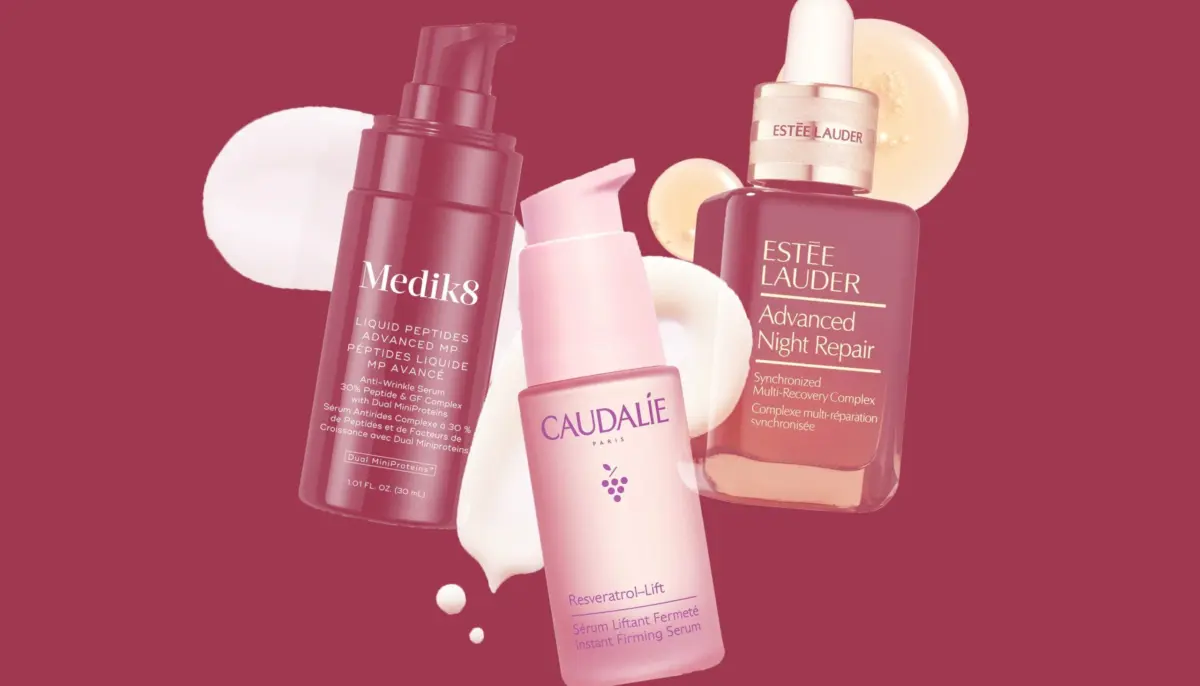
What Are Peptides and How Do They Function?
At their core, peptides are short chains of amino acids, which include compounds like glycine, arginine, and histidine. According to dermatological experts, they are specifically designed to boost and replenish amino acids, which serve as the fundamental building blocks for collagen production within the body. While many consumers recognize amino acids as the essential building blocks of protein, peptide chains tend to be significantly shorter than full proteins.
This structural difference plays a critical role in topical application. Compared to topical collagen, which features large molecules that often struggle to move beyond the outermost layer of the epidermis, peptides possess a remarkably small particle size. This diminutive scale allows them to penetrate the surface level of the skin at a much deeper level. Once absorbed, they excel at reducing the visible appearance of fine lines, soothing dehydrated skin, and leaving the complexion noticeably firmer and more resilient.
The Biological Benefits for Aging and Mature Skin
The human body naturally produces abundant, high-quality collagen during youth, but this internal manufacturing process diminishes steadily over time. As natural collagen levels decline, the structural integrity of the skin weakens, leading inexorably to the formation of fine lines, deep wrinkles, and sagging contours.
Peptide chains help counteract these natural signs of aging by cleverly mimicking the structure of amino acids, signaling the skin to stimulate repair processes and diminish the look of these age-related concerns over time. Individuals with mature skin, in particular, can derive substantial benefits from incorporating peptides into their daily regimens. These compounds are uniquely capable of improving skin firmness along the jawline, smoothing dynamic expression lines, and promoting a more even, balanced skin tone.
However, dermatologists emphasize that not all peptides are created equal. The most common classifications of peptides utilized in modern skincare formulations consist of signal peptides, carrier peptides, enzyme-inhibitor peptides, and neurotransmitter-inhibitor peptides. Each category serves a distinct biological function. Furthermore, modern cosmetic laboratories and skincare brands frequently research, develop, and trademark their own proprietary peptide complexes to maximize specific anti-aging or barrier-repairing outcomes.
When examining ingredient lists on product packaging, consumers will frequently notice peptides categorized simply by the number of amino acids they contain. Common designations include dipeptides, which contain two amino acids; tripeptides, featuring three; and hexapeptides, composed of six. It is also standard industry practice for formulators to string multiple distinct peptides together within a single product to maximize their collective collagen-boosting and skin-restorative benefits.
Safety, Formulation, and Potential Skin Sensitivities
One of the primary advantages of incorporating peptides into a daily skincare routine is their exceptional tolerability. Peptides seldom cause skin sensitivity or irritation, making them suitable for a wide variety of skin types, including sensitive complexions.
Despite this high safety profile, consumers are still advised to exercise discernment regarding a serum or cream’s overall formulation. If an individual experiences a negative reaction to a peptide-marketed product, dermatological experts note that the irritation is almost certainly caused by preservatives, ancillary chemicals, or essential oils included in the formula, rather than the peptides themselves. Consequently, performing a patch test prior to applying any new active skincare product to the entire face remains a universally recommended best practice.
Rigorous Testing and Editorial Review Standards
In the broader context of the beauty industry, evaluating the efficacy of skincare innovations requires a meticulous, multi-faceted approach. Publications and reviewing bodies that assess the latest advancements in cosmetics typically look at products from every conceivable angle to serve consumers accurately. This evaluative process involves reviewing ingredient decks, scrutinizing manufacturer claims, and examining peer-reviewed scientific and medical literature when necessary.
To maintain editorial integrity, review teams routinely collaborate with leading professionals who actively shape their respective fields, including board-certified dermatologists, cosmetic chemists, and medical researchers. When evaluating specialized products such as peptide serums, assessors typically grade formulations across several primary categories: ingredient efficacy and formulation quality, packaging design, fragrance profile, product texture, and overall wear on the skin.
Ensuring that beauty recommendations serve a diverse public also requires inclusive testing methodologies. Because skincare needs vary dramatically based on age, skin tone, hair texture, and individual background, comprehensive product evaluations rely on diverse panels of testers and experts. Whether an individual is searching for a specialized cream to address persistent dryness or exploring the latest anti-aging innovations, inclusive testing ensures that recommendations remain fair, accurate, and genuinely effective across all demographics.