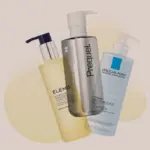

What ingredients should I look for in a moisturizing face wash?
When consumers browse the aisles for a moisturizing face wash, prioritizing the right chemical components makes all the difference in maintaining skin comfort. According to dermatologists, shoppers should actively look for hydrating ingredients like glycerin and hyaluronic acid. These substances act as humectants, which essentially function by drawing water and environmental hydration directly into the skin.
Dr. Saedi explains that incorporating these ingredients can successfully counteract the inherently drying effects of the cleansing process, ultimately leaving the skin feeling comfortable rather than entirely stripped of moisture. However, utilizing a hydrating wash does not necessarily mean that consumers must swear off exfoliating cleansers altogether.
For those whose skin tends to run dry, chemical acids and physical scrubs may prove too abrasive for daily use. Because skin tolerance varies widely from person to person, professionals emphasize that users must ultimately evaluate how a cleanser feels on their own unique complexion. For individuals whose dry skin also intersects with sensitivity, experts recommend seeking out daily cleansers featuring soothing botanical and biochemical ingredients. Notable compounds to look for include Centella asiatica—frequently referred to as cica—as well as oat extracts, allantoin, and panthenol. Furthermore, consumers with reactive skin are strongly advised to prioritize fragrance-free formulations, as added fragrances remain one of the most common culprits behind contact irritation and skin flare-ups.
How often should you wash your face with dry skin?
Establishing a consistent routine is vital for skin health, but the frequency of cleansing must be tailored to individual skin types. As a general rule of thumb, washing the face twice a day—once in the morning and once at night—serves as an effective baseline for many people. A morning cleanse works to efficiently remove overnight sweat, excess oil, and any lingering residue left behind by nighttime skincare products. Conversely, an evening wash targets accumulated sunscreen, makeup, environmental pollution, and the day’s buildup of oil and cellular debris. Furthermore, cleansing at night provides a clean slate, allowing subsequent nighttime skincare products to absorb properly and perform at their highest potential.
Despite this general guidance, notable exceptions exist for individuals with specific skin concerns. If an individual’s skin is extremely dry, actively irritated, or currently undergoing an eczema flare, performing a morning cleanse may prove more irritating than beneficial. In such scenarios, dermatologists recommend simply rinsing the face with plain water in the morning and saving the gentle cleanser strictly for the evening routine. Additionally, while people should always cleanse promptly after significant physical exertion and heavy sweating, experts caution against the temptation to overwash or scrub the skin repeatedly, as excessive friction can permanently compromise the delicate skin barrier.
Can a facial cleanser actually moisturize your skin?
A common misconception among consumers is that a high-end, hydrating facial cleanser can entirely replace a dedicated moisturizer. Addressing this query, dermatologists confirm that cleansers can indeed moisturize the skin, but only to a strictly limited extent. Experts reiterate that cleansers are never a true replacement for a proper face moisturizer. Even the most advanced, ultra-hydrating face wash does not excuse a consumer from completing the rest of their daily skincare routine.
That being said, utilizing a properly formulated moisturizing cleanser establishes a crucial foundation for a balanced complexion. A well-designed cleanser minimizes the unnecessary loss of the skin’s natural moisturizing factors and protective lipids, while simultaneously depositing beneficial humectants and emollients onto the surface. This gentle delivery leaves the skin feeling notably softer and more comfortable immediately after washing, paving the way for the subsequent layers of hydration that follow in a complete skincare regimen.
How we test and review products
To maintain journalistic integrity and serve consumers effectively, beauty and lifestyle publications maintain rigorous standards for product evaluation. When editorial teams test a beauty product, they analyze it from every conceivable angle. This comprehensive review process includes scrutinizing ingredient decks, thoroughly evaluating brand marketing claims, and examining peer-reviewed scientific and medical literature whenever necessary.
To ensure accuracy, editorial staff rely heavily on respected professionals who actively shape their respective fields, including board-certified dermatologists, cosmetic chemists, and medical researchers, to vet product ingredients and underlying formulas. In the specific context of compiling definitive lists of top-performing products, reviewers assess items across several primary categories: product ingredients and efficacy, packaging design, environmental or skin protection, texture, and product wear over time. Products that successfully earn a spot on curated recommendations lists are determined to have excelled across all evaluation parameters through a collaborative effort involving in-house writers, external contributors, and specialized medical guidance.
Our staff and testers
Investing in beauty and skincare products is inherently personal. Whether a consumer is searching for a rich face cream to combat stubborn, persistent dryness, selecting a specialized nail treatment for a weekend self-care routine, or simply exploring the latest launches in the hair care market, publications strive to ensure that readers feel absolute confidence in every recommended item. Achieving this level of trust requires a commitment to diverse perspectives.
Industry experts maintain that having a diverse team of writers and editors—supplemented by a wide range of external product testers and industry specialists—is essential to reaching the ultimate goal of inclusive and accurate beauty journalism. For instance, evaluating whether a skincare product truly serves mature demographics requires feedback from testers across multiple age groups, just as assessing a high-end hair diffuser demands testing across various curl patterns and hair textures. By maintaining a staff that spans a wide range of ages, skin tones, hair textures, genders, and backgrounds, editorial teams ensure they can fairly and accurately assess the diverse array of beauty products that enter the testing space.