Topical wrinkle fillers are formulated as surface-level treatments designed to temporarily plump the skin and smooth out the appearance of fine lines. According to Margarita Lolis, a board-certified dermatologist in Hackensack, New Jersey, these products work by attracting water molecules and sealing them directly into the skin, effectively filling in wrinkles from the outside. This surge of hydration delivers an immediate boost, leaving the complexion looking visibly plumper, smoother, and more refreshed.

For those seeking longer-term improvements, various modern formulations also incorporate retinoids, such as over-the-counter retinol or prescription-strength tretinoin, which encourage collagen production and help restore lost volume over time. Skin experts emphasize, however, that while topical moisturizers and specialized serums provide valuable benefits, they cannot replicate the deep structural support or the taut, super-smooth finish achieved through professional in-office procedures.
Understanding the Market’s Top Topical Wrinkle Fillers
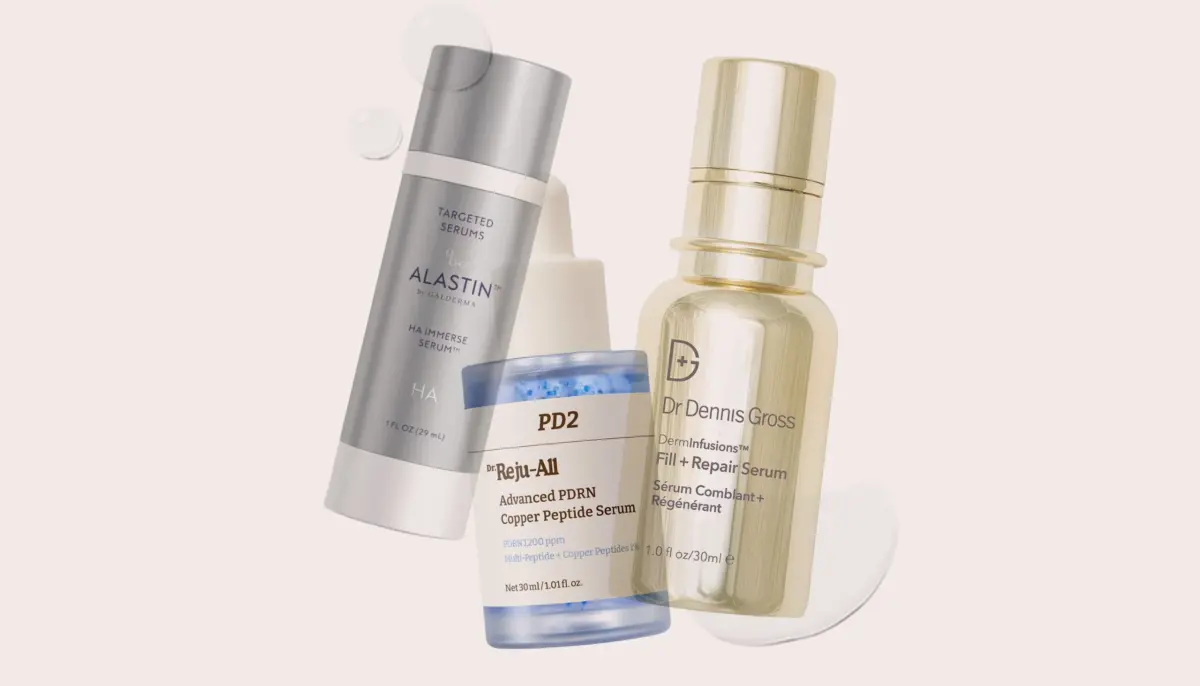
The beauty and dermatology markets feature an array of advanced formulations designed to target fine lines through distinct ingredient profiles. Among the top-rated options, Alastin’s HA Immerse Serum moves beyond standard hyaluronic acid formulations. By utilizing sodium hyaluronate and crosslinked hyaluronic acid, the serum binds water to the skin for an immediate plumping effect, while proprietary peptides encourage the skin’s natural production of high-molecular-weight hyaluronic acid and inhibit the enzymes responsible for breaking it down.

For individuals managing deeper wrinkles and expression lines, products like SkinCeuticals P-Tiox lean heavily on peptide complexes combined with polyhydroxy acids and niacinamide to soften the appearance of dynamic lines around the mouth and between the brows. Dermatologists frequently point to such serums as valuable complements to neuromodulator appointments or as alternatives during periods when injectables are not an option.
Luxury formulations also hold a prominent space in the category. SkinMedica’s TNS Advanced+ Serum utilizes tissue nutrient solution, a complex blend of growth factors and proteins derived from lab-grown human fibroblasts. These proteins act as cellular messengers to support skin repair and stimulate collagen and elastin production, backed by extensive clinical studies supporting firmer-looking skin over several weeks.

Meanwhile, addressing the specific concern of skin crepiness—which occurs when the skin’s elastic scaffolding loses its snap—requires targeted ingredients. Obagi’s ElastiDerm Firming Facial Serum employs a specialized bi-mineral complex of zinc, copper, and malonate to support healthy elastin development, helping thin and crinkled textures appear more resilient over time.
Other innovative approaches incorporate emerging scientific ingredients. Dr.Reju-All Advanced PDRN Copper Peptide Serum brings salmon-derived PDRN to topical skincare, aiming to support cellular renewal alongside signaling peptides and barrier-repairing niacinamide. Similarly, Medik8 Liquid Peptides Advanced MP Serum combines a complex of thirteen peptides with specialized microproteins designed to address both immediate surface hydration and long-term structural integrity.

Fast-acting options, such as Isdin Instant Flash Firming and Lifting Serum Ampoules, provide temporary lifting and radiance lasting up to eight hours through a blend of peptide Q10 and hyaluronic acid. For sensitive skin types, formulations like Dr. Dennis Gross Skincare DermInfusions Fill + Repair Serum combine multiple forms of hyaluronic acid with ectoin and niacinamide to plump the skin while simultaneously repairing the moisture barrier.
Expert Insights on Timing and Routine Integration
Topical wrinkle fillers serve as a game-changing addition for individuals experiencing dry, dull, or mature skin who desire a quick, temporary boost of radiance. Dermatologists note that individuals can begin gradually incorporating these products into their regimens as early as their mid-twenties, coinciding with the natural decline in collagen production that occurs at a rate of approximately one percent each year.

However, professionals stress that if fine lines and wrinkles are not yet a primary concern, there is no need to rush into specialized filler products. Building a foundational skincare routine centered around daily sunscreen, reliable moisturizers, antioxidants, and retinoids remains the most effective strategy for protecting and maintaining skin health over the long term.
Frequently Asked Questions
Do wrinkle filler creams really work?
Topical wrinkle fillers do deliver visible results, though they operate differently than injectable treatments. Dermatologists explain that while high-quality topical fillers successfully plump the surface layers of the skin, they cannot match the deep structural impact of injectable dermal fillers, which penetrate the deeper tissue layers.

How long do wrinkle fillers last?
The effects of over-the-counter wrinkle fillers are inherently temporary, typically lasting anywhere from a few hours to a single day. Despite their short duration, these products offer the distinct advantages of providing immediate effects, operating entirely without needles, and serving as a more accessible alternative to professional procedures.
What ingredients help fill wrinkles in topical products?
Formulations rely on a variety of active compounds to achieve a smoother appearance. Hyaluronic acid is prized for its exceptional moisture-retention capabilities, while antioxidants, niacinamide, and peptides work to improve texture and support collagen production. Additionally, emerging ingredients like argireline offer mild muscle-relaxing properties, and traditional over-the-counter retinoids help slow collagen breakdown while enhancing cellular turnover.