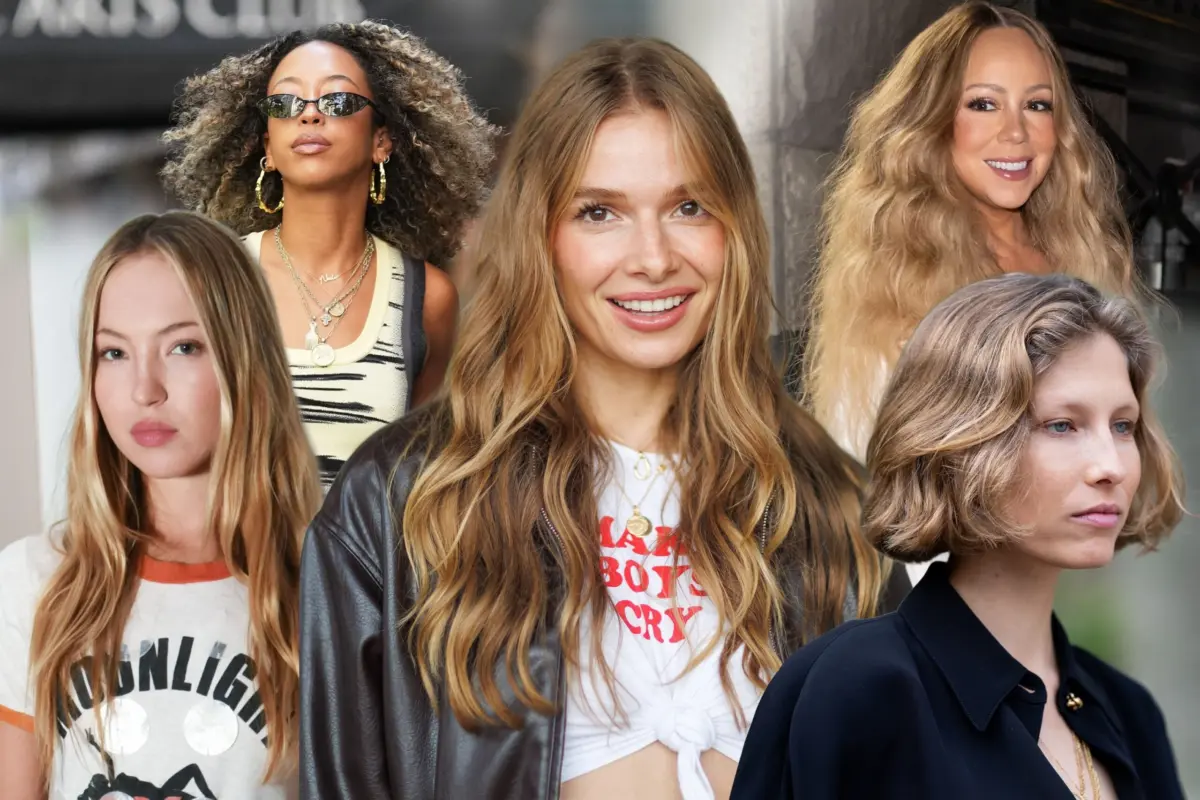
Crucially, opting for a balayage does not automatically mean committing to a subtle, barely-there blonde. Emaly Baum, a professional colorist and the founder of Beauty Supply in New York City, points out that public perception often confuses the technique with ombre or muted, understated shades. While balayage is frequently utilized to accomplish softened blondes or lived-in looks that appear naturally grown-out, Baum emphasizes that balayage is fundamentally a technique rather than a specific color outcome.

This versatility means clients can go significantly blonde using balayage methods; it is the strategic placement and expert blending that grants the color its signature softness. Whether a client is starting with a deep, dark brown hair base and desires strategically placed ribbons of blonde, or is already fairly light and simply wants a more multi-dimensional result, the service offers an immense degree of customization. Leading colorists across the country frequently field questions regarding what blonde balayage actually involves, who benefits from it most, how to communicate effectively in the salon chair, and how to maintain those coveted blonde pieces so they stay fresh, vibrant, and free of brassiness long after the initial appointment.
What is balayage and how is it different from traditional highlights?
From a technical standpoint, balayage is a highlighting technique rather than a standalone hair color. The French word has traditionally referred to hair being hand-painted freehand, which creates a much more customized distribution of lighter pieces throughout the tresses, though its definition has evolved considerably over time.

Ian McCabe, a professional colorist and owner of Navy in Washington, DC, explains that balayage originally meant painting highlights directly onto the strands without utilizing foils. In recent years, however, it has transformed into a broader catchall term for dimensional highlights designed to grow out with significantly more ease. This means a modern balayage service can occasionally incorporate foils alongside complementary methods such as back-combing to achieve a softer finish. Additionally, colorists often incorporate a root shadow to help create a gradual, seamless transition from a slightly darker shade near the scalp out into the lighter lengths, effectively blurring the stark line that typically separates natural hair color from blonde highlights.
The most prominent visual difference between traditional blonde highlights and a blonde balayage lies entirely in how the blonde transitions through the hair shafts. Traditional highlights generally maintain an even level of lightness running all the way from the root down to the ends, whereas balayage generates a distinct gradient effect. The ultimate objective is a deeply dimensional result characterized by a softer, more seamless grow-out phase.

Baum describes balayage as a technique that yields a much softer and more diffused look than traditional foil highlights, frequently mimicking the natural lightening effects of spending time in the sun. She reiterates that this softer appearance does not preclude a client from achieving a very bright blonde; rather, it simply ensures that the eventual grow-out phase looks considerably more natural and effortless.
Paige Van Ryswyk, a colorist and hairstylist at Scotch Bonnet Hair Studio in West Palm Beach, Florida, shares this perspective, noting that while balayage is exceptionally well-suited for a lived-in aesthetic, it does not rule out a high-impact, bright finish. According to Van Ryswyk, blonde balayage is simply the ideal choice for a low-maintenance client who wants maximum style with minimal upkeep. For anyone who has previously avoided the technique out of a fear that it will result in barely perceptible beige ribbons, the reality is far more flexible. Blonde balayage can be intensely blonde, yet it remains equally capable of delivering those subtle, understated tones for anyone who prefers a quieter look.

Who is blonde balayage best for?
One of the most compelling advantages of the balayage technique is its remarkable flexibility. Because the process is so highly customizable, Baum notes that it is suitable for the vast majority of people. It holds a particular appeal for individuals who prefer scheduling fewer salon appointments and wish to avoid dealing with an obvious, harsh line of demarcation as their hair grows. Clients seeking a blonde balayage are typically looking for an easier transition period and a reduced need for frequent root touch-ups.
Brunettes can certainly embrace blonde balayage, though the overall maintenance level depends heavily on how dramatic the transformation is intended to be. A client with a naturally dark base who wants a few dimensional blonde accents will experience a different salon journey than someone chasing an all-over very light blonde effect. Furthermore, a person’s starting color heavily influences which specific blonde tone makes the most practical and aesthetic sense. Van Ryswyk explains that if a client possesses an incredibly dark base color, a platinum blonde balayage will likely not complement their features as harmoniously as a dimensional bronde look would.

This professional nuance does not mean that dark-haired clients are entirely excluded from getting a blonde balayage. Instead, it highlights the importance of an thorough initial consultation focused on discovering a blonde tone that cooperates gracefully with the client’s existing hair color, rather than treating inspirational photographs from social media as an absolute guarantee of what can be accomplished in a single session.
How do you get blonde balayage?
When preparing for a blonde balayage appointment, bringing reference photos is encouraged, but clients should avoid simply showing a picture to their colorist and demanding an exact replica. A successful salon visit involves talking through the specific elements of the photo that appeal to the client and listening carefully when the colorist explains what is structurally and chemically feasible for their hair type. Decisions must be made regarding whether the blonde should be concentrated densely around the face, kept lighter through the mid-lengths and ends, styled into a subtle and sunny effect, or designed with a bold contrast against the natural base while leaving the roots mostly untouched. Every single one of these choices dictates how the colorist will approach the application.

Van Ryswyk stresses that regardless of the desired overall aesthetic, the primary goal is to establish enough seamless blending that the client does not feel an urgent need to rush back to the salon before their next scheduled visit. For an especially low-maintenance result, the colorist can strategically preserve the natural roots, whereas a brighter finish may require more intensive lightness and contrast distributed throughout the head. There is no single correct version of a blonde balayage; there is only the specific version tailored to fit an individual’s hair integrity and their personal willingness to maintain it.
How do you maintain blonde balayage?
Maintenance for a blonde balayage differs significantly from traditional highlighting methods. Van Ryswyk typically advises clients to book follow-up appointments every three to six months, a stark contrast to the standard six to eight-week schedule required for highlights that extend all the way to the scalp. While the primary beauty of balayage lies in its ability to withstand longer stretches of time between professional visits, an intentional at-home hair care routine remains critical for preserving the look.

All of the colorists emphasize the fundamental importance of washing the hair with a gentle, color-safe shampoo paired with a deeply nourishing, moisturizing conditioner. Baum recommends products like the Röz Foundation Shampoo and Conditioner, noting that they leave the hair feeling thoroughly clean and adequately hydrated without weighing the strands down with an overly heavy formula.
Incorporating leave-in treatments into a post-wash routine is another vital step, particularly formulas that offer thermal defense if the hair is subjected to heat styling rather than air-drying. McCabe advises always utilizing a heat protectant spray when operating a blow-dryer or hot styling tools, and stresses the importance of keeping those tools set to lower temperatures to prevent burning the hair, which can prematurely accelerate fading or unwanted discoloration. For this purpose, he recommends the Milbon Color Retaining Primer, which also provides a layer of defense against environmental UV exposure. To maintain optimal moisture levels, McCabe suggests integrating a restorative hair mask, such as the Davines Nounou Mask, into the routine on a weekly or bi-weekly basis.

For an extra layer of upkeep, professionals often recommend incorporating an at-home hair gloss, even if it is simply a clear formula. Baum explains that a gloss can be immensely beneficial for keeping a balayage looking freshly treated and brilliantly shiny, frequently suggesting a clear version of Glaze Supergloss to her clients to help restore natural movement and dimension to the highlights, while noting that tinted options like Vanilla Lights can assist in neutralizing stubborn brassiness.