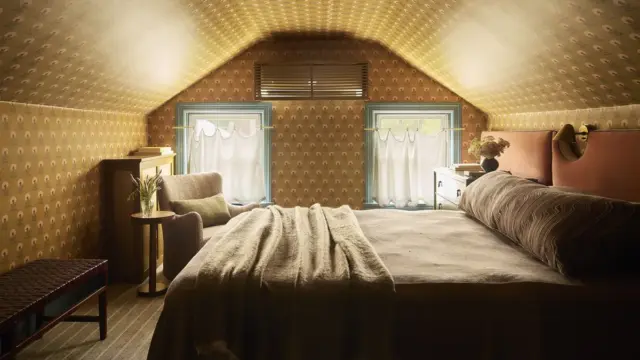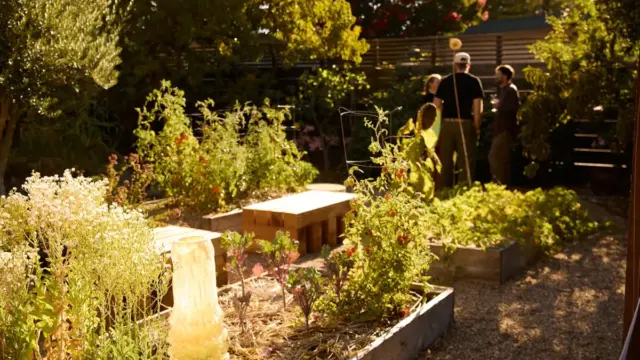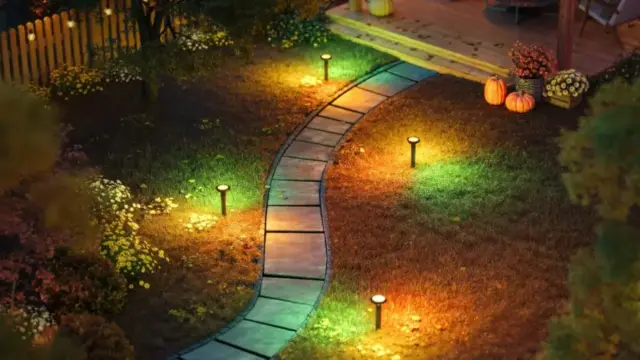
Yet, for the millions of people who live alone, a pressing question is beginning to overshadow that traditional hospitality: What happens to the other 350 days of the year when nobody is sleeping in that room?
According to the newly released 2026 Taskrabbit Trend Report, a growing number of solo dwellers are answering that question by reclaiming their square footage. Instead of preserving a permanent shrine to occasional visitors, people living by themselves are increasingly transforming their spare bedrooms into spaces dedicated entirely to their own personal interests, creative pursuits, and daily wellness routines.
The shift is captured in striking metrics released by the task-based platform. Over the past year, Taskrabbit has recorded a massive 90 percent year-over-year surge in bookings related to the construction and setup of podcast studios. Home gyms have followed closely behind with a 59 percent increase in demand, while dedicated saunas are up 35 percent, and craft rooms have seen a 33 percent jump.
Industry analysts and lifestyle researchers have coined a term for this broader cultural movement: "The Independent Home." In this new paradigm, solo dwellers are fundamentally rethinking their relationship with residential space. Rather than viewing their current home as a temporary waystation, a rental holding pattern, or a practice run on the inevitable path toward a future shared household with a partner or roommates, individuals are choosing to heavily invest in their immediate living environments.
When a homeowner or renter does not have to negotiate design choices, layout compromises, or storage allocations with anyone else, the domestic possibilities open up dramatically. The home ceases to be a compromise and becomes a pure reflection of the occupant’s lifestyle, career, and hobbies.
This evolution in home usage does not necessarily require massive structural overhauls or expensive specialty installations like home recording booths or cold plunges, though those are certainly having a moment. For many solo occupants, a spare bedroom is evolving into a dedicated theater room for immersive movie watching, a quiet reading retreat lined with floor-to-ceiling bookshelves, a sewing and textile workshop, or simply an expansive art studio where creative endeavors can be left out on a table without the constant pressure of cleaning up before dinner.
Design professionals note that this trend highlights a pragmatic rebalancing of domestic priorities. While the desire to host remains strong, modern urban and suburban dwellers are realizing that residential real estate is simply too valuable to remain dormant for the vast majority of the year. Extra square footage can successfully bridge the gap between occasional hosting duties and the daily pursuit of personal passions.
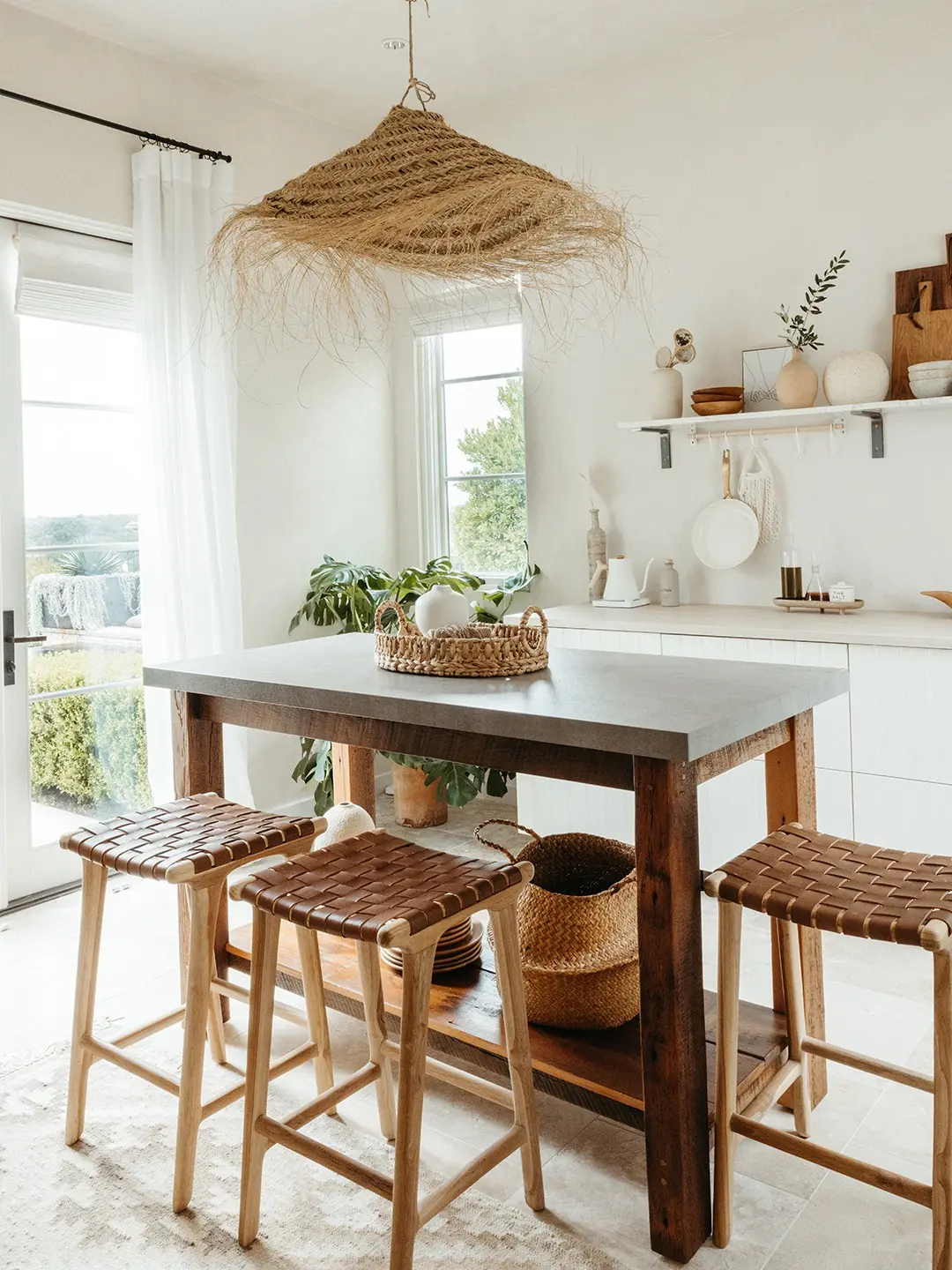
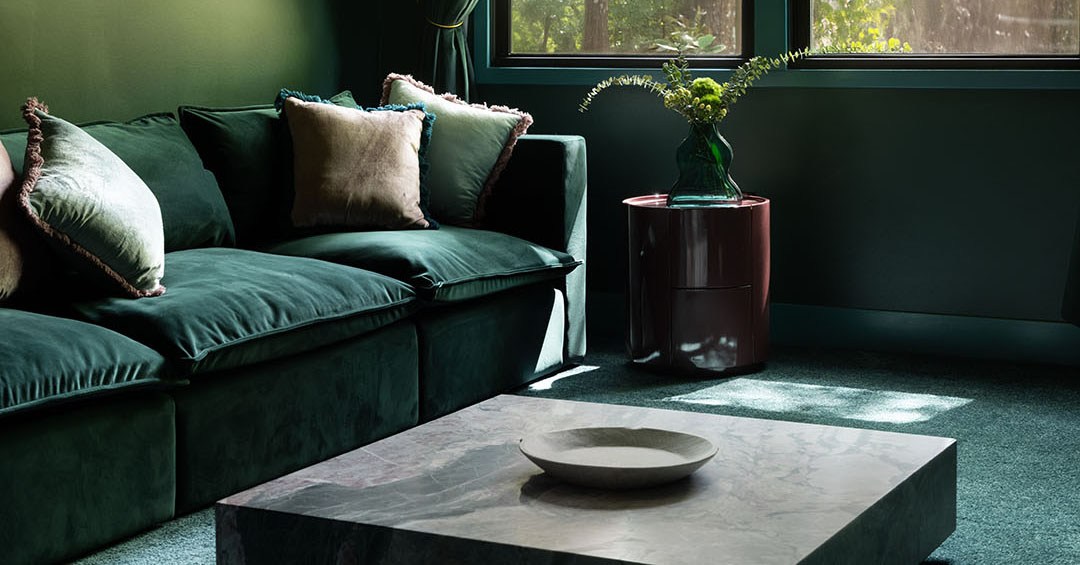
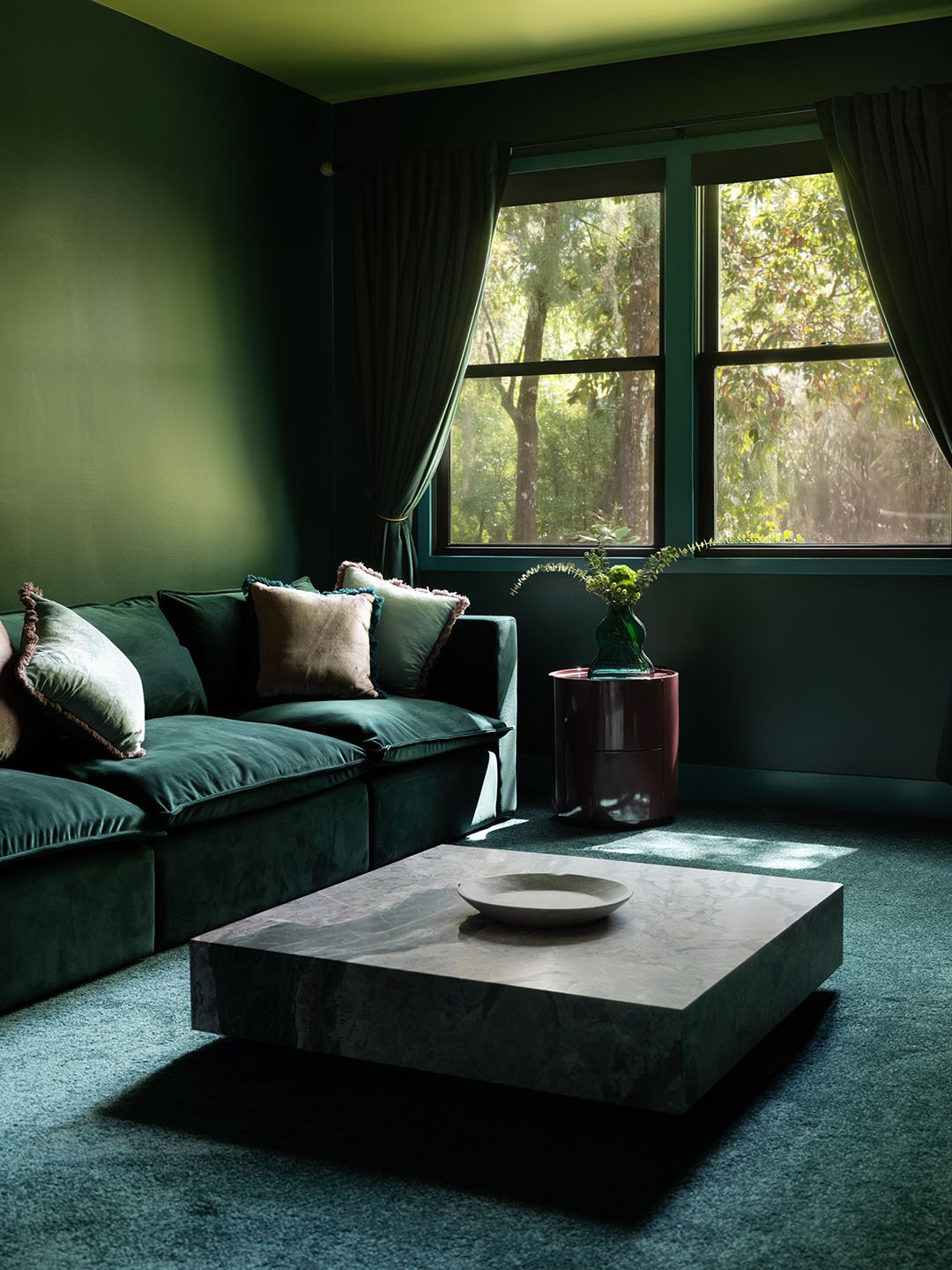
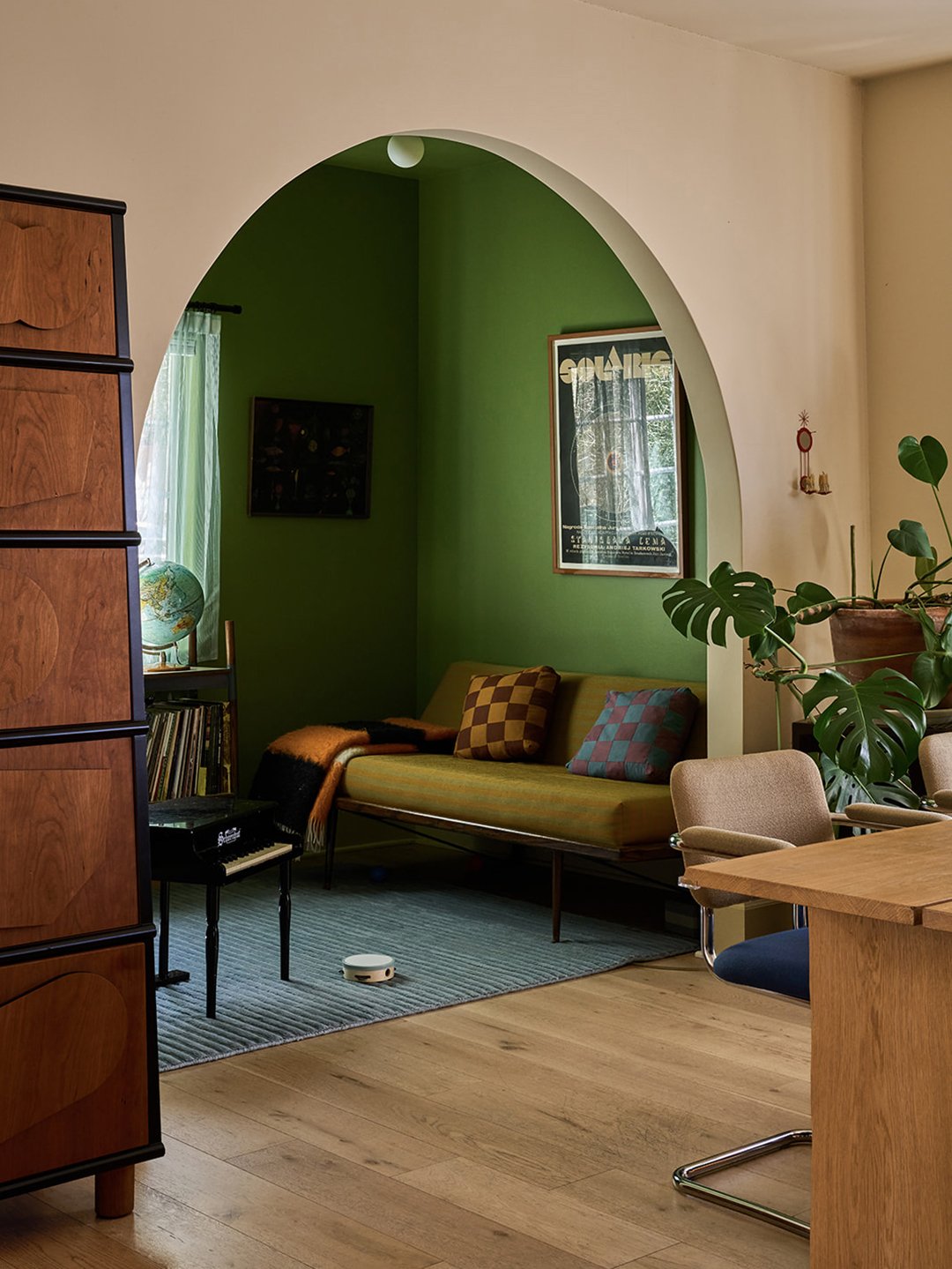
Practical examples of this trend are playing out across homes nationwide. In Florida, creative homeowners are swapping out traditional guest beds for moody, immersive home theaters wrapped in rich, dark color palettes. In Los Angeles, awkward architectural nooks and spare alcoves are being carved out into dedicated music and listening rooms outfitted with acoustic paneling and vinyl storage. Meanwhile, lifestyle figures and designers, such as Camille Styles, have famously documented the conversion of underutilized guest rooms into fully functional creative studios complete with partial kitchens and specialized work islands.
Ultimately, the 2026 trend report underscores a broader cultural acceptance of solo living as a permanent, fulfilling lifestyle choice rather than a transitional phase. As more people embrace the freedom of living alone, the traditional layout of the American home is quietly shifting to accommodate the individual, proving that sometimes the best room in the house is the one designed entirely for oneself.