According to a recent survey from Rocket Mortgage, an overwhelming 93% of prospective homebuyers are actively looking for properties with a dedicated dining space specifically intended for hosting guests. This statistic reflects a broader shift in residential design. While open-concept layouts dominated the market for decades, the current movement favors spaces that offer intentionality and a break from the constant visual exposure of an integrated ground floor.
However, today’s iteration of the dedicated dining room bears little resemblance to the formal, stiff spaces of previous generations. Those mid-century or Victorian-era rooms often sat completely untouched for eleven months out of the year, reserved solely for major holiday meals while everyday life happened around a kitchen island. In contrast, contemporary dining rooms are designed to be lived in, utilized frequently, and integrated seamlessly into the rhythm of daily life—whether that means hosting a long weekend dinner party, setting up a board game, or grabbing a quiet moment with a book.
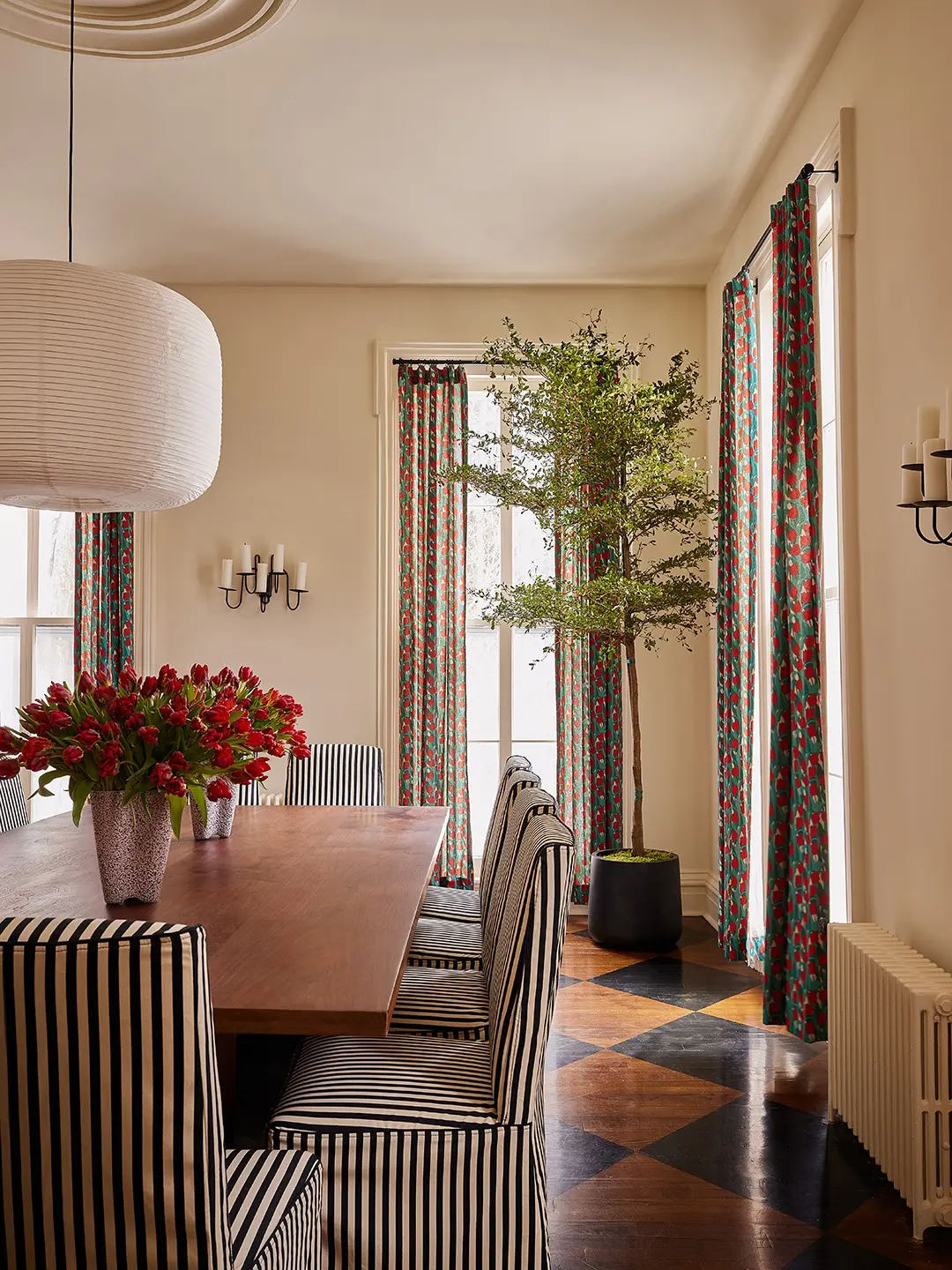
Designers and homeowners across the country are reinterpreting the traditional dining room through varied creative lenses. In the Hudson Valley, cookbook author and creative Dan Pelosi enlisted designer Nick Spain to shape a dining room built explicitly for large gatherings and shared meals. Flooded with natural light and layered with rich colors and patterns, the space is engineered to make lingering around the table the focal point of the home. Rather than hiding the dining table away, Pelosi’s space embraces it as a vibrant hub of daily activity and hospitality.
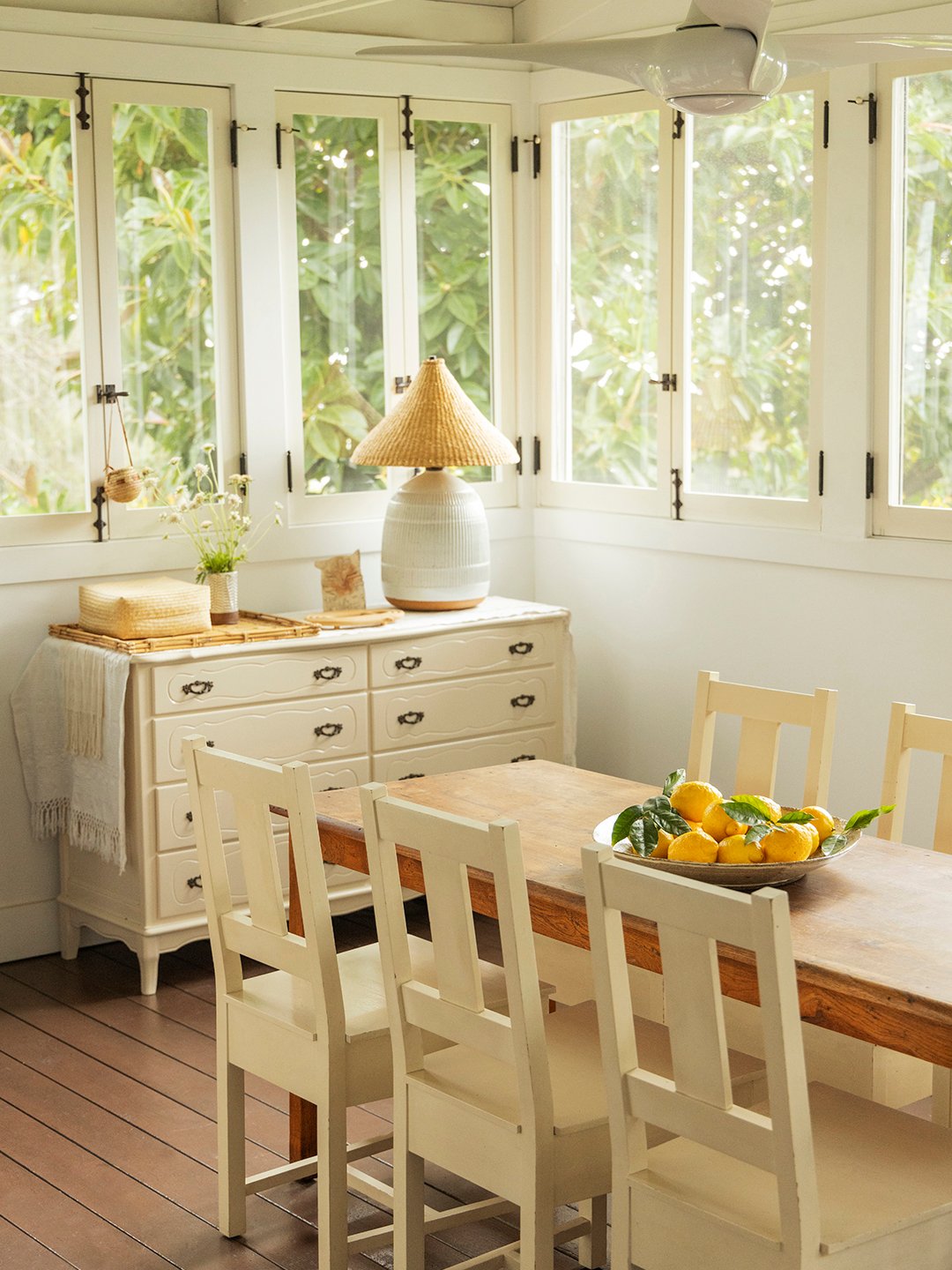
In other homes, the dining room serves as an exercise in atmosphere. In the former Manhattan apartment of Brett Heyman, founder and designer of Edie Parker, the dining space breaks away from the vibrant, high-energy explosions of color found in the rest of the residence. Instead, Heyman opted for a moodier aesthetic where flora and fauna motifs mingle with art collected from multiple eras. The result is an enveloping, intimate environment tailored specifically to long, unhurried dinners that stretch long after dark.
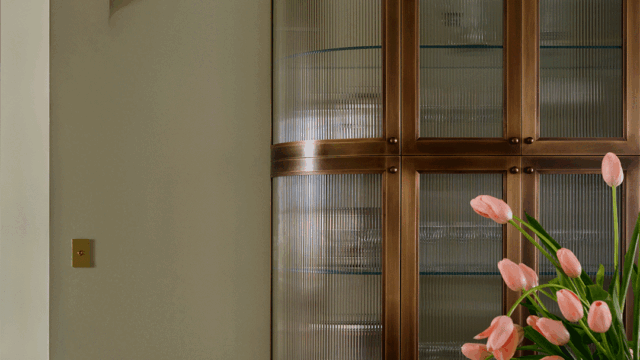
Architectural quirks are also being leveraged to enhance the functionality of these dedicated spaces. When writer, producer, and director Meredith Chin purchased a Spanish-style home in Venice, California, she collaborated with interior designer Mat Sanders to transform its layout into a creative haven. In the serene dining area, which provides a bright visual contrast to the home’s dark kitchen, Sanders converted an existing shelving niche into an integrated bar. Complete with a custom fluted-walnut cabinet, glass shelving, and an integrated sconce, the built-in bar highlights an emerging perk of having a room dedicated entirely to entertaining rather than splitting space with food preparation or television viewing.
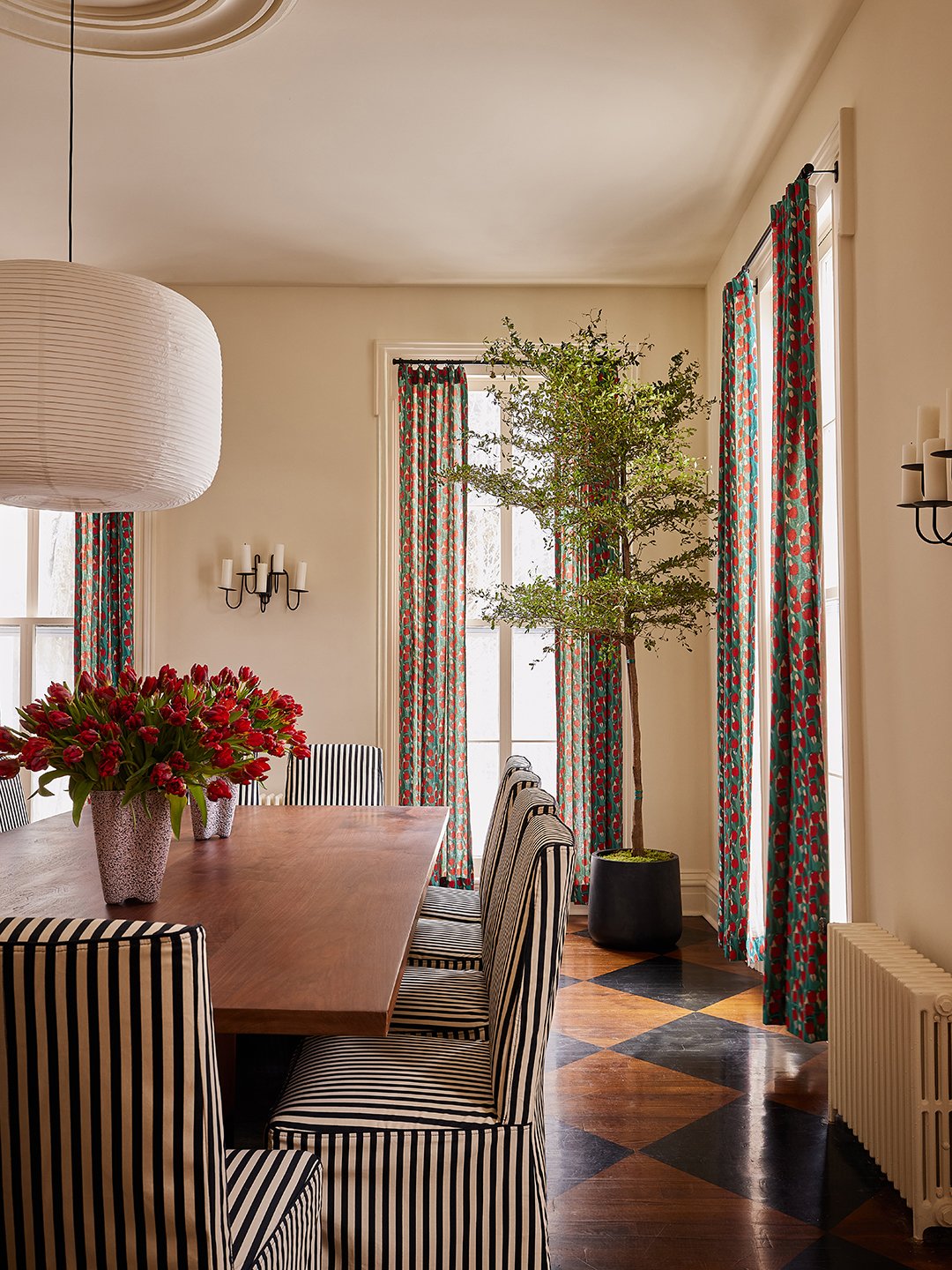
Preservation and historic character are similarly driving the return of distinct dining spaces. When chef-turned-designer Sara Manning took on a Vermont Victorian home, she resisted the urge to modernize the layout by tearing down interior walls or opening up the floor plan. Instead, she chose to lean into the home’s historical architecture, commissioning artist Anne Meredith to wrap the dining room walls in a custom mural inspired by Josef Frank fabric. By maintaining the room’s boundaries, Manning created a distinct spatial experience that celebrates the heritage of the home while establishing a striking backdrop for meals.
Flexibility is another hallmark of the modern dining renaissance. In Los Angeles, fashion designer Clare Vivier updated the dining area of her Craftsman home, which she has owned for more than two decades. Swapping out an old dark-brown paint color for a soft, reflective white that complements the natural sunlight pouring into the space, Vivier also added a functional layout detail tucked into the corner: a chaise lounge with adjustable arms that can flatten completely. The addition acknowledges the realities of modern hosting, allowing guests to transition effortlessly from the dining table to a horizontal resting spot without leaving the room.
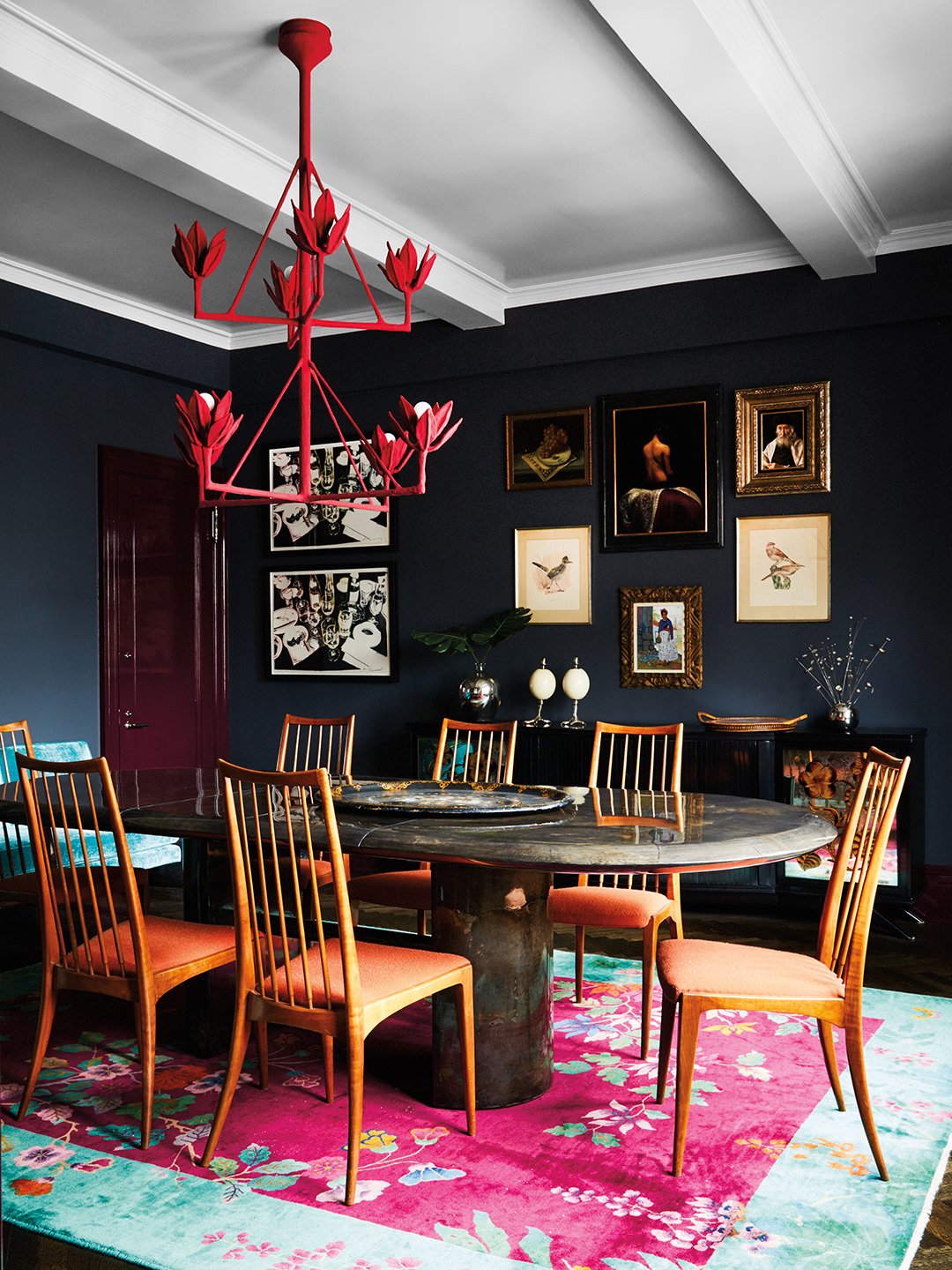
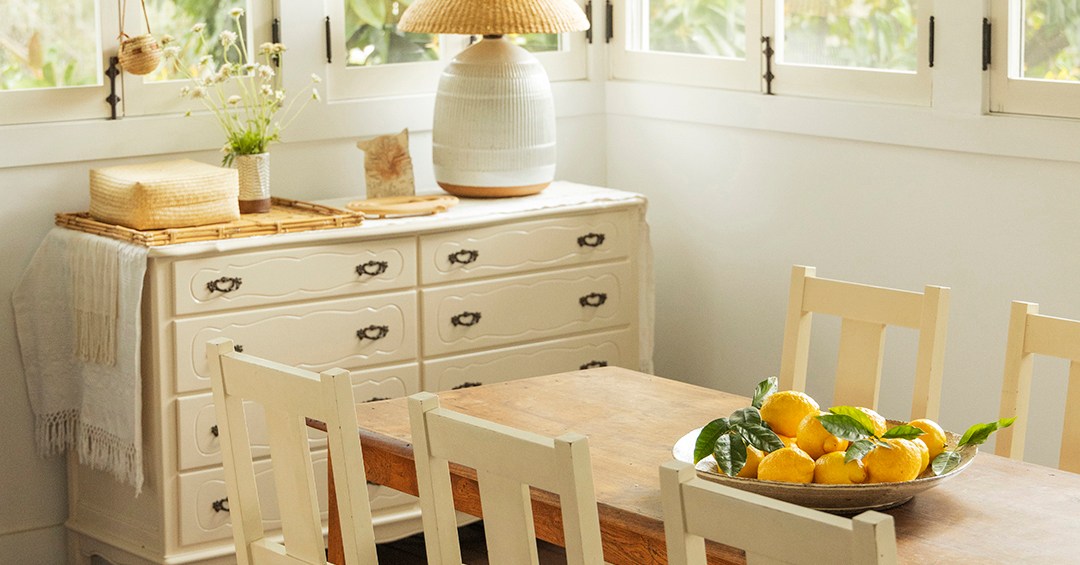
Similarly, in her Hudson Valley home, design director Brit Ashcraft has curated a dining space that stretches far beyond the traditional boundaries of mealtime. The room features a large central table for gathering, a cozy chair designated for reading, and a nearby dresser stocked with bar essentials alongside a bowl of dice for impromptu games. By blending dining, lounging, and recreation into a single defined footprint, Ashcraft’s home challenges the notion that a formal room must be strictly limited to a single function.
As the real estate market continues to reflect shifting consumer preferences toward cozy, defined spaces, the dedicated dining room is shedding its reputation as a stuffy relic. Supported by strong buyer demand and creative design strategies, the space where people gather to break bread is once again claiming its rightful, independent place in the American home.