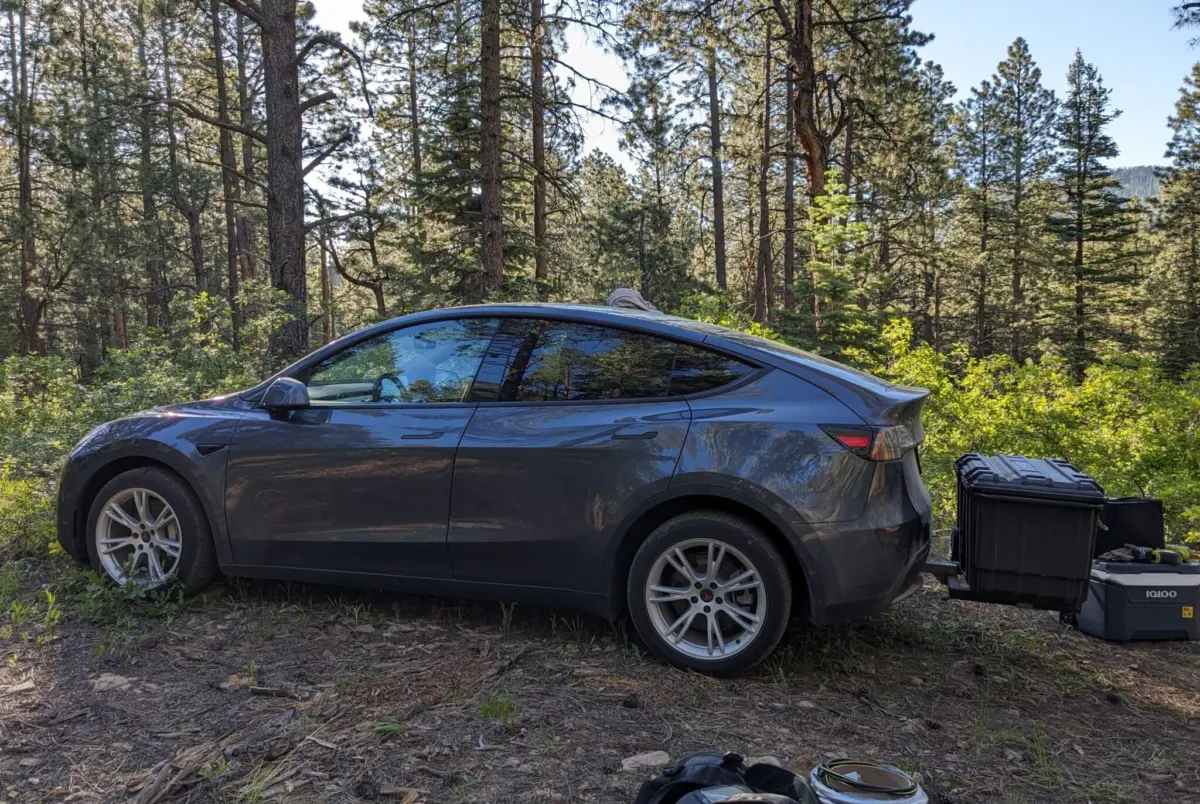
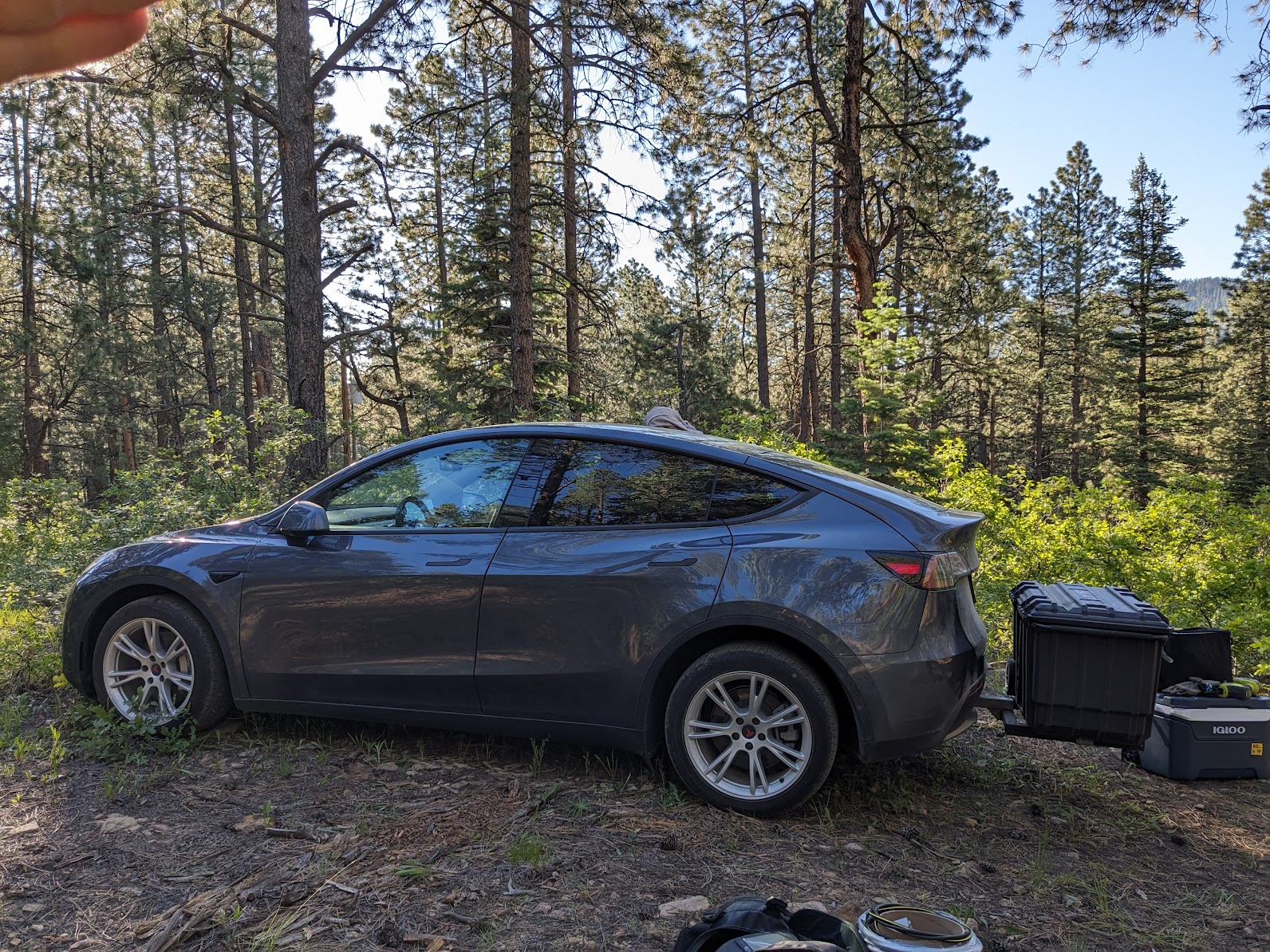
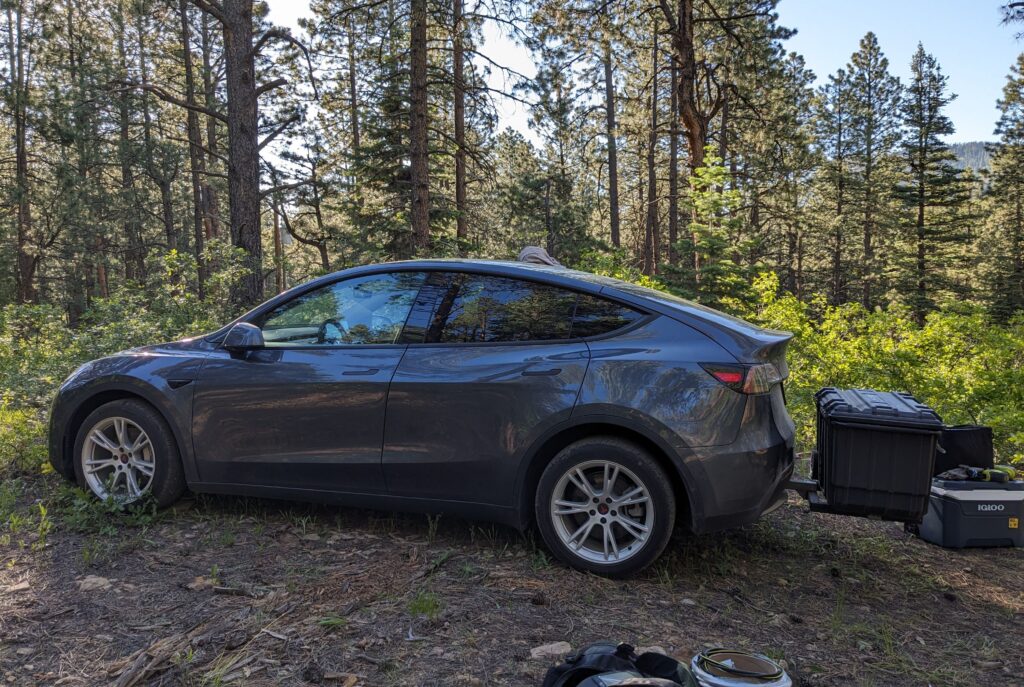
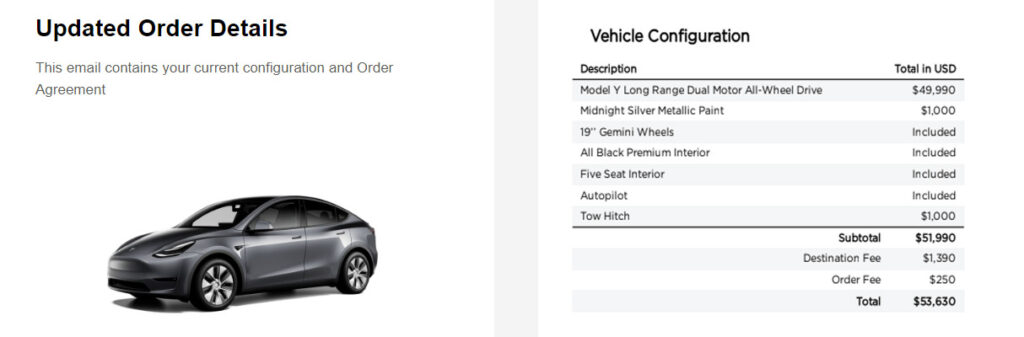
The luxury electric crossover, loaded with all-wheel drive, lightning-fast acceleration, seating for seven, and advanced computing technology, carries a net cost of approximately $52,000 after taxes and credits. For a man famous for surviving on a fraction of that, the price tag is staggering—especially when compared to the vehicle it replaces. His previous transport, a classic Honda minivan bought off Craigslist for $4,500 twelve years ago, faithfully served him across mountains, deserts, and neighborhood home-rebuilding projects until a final transmission failure on a mountain pass sealed its fate.
To critics who might view the purchase as a betrayal of frugal principles, the blogger maintains that his core philosophy remains unchanged. It was this exact financial discipline that enabled him to achieve early retirement 18 years ago, securing the freedom he enjoys today. Furthermore, this mindset allowed him to procrastinate on purchasing an expensive electric vehicle for four years, resisting the constant urging of friends and internet followers to loosen his purse strings and treat himself.
However, a deeper reflection on long-term wealth management revealed a recurring psychological barrier. Drawing on the wisdom of the adage "What got you here won’t get you where you’re going," he highlights how lifelong habits of frugality can quietly curdle into an unhealthy scarcity mindset. A routine trip to a local grocery store brought this tension into sharp focus. Standing in the bakery aisle, he was hit by sticker shock at a loaf of artisanal bread priced at $6.99—nearly double what he was accustomed to paying at a bulk warehouse.
His initial reaction was a familiar internal battle: questioning the pricing, considering boycotts, and searching for cheaper substitutes. But after exhausting his mental options, he arrived at a realization familiar to many affluent retirees. He recognized that worrying over a couple of dollars on a loaf of bread or a modest restaurant bill serves no practical purpose when one’s overall financial house is entirely secure. Conversations with peers who share similar financial backgrounds revealed that even individuals with net worths several times higher face the exact same psychological friction when trying to spend money on themselves, despite being exceptionally generous with charitable causes and friends in need.
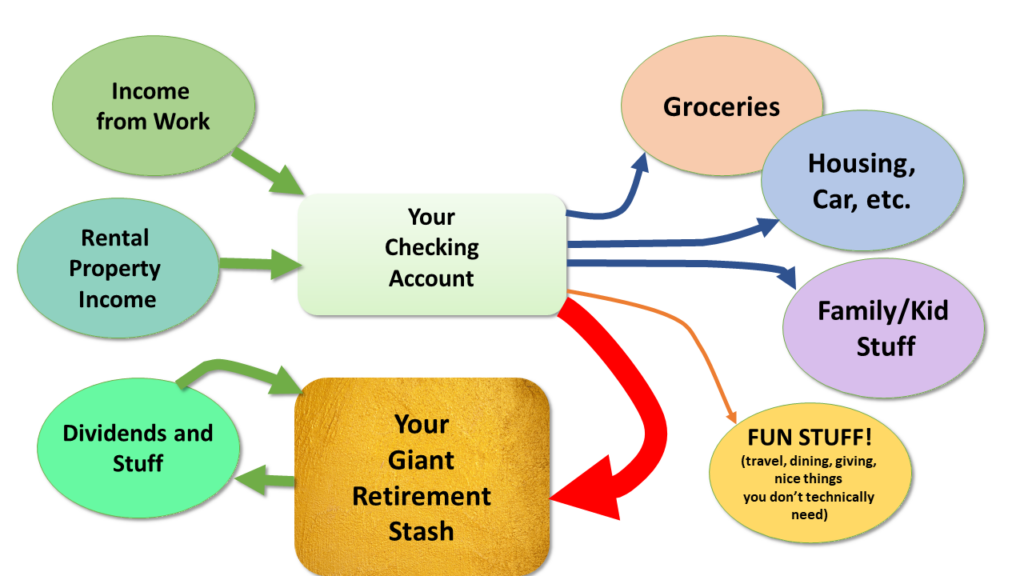
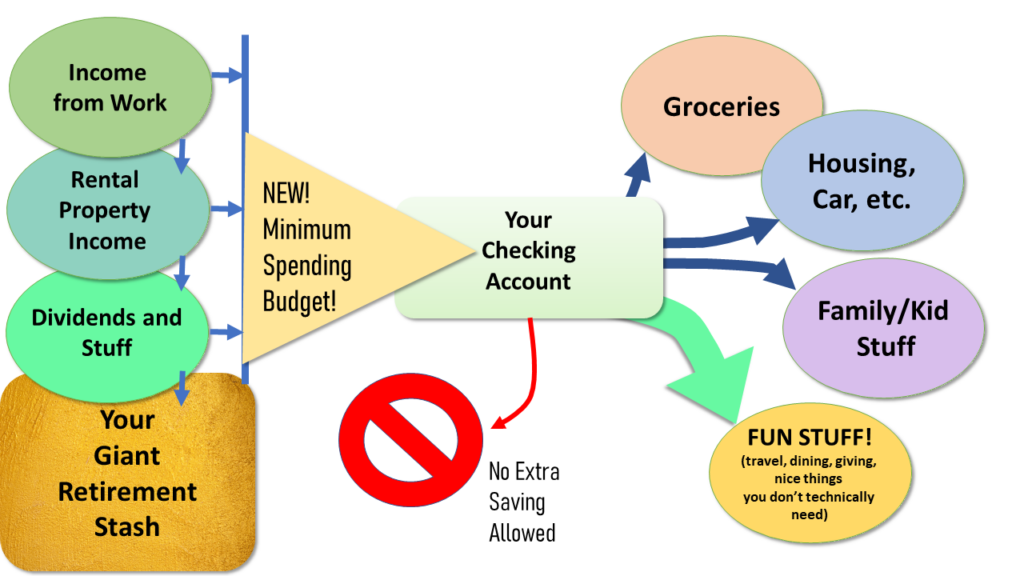
To address this internal resistance, the blogger and his peers formulated three guiding principles designed to help lifelong savers enjoy their life savings while they are still alive. The first concept centers on establishing a realistic minimum spending budget. For individuals who have amassed a substantial portfolio—such as a $2 million nest egg—adhering to conservative financial withdrawal strategies like the four percent rule suggests they could safely spend up to $80,000 per year. Yet, many disciplined savers continue to live on $40,000 or less out of sheer habit, funneling surplus income into an already massive financial stash while keeping their discretionary spending restricted.
The second principle involves creating a dedicated spending account specifically earmarked for guilt-free indulgence. Drawing a parallel to the psychological ease of spending corporate money on a business trip without seeing the final bill, the strategy is designed to reframe personal funds so that spending them feels natural rather than agonizing. The third principle emphasizes the value of a splurge accountability buddy. By surrounding oneself with peers who understand the psychological hurdles of transitioning from accumulation to enjoyment, savers can actively challenge each other’s cheap habits and encourage well-deserved splurges.
For Mr. Money Mustache, the decision to purchase the Tesla serves as the starting point for this experiment in intentional spending. Realistically, a $50,000 vehicle is projected to increase his annual transportation costs by about $10,000 compared to his old van. Because his spending deficit was already significantly higher than that figure, the upgrade is viewed as a manageable and deliberate step forward. More importantly, the vehicle’s primary purpose—facilitating camping trips, road adventures, and visits to a vacation rental property in Salida, Colorado—aligns directly with his desire to prioritize experiences, travel, and social connection.
Addressing potential criticisms regarding luxury spending while global and local needs remain vast, the blogger acknowledges the ongoing importance of philanthropy. Over the years, he has donated over $500,000 to charitable causes. Yet he notes that an overemphasis on extreme frugality can create a counterproductive mental feedback loop, where even minor personal expenditures are weighed against massive charitable donations, triggering an irrational fear of financial ruin.
Ultimately, the experiment advocates for a balanced middle ground. While remaining responsible stewards of life savings and giving generously to charity, individuals are encouraged to recognize that setting aside a portion of earned wealth for personal enjoyment and the comfort of loved ones does not make them irresponsible. Whether it is paying extra for better seating on an airplane, choosing convenience over minor savings, or finally embracing modern electric vehicle technology to navigate mountain passes without the noise and strain of the gasoline era, the goal is to align financial capability with a higher quality of daily life.
To document this transition, the blogger has launched a dedicated tracker page titled "The Model Y Experiment" to share ongoing insights, maintenance findings, and ownership experiences. Meanwhile, his trusty old Honda van found its final resting place through an online salvage service, fetching a modest cash payment that was promptly spent on celebratory dinners out, bringing the philosophy of intentional spending full circle.