Historically, working from the road meant hunching over tiny tables in hostel common rooms or engaging in frustrating disputes with Airbnb hosts who enthusiastically swore their internet connection was exceptionally fast, only for the renter to discover it could barely load a basic email. These friction points often transformed what should have been an exciting adventure into a logistical headache, forcing remote workers to choose between professional productivity and genuine immersion in foreign cultures.
However, as remote work expanded dramatically in the wake of the global pandemic, a substantial shift took place within the hospitality and housing sectors. A wave of specialized coliving spaces emerged worldwide, engineered specifically to bridge the gap between the isolated functionality of traditional remote setups and the vibrant social atmosphere of a hostel, while entirely omitting the cramped dorm-style basic amenities. These properties were intentionally designed for digital nomads seeking a high-quality temporary home where they could efficiently manage their careers while simultaneously forging connections with fellow travelers—combating the profound isolation that frequently accompanies working remotely on an individual basis.
At the forefront of this movement stands Outsite, currently the largest and most popular platform catering to remote professionals seeking this hybrid lifestyle. Featuring an extensive portfolio of beautifully appointed locations scattered across the globe, the network has become a primary case study for how the travel industry is adapting to the permanent rise of location-independent careers. Recent experiences at properties such as the house in Bordeaux, France, highlight how these spaces operate on the ground, shedding light on their distinct advantages, operational realities, and overall value proposition for contemporary travelers.
What is Outsite?
Founded in 2015, Outsite operates as a global network of integrated coliving and coworking spaces tailored specifically for remote workers, location-independent entrepreneurs, and digital nomads. The enterprise had modest beginnings, originating as a single house in Santa Cruz, California, created for individuals who wanted to combine their passion for surfing with the demands of full-time employment. Over the ensuing years, the concept scaled significantly, expanding to encompass more than 5,000 members and a network of over 50 distinct destinations worldwide.
While the platform is accessible to any traveler looking for accommodation, establishing a formal membership unlocks a wider array of perks and considerably more favorable nightly rates. Users can choose between an annual membership fee of $199 or a one-time lifetime membership payment of $499. The benefits associated with these tiers include exclusive access to members-only locations, a complimentary week of stay in newly launched destinations, substantial discounts during flash sales, reduced rates for extended stays of 30 days or more, curated networking events and mixers, an internal job and sublets board, and various lifestyle perks designed to ease the friction of constant mobility.
Utilizing the platform remains straightforward. Prospective guests browse the network’s digital interface, applying filters based on geographic destination or the specific ambient vibe they desire—ranging from coastal beach retreats to vibrant urban centers or tranquil mountain hideaways—before securing a private room for their designated dates.
How Does Outsite Work?
In practice, Outsite functions much like a hybrid between a boutique hotel and a professional coworking facility. When booking a stay, travelers reserve a private bedroom. While the majority of these rooms feature dedicated en-suite bathrooms, a selection of more budget-friendly rooms utilize a shared bathroom configuration shared with at most one other guest.
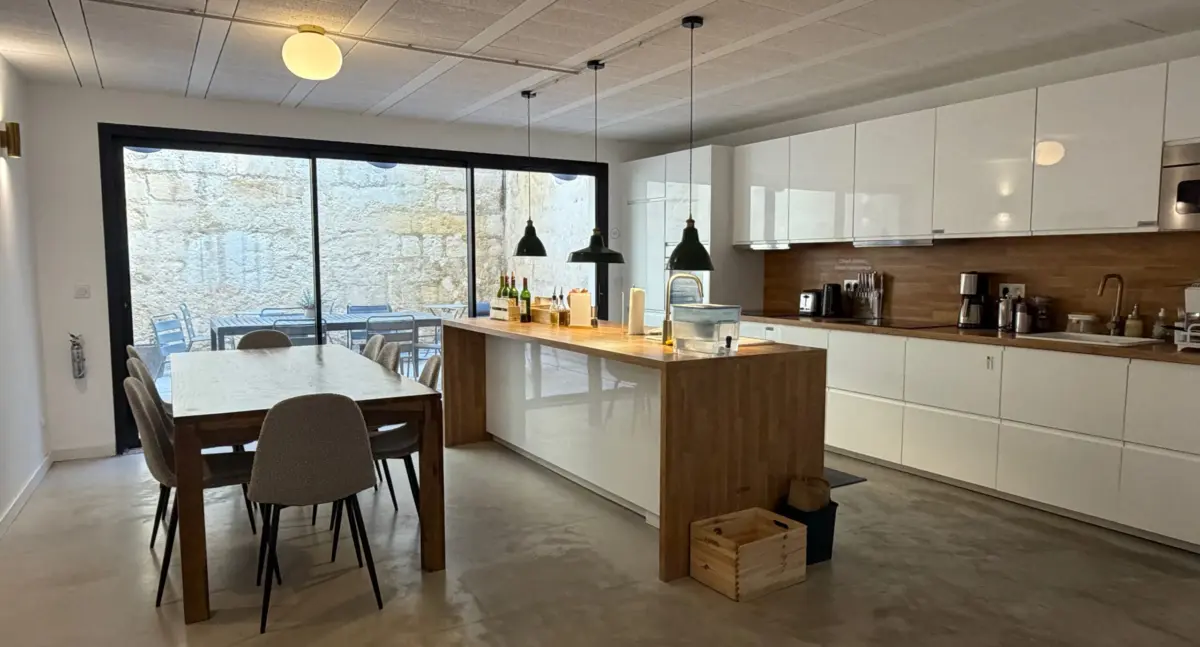
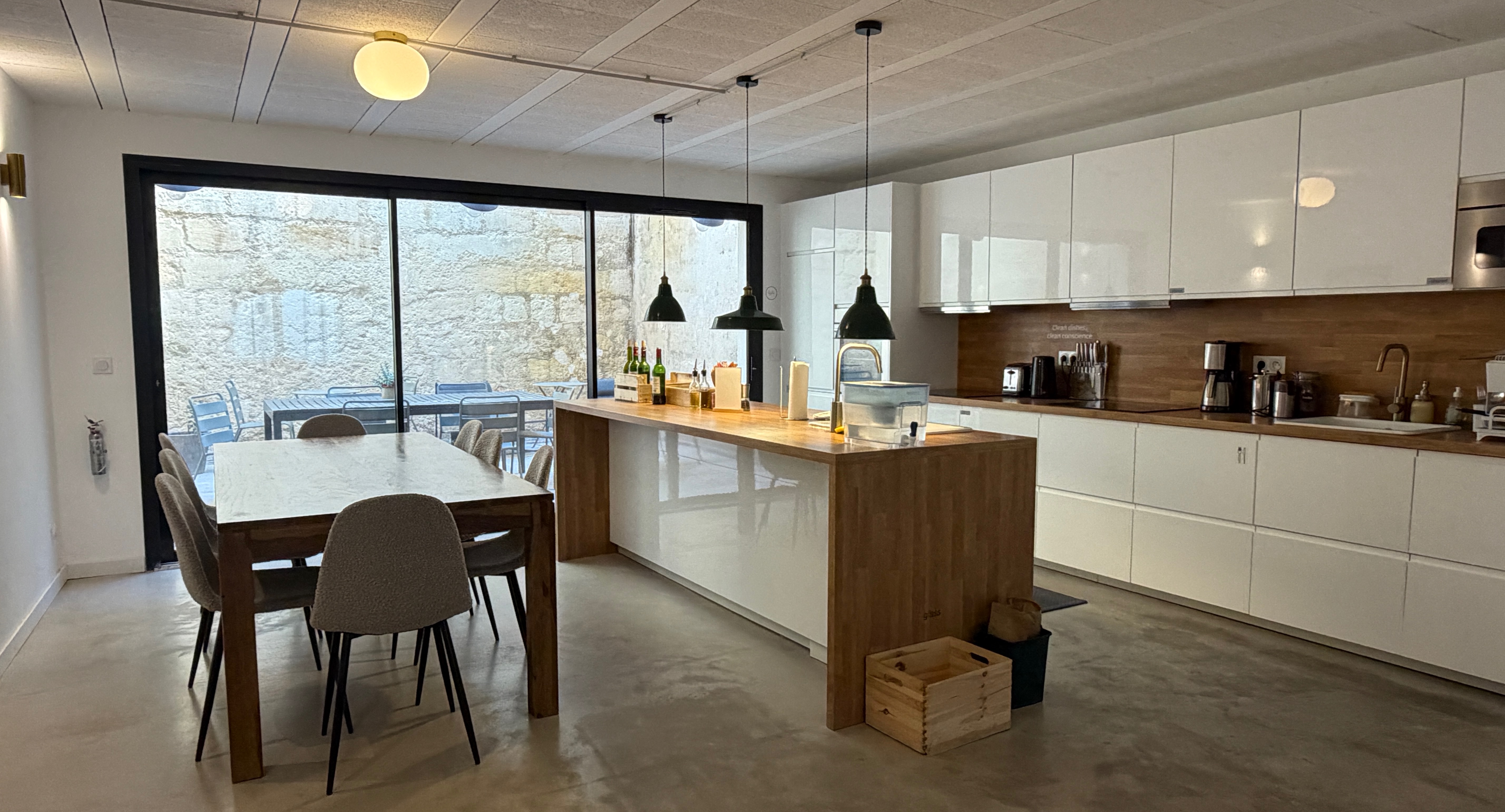
Every property within the network features expansive, meticulously furnished communal areas. Residents gain access to fully equipped chef-style kitchens that far surpass what an individual worker could typically afford or maintain within a standard solo Airbnb rental. Additionally, the properties boast spacious living rooms, outdoor patios, and frequently amenities such as rooftop decks or swimming pools, varying by geographic location.
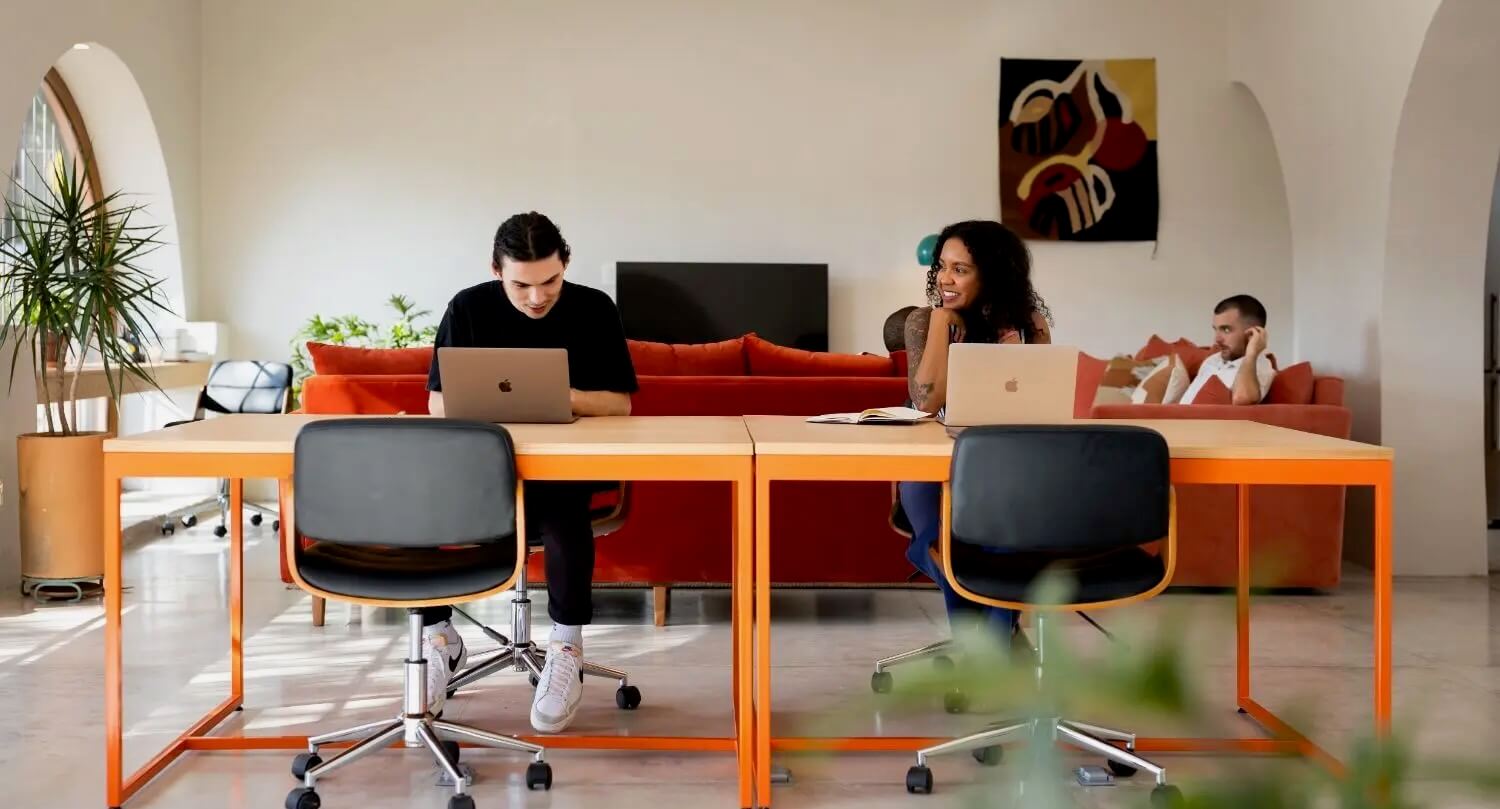
Crucially, every single property integrates a dedicated coworking space directly into the physical layout of the house. These designated work zones are outfitted with ergonomic chairs, abundant electrical outlets, external monitors available for connection, and enterprise-grade, blazing-fast Wi-Fi. This architectural integration allows a remote worker to wake up, prepare morning coffee, and transition to a proper, professional desk capable of facilitating deep focus within minutes of leaving their bedroom.
Beyond the physical workspace, the platform places heavy emphasis on curation and community building. Each location employs a dedicated Community Manager whose role extends far beyond standard hospitality management. Prior to arrival, incoming guests are integrated into a local WhatsApp group, facilitating instant communication. The management team orchestrates a steady rotation of weekly events, including family-style communal dinners, group weekend excursions, Friday evening tapas crawls, and morning wellness sessions, providing structured avenues for guests to integrate socially.
Furthermore, the community manager serves as an invaluable local resource. During stays such as the one in Bordeaux, these onsite representatives provide insider tips, recommend exceptional dining establishments, and offer immediate assistance with any logistical questions that arise during a guest’s tenure.
What Makes These Spaces Appealing
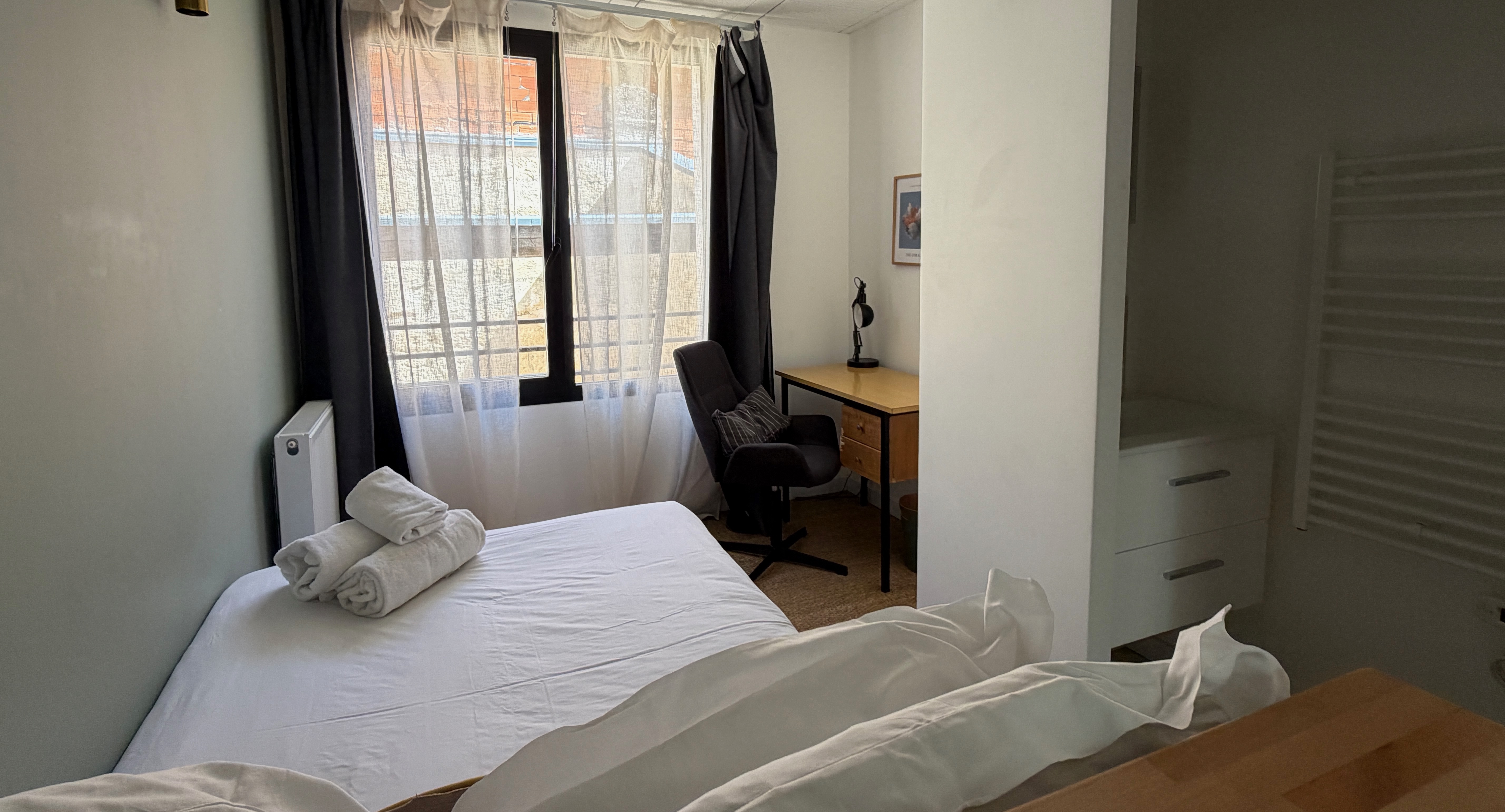
The primary draw for many visitors lies in the exceptional quality of the properties themselves. The Bordeaux location, for example, featured contemporary interior design, comfortable task seating, dedicated laundry facilities, and a compact onsite fitness area. Guest rooms offered private workspaces, high-quality mattresses, and modern bathrooms equipped with exceptional water pressure.
The shared kitchen facilities stood out for their cleanliness, maintained by daily cleaning services, and their generous counter space. Such amenities make preparing elaborate meals practical and enjoyable, complemented by the complimentary coffee and tea provided continuously to all residents. The overarching design philosophy leans heavily into natural lighting, abundant indoor greenery, and localized art, deliberately avoiding the sterile, corporate aesthetic typical of traditional business hotels and creating an atmosphere akin to staying at the home of a successful, design-conscious friend.
Nevertheless, for most long-term users, the defining advantage remains the social dimension. Remote work is inherently solitary, often leaving individuals confined to hotel rooms or isolated coffee shops with little opportunity for organic interaction. Outsite surrounds workers with peers who understand the unique realities of location-independent careers. Unlike traditional backpackers who might question why a traveler remains glued to a laptop screen during daylight hours, fellow guests at coliving spaces share the dual mandate of maintaining professional output while enjoying leisure time. With many visitors committing to stays of two weeks or longer, and supported by community-led weekend programming, the environment naturally fosters lasting professional and personal bonds.
Considerations and Practical Realities
Despite the clear benefits, prospective guests must weigh several practical factors before booking. Most notably, these spaces do not cater to budget-conscious backpackers accustomed to nominal nightly rates in shared hostel dormitories. Guests pay a clear premium for private accommodations, guaranteed professional infrastructure, and curated social networks. However, financial calculations often demonstrate that when the cumulative cost of renting a standard Airbnb is combined with a monthly membership fee at a separate external coworking space, coliving networks frequently emerge as a comparable or even cost-effective alternative.
Additionally, high demand means popular properties book out months in advance. Travelers seeking specific seasonal experiences, such as spending peak summer months in Lisbon or escaping winter in Costa Rica, must plan their itineraries well ahead of time, leaving little room for spontaneous travel adjustments at premier locations.
Logistical guidelines also shape the experience. While membership is not mandatory to make a reservation, frequent travelers find the annual fee quickly offsets the cost through reduced nightly rates. Age demographics tend to skew older and more professional than typical youth hostels, primarily attracting working adults in their late twenties, thirties, and forties. Minimum stay requirements generally sit at two nights for standard properties to accommodate weekend travelers, though specific legal constraints in major metropolitan areas like New York City may necessitate minimum stays of 30 days. Finally, pet policies are restrictive; to maintain shared living standards and prevent allergy issues in communal kitchens and living areas, most locations maintain a strict no-pets policy.
Ultimately, platforms like Outsite demonstrate how modern travel infrastructure is adapting to the permanent integration of remote work into the global economy, proving that maintaining a career while exploring the world no longer requires sacrificing personal comfort, professional productivity, or a vibrant social life.