

For nearly two decades, the upsides of this lifestyle have been well documented by the author. Having the freedom to raise a son from the day of his birth through adulthood without compromise is an achievement beyond measure. Thousands of hours have been dedicated to deeply valued pursuits, including family, health, friends, travel, construction projects, and writing. Yet, underneath the surface of this idyllic life lies a subtle, paradoxical flaw—the reality of never having to do anything one does not want to do.
To the average observer navigating the daily grind of a traditional career, total freedom paired with financial security sounds like the ultimate dream—a non-stop playground of self-actualization. However, reality proves more complex. Freedom and financial independence tend to magnify a person’s inherent strengths and weaknesses, creating a vast spectrum. At one extreme lies complete stagnation on the couch, while at the other sits the creation of massive nonprofit organizations dedicated to global advancement.
For a long time, achieving a healthy balance came naturally. The early years of active fatherhood were intense, yet they left ample room to build and restore neighborhood houses, travel extensively, produce media content, and author hundreds of articles. In recent years, however, a noticeable deceleration occurred. Focusing on demanding tasks became increasingly difficult. Instead of bouncing around construction sites or immersing oneself in writing, the pull of the couch and afternoon digital distractions grew stronger, accompanied by a persistent wish for more energy and focus.
To combat this sluggishness, a deep dive into health and wellness was initiated, exploring daily habits and the dangers of excessive comfort. While this research yielded valuable knowledge and practical strategies, a familiar cycle emerged. Effective habits would be adopted, work temporarily, and then gradually fade as the brain invented subtle excuses to abandon consistency. Ultimately, a critical realization surfaced: the primary advantage of early retirement was being inadvertently weaponized as a tool to avoid tasks that simply felt unappealing in the moment.
The core issue centers on how freedom is utilized. Freedom serves a profound purpose when it spares an individual from a grueling early-morning commute and a rigid office routine, but that same freedom is squandered if the resulting hours are spent passively while responsibilities are neglected. Without intentional direction, the absence of obligation leads straight to procrastination on tasks that require planning, energy, and focus—even when those exact activities are the ones that foster genuine enjoyment and well-being.
Physical fitness offers a clear illustration of this behavioral trap. Acknowledging that regular workouts provide a high return on investment by elevating every other aspect of life is one thing; consistently executing them is another. The traditional internal dialogue often involves waiting for the perfect alignment of weather, energy levels, and scheduling. When those immaculate conditions fail to materialize consistently, workouts become sporadic, resulting in lackluster fitness outcomes.
Breaking this cycle requires a fundamental shift in perspective. Instead of negotiating with hesitation through elaborate preparations, recognizing the exact moment of reluctance transforms it from a trigger for excuses into an immediate catalyst for action. Counterintuitive as it may seem, leaning directly into the friction of unwanted tasks provides the ultimate antidote to procrastination. Hesitation, while uncomfortable, can effectively serve as a rigorous life coach when properly understood.

Using Extreme Inspiration as Fuel
Discussions with peers about this phenomenon revealed a stark division in perspectives. Roughly half of those consulted shared similar struggles with underachievement and a desire to accomplish more. The other half viewed such concerns with disbelief, already juggling multiple children, running businesses, and training for grueling athletic endurance events. While the schedules of high-achieving overachievers appeared overly stressful and unappealing, their criticisms highlighted the excessively relaxed nature of an underactive retirement routine, suggesting that both lifestyles could benefit from shifting toward a healthier middle ground.
The true catalyst for change, however, arrived through external inspiration rather than peer feedback. Exposure to extreme endurance athlete David Goggins via podcast interviews offered a radical perspective on human limits. Having endured severe childhood trauma and psychological obstacles, Goggins’ response has been a relentless pursuit of extreme physical and psychological hardship. From surviving near-death experiences during Navy SEAL training to running hundreds of miles without sleep and breaking world records for pull-ups, his feats far exceed conventional expectations of human capability.
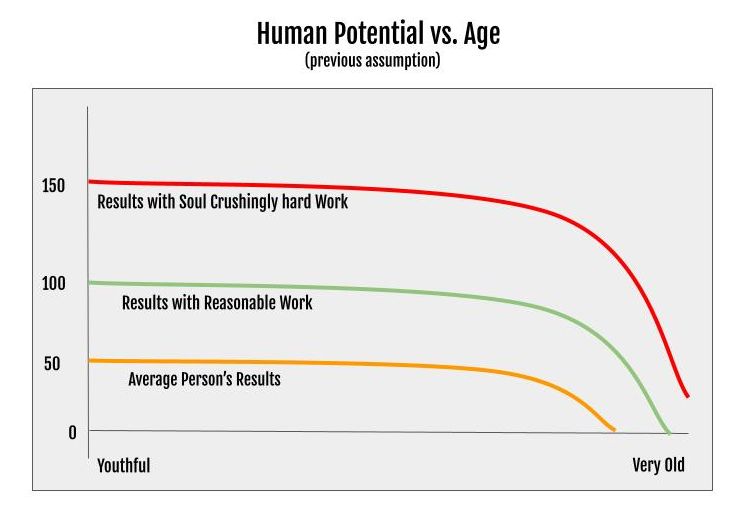
While adopting the Goggins lifestyle in its entirety is neither practical nor desirable for most, his journey powerfully demonstrates that physical barriers are overwhelmingly mental rather than structural. Rather than viewing life through the lens of rigid, immutable limitations, recognizing that the vast majority of obstacles exist purely within the mind opens up new possibilities for personal agency.
Ongoing Inspiration and Transformation
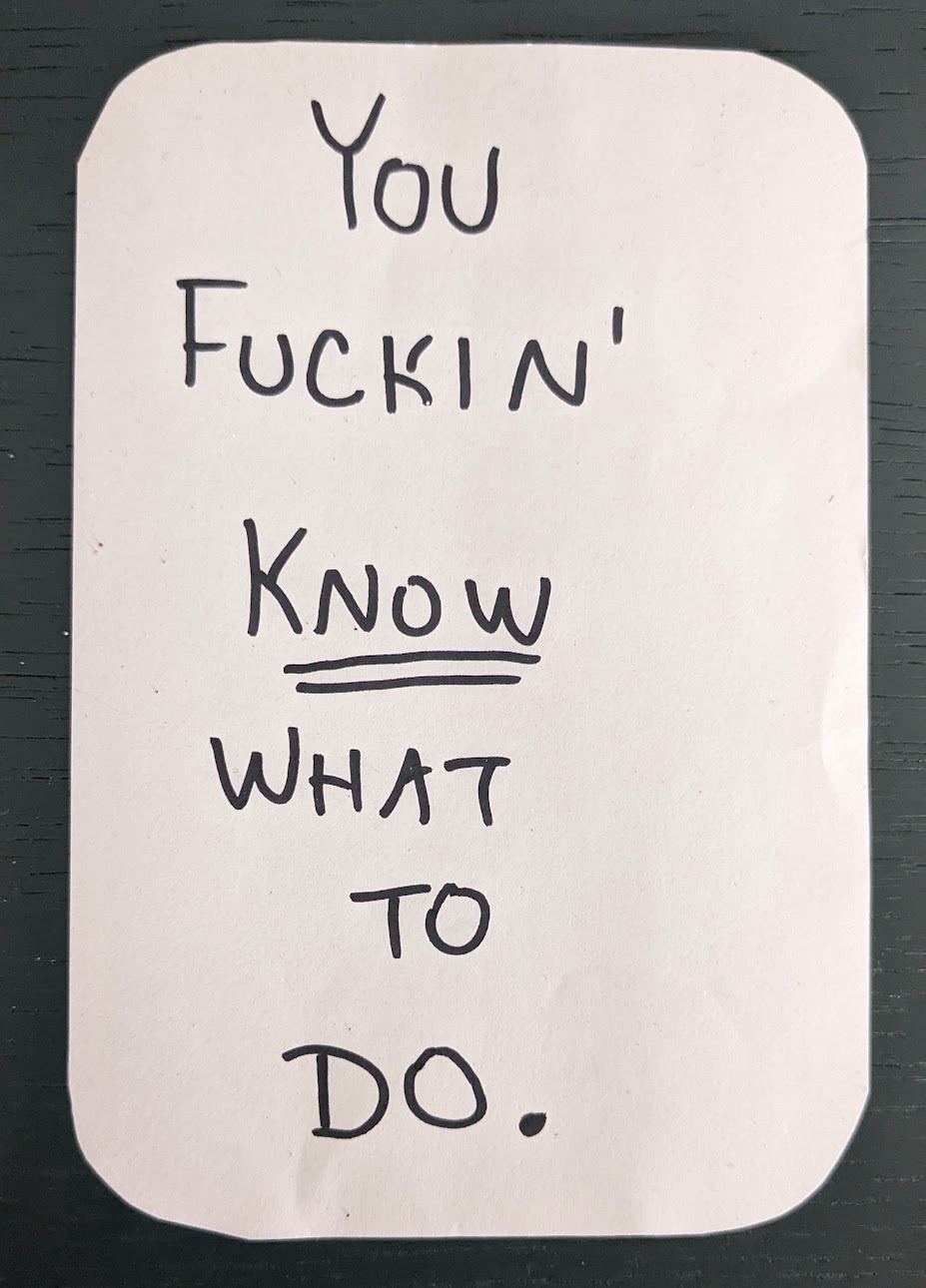
Armed with this renewed mindset, simple yet potent reframing techniques were immediately put into practice. A concise reminder scribbled on a cardstock note posted to the bathroom mirror served as an ongoing prompt to bypass internal debate. This immediate pivot from hesitation to action revolutionized daily routines, particularly regarding physical training.
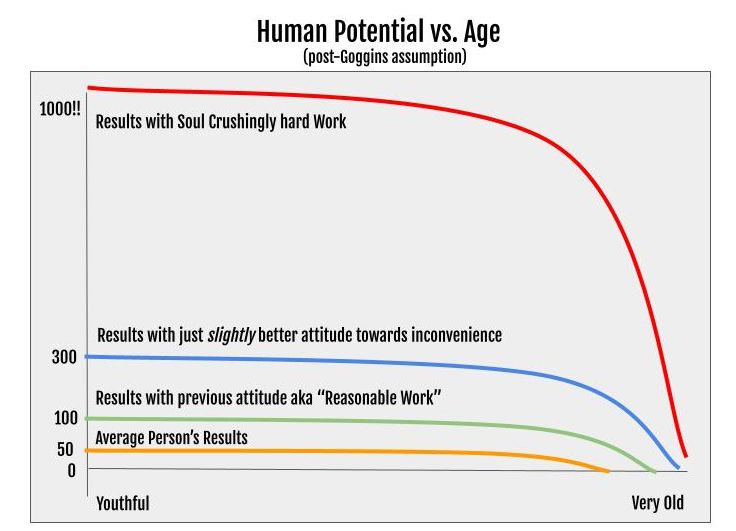
By removing the condition that workouts required a specific mood or perfect moment, consistency skyrocketed. Over the course of four months, this renewed commitment resulted in tangible physical gains, including significant lean mass acquisition and a marked return to youthful strength, joint mobility, and flexibility. The same principle of confronting hesitation was successfully applied to cardiovascular training, professional writing commitments, and community engagement.
Sustaining this momentum requires regularly returning to sources of inspiration. Immersing oneself in audiobooks and literature focused on extreme accountability, health optimization, and leadership helps maintain a high level of daily execution. While critics often debate the cultural merits of modern motivational media, extracting the practical elements that drive personal accountability proves invaluable. For those navigating the later stages of life or the unique freedoms of retirement, finding reliable sources of energy and motivation remains a powerful tool for unlocking potential and making the most of every day.