In the modern landscape of personal finance commentary, few figures occupy as polarizing a space as Peter Adeney, better known to millions of digital readers as Mr. Money Mustache. For over a decade, Adeney’s blog has served as a cultural touchstone for the Financial Independence, Retire Early (FIRE) movement, advocating for radical self-sufficiency, bicycle commutes, and intense frugality. However, as his net worth has naturally expanded alongside the compounding returns of his early investments, a distinct wave of online criticism has emerged from former followers.
Critics increasingly argue that the financial icon has grown too wealthy and comfortable to genuinely understand the contemporary economic struggles of everyday people. Skeptics frequently claim that Adeney likely abandoned the rigorous, money-saving principles he long championed once his personal balance sheet reached affluent levels.
Yet, rather than retreating from the public eye, Adeney has responded directly to these assertions, laughing off the conspiracy theories and offering a detailed look at his current, everyday life. He maintains that while his total wealth has grown steadily over the past twelve years—a trajectory shared by many dedicated readers of his platform—his fundamental approach to daily spending has remained largely unchanged because he originally designed his lifestyle to be genuinely enjoyable rather than purely restrictive.
To understand the enduring success of what practitioners call "Mustachianism," Adeney contrasts his philosophy with standard financial advice. Mainstream planning typically encourages individuals to slash spending and endure short-term sacrifices until they hit a specific savings percentage, treating any subsequent income as a license to adopt higher-end consumption. In contrast, the Mustachian philosophy emphasizes cultivating a deep appreciation for efficiency, creativity, self-awareness, and continuous self-improvement. By applying these traits, proponents aim to enrich their daily existence even as their monthly expenses steadily decline over time.
In practice, this philosophy translates into a series of conscious daily choices that simultaneously yield substantial financial savings and personal fulfillment. Adeney argues that critics looking into his real life would find a routine built around practical self-reliance, utilizing a metric he frequently recommends to his audience: thinking in terms of decades. By applying the "rule of 172"—multiplying a monthly expense by 172 to estimate how much that sum would compound into over ten years if invested—the long-term financial impact of everyday habits becomes strikingly clear.
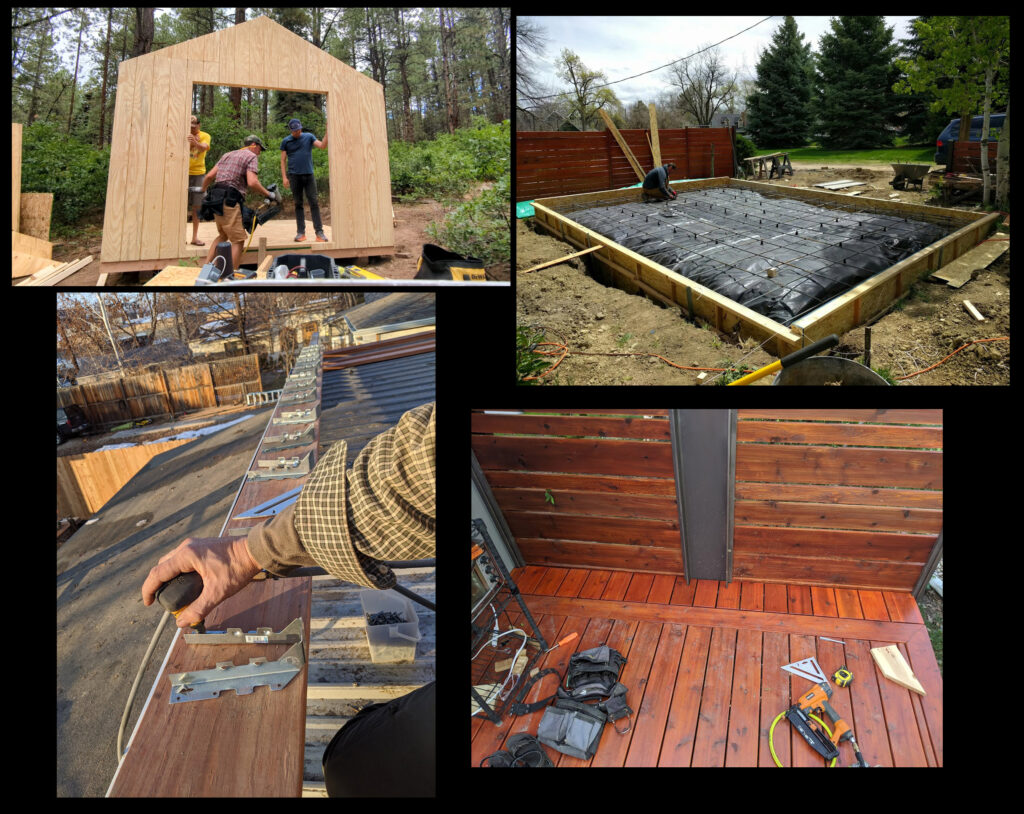
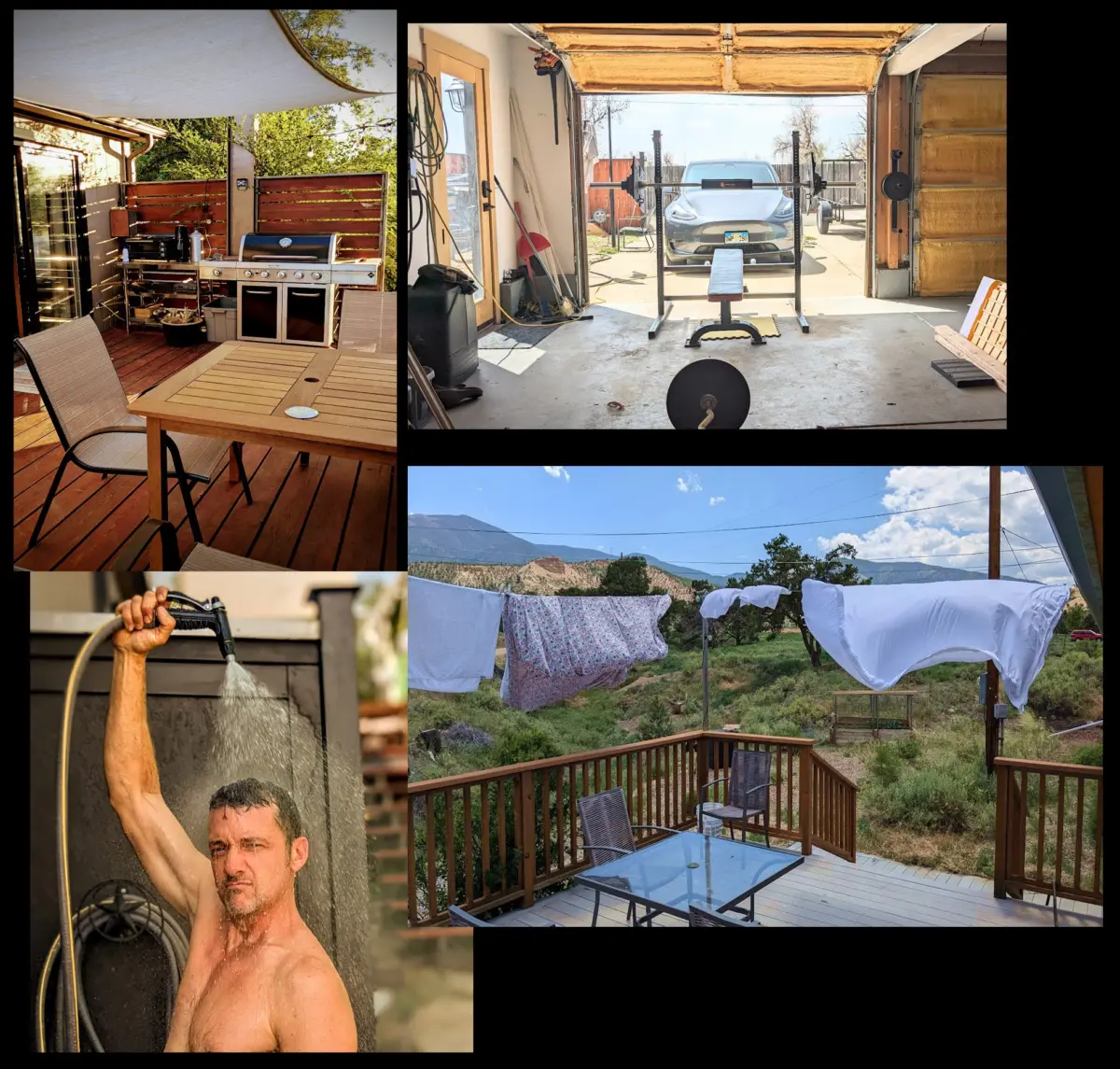
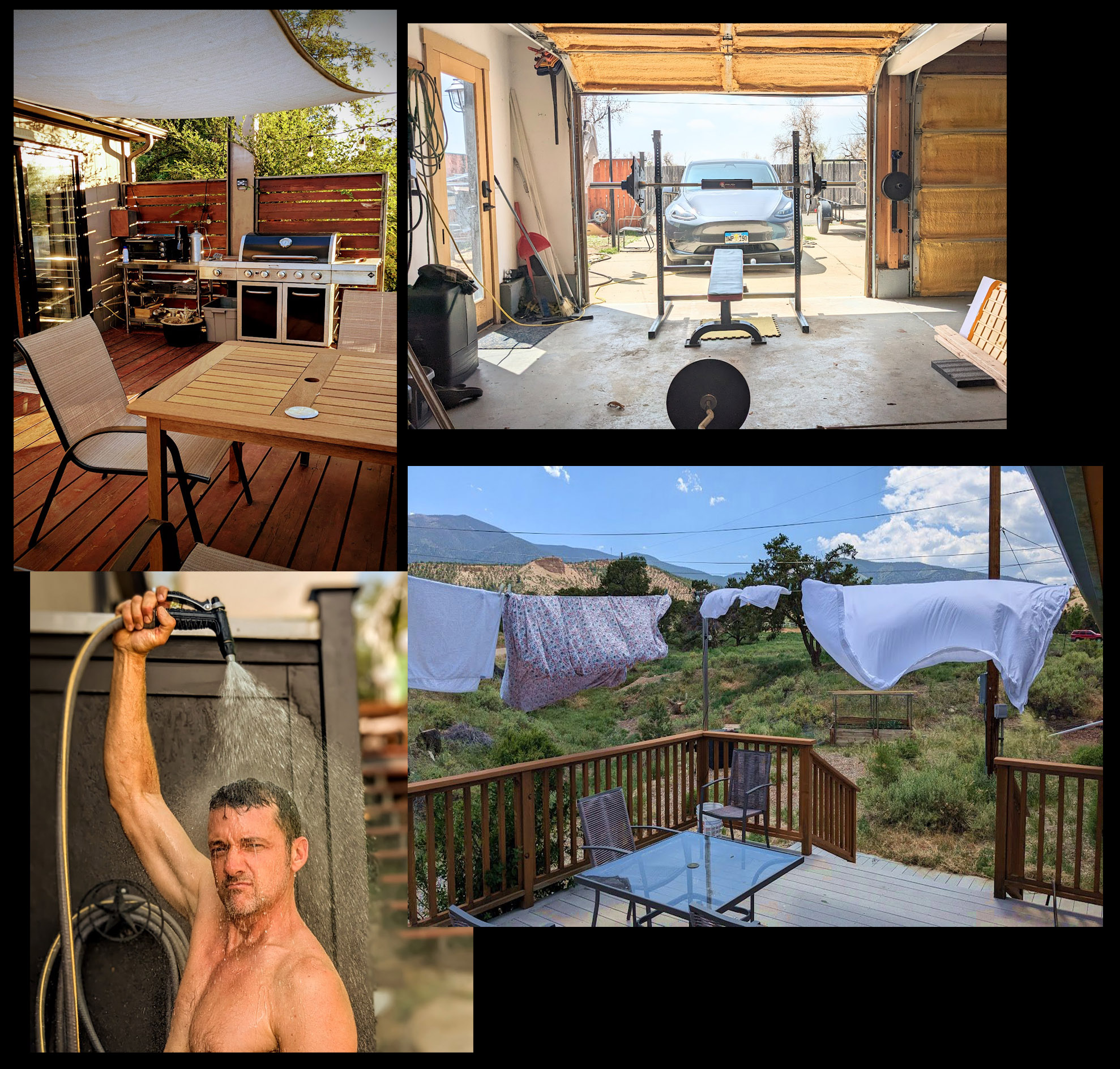
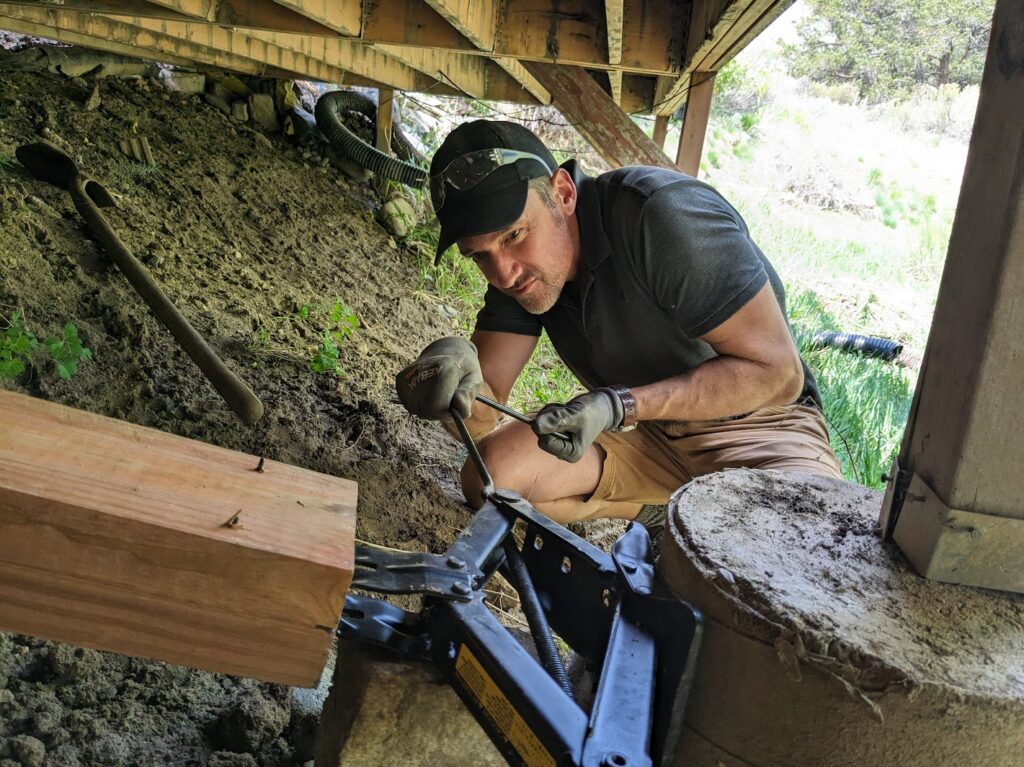
At the core of this lifestyle is a commitment to domestic self-sufficiency. Adeney remains an avid proponent of managing property maintenance independently, viewing the home as a primary canvas for problem-solving. Rather than relying on external contractors for major repairs or aesthetic upgrades, he spends significant portions of his free time redesigning older buildings, both on his own properties and for friends. This hands-on approach builds individual competence, reduces dependence on outside service providers, and yields estimated savings that he calculates at roughly twenty thousand dollars per year, translating to a staggering two hundred eighty-seven thousand dollars per decade.
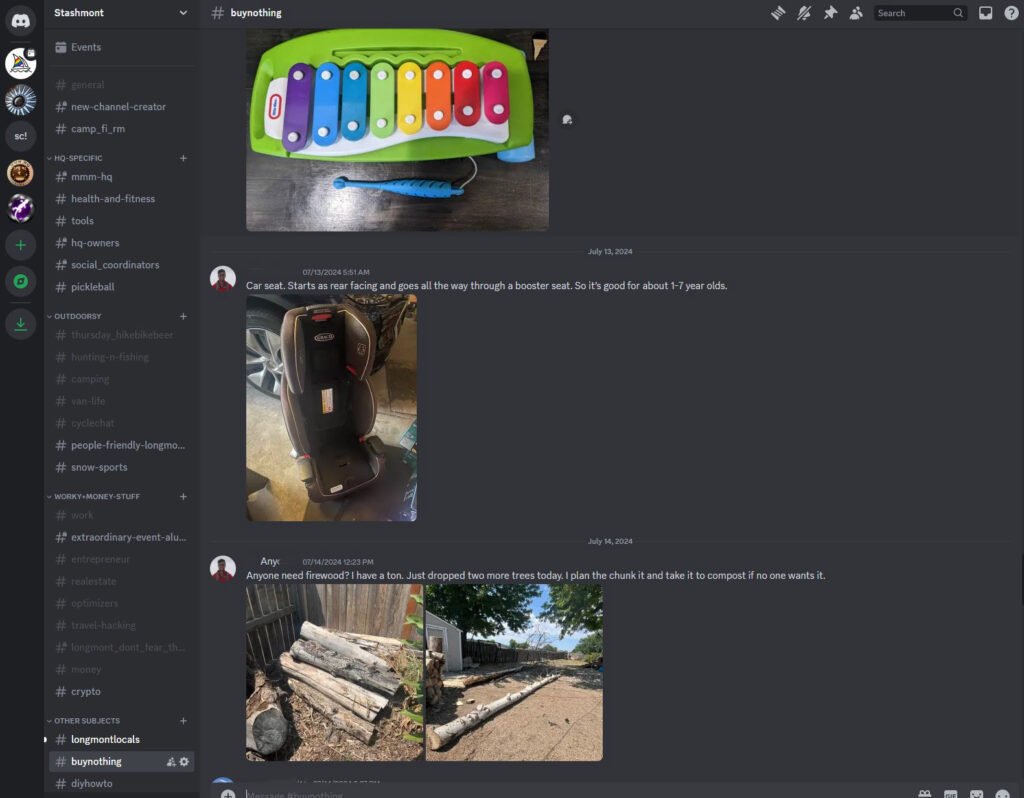
Community resourcefulness forms another pillar of this routine. While acknowledging the sheer convenience of ordering high-quality consumer goods for next-day delivery, Adeney advocates for the alternative of sharing, repurposing, and acquiring second-hand items through platforms like Craigslist, Facebook Marketplace, and specialized local networks. In his own immediate community, a private digital network connects local residents who collaborate on major projects, share practical advice, and distribute unneeded items without monetary exchange. Through regular engagement with local peer networks and classified platforms, he estimates saving thousands annually, adding up to roughly forty-two thousand dollars per decade.
Transportation choices continue to anchor his daily routine, mirroring the core principles established in his earliest writings on the true cost of commuting. While automobiles notoriously incur high operational costs per mile due to depreciation, maintenance, and fuel, bicycles and walking remain his primary modes of transportation for the vast majority of local trips. Living in the center of a small city reduces overall driving distances significantly, but the primary benefit extends far beyond simple monetary savings on fuel and vehicle upkeep. Active transportation fundamentally alters physical and mental health outcomes, reinforcing a broader lifestyle commitment to physical exertion over mechanical ease.
This preference for physical engagement extends into everyday chores and property maintenance. Whenever presented with a choice between manual effort and mechanized convenience—whether taking stairs instead of elevators, moving heavy furniture independently rather than hiring professional movers, or shoveling snow and raking leaves by hand—Adeney consistently chooses physical labor. Viewing this through the lens of long-term wellness, he points out that preventing chronic illness and maintaining physical vitality through active living yields indirect economic benefits, conservatively estimating the value of avoided healthcare costs and heightened daily productivity at roughly ten thousand dollars annually, or one hundred forty thousand dollars per decade.

Energy efficiency within the home represents another intersection of personal hobby and financial restraint. Describing his personality as a hybrid of engineer, carpenter, hippie, and homebody, Adeney frequently modifies his living space to harness passive solar energy, improve insulation, and align his daily habits with seasonal shifts. Although these modifications demand considerable personal labor and reduce standard utility bills significantly, he views the financial savings—estimated at thirty thousand dollars per decade—as a secondary reward to the enjoyment of living within a self-engineered efficiency playground.
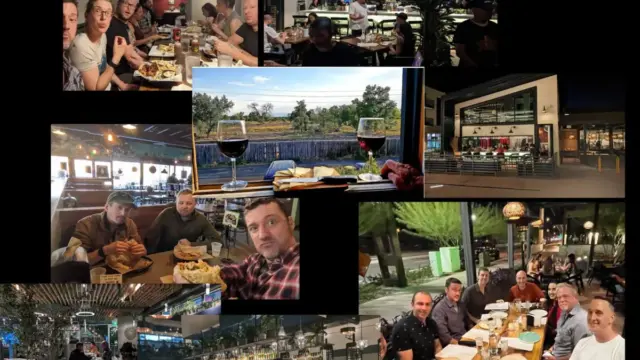
Finally, Adeney advocates for a balanced approach to leisure and travel, prioritizing local exploration and community connection over frequent, costly vacations. While acknowledging that travel remains a valuable tool for broadening life experiences for families and children, he suggests that modern culture often encourages an excessive frequency of distant trips. By consciously choosing to decline certain travel obligations in favor of localized community events, backyard gatherings, and regional recreation, families can preserve both their financial resources and their energy. He calculates that replacing just two weeks of annual travel for a family of four with equivalent local engagement can save significant direct expenses alongside incidental health and social benefits, compounding into substantial wealth increases over a ten-year span.

When aggregated, these everyday habits and quirks compound into hundreds of thousands of dollars in preserved wealth over a decade—surpassing the median net worth accumulated by many American seniors after a lifetime of traditional workforce participation. Yet, Adeney emphasizes that these practices are not presented as rigid rules for those facing severe financial hardship, but rather as examples of how minor adjustments toward efficiency can fundamentally alter personal financial trajectories without requiring painful sacrifices.
As the debate surrounding wealth, lifestyle inflation, and early retirement continues across digital platforms, Adeney’s defense of his daily routine underscores a core message that has defined his platform from its inception: true financial independence is found not just in the accumulation of capital, but in the redesign of a simpler, more self-reliant daily existence.