Reflecting on
that transition, the blogger recently admitted that the shift brought an immediate psychological adjustment. Looking back at his initial mindset, he recalled thinking that he had successfully adapted his habits and realigned his financial philosophy with the snap of a finger, ready for the next phase of life.
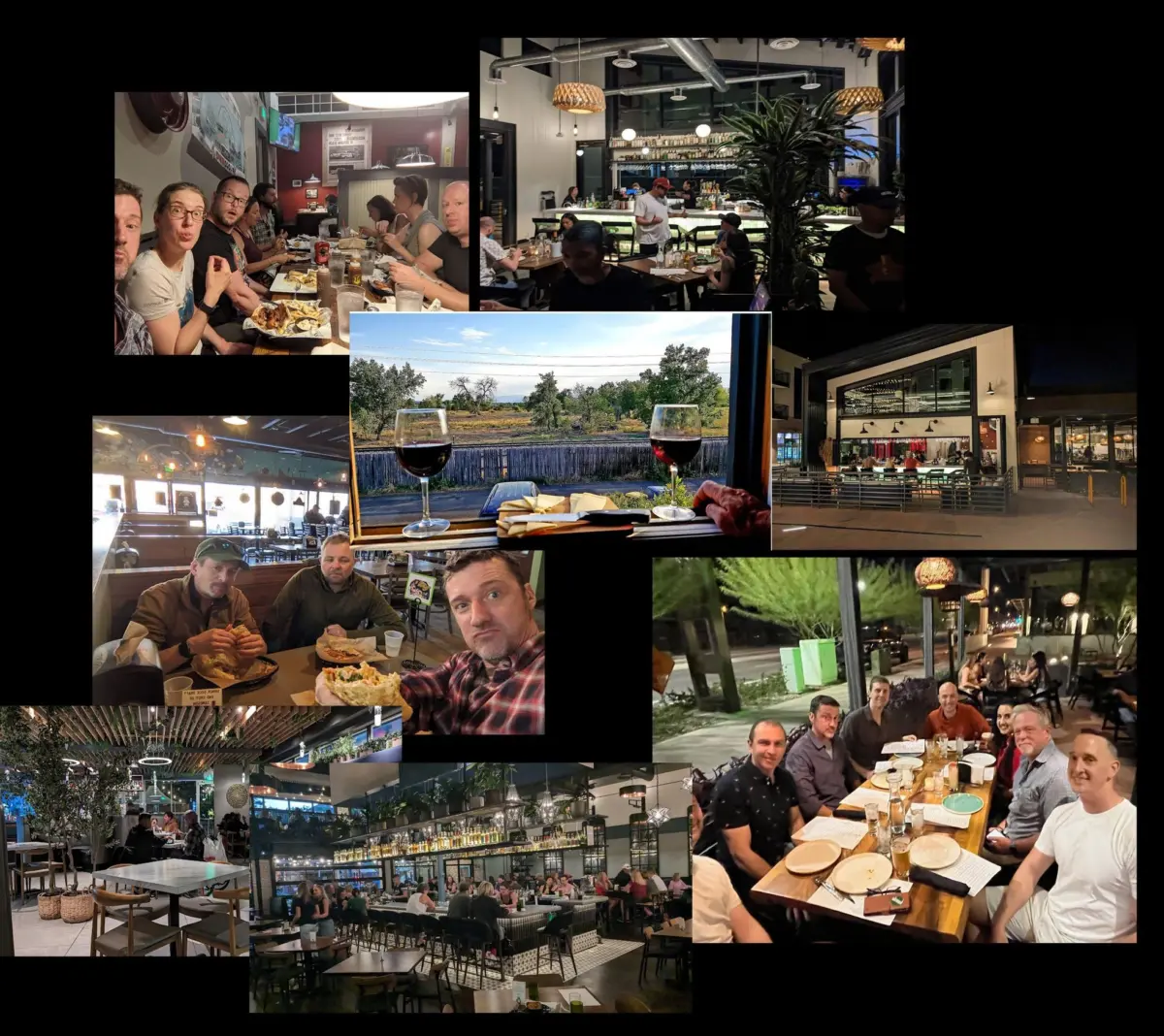
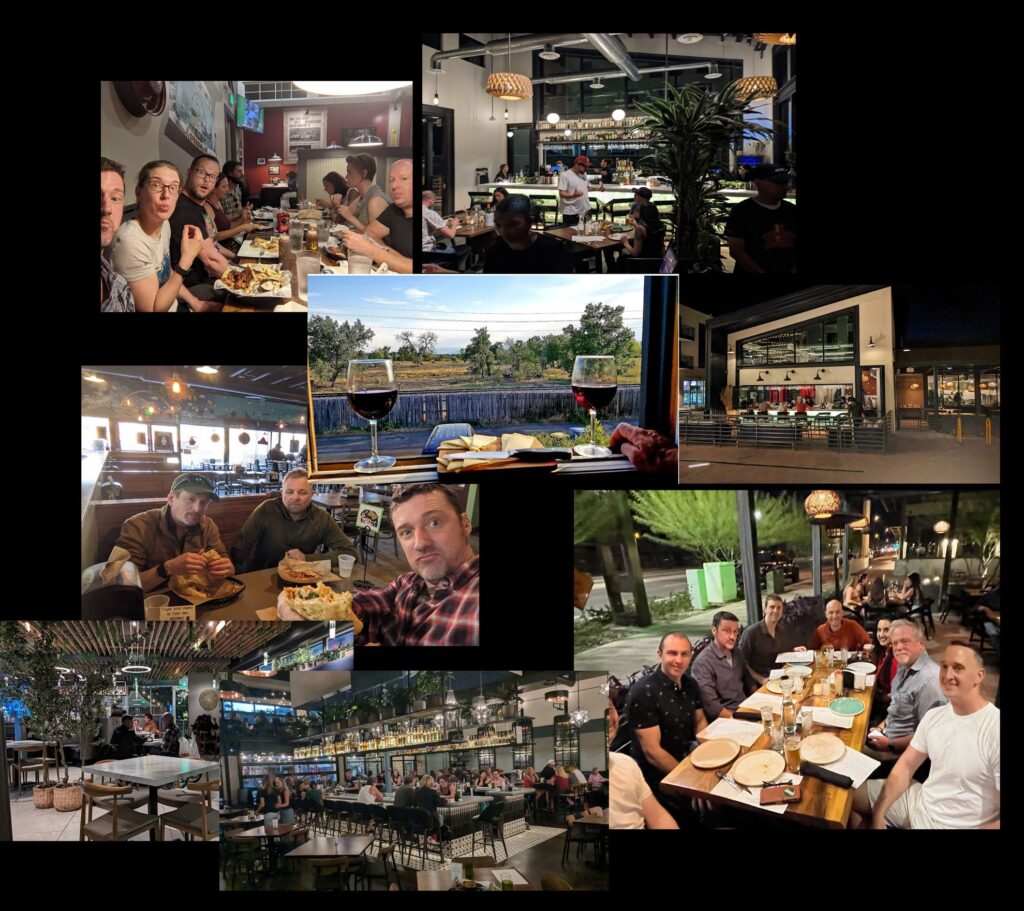
Following that decision, he spent the subsequent two years leaning into a greater sense of financial abundance. He embraced a lifestyle that more closely mirrored traditional notions of wealth, traveling extensively, dining out at upscale restaurants, and selecting hotels based on comfort rather than thriftiness. Plane tickets included upgrades to roomier seating options, and grocery shopping was no longer tethered strictly to discount warehouse stores like Costco and Sam’s Club, with occasional trips to Whole Foods accepted without a second thought.
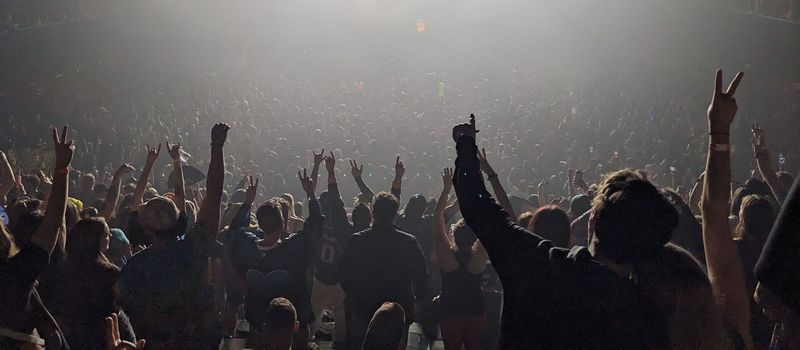
His calendar reflected this newfound openness. Alongside his young adult son, he attended numerous late-night electronic dance music concerts and visited multiple Meowwolf immersive art installations, including a spontaneous Christmas Day road trip from his winter home in Tempe, Arizona, to Las Vegas. Operating primarily as a single man for much of the period, his schedule remained flexible, allowing him to connect with friends, explore new regions, and embrace spontaneous social opportunities. The year felt expansive and adventurous, stretching subjective time far beyond the boundaries of a standard twelve-month calendar.
Despite the flashy upgrades and a steady stream of experiences, the blogger assumed his budget must have quietly drifted back into mainstream American consumer territory. However, because he was enjoying the lifestyle too much to audit the expenses in real-time, the exact tally remained unknown until recently.
The reality check came during a collaborative financial coaching session with a friend, where the two decided to compile and compare their respective annual spending figures. When the transactions were finally sorted into a comprehensive digital spreadsheet and the final calculation was tallied, the results defied expectations.
While overall expenditures had indeed increased—driven largely by travel-related activities—the macroeconomic impact on his net worth was remarkably minimal. Depending on how variables such as automobile ownership and business expenses were accounted for, his total annual outlay shifted from a baseline of roughly $20,000 to approximately $30,000, bolstered by the foundational financial advantage of a fully paid-off home.
This modest level of spending remains easily sustainable by a standard one-million-dollar investment portfolio. Given that his actual investment holdings sit considerably higher— buoyed by years of robust economic expansion and a sustained stock market rally—his current financial footprint remains well within safe withdrawal parameters.
Although he technically "failed" to reach the higher spending thresholds traditionally recommended for affluent retirees, the outcome left him satisfied. He reported experiencing genuine psychological benefits from adopting an abundance mindset and plans to continue conducting similar lifestyle experiments in the future. Drawing parallels to his 2019 discussions surrounding an "Optimization Council," he emphasized the enduring value of benchmarking expenses and sharing life optimization strategies with peers. Nearly two decades into early retirement, he remains receptive to feedback and continuous learning.
A granular look at the budget reveals how the $30,026.76 total was distributed across various personal and business accounts over the course of the year.
Groceries accounted for a total of $5,960.39, covering food for himself, his young adult son approximately half the time, and occasional houseguests. Restaurant spending totaled $2,243.59, representing excursions chosen specifically for entertainment and social engagement rather than mere nutritional convenience.
Travel emerged as a significant category, totaling $6,158.77 across personal and business allocations, the latter of which funded attendance at industry gatherings like Camp Fi and other interactive conferences. Utilities remained modest at $1,909.51, while a combined Amazon and household category registered $3,554.10, approximately 75% of which constituted construction materials for client projects—primarily friends—that were subsequently reimbursed via invoice.
Entertainment beverages, categorized as booze, amounted to $250.67 for wine and hosting supplies. Healthcare costs totaled $3,536.66, kept low through a combination of a Direct Primary Care medical subscription and a high-deductible health sharing arrangement via Sedera Health, alongside out-of-pocket spending on advanced screening blood tests for educational purposes.
Automobile expenses accounted for $2,425.21, primarily covering mandatory vehicle insurance and registration fees, though excluding formal depreciation calculations. Phone and internet services totaled $1,410.56, featuring a $50 gigabit home internet connection alongside a modest monthly mobile bill. Finally, property taxes came in at $2,577.30, a figure he noted as surprisingly reasonable given the prevailing market values of homes in his neighborhood.
Comparing these figures to his previously published 2019 budget demonstrates that his baseline costs have risen only marginally, despite the broader inflationary pressures experienced across the broader economy in recent years. While travel and leisure spending increased, expenses related to home renovations decreased because frequent travel left him with less time for DIY projects. The introduction of healthcare sharing costs also represented a new structural line item compared to his previous self-insured status.
The single largest structural advantage in his financial architecture remains the complete absence of housing debt. Having eliminated his mortgage years ago, and choosing to perform his own property maintenance rather than hiring lawn services, plumbers, or handymen, he avoids the recurring overhead that strains many household budgets. While acknowledging that taking out a low-interest mortgage during the low-rate environment of 2021 and deploying that capital into equity index funds would have been mathematically superior from a strict wealth-accumulation standpoint, he noted that the psychological peace of mind provided by a mortgage-free property holds tangible value. Furthermore, foregoing traditional homeowner’s insurance saves an estimated $2,000 annually, effectively boosting the return on his real estate capital allocation.
On the healthcare front, his approach relies on a combination of good baseline health, a Direct Primary Care clinic membership costing $107 per month, and a Sedera health sharing plan priced at $201 monthly. Totaling $308 per month, this dual-layered system undercuts standard commercial bronze insurance plans while providing personalized primary care access and catastrophic protection, though he explicitly disclaims status as an insurance expert due to his minimal utilization of the conventional medical system.
Looking forward, the blogger continues to evaluate his life through the lens of resource allocation and self-actualization. Citing the principle that resolving persistent frictions yields greater psychological dividends than doubling down on areas of life that are already functioning well, he noted that his relationships, health, daily routines, and diet require no intervention.
The primary friction point in his current setup is physical workspace constraints. Engaging in space-intensive hobbies such as carpentry, construction, and music production within a relatively compact residence has maxed out his existing two-car, 440-square-foot garage workshop. While doubling his workspace to roughly 1,000 square feet would alleviate this bottleneck, his attachment to his current neighborhood, neighbors, and scenic views precludes a simple relocation. Consequently, he plans to optimize his current footprint unless an ideal, locally contiguous real estate opportunity arises.

Longer-term aspirations, such as developing a remote mountain compound featuring natural water features, remain on his conceptual shelf. However, given that his daily schedule is already filled with engaging commitments, adding another real estate project would require a deliberate trade-off, such as divesting from his current home or his coworking headquarters.
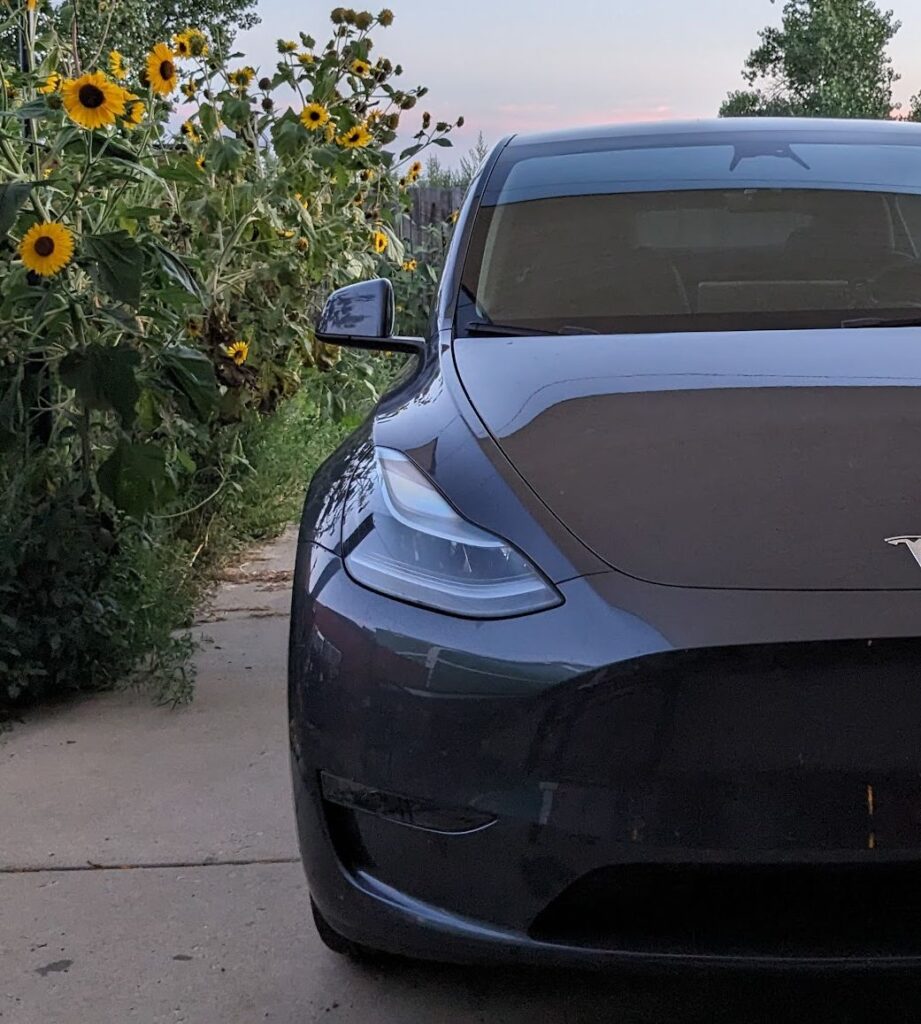
As he enters the new year, he maintains an active agenda of creative projects and personal experiments, while continuing to monitor broader consumer trends, including potential legislative changes affecting electric vehicle tax credits for models like the Tesla Model Y and Model 3.